Qatar–Türkiye Defence Industry Relations: The Buyer Is Also a Shareholder (2014–2026)

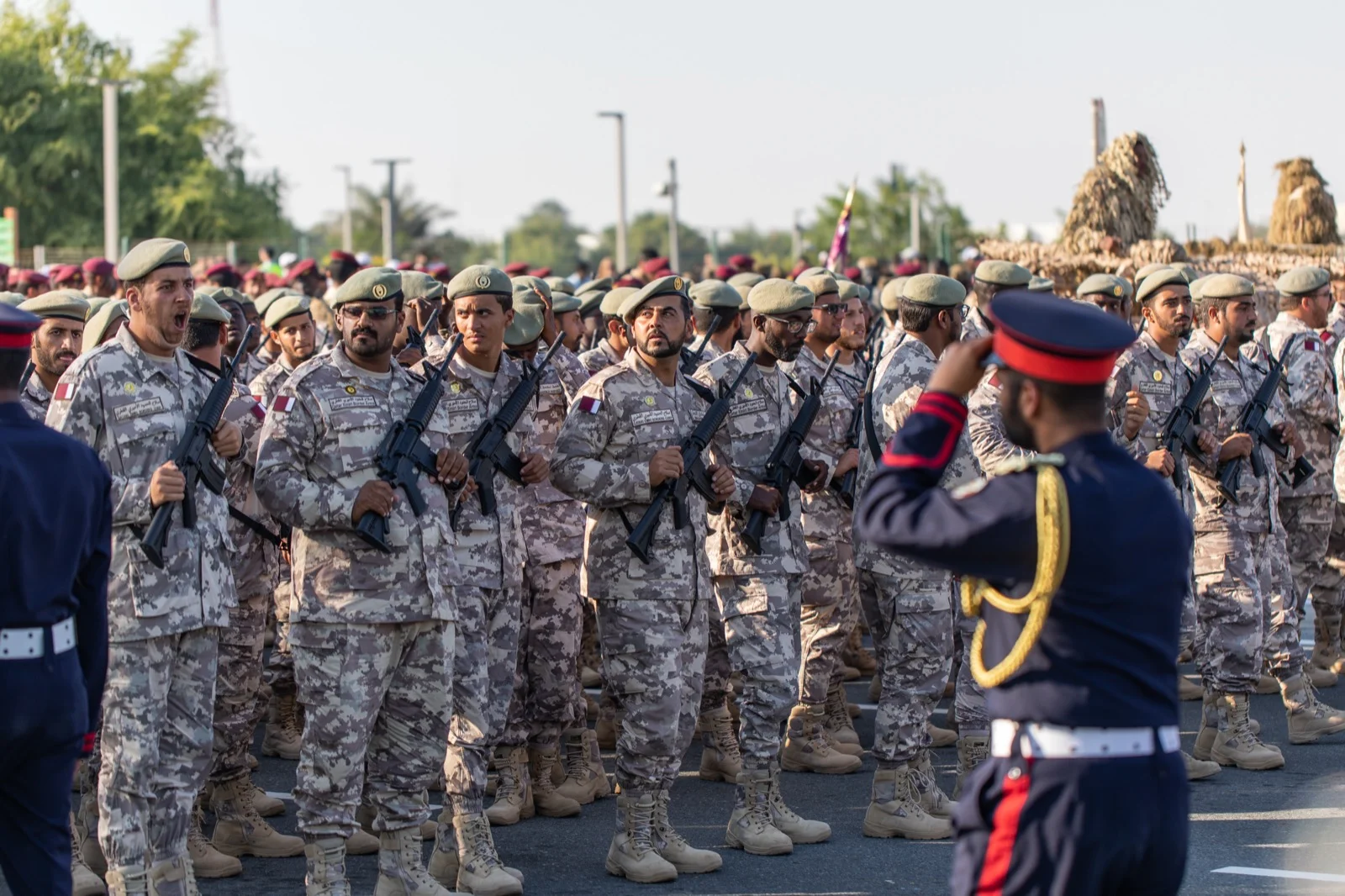
The Qatar–Türkiye defence industry line does something for the first time in this series: the buyer is a shareholder of the seller. In 2014 the Qatar Armed Forces took 49.9% of BMC; in 2018 Barzan set up a joint venture with Aselsan in Doha; in 2026 the same Barzan financed the frigates a Turkish shipyard will build for Indonesia. In between came six TB2s, eighty-five BMC vehicles, two training ships, twenty-nine patrol boats and an unmanned surface vessel. This file reads twelve years in one table.
This is the series’ fourth bilateral file. Why Qatar chose Turkish systems was examined in the sixth file as a single procurement portfolio; that data is not repeated. What is added is the rest: Qatari capital in Turkish companies, the joint command and squadron in country, the 2022–2024 naval items, financing for a third country, the 2024 agreements, the Steel Dome offer and DIMDEX 2026. The pattern set in the Pakistan, Poland and Saudi Arabia files applies: contract, MoU, protocol, evaluation and statement are written apart. The Turkish original is here.

Short answer: the buyer is also a shareholder
In twenty files, buyers took products, licences, subsystems or joint designs from Turkish industry. The UAE went a step further and set up a joint venture with a Turkish company on its own soil. Qatar went the other way: it became a partner in the company in Türkiye. In 2014 the Qatar Armed Forces Industry Committee took 49.9% of Es Mali Yatırım, which controls BMC; in 2018 Barzan Holdings took 51% of BARQ, the joint venture with Aselsan; in January 2026 Barzan financed, under a $1 billion contract, the two frigates TAIS will build for Indonesia. Product flows one way, capital the other. The component this file adds to the Turkish package is buyer capital; the second is a base in country — a joint force command operational since October 2015 and a joint squadron formed in 2024.
| Area | Item | Turkish company | Qatari party | Date · value | Status |
|---|---|---|---|---|---|
| Capital | Es Mali Yatırım (BMC) 49.9% | BMC | QAF Industry Committee | 2014 | In force; Ankara plant opened 2025 |
| Capital | BARQ QSTP joint venture (51% Barzan) | Aselsan, SSTEK | Barzan Holdings | Sep 2018; expansion 20 Jan 2026 | Active; small volume, content undisclosed |
| Framework | Defence cooperation agreement; joint command | — | Ministry of Defence | 2014; Oct 2015; HQ 14 Dec 2019 | Active; joint squadron Dukhan Aug 2024 |
| UAV | 6 Bayraktar TB2 + 3 GCS + simulator | Baykar | Armed Forces | Mar 2018 (DIMDEX) | In service (delivered 2019) |
| Land | 50 Kirpi + 35 Amazon | BMC | Barzan | Mar 2018 (DIMDEX) | Contract; deliveries continuing (2020) |
| Land | 342 Ejder Yalçın + 214 NMS; special-forces contract | Nurol Makina | Barzan | Mar 2018; 3 Nov 2020 | Contract; delivered quantity undisclosed |
| Naval | 2 training ships (Al Doha, Al Shamal) | ADİK | Navy | Mar 2018 | Delivered 25 Aug 2021 · commissioned 25 Feb 2022 |
| Naval | 17 boats (~$250m) + 9 vessels (~$200m) + 3 interceptors | ARES | Coast Guard | 2014 · 2018 · Jun 2022 | 13 boats delivered by 2017; programme continues |
| Naval | ULAQ 11 port security vessel | Meteksan, ARES | Ministry of Interior | Nov 2024 (Milipol) | Contract; first export; no quantity or value |
| Financing | 2 Istif frigates for Indonesia | TAIS | Barzan | 20 Jan 2026 · $1bn | Contract (buyer Indonesia) |
| Framework | Two defence ministry agreements | MoND | Ministry of Defence | 14 Nov 2024 | Signed |
| Air defence | Steel Dome architecture | Aselsan | Ministry of Defence | 28 Oct 2025 talks | Evaluation |
| Framework | STM MoU; ASFAT, MKE, TAIS, Aselsan agreements | STM, ASFAT, MKE, TAIS, Aselsan | Barzan | 20 Jan 2026 (DIMDEX) | MoU and cooperation agreements; content partly undisclosed |
Three things the table says. Three of thirteen items are capital and financing: alongside product sales, the line is an investment relationship. The Qatari counterpart is almost always the same — Barzan Holdings, the single-channel procurement company the Ministry of Defence founded in 2016. And unlike Saudi Arabia there is no localisation, unlike Poland no integration: what Qatar takes is finished systems, what it gives is capital and a base.
What did Qatar need?
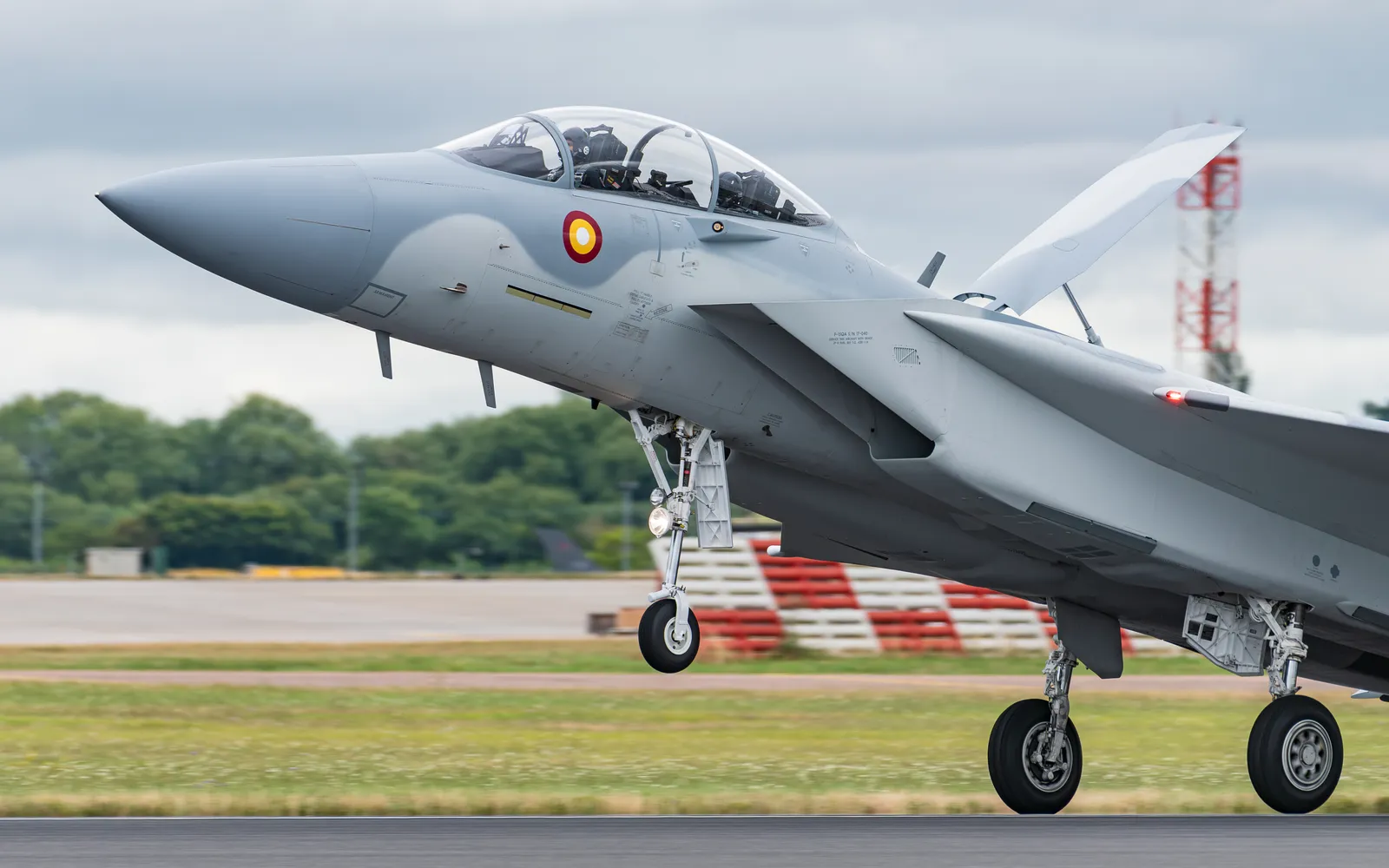
Qatar holds one of the Middle East’s largest defence budgets and one of the world’s highest per capita; its inventory was deliberately spread across three Western fighter suppliers — 36 Rafale, 36 F-15QA, 24 Typhoon — in contracts signed between 2015 and 2018. For a small territory and population the need, as the sixth file wrote, was to protect the coastline, maritime infrastructure and airspace with systems delivered fast and with their training. The second need this file adds concerns procurement structure: from 2016 Qatar’s procurement ran through one channel, Barzan, which set up joint ventures with Western and Turkish companies and turned the buyer into a shareholder. At DIMDEX 2018 Barzan signed with Beretta, Kongsberg, Rheinmetall and QinetiQ as well as with Turkish firms; the Turkish line is the widest component of that structure.
Capital: BMC and BARQ
Qatar’s stake in Turkish industry predates its purchase of Turkish systems. In 2014 the Qatar Armed Forces Industry Committee took 49.9% of Es Mali Yatırım, which controls BMC; the rest stays with the Turkish partner. BMC today delivers Kirpi and Amazon to Qatar and is setting up the Altay tank line at the Ankara plant opened in 2025; Qatari press reported the Qatari share in the plant as 49.9%. The second stake is BARQ QSTP: founded in September 2018 at the Qatar Science & Technology Park in Doha, Barzan 51%, Aselsan 48%, SSTEK 1%. Its field is command and control, thermal and night-vision cameras, cryptography and remote weapon stations; Aselsan’s 2024 report calls the volume small and what it actually produces is not public. On 20 January 2026 at DIMDEX the partnership was expanded with new agreements; neither side disclosed content, and the file writes none. Aselsan also opened a wholly owned maintenance centre in Doha in 2021. Among Aselsan’s export markets Qatar is the one where the customer is a co-owner.
The naval line: from 2014 to ULAQ
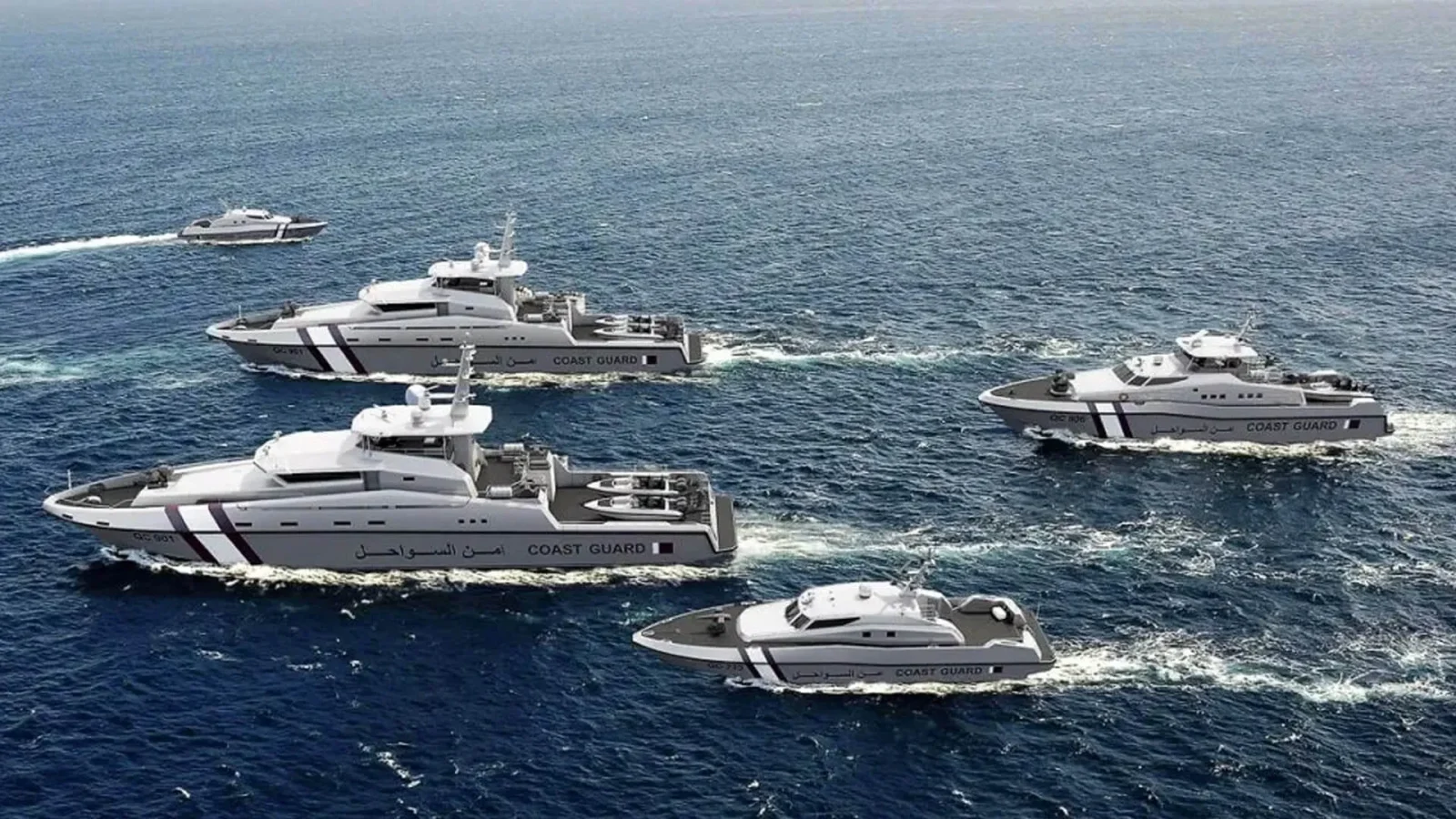
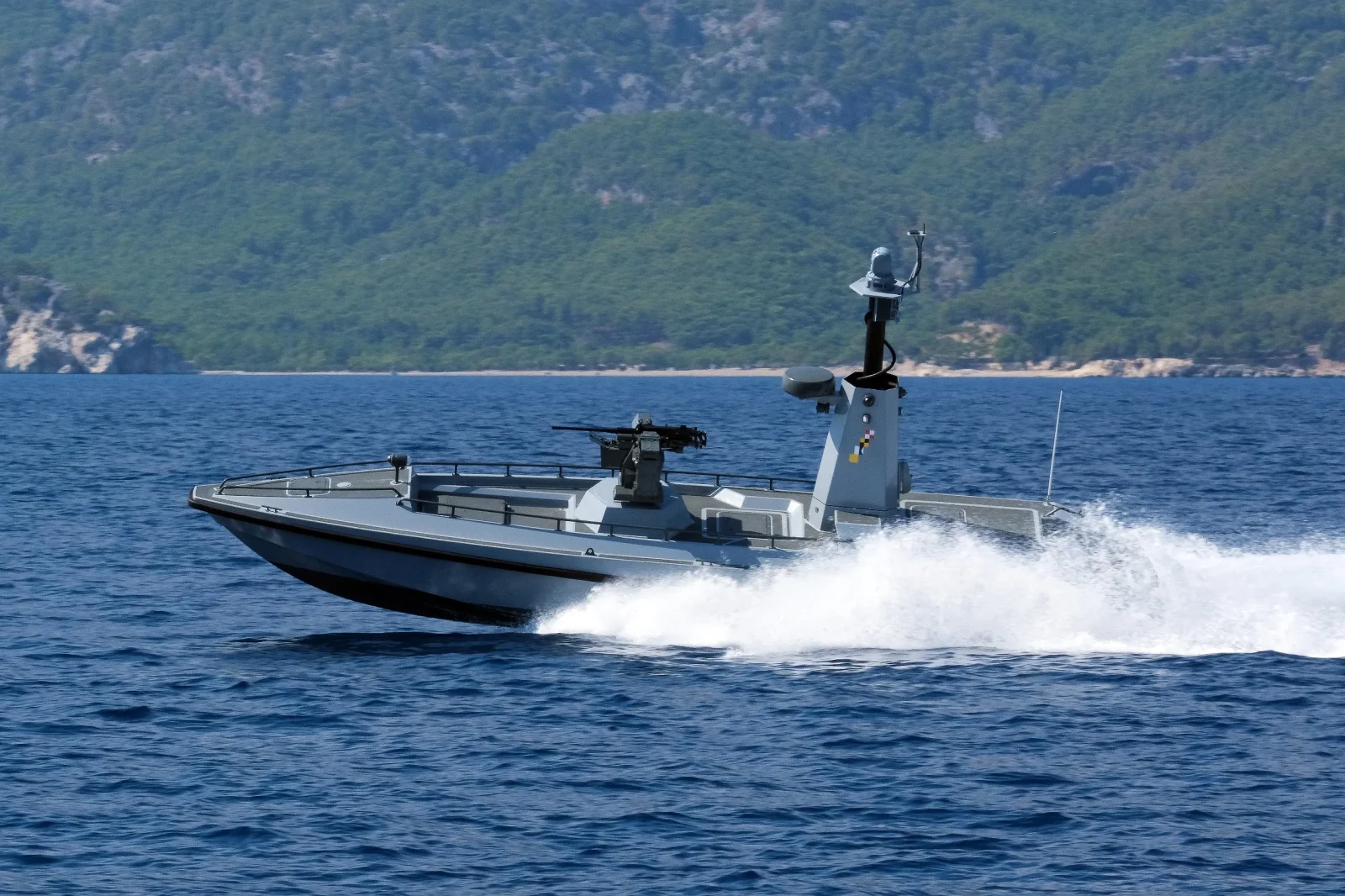
The oldest and most transparently priced item on the Turkish line in Qatar is naval. At DIMDEX in March 2014 ARES Shipyard signed a contract worth about $250 million with the Qatar Coast Guard for 17 boats — five of 24 metres, ten of 34 and two of 48; deliveries began in 2016 and 13 boats had been delivered by the end of 2017. In March 2018 a follow-on of nine vessels worth about $200 million (three ARES 150 and six ARES 80 SAT) came, and in June 2022 three fast interceptors; the yard said in 2018 its Qatar business had reached half a billion dollars. ADİK delivered Al Doha, the first of two training ships ordered in March 2018, on 25 August 2021, and Al Shamal was commissioned on 25 February 2022; the 2,150-tonne ships also serve as offshore patrol vessels. At Milipol Qatar in November 2024 Meteksan Defence and ARES signed with the Ministry of Interior for the ULAQ 11 port security vessel: Türkiye’s first unmanned surface vessel export, quantity and value undisclosed. Two of the four patterns in the series’ naval file — finished boat and turnkey build — sit side by side in Qatar.
Land and air: the DIMDEX 2018 package
The DIMDEX fair of March 2018 was the line’s busiest three days. Baykar and the Qatar Armed Forces agreed on six Bayraktar TB2s, three ground control stations and a simulator; the aircraft were delivered within a year, entered service with the Reconnaissance and Surveillance Centre in 2019 and were shown publicly at the Al-Adheed exercise in March 2020 — Qatar was the first Gulf state to field the TB2, as the Gulf file records. BMC and Barzan signed for 50 Kirpi and 35 Amazon; Nurol Makina and Barzan signed for 342 Ejder Yalçın and 214 NMS, with a second contract for special forces on 3 November 2020 and deliveries announced for 2021–2022. Nurol has not disclosed how many were delivered; the file writes none. Qatar was the first export customer of the NMS. Reports place the Vuran tactical vehicle in Qatari service; with no official confirmation, it is not a row in the table.
Base and joint squadron
The Turkish–Qatari Combined Joint Force Command, based on the 2014 defence cooperation agreement, has been operational since October 2015 at the Tariq bin Ziyad base near Doha; its headquarters was opened on 14 December 2019 at Khalid bin Walid Camp by the then ministers Hulusi Akar and Khalid bin Mohammed Al Attiyah. On 27 August 2024 Qatar’s Ministry of Defence announced a joint squadron at Dukhan Air Base with the Turkish Air Force: Turkish F-16s alongside Qatari Rafales and Typhoons. On 14 November 2024, at the tenth meeting of the High Strategic Committee, the two defence ministries signed technical and military cooperation agreements. In Poland alliance logistics meant NSPA and Incirlik; in Qatar there is no alliance, but there is a Turkish element stationed in country and a joint command. The series has no second example.
Why some rows carry a price
The most transparently priced items in the series are on Qatar’s naval line: ARES’s 2014 contract about $250 million, its 2018 follow-on about $200 million, the TAIS–Barzan contract $1 billion. TB2, BMC, Nurol, ADİK and ULAQ values are undisclosed. The Gulf file recorded Kuwait paying $367 million for 18 TB2s; with no figure for Qatar’s six-aircraft package, no unit comparison is made. The cost score reflects three disclosed values in a reasonable band and uncertainty on the rest.
Training and munitions
Training runs on two levels: system training (the TB2 simulator inside the contract, ship crews with the ADİK and ARES deliveries) and joint training (the command and the Dukhan squadron). Munitions are the Turkish package’s “munitions in the same contract” component: the laser-guided munition integration that turned the TB2 into an export product applies in Qatar too, and the DIMDEX 2026 agreements between MKE and Barzan cover ammunition production, content undisclosed. The third-country licence problem does not exist on the Turkish line; on Qatar’s Western line, three fighter types depend on three separate capitals.
Alternatives and complements
| Item | Turkish offer | Other line | Outcome |
|---|---|---|---|
| Tactical UCAV | Bayraktar TB2 | US line closed; Chinese line not chosen | TB2 in service since 2019 |
| MRAP and 4×4 | Kirpi, Amazon, NMS, Ejder Yalçın | US and French light armour | Turkish line; buyer a BMC shareholder |
| Training ship | ADİK 2 ships | European yards | ADİK; delivered 2021–2022 |
| Patrol boat | ARES 29 craft | Local Nakilat-Damen line | ARES; ~$450m disclosed |
| Unmanned surface vessel | ULAQ 11 | No alternative disclosed | ULAQ; first export |
| Fighter | — | Rafale, F-15QA, Typhoon | Three Western types; no Turkish offer |
| Air defence | Steel Dome (evaluation) | Patriot, NASAMS | US line; no decision |
| Major warship | — | Fincantieri Doha-class package | Italian line; Turkish frigates financed for Indonesia |
The rows to read are the second and the last. Qatar buys Turkish armour as a shareholder of its maker; it finances Turkish frigates not for itself but for Indonesia. On main platforms the table is entirely Western: three fighter types, Patriot and NASAMS, the Fincantieri package. The SİPER–Patriot comparison shows where the Turkish offer stands in air defence, but the Turkish line did not compete in that layer. The file writes both lines with no superiority claim.
Steel Dome: evaluation, not a contract
After Sheikh Saoud bin Abdulrahman Al Thani met Yaşar Güler in Ankara on 28 October 2025, Qatar was reported to be evaluating a Turkish offer of Aselsan’s Steel Dome architecture: early-warning radars, sensor families and command and control in a single layered system. There is no contract; Qatar’s air-defence backbone is Patriot and NASAMS. If the offer becomes a contract, the Qatar line would enter the main-platform layer for the first time and the Qatari stake in BMC would become a channel for localising components; if not, the line stays where it is. The file makes no forecast.
The Qatari version of the Turkish package
In the Gulf we counted four components: record, munitions, permission and production share. The Balkans added donation and in-alliance reference, Central Asia the full catalogue, Pakistan the buyer’s shipyard and reverse flow, Poland subsystem integration and alliance logistics, Saudi Arabia the localisation ladder. Qatar adds two components: buyer capital and a base in country.
Buyer capital
In the UAE file, capital partnership was a joint venture a Turkish company set up in the Emirates; in Qatar the direction is reversed. Qatari capital sits in BMC in Türkiye, in BARQ in Doha and in the financing of frigates bound for Indonesia. What the three share is that Qatar treats Turkish industry not only as a supplier but as an investment. The result is not measured in product: BARQ’s volume is small and BMC’s deliveries to Qatar are not disclosed below contract quantity. It is measured in the tie: Estonia bought off the shelf and the relationship ended with delivery; Qatar bought off the shelf and the relationship continues as shareholding.
Base in country
The joint command, its headquarters and the joint squadron add a component no other buyer in the series has: the seller’s own forces on the buyer’s territory. Central Asia had permission from a single capital; Qatar has that and stationing besides. The component does not directly explain the procurement decision — Qatari authorities have published no such reason — but it lifts the logistics and training scores: the Turkish system is in country together with Turkish personnel.
What changed in twelve years?
The timeline shows three phases: 2014–2015 capital, boats and the command; 2018 the DIMDEX package and BARQ; 2022–2026 naval items, the joint squadron, agreements and financing. The turning point is 2018: TB2, BMC, Nurol and ADİK contracts at the same fair.
What is official and what is under evaluation
| Item | Source | Status | Note |
|---|---|---|---|
| 49.9% Qatari stake in BMC | KAP, BMC, Qatari press | Official | Es Mali Yatırım 2014; Ankara plant 2025 |
| BARQ QSTP | Aselsan 2024 annual report | Official joint venture | Small volume; products undisclosed |
| TB2, BMC, Nurol, ADİK, ARES | Manufacturer statements, DIMDEX 2018 | Official contracts | Nurol and BMC delivered quantities undisclosed |
| ULAQ | Meteksan, ARES, Nov 2024 | Official contract | No quantity or value |
| TAIS–Barzan $1bn | TAIS, Barzan, 20 Jan 2026 | Official contract | Buyer Indonesia; financier Qatar |
| Two ministry agreements | Turkish Presidency, 14 Nov 2024 | Official | Technical and military cooperation |
| Joint squadron | Qatar MoD, 27 Aug 2024 | Official | Dukhan; F-16 + Rafale + Typhoon |
| Steel Dome | Press, 28 Oct 2025 talks | Evaluation | No contract; Patriot and NASAMS backbone |
| STM–Barzan | STM, DIMDEX 2026 | MoU | Unmanned aerial and naval systems |
| ASFAT, MKE, Aselsan, TAIS–Barzan | Company statements, DIMDEX 2026 | Cooperation agreements | Ammunition, systems engineering, naval; content partly undisclosed |
| Vuran | Press | Statement | No official confirmation; not a table row |
The table shows where the next rung lies: if the Steel Dome evaluation and the DIMDEX 2026 agreements become contracts, the Qatar line moves to the main-platform layer and to ammunition production. Today one is an evaluation and the other a framework.
EM-PFI assessment
The score assesses the whole relationship, not one contract. The Qatar portfolio was scored 77 in the sixth file; the whole relationship — base in country, capital partnership, disclosed naval values and fast delivery — sits four points higher.
| Criterion | Weight | Score | Rationale |
|---|---|---|---|
| Operational need | 20 | 17 | Coast, maritime infrastructure and airspace; fast multi-role systems |
| Technical fit | 15 | 12 | Tactical UCAV, MRAP, boats and ships; operated alongside Western main platforms |
| Geography and climate | 10 | 9 | Gulf climate; TB2 in service since 2019, boats since 2016 |
| Inventory compatibility | 10 | 7 | Three Western fighter types and US air defence; Turkish line a separate layer |
| Logistics | 10 | 9 | Turkish element in country, joint command, joint squadron |
| Cost-effectiveness | 10 | 8 | ARES and TAIS values disclosed; TB2, BMC, Nurol, ADİK undisclosed |
| Delivery and production | 10 | 9 | TB2 within a year; 13 boats in three years; ships on schedule |
| Technology transfer | 5 | 3 | BARQ joint venture; no design transfer |
| Local production | 5 | 3 | BARQ small in volume; no Turkish production line in Qatar |
| Modernisation path | 5 | 4 | Steel Dome under evaluation; DIMDEX 2026 framework |
| Total | 100 | 81 | Strong preference |
The breakdown confirms the series’ backbone: fast delivery, low industrial share. It sits at the Estonian end with two differences — Qatar has a capital partnership and a base in country. It is the exact opposite of Saudi Arabia: production there without a base, a base here without production.
Risks and limits
This section exists not to weaken the Turkish product but to make the file usable.
| Item | Status | What it means |
|---|---|---|
| Delivered quantities | Nurol and BMC have not disclosed vehicles delivered | Contract quantity and inventory quantity differ; the file writes contract quantity |
| BARQ’s volume | Small per Aselsan’s report; products undisclosed | Capital partnership cannot be measured as industrial output |
| DIMDEX 2026 agreements | Content partly undisclosed | Ammunition and systems-engineering headings are frameworks; no forecast written |
| Steel Dome | Evaluation | May not become a contract; written as such |
| Weight of the Western line | Fighters, air defence and major ships from the US, France, UK, Italy | Turkish line a niche; absent from main platforms |
| Reason for Barzan’s financing | Undisclosed | Indonesia’s frigates do not enter Qatar’s inventory |
| Political context | Deployment accelerated after the 2017 blockade | No official procurement reason; not written as the main cause |
| Reverse flow | None in product | Capital flows back; product one way |
Where is this line going?
Back to the opening definition: the buyer is also a shareholder. Qatar took from Turkish industry the tactical layer the Western line left open — armed drones, armoured vehicles, training ships, boats, an unmanned surface vessel — and gave in return not product but capital and a base: a stake in BMC, a majority in BARQ, financing for Indonesia’s frigates, a joint command in country. No other buyer in the series has this combination; the UAE is deeper in capital partnership but has no base, Saudi Arabia deeper in production but has no capital stake. Thirteen items in twelve years, eight Turkish companies and capital flowing the other way: that is the line’s measure.
The next rung depends on two items: the Steel Dome evaluation becoming a contract and the DIMDEX 2026 ammunition and systems-engineering agreements becoming production. If both do, the Qatar line moves from the tactical layer to main platforms and to ammunition production; if not, it stays as it is — finished systems, capital, base — and that is already an upper rung. DIMDEX 2028 and completion of the Nurol and BMC deliveries are the places to watch. This file wrote only what was signed or delivered.
Reading the line from Washington, Paris and London
For a reader who follows the three capitals behind Qatar’s fighter fleet, the Turkish line is neither a replacement nor a rival. The US holds F-15QA, Patriot, NASAMS and Al Udeid; France holds Rafale and NH90; the UK holds Typhoon; Italy holds the Doha-class package. The Turkish line entered beneath and beside that structure — tactical drones, armour, small combatants, an unmanned vessel — and added what none of the three capitals offered: a stake for the buyer in the seller’s industry and a joint command on the buyer’s soil. Four lines coexist in one inventory, each in its own segment, and this file makes no claim about which is superior. The one sentence to take away: the Qatar line is the only case in the series where Turkish industry both sold a buyer its products and took that buyer in as a shareholder, with Turkish forces stationed in the buyer’s country.
Frequently asked questions
What has Qatar bought from Türkiye?
Verified items: six Bayraktar TB2s with three ground stations and a simulator (DIMDEX, March 2018; delivered 2019), 50 Kirpi and 35 Amazon from BMC (DIMDEX 2018), 342 Ejder Yalçın and 214 NMS from Nurol Makina (DIMDEX 2018) plus a second contract for special forces (3 November 2020), two training ships from ADİK (Al Doha 25 August 2021, Al Shamal 25 February 2022), 17 patrol boats (2014, ~$250 million), nine vessels (2018, ~$200 million) and three fast interceptors (June 2022) from ARES, and the ULAQ unmanned surface vessel (Milipol, November 2024). Details in the sixth file (Turkish).
What has Türkiye received from Qatar?
Capital, not product. In 2014 the Qatar Armed Forces Industry Committee took 49.9% of BMC through Es Mali Yatırım; in 2018 Barzan Holdings took 51% of BARQ, the joint venture with Aselsan. In January 2026 Barzan financed, under a $1 billion contract, the two Istif-class frigates TAIS will build for Indonesia. There is no reverse flow of product in the series here; the buyer is a shareholder in Turkish industry.
What does the Qatari stake in BMC mean?
In 2014 the Qatar Armed Forces Industry Committee bought 49.9% of Es Mali Yatırım, which controls BMC; 50.1% stays with the Turkish partner. BMC’s new Ankara plant opened in 2025 and Qatari press reported the Qatari share in the plant as 49.9%. Qatar is both customer and shareholder of the maker of Kirpi, Amazon and Vuran. The file records this as the ‘buyer capital’ component.
What is BARQ?
BARQ QSTP LLC, founded in September 2018 at the Qatar Science & Technology Park in Doha by Aselsan and Barzan Holdings, which belongs to Qatar’s Ministry of Defence: Barzan 51%, Aselsan 48%, SSTEK 1%. Its field is command and control, thermal and night-vision cameras, cryptography and remote weapon stations; Aselsan’s 2024 report describes the volume as small. On 20 January 2026 at DIMDEX the partnership was expanded with new agreements whose content was not disclosed.
What is the Combined Joint Force Command?
A Turkish–Qatari command based on the 2014 defence cooperation agreement, operational since October 2015 at the Tariq bin Ziyad base near Doha. Its headquarters opened on 14 December 2019 at Khalid bin Walid Camp. In August 2024 Qatar’s Ministry of Defence announced a joint squadron at Dukhan Air Base with Turkish F-16s and Qatari Rafales and Typhoons. It is the series’ only example of a joint command stationed in the buyer’s country outside NATO.
Has Steel Dome been sold to Qatar?
No. After Deputy Prime Minister and Defence Minister Sheikh Saoud bin Abdulrahman Al Thani met Yaşar Güler in Ankara on 28 October 2025, Qatar was reported to be evaluating a Turkish offer of Aselsan’s Steel Dome architecture. There is no contract; the file keeps it at evaluation status. Qatar’s air-defence backbone is Patriot and NASAMS.
What was signed at DIMDEX 2026?
In Doha on 19–23 January 2026: a $1 billion contract between TAIS and Barzan for two Istif-class frigates for the Indonesian Navy; an MoU between STM and Barzan on joint production of unmanned aerial and naval systems; five cooperation agreements between Aselsan, ASFAT, MKE, TAIS and Barzan covering ammunition production, systems engineering, naval platforms and technology sharing; and the BARQ expansion. Quantity and value were disclosed only for the TAIS contract.
Why is Barzan financing Indonesia’s ships?
Barzan has not said, and the file writes no reason. What is on record: TAIS signed with Indonesia’s Ministry of Defence at IDEF in July 2025; the $1 billion contract with Barzan followed at DIMDEX in January 2026. It is the only case of the ‘third-party financed package’ pattern defined in the series’ naval file: buyer Indonesia, producer Türkiye, financier Qatar.
What were Qatar’s alternatives?
In fighters, France (36 Rafale), the US (36 F-15QA) and the UK (24 Typhoon); in air defence, Patriot and NASAMS; in major warships, Fincantieri’s Doha-class package. The Turkish line did not compete on those main platforms; it entered the tactical layer of armed drones, MRAPs, 4x4s, training ships, patrol boats and unmanned surface vessels. The file makes no superiority claim.
Why does ULAQ matter?
Under a contract signed by Meteksan Defence and ARES Shipyard with Qatar’s Ministry of Interior at Milipol Qatar in November 2024, Qatar became the first export customer of the ULAQ 11 port security vessel — Türkiye’s first unmanned surface vessel export. Quantity and value were not disclosed. It is the third time Qatar is a ‘first customer’ on this line: first Gulf TB2 user, first NMS export, first ULAQ export.
Was the 2017 blockade the reason for this relationship?
The file does not say so. The legal basis is the 2014 agreement, the command has been operational since October 2015, and the ARES contract and the BMC stake date from 2014 — all before the blockade. Deployment accelerated after 2017 and the big contracts came at DIMDEX 2018; that is context. Qatari authorities have not cited the blockade as a procurement reason, so the file does not present it as the main cause.
Where does this relationship sit in the series?
The fourth bilateral file. Pakistan was joint design, Poland subsystem integration, Saudi Arabia the localisation ladder; the Qatar line’s distinctive components are buyer capital and a base in country. EM-PFI 81/100, ‘Strong preference’ band; the sixth file’s single-portfolio score was 77.
What does the EM-PFI score mean?
Qatar × Turkish defence industry: 81/100. High on logistics, delivery and geography — a Turkish element is in country and the systems arrived fast; low on technology transfer and local production — BARQ is small and there is no Turkish production line in Qatar. It is Envanter Medya’s editorial assessment.
Is there Turkish production in Qatar?
Limited. BARQ is registered in Doha with production and sales as its field, but what it actually produces and in what quantity is not public. Barzan’s intention to open a plant with BMC in Qatar appeared in the press; there is no contract. The production relationship today is in Türkiye: Qatari capital in BMC’s Turkish plants.
What comes next?
On the verified calendar: completion of Nurol and BMC deliveries, ULAQ delivery and TAIS’s Indonesian frigate programme. Steel Dome is under evaluation, STM–Barzan is an MoU and the DIMDEX 2026 agreements are at framework stage. This file writes only what was signed or delivered.
Other files in the series
The “Why They Chose the Turkish Defence Industry” series goes beyond individual export headlines to examine the buyer’s need, the alternatives on the table and the contract structure.
- Why do Gulf states choose Turkish drones?
- Why is the Turkish defence industry growing in the Balkans?
- Why are Central Asian states turning to Turkish drones?
- Pakistan–Türkiye defence industry relations
- Poland–Türkiye defence industry relations
- Saudi Arabia–Türkiye defence industry relations
The full series and regional breakdowns are on the Türkiye defence exports hub (Turkish). For the boats themselves see the ARES boat families and the shipyard profile.
Sources and method
- Qatar Ministry of Defence and QNA — TB2 contract (DIMDEX, March 2018); joint squadron (27 August 2024); Ankara talks (28 October 2025)
- Turkish Presidency Directorate of Communications — High Strategic Committee, two defence ministry agreements (14 November 2024); Turkish MoND — joint command HQ opening (14 December 2019)
- Aselsan 2024 annual report and DIMDEX 2026 statement — BARQ QSTP structure and expansion (20 January 2026)
- BMC and KAP — Es Mali Yatırım ownership (2014); Ankara plant opening (2025)
- Baykar, BMC, Nurol Makina statements — DIMDEX 2018 contracts; Nurol second contract (3 November 2020)
- ARES Shipyard and Anadolu Shipyard statements — 17 boats (2014), nine vessels (2018), three interceptors (2022); Al Doha delivery (25 August 2021); Al Shamal (25 February 2022)
- Meteksan Defence and ARES — ULAQ export contract (Milipol Qatar, November 2024)
- TAIS, STM, ASFAT, MKE statements — DIMDEX 2026 (19–23 January 2026)
- SIPRI, March 2026 — Qatar’s import ranking
- International defence press — items at evaluation or statement status marked in the tables
Method note. Every item is written with its status — contract, agreement, MoU, evaluation, statement; evaluations and MoUs are not presented as contracts. Nurol and BMC delivered quantities are undisclosed, so contract quantities are written. BARQ’s products and the content of the DIMDEX 2026 agreements are undisclosed and therefore not written. The 2017 blockade is given as context, not as a procurement reason. The Western line is written as a separate layer, not a rival; no superiority claim. EM-PFI is Envanter Medya’s editorial assessment, not an official index.