
US to Cut Its NATO Force Model Contribution: Fighters Down a Third, Allies to Fill the Gap

According to Air & Space Forces Magazine and defence-industry.eu, Grynkewich made the remarks at a defence conference. The general described the relationship that has formed between Europe and the United States on European defence as an “unhealthy co-dependence,” and said Washington would withdraw some forces from the high-readiness pool in Europe as its priorities shift.
At a Glance
- Who: Gen. Alexus Grynkewich (EUCOM chief / SACEUR)
- What: Signal of a U.S. drawdown in its NATO Force Model contribution
- When: 3 June 2026
- Scope: Fighters ~1/3 down, fewer destroyers, no submarines
- Phrase: “Unhealthy co-dependence”
- Who fills the gap: Canada + European allies
Background: What Is the NATO Force Model?
The NATO Force Model is the new force structure the alliance announced at the 2022 Madrid Summit. It organises hundreds of thousands of high-readiness troops into tiered pools to provide rapid reinforcement in a crisis. The United States is among the largest contributors to that pool with air, naval and land elements. Grynkewich’s comments suggest part of that contribution will be reorganised.
The Details: Which Elements Are Drawing Down?
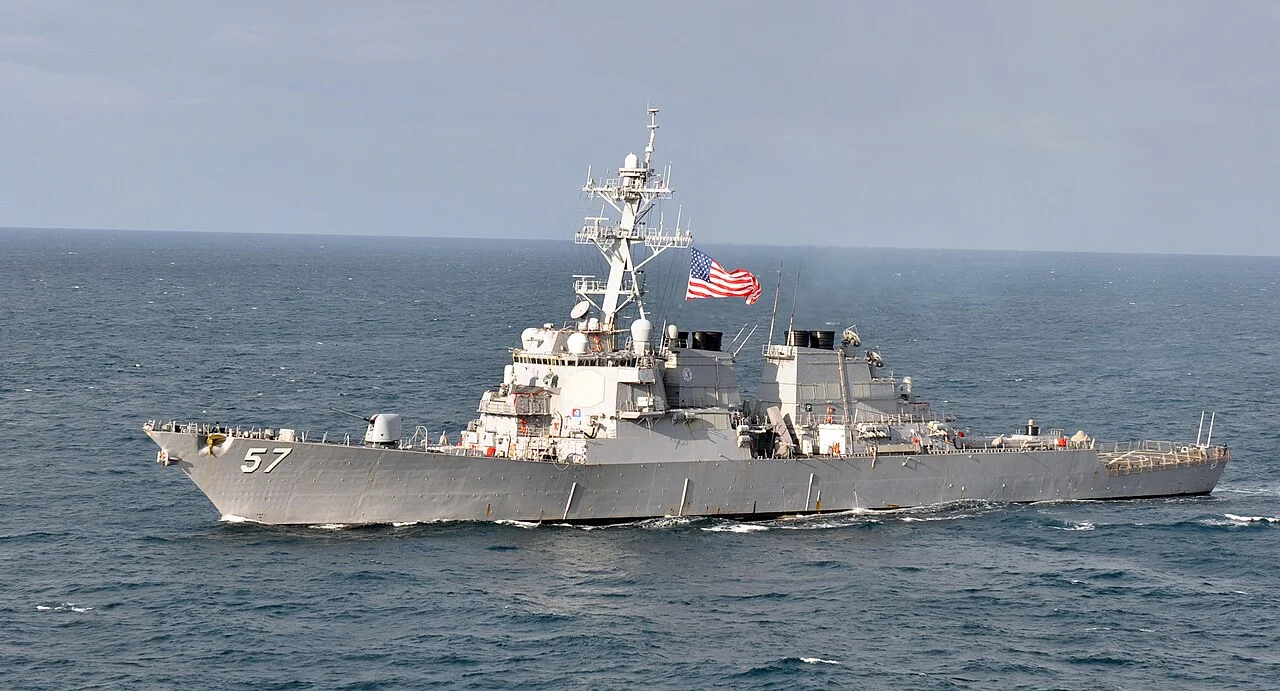
According to AP-sourced reporting in The Detroit News and Overt Defense, drawdowns are planned in the elements the United States assigns to the high-readiness pool in Europe under the headings below. The general stressed that the step is meant not to leave Europe undefended but to share responsibility more evenly.
| Element | Change |
|---|---|
| Fighter aircraft | About one-third reduction |
| Destroyers | Fewer committed to the pool |
| Submarines | Not committed to the crisis pool |
| Armed reconnaissance | Being drawn down gradually |
| The gap | Canada + Europe, with manned/unmanned aircraft and ships |
A Shift in Priorities: The Pacific and the Western Hemisphere
Grynkewich’s comments align with the strategic direction the United States has clarified in recent years. Washington wants to weight toward the Indo-Pacific, given China’s rise, and toward its own near abroad in the Western Hemisphere. That brings with it the expectation that Europe will shoulder more of its own conventional defence. The general said the transition would be gradual and coordinated, not happen “overnight.”
Why It Matters for Turkey
Turkiye fields NATO’s second-largest army and forms the core air and naval power on the alliance’s southeastern flank. A U.S. reduction in its European commitment creates a framework that increases the weight and responsibility of high-readiness allies such as Turkiye. That picture offers a foundation that supports Turkiye’s indigenous defence investments.
In air defence, SIPER, HISAR and the Steel Dome architecture; in air platforms, KAAN, HURJET and the unmanned aircraft family; and at sea, MILGEM and TCG Anadolu show that Turkiye can generate force without remaining dependent on foreign suppliers. With the gap in the allied pool to be filled by manned and unmanned platforms, this means both an operational role and an export window for the Turkish defence industry.
Frequently Asked Questions
What is the NATO Force Model? A force structure announced at the 2022 Madrid Summit that organises hundreds of thousands of troops into tiered high-readiness pools.
Is the U.S. fully withdrawing from Europe? No. The remarks concern a gradual withdrawal of some elements from the crisis pool and sharing responsibility with allies.
Who fills the gap? Manned and unmanned aircraft and naval platforms from Canada and European allies.
Bottom Line
Grynkewich’s comments point to a reshaping of burden-sharing in European defence. The U.S. shift in priorities brings high-capacity European allies — Turkiye included — to the fore, reinforcing the strategic importance of indigenous production and unmanned-system investment.