





Ukrainian Drones Strike Russian Corvette Boikiy off Saint Petersburg: Baltic Fleet Caught 1,100 km Deep

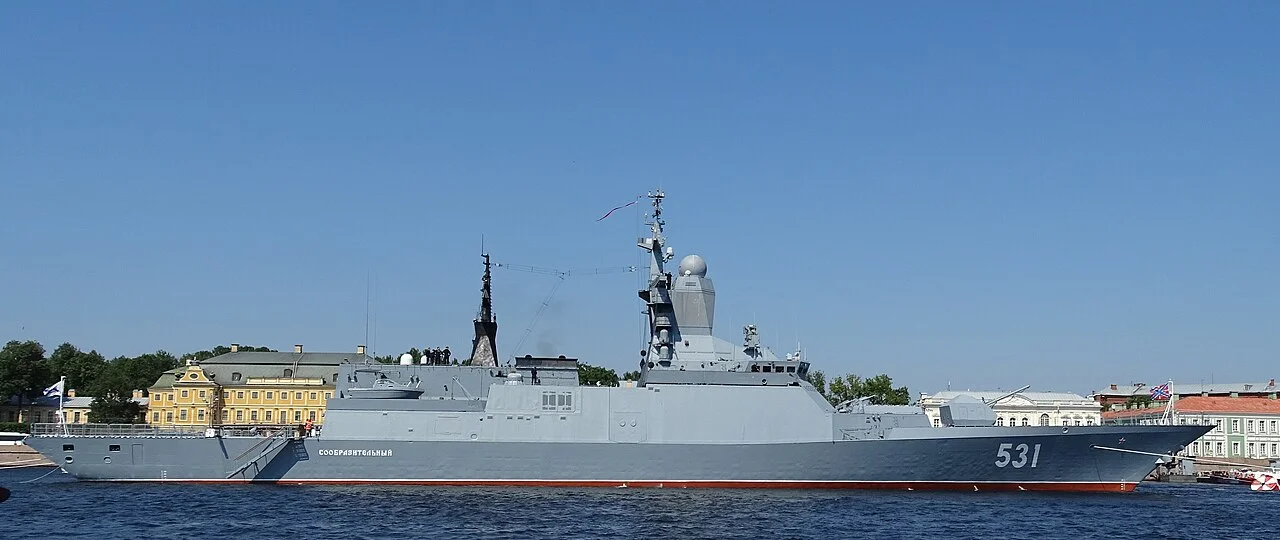
According to Naval News and Defense Express, the corvette Boikiy was berthed at a maintenance dock at Kronstadt at the time of the attack. In footage shared by Defence Blog, the ship is seen being hit amidships just aft of the superstructure, with a large fire breaking out after the impacts.
At a Glance
- When: 3 June 2026, morning
- Where: Kronstadt, near Saint Petersburg (Baltic Fleet)
- Target: Project 20380 Steregushchiy-class corvette Boikiy
- Armament: Corvette armed with Kh-35U anti-ship missiles
- Distance: ~1,100 km from the Ukrainian border
- Context: Part of a wider UAV wave on a Saint Petersburg oil terminal
Background: The Steregushchiy Class and Boikiy
According to technical data on Wikipedia, the Project 20380 Steregushchiy class is one of the Russian Navy’s modern multirole corvettes. Boikiy is fitted with Kh-35U cruise missiles for anti-ship operations. According to open-source analyses, the ship had been under planned maintenance since February 2026 and had been used to escort Russia’s “shadow fleet” tankers in the Baltic Sea.
The Strike in Detail
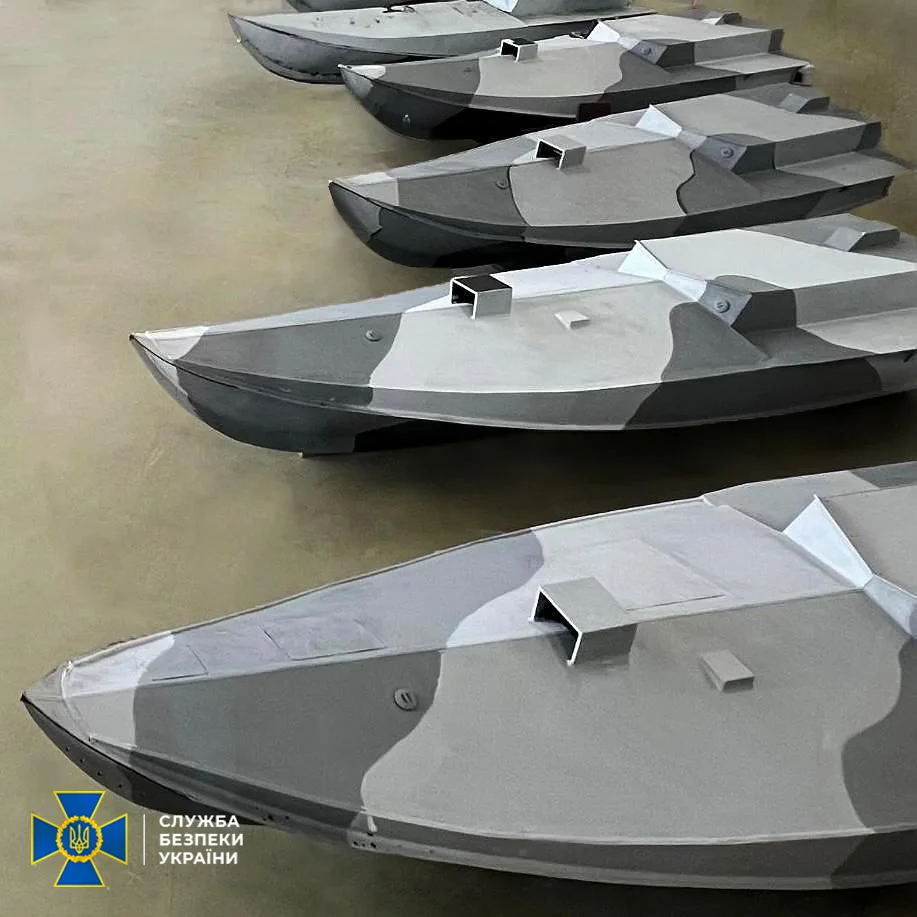
According to Ukrainian sources, the attack was carried out by the 1st Separate Center of Ukraine’s Unmanned Systems Forces. The primary target of the operation is said to have been the Saint Petersburg oil terminal, with the corvette struck as part of that larger effort. The timing also drew attention: the attack came shortly before the opening of a major economic forum in the city.
| Item | Detail |
|---|---|
| Date | 3 June 2026, morning |
| Location | Kronstadt maintenance dock |
| Target | Corvette Boikiy (Project 20380) |
| Attacking unit | 1st Separate Center, Unmanned Systems Forces |
| Impacts | At least twice, amidships; followed by fire |
A New Threshold in Naval Drone Warfare
The strike illustrates how far the reach and effect of unmanned systems have come. In the Black Sea, Ukraine has previously inflicted heavy losses on Russian naval assets with Magura- and Sea Baby-type naval attack drones. Hitting a corvette 1,100 kilometres inside the border in the Baltic shows operational depth extending well beyond the Black Sea.
Why It Matters for Turkey
Naval drones (USVs) are among the areas where Turkiye’s defence industry is investing rapidly. With armed and reconnaissance unmanned surface vessel programmes such as ULAQ, MARLIN, SALVO and MIR, Turkiye is one of the countries that positioned itself early in this domain. The Boikiy case again highlights the importance of layered defence against unmanned systems in coastal security, harbour defence and fleet protection.
As a Black Sea littoral state, these developments carry a direct security dimension for Turkiye. Both the development of naval drones and the capability to defend against them (anti-USV) look set to be defining themes of naval warfare in the period ahead.
Frequently Asked Questions
What class is Boikiy? One of the Russian Navy’s Project 20380 Steregushchiy-class multirole corvettes.
Where did the attack happen? At the Kronstadt naval base near Saint Petersburg, at a dock where the ship was under maintenance.
Why does the attack matter? Taking place roughly 1,100 km from the Ukrainian border, it underscores the operational depth of unmanned systems.
Bottom Line
The strike on Boikiy shows that in modern naval warfare unmanned systems can be decisive not only at the front line but deep in the rear, at bases far from the fight. The trend points to a new period of preparation for countries that both build naval drones and field defences against them.