GCAP Sixth-Gen Fighter Hits a Funding Cliff: 4,000 UK Engineers at Risk

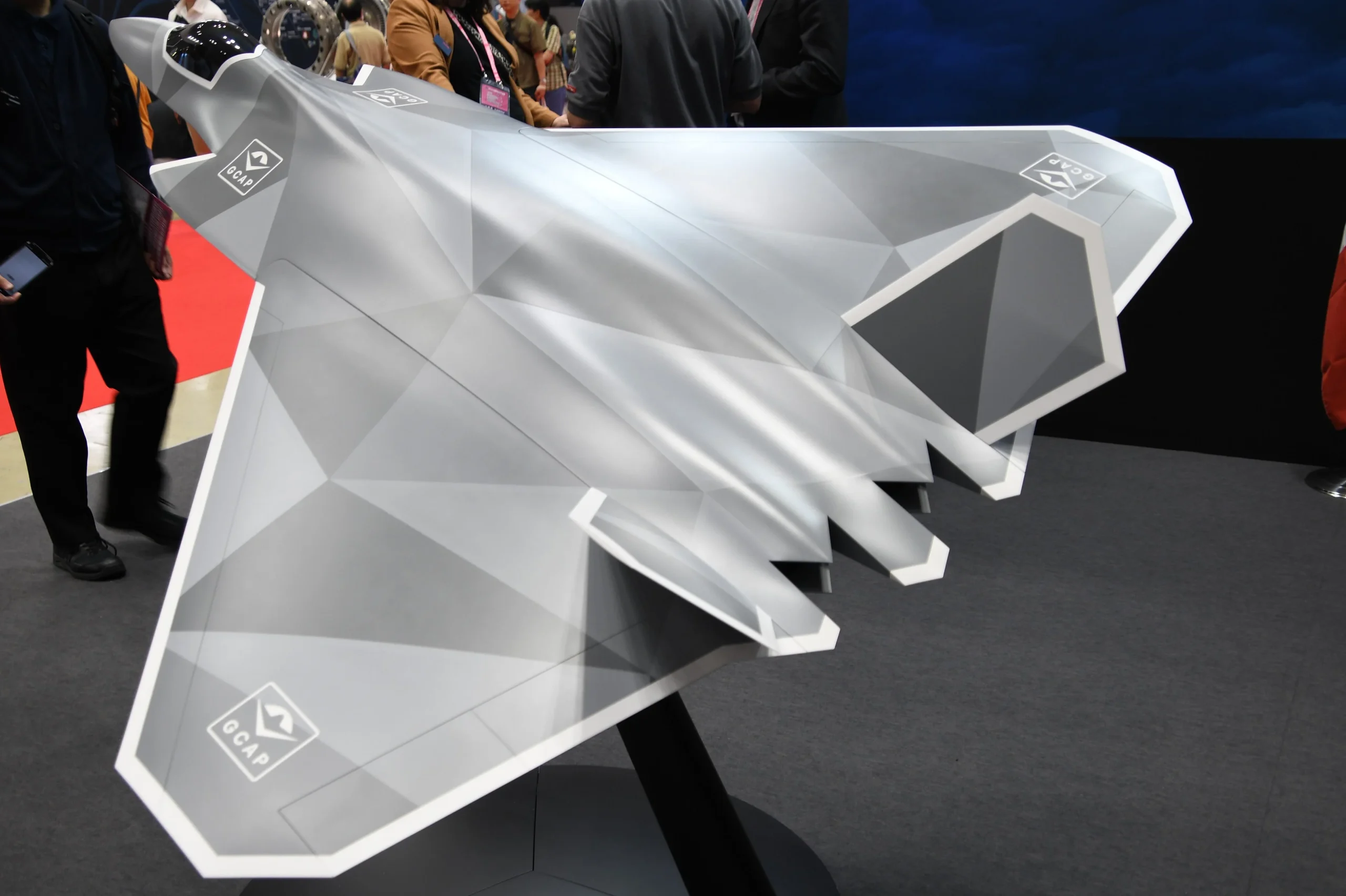
According to Defence Blog and international defence press (2 June 2026), the Global Combat Air Programme (GCAP) — the joint sixth-gen fighter known as “Tempest” in UK service — faces a fresh test as its funding window narrows. The roughly £686 million first major international contract awarded to Edgewing in April 2026 funded design and engineering work only through June 2026.
GCAP / Tempest sixth-generation fighter concept. Image: BAE Systems / GCAP.
At a Glance
- What happened? GCAP bridge funding expires end of June 2026
- Partners: UK + Italy + Japan
- Risk: 4,000+ engineers could be redeployed within 10 weeks
- Companies: BAE Systems, Rolls-Royce, Leonardo
- Demonstrator flight: end of 2027 (target)
- In service: 2035 (target)
What Is GCAP?
GCAP is the joint sixth-generation fighter programme announced by the UK, Italy and Japan in 2022. It targets low observability (stealth), manned-unmanned teaming with loyal-wingman drones, advanced sensor fusion and open-architecture software. Industry work runs through BAE Systems and Rolls-Royce (UK), Leonardo and Avio Aero (Italy) and Mitsubishi Heavy Industries and IHI (Japan), consolidated under the “Edgewing” joint venture.
Estimated programme value exceeds €56 billion. The demonstrator is to fly by the end of 2027 and the production aircraft to enter service in 2035 — Britain’s first combat-air prototype since the Eurofighter era.
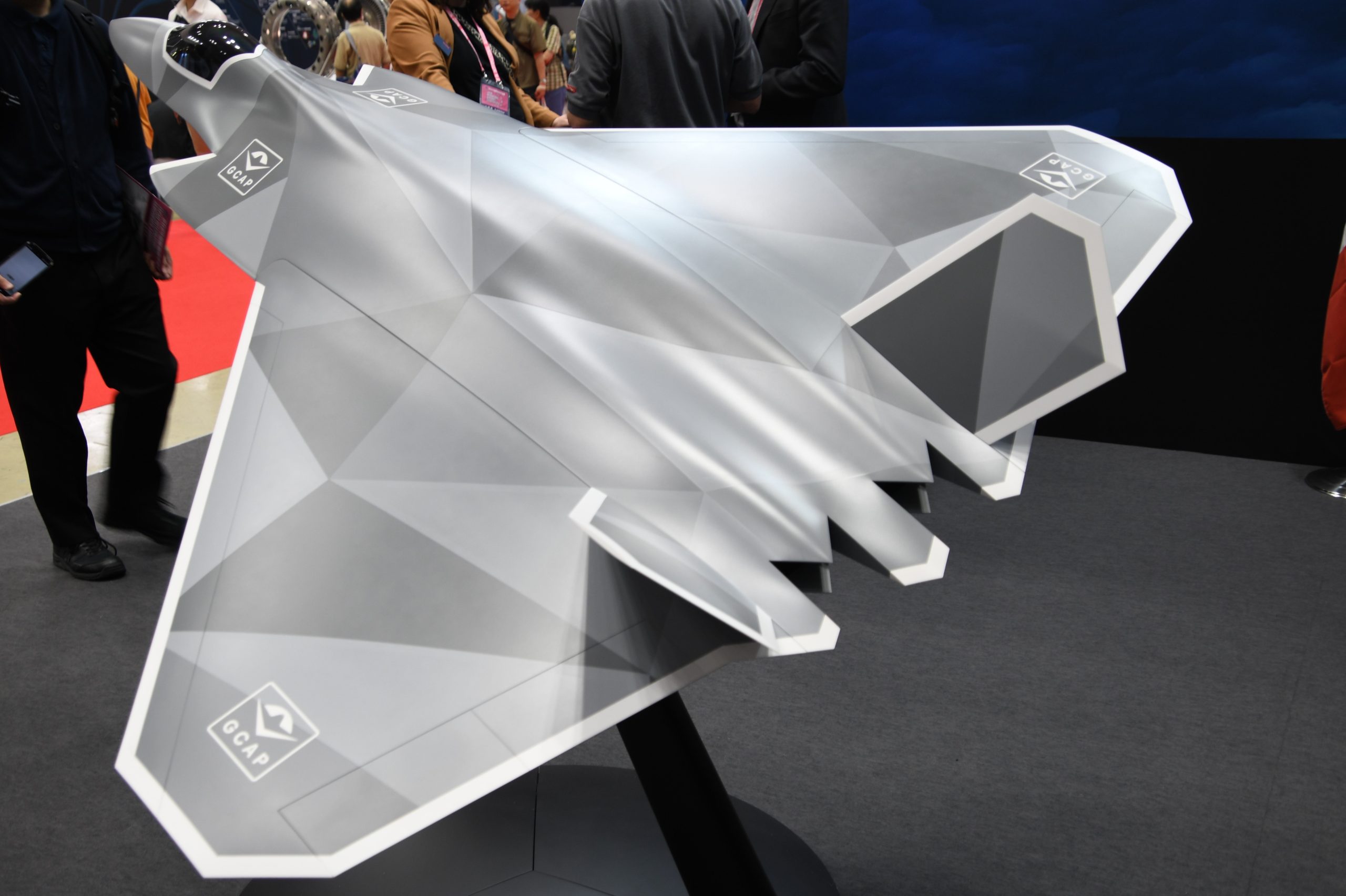
GCAP is jointly developed by the UK, Italy and Japan, with industry consolidated under Edgewing. Image: BAE Systems.
Why the Funding Crisis?
BAE executive Herman Claesen warned that companies could be forced to redeploy engineers if long-term contracts are not finalized. More than 4,000 personnel across BAE Systems, Rolls-Royce and Leonardo work on the programme in Britain; if that pool disperses, reassembling it could take years.
The root cause is a delay to the UK’s Defence Investment Plan — expected to set out long-term GCAP funding — amid broader budget pressures. Italy’s and Japan’s concerns stem from that uncertainty: hesitation by one partner can jeopardize the entire trilateral effort.

A sixth-generation GCAP/Tempest concept rendering. Image: BAE Systems / GCAP.
Regional Context
The sixth-gen race is not limited to GCAP; the U.S. NGAD, the Franco-German-Spanish FCAS and several national programmes share the same lane. GCAP’s funding wobble underlines how fragile multinational mega-programmes can be to political budget cycles — and how national programmes that keep funding and decisions under one roof can gain a timing edge.