US to Have Warship Hulls Built in Asia: $1.85 Billion for Japan and South Korea

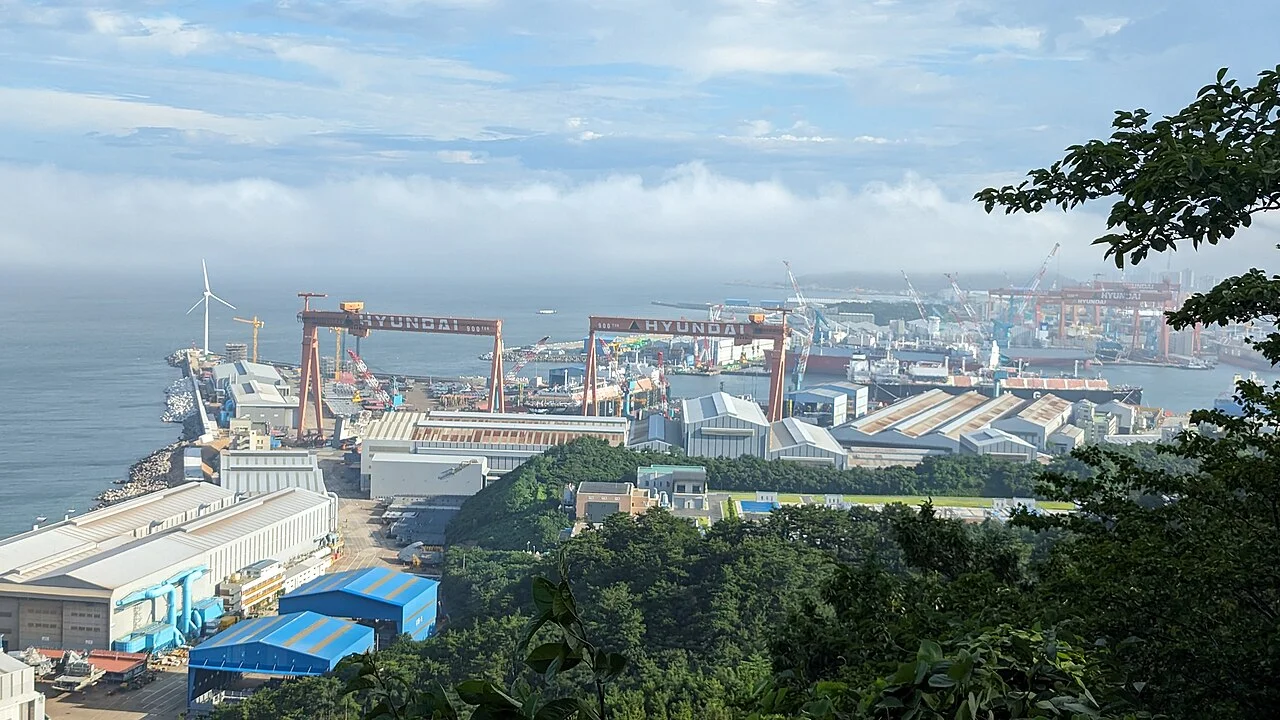
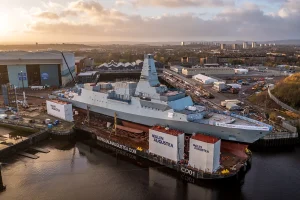
According to Naval News and Army Recognition, the plan would have basic blocks such as hulls, main machinery spaces and electrical systems built at allied Asian yards, while weapons and sensitive-system integration is completed in the United States. U.S. law bars the purchase of fully foreign-built warships without a presidential waiver and congressional approval, which is why the model is structured this way.
At a Glance
- Who: U.S. Department of Defense (Pentagon)
- What: Building basic ship structures at allied Asian yards
- Amount: ~$1.85 billion (FY2027 budget request)
- Where: South Korean and Japanese shipyards
- Scope: Hull + machinery + electrical for up to two vessels
- Why: U.S. yards running 1-4 years behind
Background: America’s Shipyard Problem
The U.S. Navy’s shipbuilding programmes have struggled for years with supply-chain, workforce and capacity problems. According to The Korea Herald and Breaking Defense, many programmes are running one to four years behind on delivery schedules. Turning to allied yards in Asia is seen as a practical move to close that gap in the short term.
The Details: How the Model Works
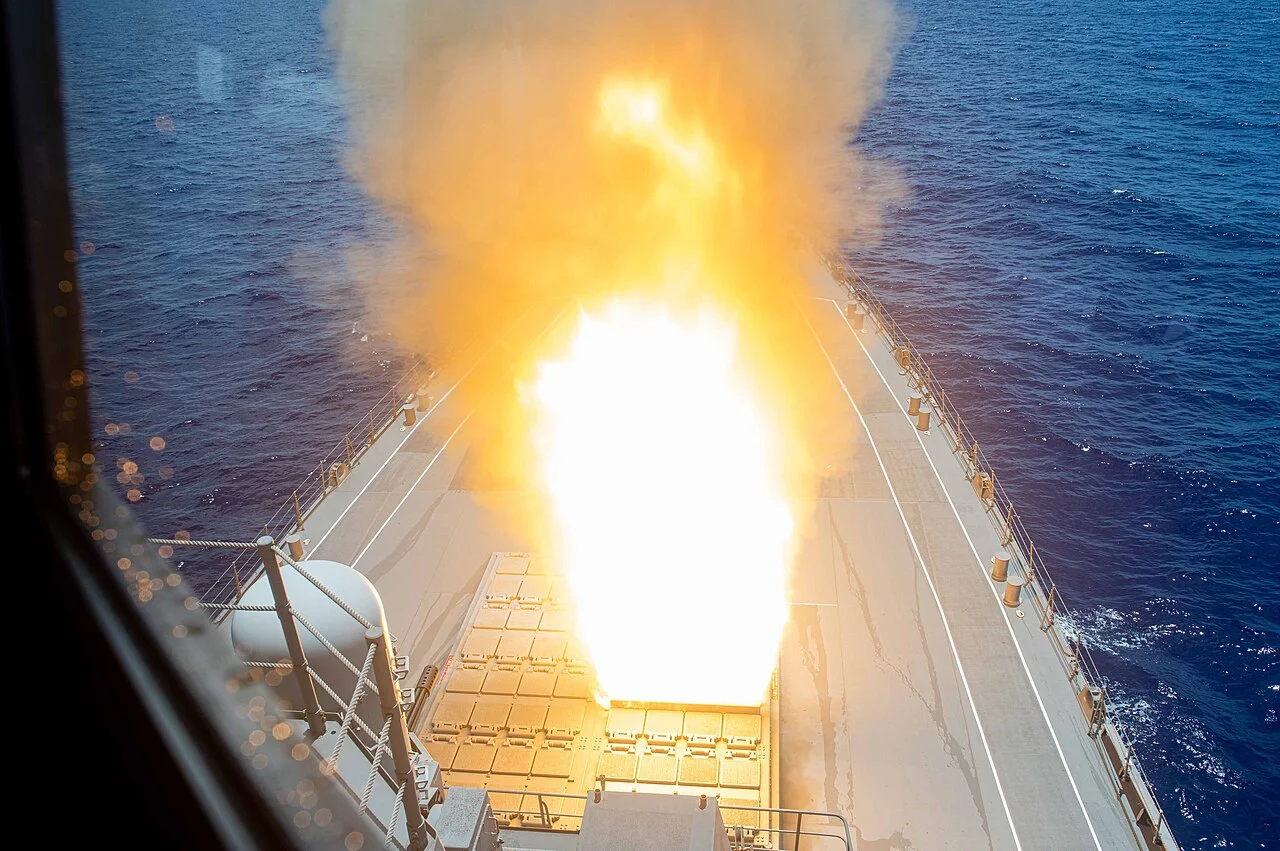
Under the plan, basic structures would be built in Asia and brought to the United States, with critical integration and arming carried out domestically. That allows both the legal restrictions to be navigated and sensitive technology to remain under U.S. control. Officials stress the model is not a lasting foreign dependency but a temporary bridge until domestic capacity recovers.
| Item | Detail |
|---|---|
| Budget line | ~$1.85 billion (FY2027 request) |
| Build location | South Korean and Japanese yards |
| Scope | Basic structures for up to 2 vessels |
| Integration | Weapons and sensitive systems in the U.S. |
| Legal framework | Presidential waiver + congressional approval needed |
Reciprocal Investment: Allied Yards in the U.S.
One leg of the model is reciprocal investment. Asian yards are expected to invest in U.S. shipbuilding infrastructure. Indeed, South Korea’s Hanwha group took such a step by acquiring Philly Shipyard in the United States. The approach can be read as the U.S. both renting capacity in the short term and strengthening its domestic shipyard base with foreign capital over the long term.
Why It Matters for Turkey
America’s need to have warship hulls built abroad shows once more that shipbuilding capacity is a strategic resource. Turkiye built its own base in this field years ago. The MILGEM programme created an indigenous warship design-and-production chain; ADA-class corvettes have been exported to countries including Malaysia, Pakistan and Ukraine; and large platforms such as TCG Anadolu were built in domestic yards.
Projects run by institutions such as STM and ASFAT show the Turkish naval sector feeds not only domestic demand but a growing international market. With the world’s largest defence budget, the United States turning to allied yards for hull construction underscores the value of an export-oriented, self-sufficient shipbuilding base.
Frequently Asked Questions
Why is the U.S. building ships abroad? To close capacity and schedule gaps at domestic yards in the short term.
Will the entire ship be built overseas? No. Only the basic structures; weapons and sensitive-system integration is completed in the United States.
Is this a permanent solution? Officials say no; it is a temporary bridge until domestic capacity recovers.
Bottom Line
America’s turn to allied yards in Asia shows how critical a resource shipbuilding capacity is. Turkiye’s indigenous-production and export base stands out as one of the notable points of comparison in this picture.