A historic US Army request: 857 THAAD interceptors, eyes on the Indo-Pacific


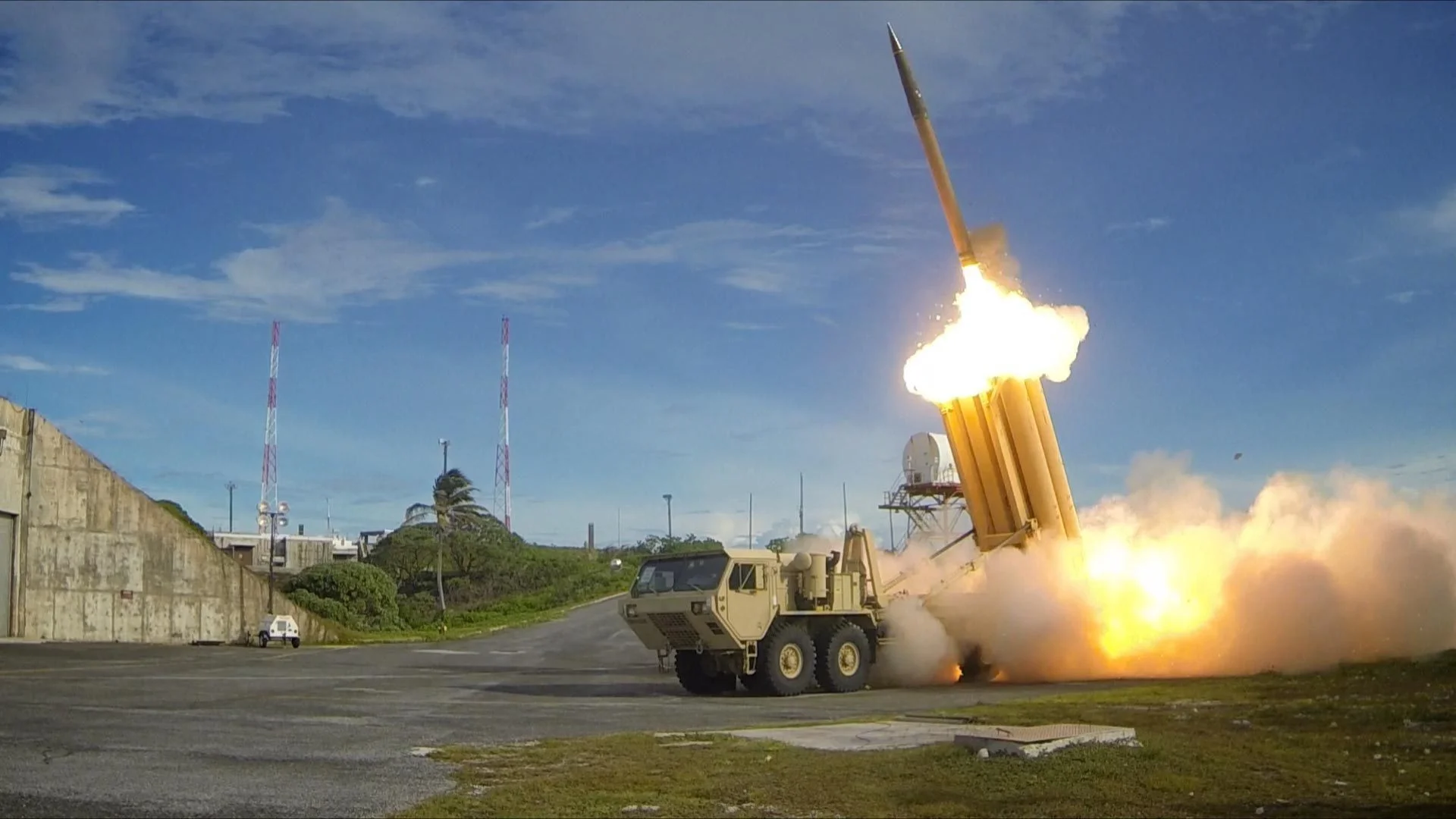
The US Army has requested 857 THAAD air-defense interceptors in its FY27 budget — up from just 55 the previous year. Aimed at strengthening the Indo-Pacific against China’s vast ballistic-missile inventory, it could be one of the largest THAAD orders in program history.
At a Glance
- What: US Army FY27 THAAD interceptor request
- Quantity: 857 interceptors (just 55 in FY26)
- Focus: Indo-Pacific — bases in Guam and South Korea
- Threat: China’s DF-21/DF-26 ballistic missiles
- Production: Lockheed Martin targets 96 → 400 interceptors/year
A THAAD request on a historic scale
The US Army is requesting 857 THAAD interceptors in its FY27 budget proposal, with 830 funded through mandatory appropriations. In FY26 only 55 interceptors were funded; the jump to 857 makes this one of the largest THAAD orders in US Army history.
The unprecedented procurement aims to bolster protection against long-range ballistic-missile threats and reinforce deterrence across the Indo-Pacific. The interceptors would protect US bases and installations at locations such as Guam and South Korea.
Why the Indo-Pacific?
The request comes as China’s People’s Liberation Army Rocket Force has built one of the world’s largest conventional ballistic-missile inventories, with the DF-21 and DF-26 among the most significant threats. To meet demand, Lockheed Martin has begun building a new facility (Building 47) in Troy, Alabama, intended to raise THAAD production from 96 to 400 interceptors per year.
| Item | Value |
|---|---|
| Request | 857 THAAD interceptors (FY27) |
| Mandatory funding | 830 interceptors |
| Previous year | FY26: 55 interceptors |
| Focus region | Indo-Pacific (Guam, S. Korea) |
| Target threat | China DF-21 / DF-26 |
| Production goal | 96 → 400 interceptors/year |
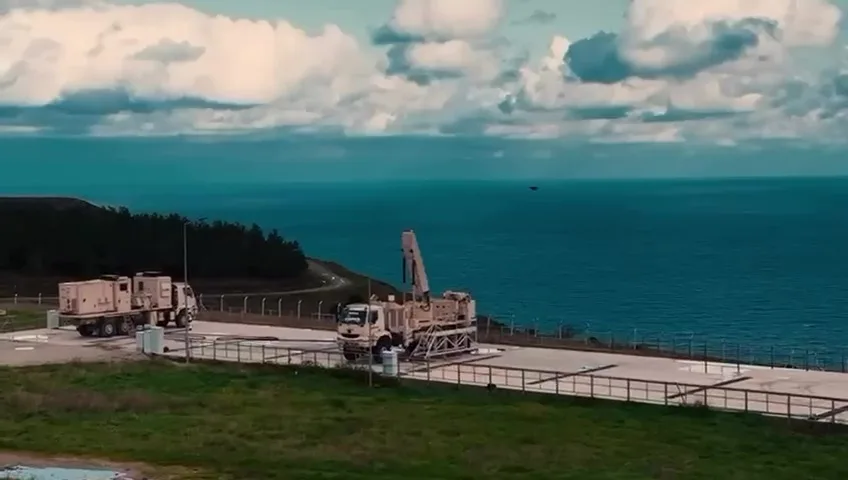
This massive investment in ballistic-missile defense shows how central air and missile defense has become to modern deterrence. Turkey, too, is building its layered architecture with the indigenous SİPER long-range system, the HİSAR family and the ÇELİK KUBBE concept, advancing toward reduced foreign dependency in this critical domain.
Sources
- Army Recognition
- Defence Industry Europe
- RealClearDefense