Russia’s record strike on Ukraine: 73 missiles, 656 drones and 8 Zircon hypersonics
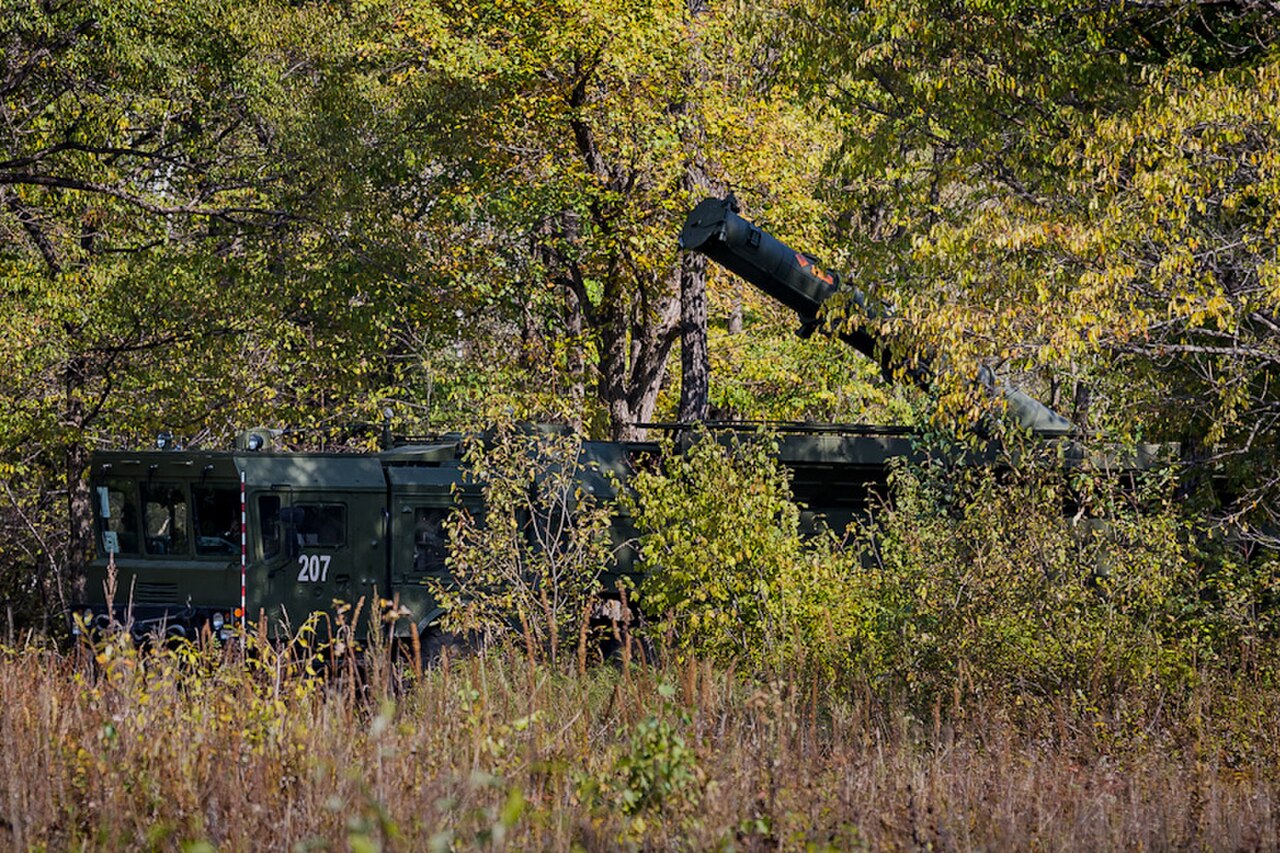
Russia launched one of the war’s largest aerial assaults on the night of June 2: 73 missiles and 656 drones struck 38 locations across Ukraine, including — for the first time — eight Zircon hypersonic missiles. At least 16 people were killed; Ukraine downed 40 missiles and 602 drones.
At a Glance
- What: Combined Russian missile + drone wave
- Scale: 73 missiles + 656 drones, 8 Zircon hypersonics (a record)
- Where: Kyiv, Dnipro, Poltava, Kharkiv, Zaporizhzhia — 38 sites
- Toll: 16+ killed; Ukraine downed 40 missiles + 602 drones
- Key: Targeted depleted Patriot stocks after the Iran conflict
One of the most intense nights of the war
On the night of June 2, Russian forces unleashed a massive aerial assault combining ballistic and cruise missiles with attack drones. According to the Ukrainian Air Force, the strike involved 73 missiles and 656 drones — and, for the first time, eight 3M22 Zircon hypersonic cruise missiles, the heaviest known single-night use of the weapon.
The attack targeted 38 separate locations, striking energy infrastructure and military facilities in Kyiv, Dnipro, Poltava, Kharkiv and Zaporizhzhia. Early reports put the death toll at at least 16, with dozens wounded.
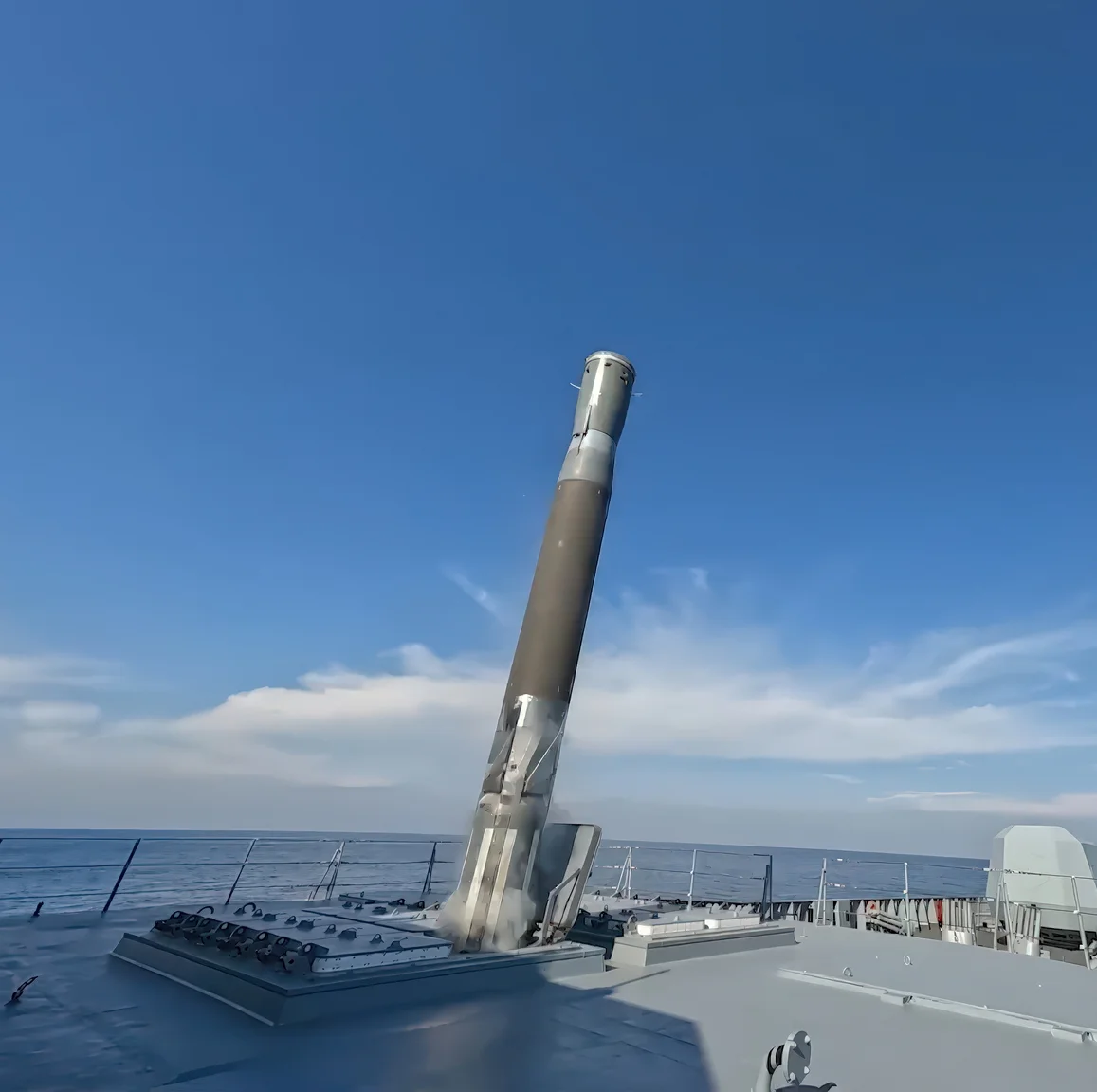
The hypersonic card: Zircon
Launched from naval platforms, the 3M22 Zircon reaches roughly Mach 9 (~11,000 km/h) with a 1,000 km range, posing a severe challenge to existing air defenses. Its manoeuvrability and extreme speed make interception far harder than for conventional ballistic missiles.
Why Patriot stocks are the target
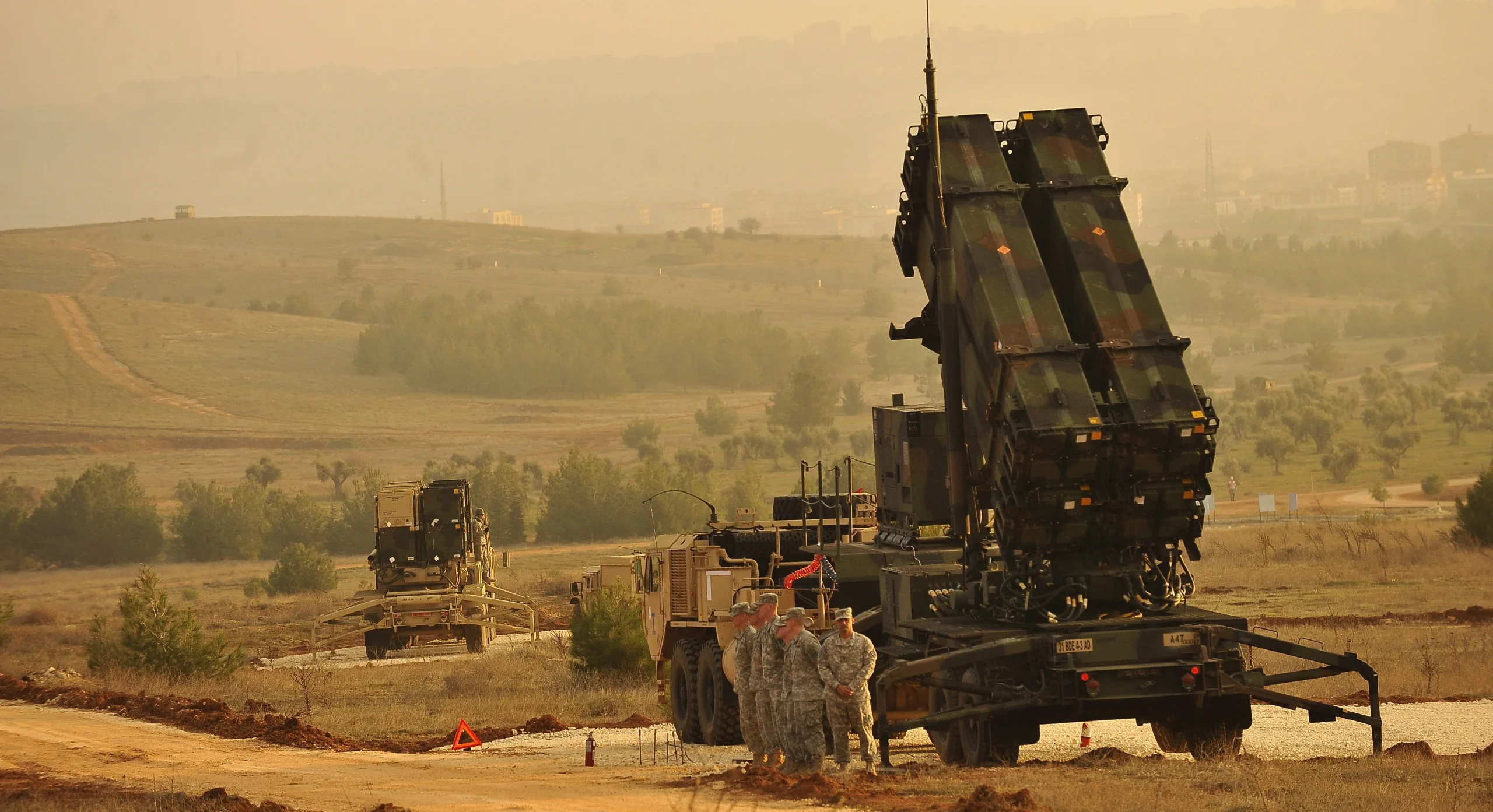
The timing is notable. The recent crisis with Iran reportedly consumed a significant share of Patriot interceptors, leaving Ukraine’s air-defense inventories under strain. Russia’s high-volume “saturation” strikes are designed to exploit exactly that gap: burn down expensive interceptors with swarms of cheap drones, then deliver the real blow with missiles.
| Item | Value |
|---|---|
| Strike volume | 73 missiles + 656 drones |
| Hypersonics | 8 × 3M22 Zircon (~Mach 9, 1,000 km) |
| Target sites | 38 (Kyiv, Dnipro, Poltava, Kharkiv, Zaporizhzhia) |
| Ukrainian defense | 40 missiles + 602 drones downed |
| Casualties | 16+ killed, many wounded |
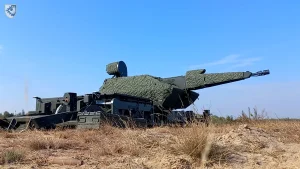
The clearest lesson of layered attacks is that the answer is not to meet cheap drones with costly missiles, but to field an affordable, layered, high-throughput architecture. Turkey’s ÇELİK KUBBE integrated air-defense concept and the tiered HİSAR/SİPER family are built on precisely that logic.
Sources
- Defense Express (en.defence-ua.com)
- Breaking Defense
- Army Recognition