UK Unveils £752 Million Ukraine Package: 150,000 Drones and Over 350 Air Defense Missiles

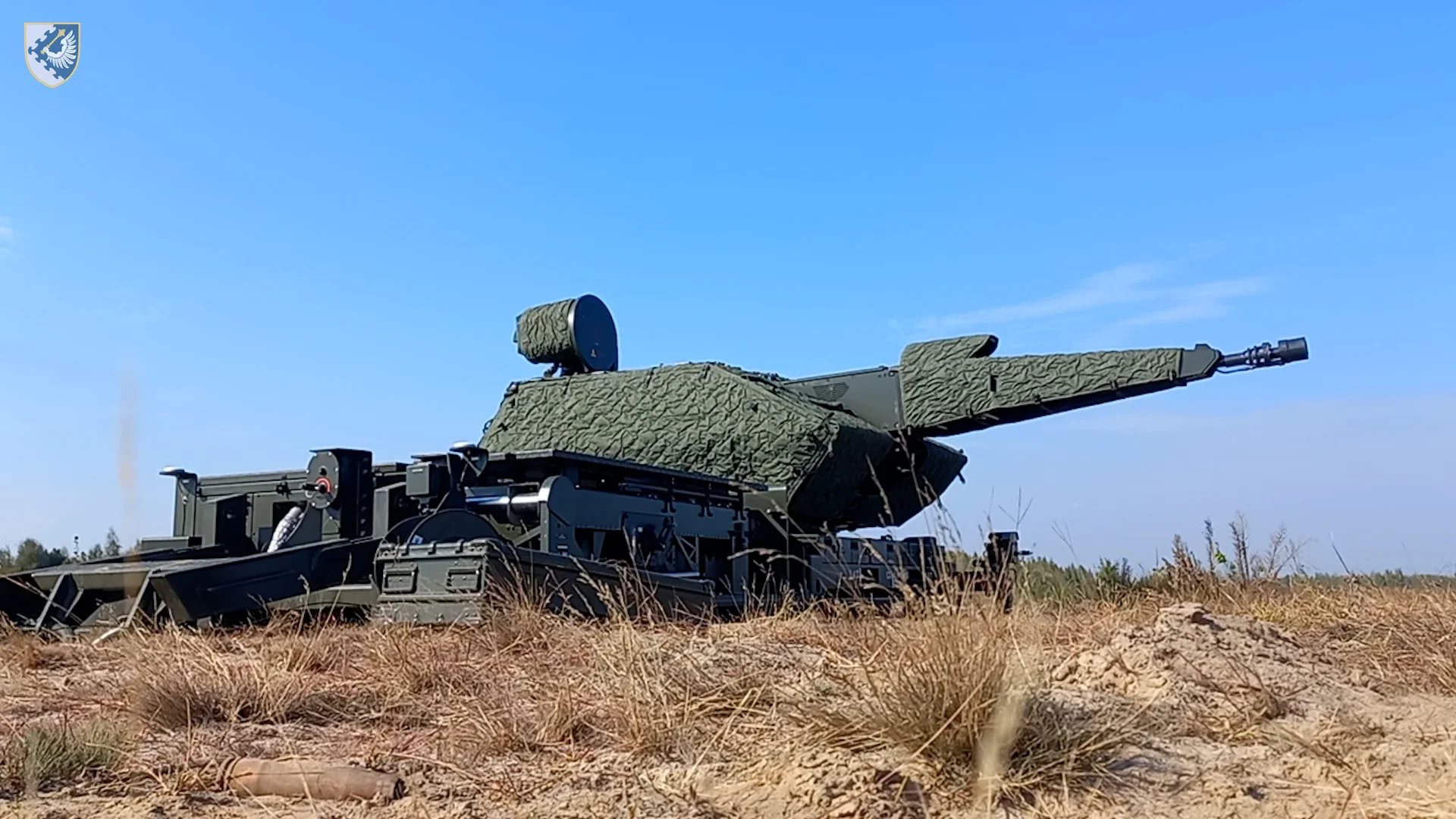
The United Kingdom has announced a £752 million military aid package for Ukraine. Unveiled at the Ukraine Defense Contact Group (UDCG) meeting in Brussels, the package provides for 150,000 drones, more than 350 air defense missiles and advanced radar systems to be delivered by the end of 2026.
According to Army Recognition’s 18 June report, the package was announced by UK Defense Secretary Dan Jarvis and Ukrainian President Volodymyr Zelensky. That it was delivered within the UDCG framework — which gathers the countries supporting Ukraine — and formally announced by the UK government means the development is corroborated by more than one source.
What is in the package?
The most striking line item is the supply of 150,000 drones. The figure shows how, on the Ukrainian battlefield, drones have shifted from a supporting tool to a decisive combat element. Used across a wide spectrum — from reconnaissance and strike to electronic warfare and kamikaze attacks — unmanned systems now shape much of the engagement along the front.
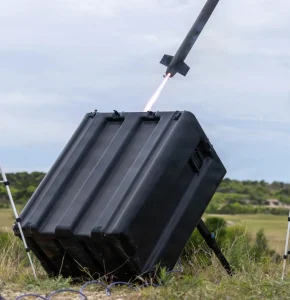
The second main component is more than 350 air defense missiles. Among them, the Thales UK-built Lightweight Multirole Missile (LMM) stands out. A relatively low-cost, fast-reacting missile, the LMM is used against threats such as drones and cruise missiles, and can be integrated with the tracked air defense vehicles known in British service as Stormer HVM. The package also includes advanced ground-based radar systems intended to detect low-altitude threats.
Funding: frozen Russian assets
The financing is a point the announcement specifically emphasizes. The aid is funded through the Extraordinary Revenue Acceleration (ERA) mechanism, backed by proceeds from immobilized Russian sovereign assets, as part of the UK’s total £2.26 billion commitment. The approach reflects a Western trend of supporting Ukraine through returns on frozen Russian assets rather than from national budgets.
Defense Secretary Dan Jarvis also noted that part of the funding is earmarked to support Ukraine’s own defense-industrial production. That signals the package aims not only at delivering ready-made systems but at strengthening Ukraine’s domestic manufacturing capacity.
A change in command structure
Beyond the materiel, the meeting carried one more development. Major General Tom Bateman was announced to assume command of the Multinational Force for Ukraine Headquarters (MNF-U) next month as a Lieutenant General. The step can be read as a sign that multinational military coordination for Ukraine continues to institutionalize.
Why it matters for Turkey and the region
For Turkey, a Black Sea littoral state, the course of the war in Ukraine carries direct security implications. Procurement in air defense and drones shapes both the regional balance and technology trends. Since the outset of the war, Turkey has contributed to Ukraine’s defense with unmanned systems such as the Bayraktar TB2 while seeking to maintain a neutral diplomatic line.
The UK’s commitment of 150,000 drones underscores just how large the scale of drone warfare has grown. That scale once again highlights the strategic weight of the unmanned-systems and air defense domains in which the Turkish defense industry has also concentrated. Tactics and technologies tested on the battlefield are likely to influence future procurement choices and doctrine.
| Item | Detail |
|---|---|
| Total value | £752 million |
| Drones | 150,000 units |
| Air defense missiles | More than 350 (including Thales LMM) |
| Radar | Advanced ground-based detection systems |
| Funding | ERA mechanism (frozen Russian assets) |
| Delivery | By the end of 2026 |
| Announcement | UDCG, Brussels, 18 June 2026 |
The scale of drone war and the frozen-asset model
The figure of 150,000 lays bare the industrial scale that drones have reached in modern combat. On the Ukrainian battlefield, drones are no longer expensive, numerically limited platforms; they are used with the logic of cheap, rapidly produced consumables expended in large quantities. FPV drones — spent on one reconnaissance run, diving onto a target on the next — have begun to substitute for artillery fire. A number like 150,000 is therefore not hyperbole but a supply figure proportional to the daily consumption rate of the front.
The package’s funding model carries its own significance. The ERA mechanism, which channels returns on immobilized Russian sovereign assets into Ukraine’s defense, is a concrete example of Western efforts to provide support without burdening national budgets. The model seeks to shift part of the war’s cost onto the aggressor’s frozen resources. At the same time, the share earmarked for strengthening Ukraine’s own defense industry — alongside ready-made deliveries — points to a longer-term goal of self-sufficiency.
Open-source verification notes
The package contents, value and funding method rest on Army Recognition’s 18 June report and the UK government’s announcement. Drone and missile counts, the total figure (£752 million) and the ERA mechanism were compiled from those sources. The LMM’s manufacturer (Thales UK) and its integration with Stormer HVM were confirmed against the system’s public technical information. The exact number of radar systems was not specified in the announcement and is therefore not presented as confirmed.
Sources
- Army Recognition — “UK to Deliver 150,000 Drones, 350 Air Defence Missiles and Radars to Ukraine by 2026”, 18 June 2026 (package contents and value).
- UK Ministry of Defence — UDCG announcement (announcement, funding and command change).
- Thales UK — LMM and Stormer HVM public product information (technical data).