NATO’s Air Defense Interoperability Problem Has a New Answer: Lockheed’s Plug-and-Play GBAD Network

- Consortium: Lockheed Martin UK (lead) + Leonardo + MBDA + Indra
- Nations: Romania, Denmark, Germany, Greece, Hungary, Italy, Netherlands, Norway, Slovenia, Spain, UK (US as observer)
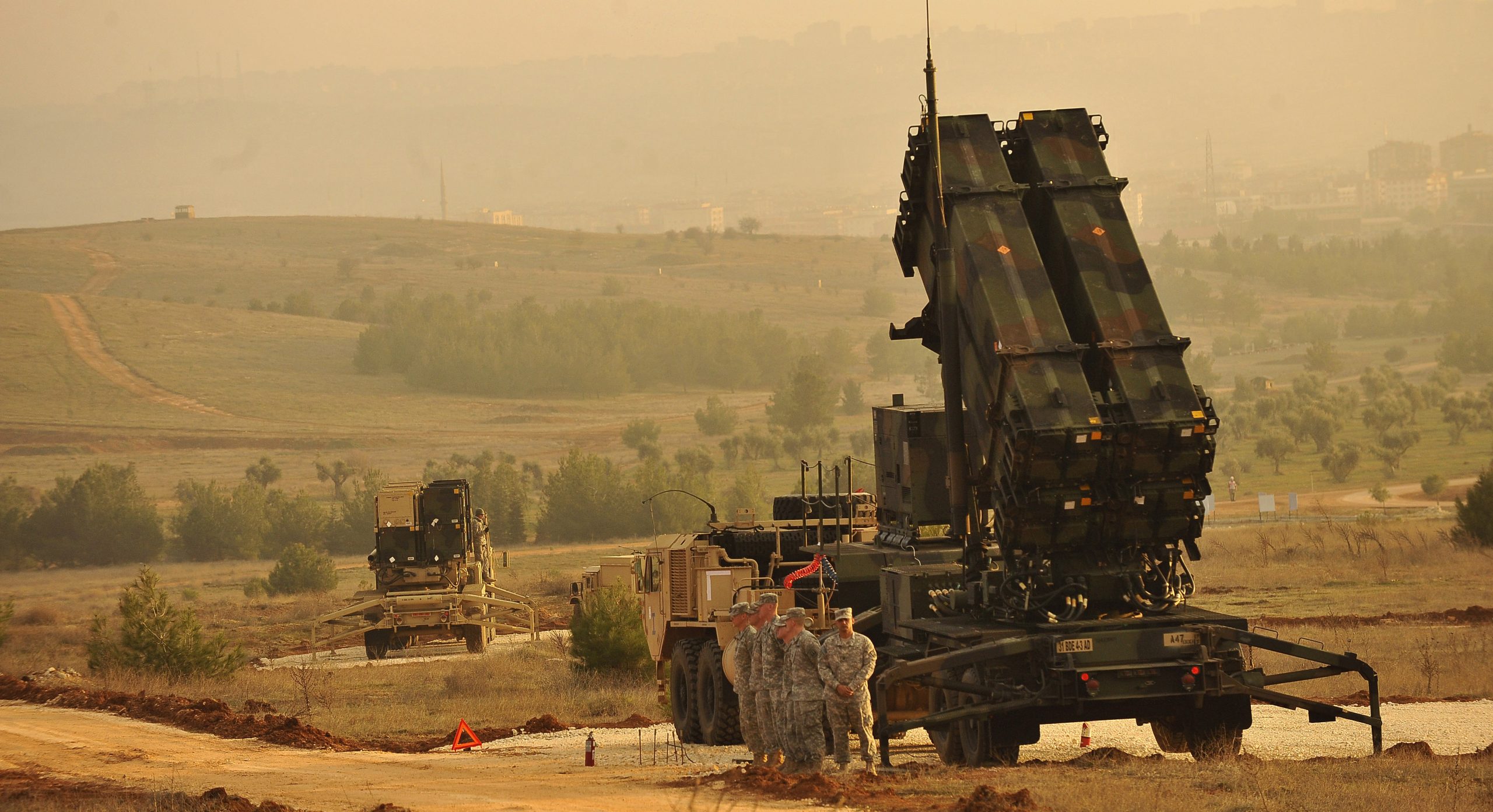
- Goal: Seamless interoperability between Patriot, SAMP/T, IRIS-T and lower-end systems
- Method: Software adapter layer — no hardware modifications required
- Funding: €20 million initial (2023); Phase 2 (12 months) ongoing
- Inspiration: Ukraine’s combat-proven Delta multi-domain data integration system
A Problem Three Decades in the Making
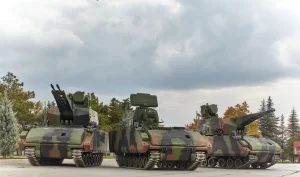
NATO’s air defense architecture has a structural flaw that dates back to the Cold War: member states acquired their primary systems from different national industries, each with proprietary command-and-control interfaces. Germany fields IRIS-T and Patriot variants; Italy and France jointly operate SAMP/T; smaller members operate national short-range systems with their own data standards. When these forces deploy together, they can physically occupy the same operational area while remaining informationally isolated — unable to hand off targeting data, unable to build a shared threat picture in real time.
Ukraine’s war exposed how lethal this friction can be. Kyiv’s Delta system, developed under fire conditions, became the proof-of-concept that the alliance needed: a software layer that ingests feeds from disparate sensor types and fuses them into a single operational view. Delta wasn’t elegant; it was built fast by necessity. What the Lockheed-led consortium is proposing is the institutionalized NATO version — engineered, standardized, and scalable across the full alliance inventory.
Richard Turner, Lockheed Martin UK’s representative for the program, framed the core principle simply: “A nation with system A operating alongside another nation with system B can seamlessly operate and share data.” The architecture achieves this not by replacing platform-level software, but by adding a standardized interface layer that translates between proprietary protocols — the same approach that made TCP/IP the universal language of the internet.

Architecture, Phases, and What Comes Next
The proposed architecture builds a layered mesh: high-end systems (Patriot, SAMP/T, IRIS-T) occupy the top tier, feeding their long-range tracking data upward; anti-drone platforms, acoustic detectors, and distributed radar networks fill the lower tiers. The software layer sits between all of them, normalizing data formats and routing threat information to whichever command node is best positioned to act on it. Critically, adding a new system to the network requires only the integration of that system’s adapter module — the rest of the network remains unchanged.
Phase 1, funded at €20 million from a 2023 authorization, completed its feasibility and architecture study in 2025. Phase 2 is now running — a twelve-month intensive modelling and simulation effort to test the modularity claims under realistic operational scenarios. Phase 3 will bring emerging sensor technologies into the integration loop and move toward operational testing. The consortium has emphasized throughout that this is an additive capability, not a replacement program — a distinction that matters considerably when defense budgets across all eleven participating nations are under pressure.
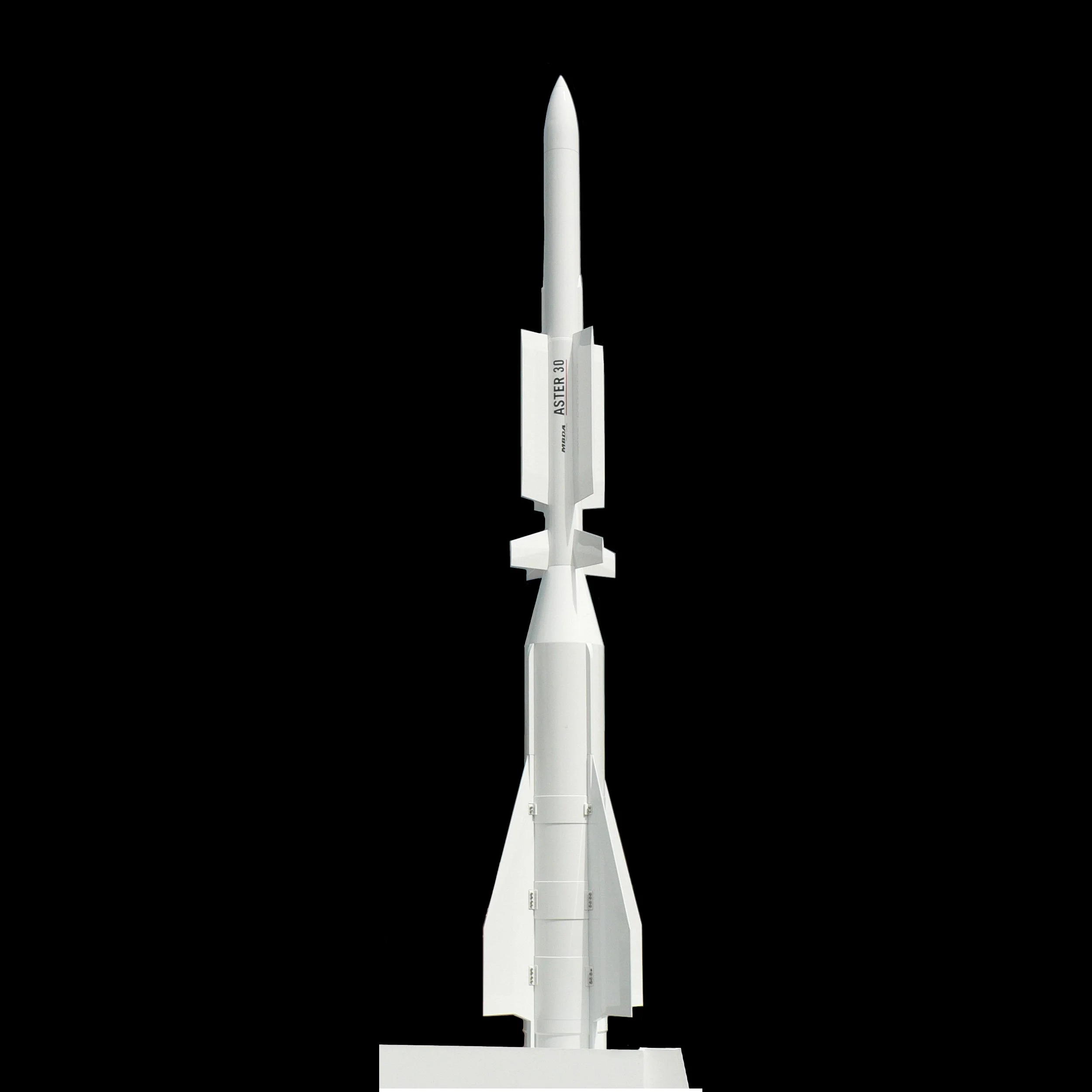
The eleven participating nations notably exclude Turkey, the second-largest standing army in NATO. Ankara’s position is an interesting one: it operates modified Patriot-compatible systems within the alliance framework while simultaneously developing fully sovereign alternatives — HİSAR (short-to-medium range, ASELSAN) and SİPER (long-range, ASELSAN/Roketsan). If the GBAD architecture matures into a NATO standard, the degree to which these systems are designed with open, interoperable interfaces could determine their visibility in multinational exercises and coalition operations. That is not an irrelevant consideration for Turkey’s defense export ambitions.