


27 Years in Dry Dock: Russia’s Nuclear Battlecruiser Admiral Nakhimov Finally Puts to Sea

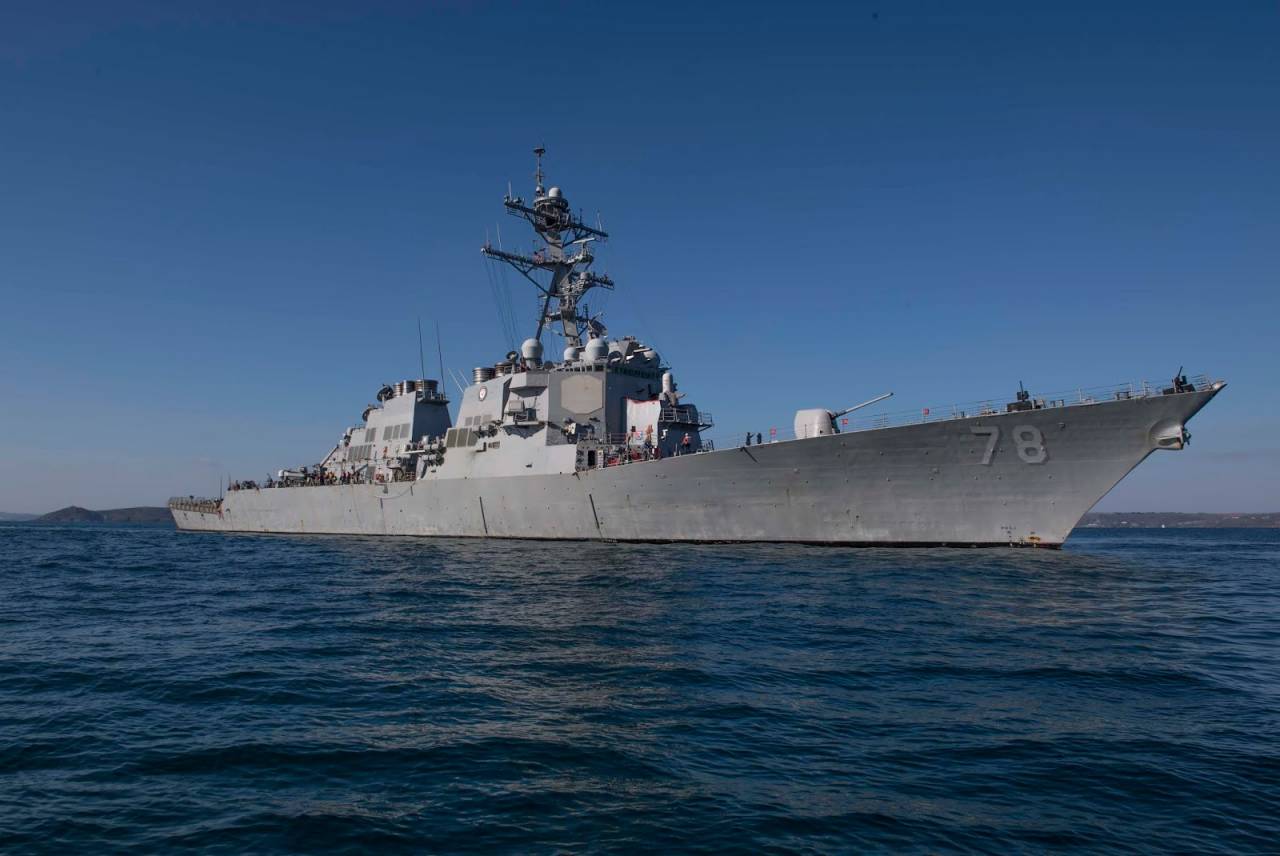
- Original commission: December 30, 1988 (as Kalinin)
- Overhaul started: 1999 at Sevmash Shipyard
- Sea trials departure: May 31, 2026
- Displacement: ~28,000 tons / 251 m length
- Weapons: 80 strike VLS (Kalibr/Oniks/Zircon) + 96 air defense + 6 Pantsir-M
- Cost overrun: ~50B rubles contracted → ~200B rubles actual
The Ship That Outlasted an Empire
The Soviet Union that ordered Nakhimov’s construction no longer existed by the time the overhaul began. The Russian Federation that inherited the Kirov-class fleet had neither the funds nor the strategic clarity in the 1990s to decide what to do with a Cold War-era surface combatant whose entire original purpose — hunting U.S. carrier groups in the North Atlantic — had become geopolitically obsolete overnight. Some within the Russian Navy argued for scrapping; others for indefinite deferral. Nakhimov sat at Sevmash, slowly becoming a case study in modernization by inertia.
What changed the calculus, gradually, was Russian strategic reassertion in the Arctic and a renewed emphasis on bastion defense for the Northern Fleet’s SSBN force. The Borei-class nuclear submarines that carry Russia’s sea-based strategic deterrent need to operate in relatively protected waters in the Barents and Kara Seas — and protecting them requires a surface combatant capable of projecting substantial air defense and anti-submarine coverage. Nakhimov, for all the expense and delay, fits that requirement in a way that no number of frigates or destroyers could replicate.
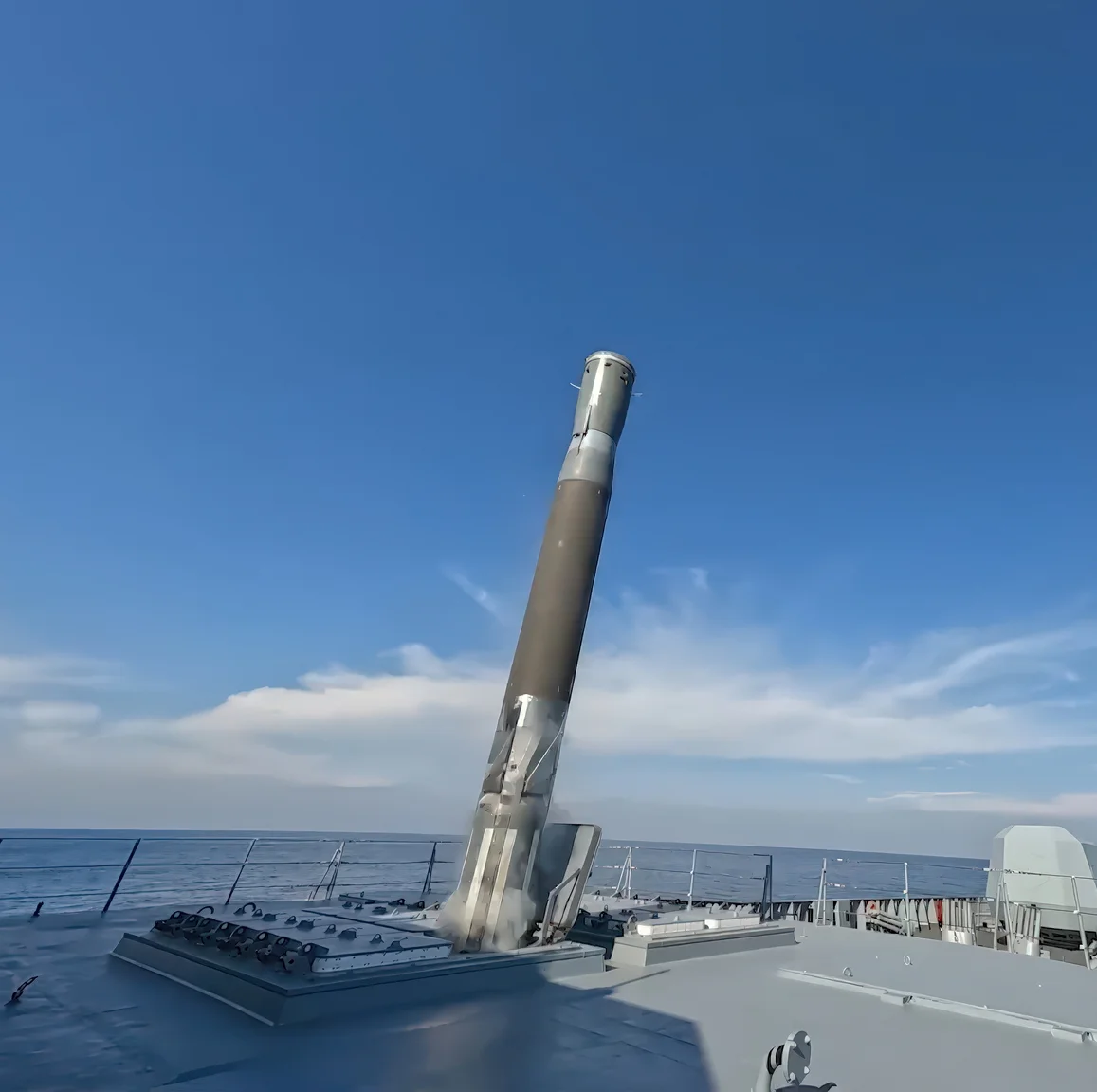
The weapons overhaul is comprehensive. The twenty P-700 Granit anti-ship missiles that defined the Cold War Kirov’s strike identity are gone — replaced by ten UKSK vertical launch modules providing 80 cells compatible with Kalibr cruise missiles, P-800 Oniks supersonic anti-ship missiles, and the 3M22 Zircon hypersonic weapon. The Zircon integration makes Nakhimov the first major surface combatant to carry this system operationally; sea trials will, among other things, test how the ship’s fire control architecture manages targeting for a weapon that crosses the horizon in seconds.
| Specification | Value |
|---|---|
| Class | Kirov-class (Project 1144 Orlan) |
| Displacement | ~28,000 tons |
| Dimensions | 251 m × 28.5 m × 10.3 m |
| Propulsion | 2 × KN-3 nuclear reactors (2 × 150 MW) |
| Maximum Speed | 32 knots |
| Crew | ~800 personnel |
| Strike VLS (UKSK) | 80 cells — Kalibr / Oniks / Zircon |
| Air Defense (Fort-M) | 96 cells — S-400 equivalent long range |
| Close-In Weapon Systems | 6 × Pantsir-M |
| Endurance | 60 days at sea |
| Modernization period | 1999–2026 (~27 years) |
| Overhaul cost (est.) | ~200 billion rubles (~$2.5–5 billion) |
Zircon, Bastion Defense, and What It Means for the High North
Nakhimov’s Arctic mission profile centers on what Russian strategists call the “bastion concept” — maintaining protected zones in the Barents and Kara Seas where Borei-class SSBNs can patrol and launch without being tracked or intercepted by NATO attack submarines. A Kirov-class battlecruiser, with its layered air defense (96 Fort-M cells equivalent to S-400 coverage) and anti-submarine capabilities, creates a bubble that a NATO task force would struggle to penetrate without significant cost.
The Zircon integration adds a dimension that changes the engagement calculus in this zone. At Mach 8–9, the missile compresses available response time for defending ships to single-digit seconds after detection; the combination of Zircon’s speed and its sea-skimming terminal approach profile makes it effectively uncounterable by current-generation close-in weapon systems. Nakhimov’s 80-cell strike array, loaded with a mixture of Kalibr (long-range, subsonic, precise) and Zircon (hypersonic, ship-killer), means that any NATO force operating in the northern Norwegian Sea must plan for a multi-speed, multi-signature threat envelope from a single hull.
The cost story is almost as striking as the capabilities. What began as a ~50 billion ruble modernization contract in 2013, with an expected return to service in 2018, became approximately 200 billion rubles over 27 years of work — possibly as much as $5 billion at various exchange rates. Russia absorbed this investment during a period of significant economic pressure and Western sanctions. That the project survived at all reflects how seriously Moscow values maintaining at least one operational Kirov-class hull.

Frequently Asked Questions
What is a Kirov-class battlecruiser and why is it so large?
The Kirov class (Soviet designation Project 1144 Orlan) was designed during the Cold War to intercept U.S. carrier strike groups in the North Atlantic before they could enter Soviet submarine bastions. That mission required both long-range anti-ship strike power and substantial self-defense capability — which in turn required a very large hull. At roughly 28,000 tons, the Kirovs are by far the largest surface combatants built since World War II battleships. Nuclear propulsion was chosen to provide the endurance needed for extended Arctic patrols without logistical dependence on surface supply vessels.
Why did the modernization take 27 years?
Multiple compounding factors. The Soviet Union’s collapse left Russia in severe economic contraction through the 1990s; there was simply no consistent budget allocation for a project of this cost and complexity. The nuclear reactor decommissioning and recommissioning process is technically intensive and slow. The scope expanded several times as the original 2003 completion target slipped: ultimately every major weapon system was replaced rather than upgraded in place. The initial ~50 billion ruble contract estimate ballooned to approximately 200 billion rubles, with some estimates suggesting total investment approaching $5 billion.
How dangerous is the Zircon hypersonic missile?
The 3M22 Zircon travels at Mach 8–9, which compresses the reaction time available to air defense systems to a matter of seconds rather than the minutes offered by subsonic threats. Its estimated range of 400–1,000 km (varying by profile) means it can be launched well outside the engagement envelope of most ship-based defenses. Nakhimov carries Zircon alongside subsonic Kalibr cruise missiles and supersonic Oniks anti-ship missiles in the same 80-cell VLS array — meaning a defending fleet cannot optimize purely against any one threat type.
What is the NATO strategic assessment?
Nakhimov’s primary mission is bastion defense — protecting Russia’s Borei-class SSBNs operating in the Barents and Kara Seas, which carry Russia’s sea-based nuclear deterrent. For NATO, the ship complicates anti-submarine warfare operations in the High North and imposes new planning requirements on Scandinavian and Norwegian naval commands. Analysts note the “concentration of risk” issue: losing Nakhimov in a conflict would represent an enormous single-point loss for Russia. That makes the ship both a deterrence asset and a vulnerability — its presence will likely keep it operating in relatively protected northern waters rather than projecting into the open Atlantic.