Germany and Norway move to put 4 Type 212CD submarines on Canada’s table

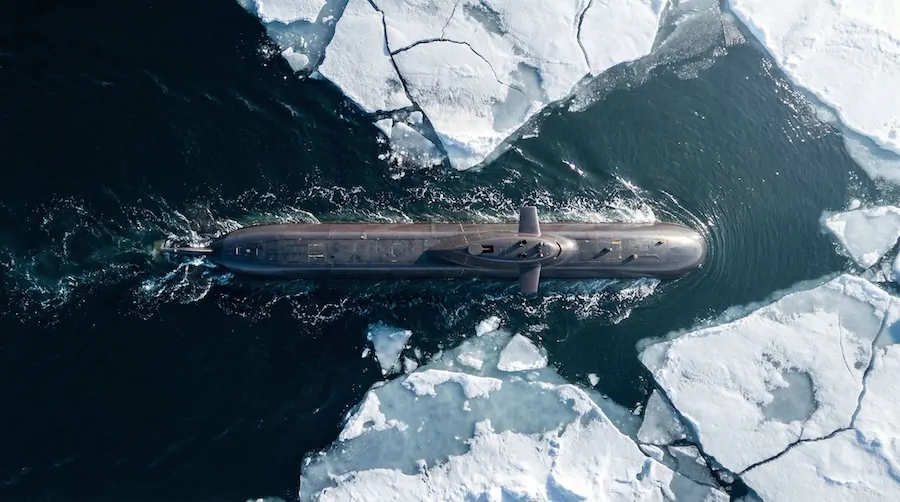
Germany and Norway are offering to reallocate one submarine each from their joint Type 212CD program to Canada; TKMS could deliver four Type 212CD boats by 2036. The decision in Canada’s ~C$60 billion program pits Europe against South Korea’s KSS-III.
At a Glance
- What: Germany + Norway propose Type 212CD subs for Canada
- Number/Date: 4 boats by 2036 (TKMS)
- Mechanism: Germany and Norway each shift one hull from their joint 12-boat buy
- Program: Canada CPSP — about C$60 billion
- Rival: South Korea’s Hanwha KSS-III (4 boats by 2035)
- Decision: expected before the end of June 2026
An intra-NATO submarine race heats up
Competition is entering its final phase for Canada’s decades-overdue replacement of its Victoria-class boats — the Canadian Patrol Submarine Project (CPSP). Germany’s TKMS says it can deliver four Type 212CD submarines by 2036. The striking element is the offer by Germany and Norway to reallocate one hull each from their joint 12-boat Type 212CD buy to Canada — an intra-NATO cooperation model that would pull the delivery schedule forward.
Worth roughly C$60 billion, it is one of the largest submarine tenders of recent years. Ottawa is expected to announce its decision before the end of June 2026.
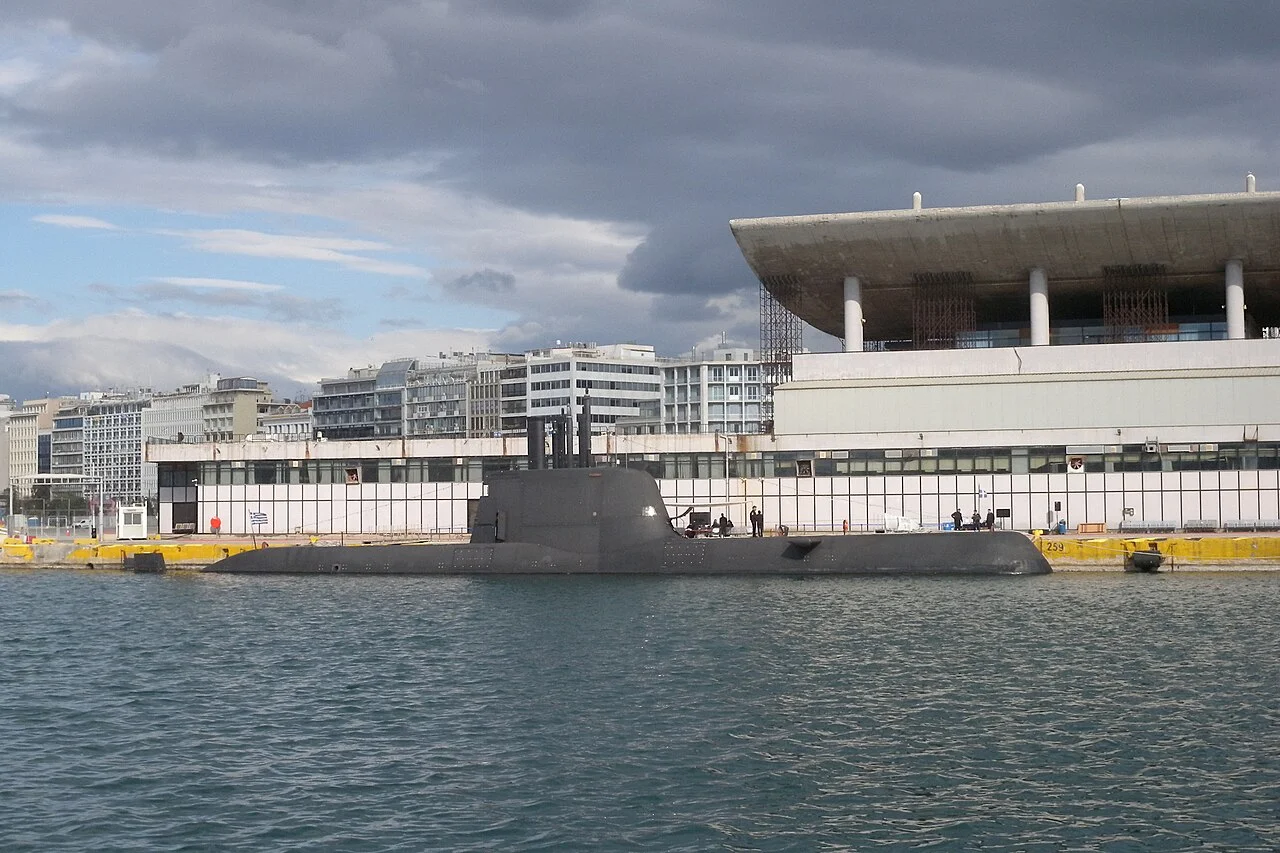
Type 212CD: a next-generation AIP boat
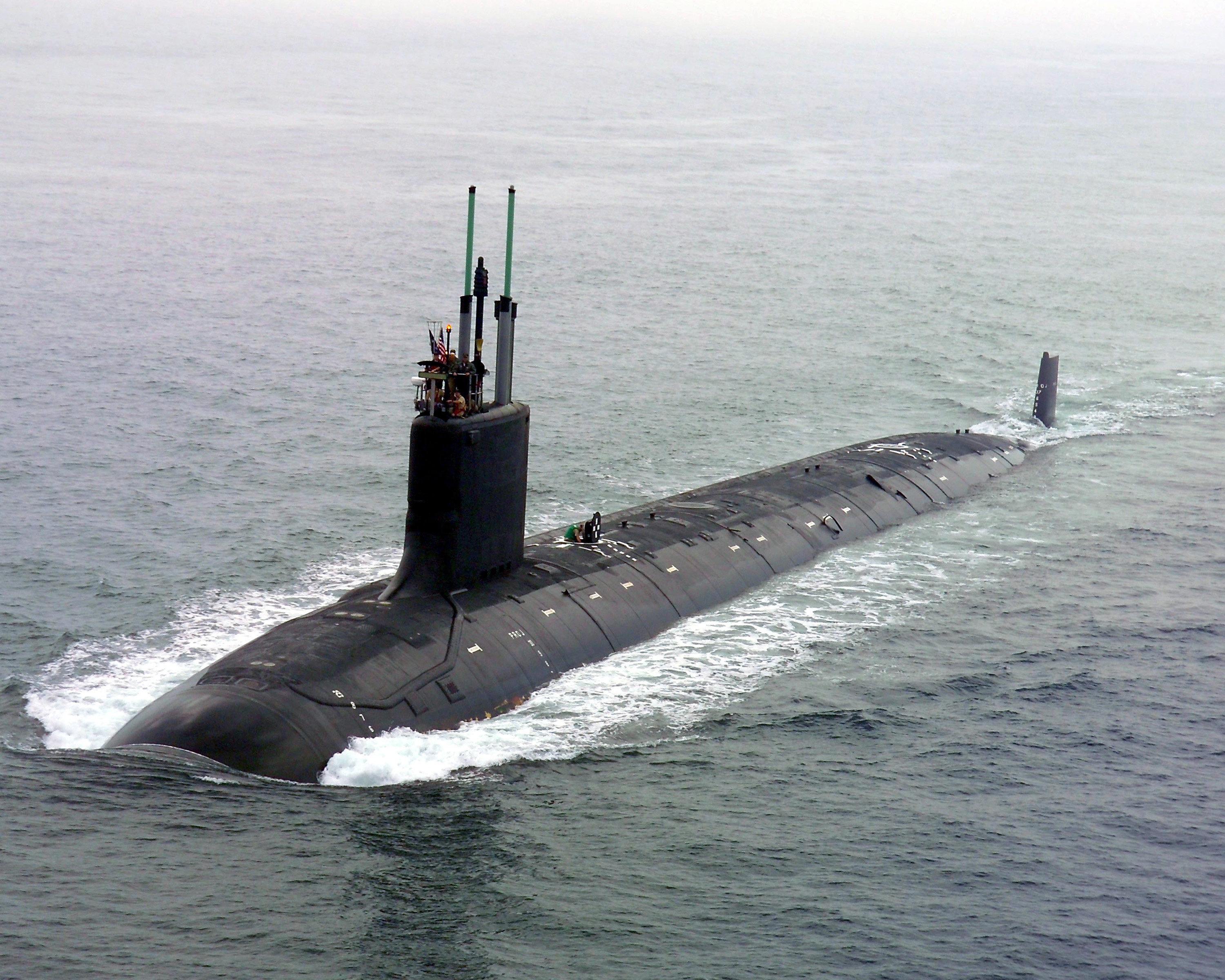
The Type 212CD (Common Design), developed for Germany and Norway, is a next-generation submarine with fuel-cell air-independent propulsion (AIP), optimized for low signature and quiet operation. Its enlarged hull and upgraded sensor and sonar suites are designed for both Atlantic and Arctic conditions.
The rival: Hanwha KSS-III
On the other side, South Korea’s Hanwha Ocean is offering the KSS-III class, pledging four boats by 2035. Hanwha’s fast production line and aggressive schedule are a major lever against its European competitor.
| Item | Value |
|---|---|
| Program | Canadian Patrol Submarine Project (CPSP) |
| Budget | ~C$60 billion |
| European bid | TKMS Type 212CD — 4 boats, 2036 |
| Asian bid | Hanwha KSS-III — 4 boats, 2035 |
| Mechanism | Germany+Norway each transfer one hull |
| Decision | Before end of June 2026 |
The outcome will shape both NATO’s undersea deterrence in the North Atlantic and the Europe-versus-Asia submarine export rivalry. As global demand for modern AIP boats rises, Turkey’s domestic submarine experience with the Reis-class (Type 214TN) stands out as a noteworthy long-term reference at the export table.
Sources
- Naval News
- Breaking Defense
- Defence Industry Europe