





Russia Urges Foreign Nationals to Leave Kyiv — ‘Systematic Strikes on Defence Industry’ Including Oreshnik

Russia has urged foreign nationals in Kyiv to leave “as soon as possible,” signalling planned “consistent and systemic strikes” against Ukrainian defence industry facilities. The warning followed a mass attack involving 90 missiles, 600 drones and the Oreshnik intermediate-range ballistic missile.
According to Defence Industry Europe’s 26 May 2026 report, the Russian statement read: “Due to the fact that the above-mentioned facilities are scattered across [Kyiv], we are notifying foreign citizens of the need to leave the city as soon as possible.” The notice serves as a pre-announcement for a wider campaign against Ukrainian defence infrastructure.
Target list: UAV production lines and command centres
The Russian warning lists the following primary target categories:
- UAV design, manufacturing and programming facilities
- UAV operational preparation centres
- Decision-making nodes and command posts
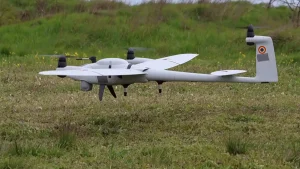
The list shows Moscow framing Ukraine’s rapidly growing indigenous UAV industry as the most critical threat. Ukraine’s post-2024 medium-range strike UAVs — Bober, FP-1, the Liutyi series — have been effective against Russian oil refineries, ammunition depots and air-defence radars inside Russian territory.
Latest strike: 90 missiles, 600 drones, Oreshnik included
Shortly before the warning, Russia launched a massive strike wave against Kyiv and Bila Tserkva. Open-source data indicate the attack package included:
- 90 missiles — 36 of them ballistic class
- 600 drones — Shahed/Geran swarms
- Oreshnik intermediate-range ballistic missile (hypersonic-capable)
The attack hit not only military targets but also water utilities, residential buildings, schools and marketplaces. Official Ukrainian sources reported more than 83 injured and fatalities.
Oreshnik: Russia’s new-generation intermediate weapon
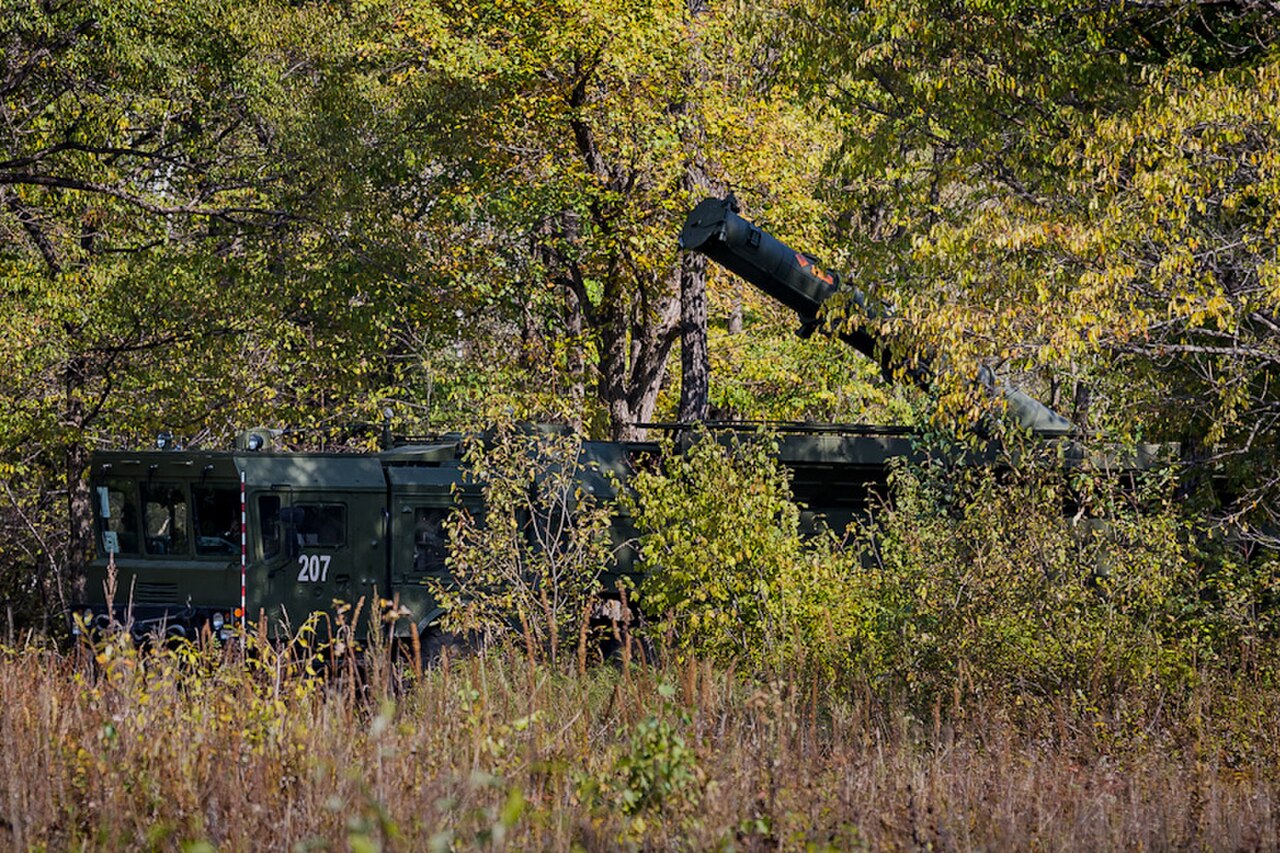
Open-source analyses describe Oreshnik as a hypersonic intermediate-range ballistic missile with a multi-warhead (MIRV) configuration. Its first operational use was the November 2024 strike on the Yuzhmash facility in Dnipro. Range is estimated at up to 5,500 km with Mach 10+ velocity. The Kyiv warning suggests Oreshnik may return to use.
International response
EU Commission President Ursula von der Leyen called the attack a “demonstration of the Kremlin’s brutality.” French President Emmanuel Macron described it as a sign that “Russia’s war of aggression has reached an impasse.” Both leaders reaffirmed continued support for Ukraine.
Ukrainian President Zelenskyy described Kyiv as the “primary target,” documenting widespread civilian infrastructure damage across the capital.
Turkish industry perspective
Türkiye has maintained a close defence-industrial relationship with Ukraine throughout the war, anchored by Bayraktar TB2 and other capabilities. The Baykar facility planned in Ukraine is one of the standout investments in the current Kyiv tension cycle. While the Russian warning does not directly target Turkish facilities, the situation requires close observation for Turkish personnel and investments active in-country.
Turkish carriers’ evacuation routes to Kyiv and Lviv have also seen surging traffic in recent weeks, with Türkiye continuing to play the critical logistics-hub role it played in early 2022.
Sources
- Defence Industry Europe — “Russia urges foreign nationals to leave Kyiv, citing planned strikes on defence industry facilities”, 26 May 2026
- en.defence-ua.com — last-24-hour strike reporting
- Wikipedia — “RS-26 Rubezh / Oreshnik”
- EU Commission press releases
- Open-source Ukrainian indigenous UAV production analyses