F-35 Deliveries & Inventory: Which Countries Operate It, Why Was Türkiye Expelled? (2026)
Summary Not Found.
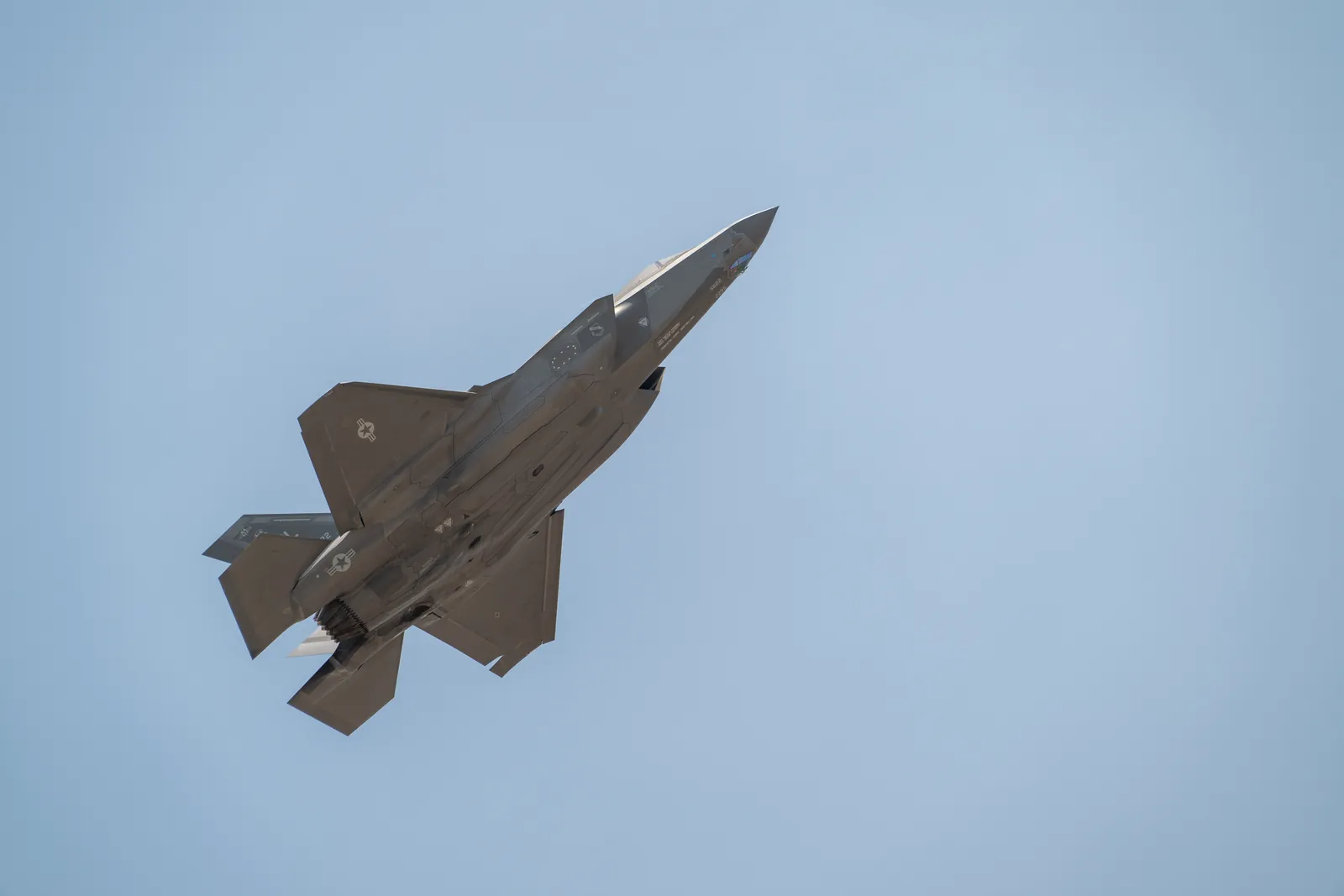
Lockheed Martin F-35 Lightning II. Source: Wikimedia Commons (CC BY-SA 4.0).
F-35 Lightning II is the world’s most widely used fifth-generation stealth multirole fighter, built by US-based Lockheed Martin. By end-2025 about 1,300 had been delivered and more than 19 countries had joined the program. This dossier compiles which countries operate it and in what numbers, its delivery timeline, Türkiye’s expulsion from the program and technical data from open sources.
The F-35 holds special significance for Türkiye: it was both a production partner and a customer for 100 jets, but was expelled after the S-400 crisis. This dossier covers that process and its link to the indigenous KAAN.
~1,300
Total delivered (2025)
19+ countries
Operators/partners
Türkiye
Expelled (2019, S-400)
KAAN
Indigenous 5th-gen equivalent
Contents: Tap each heading to expand — what the F-35 is, which countries, how many, Türkiye and the F-35, variants, timeline, specs, KAAN comparison, manufacturer.
What is the F-35?
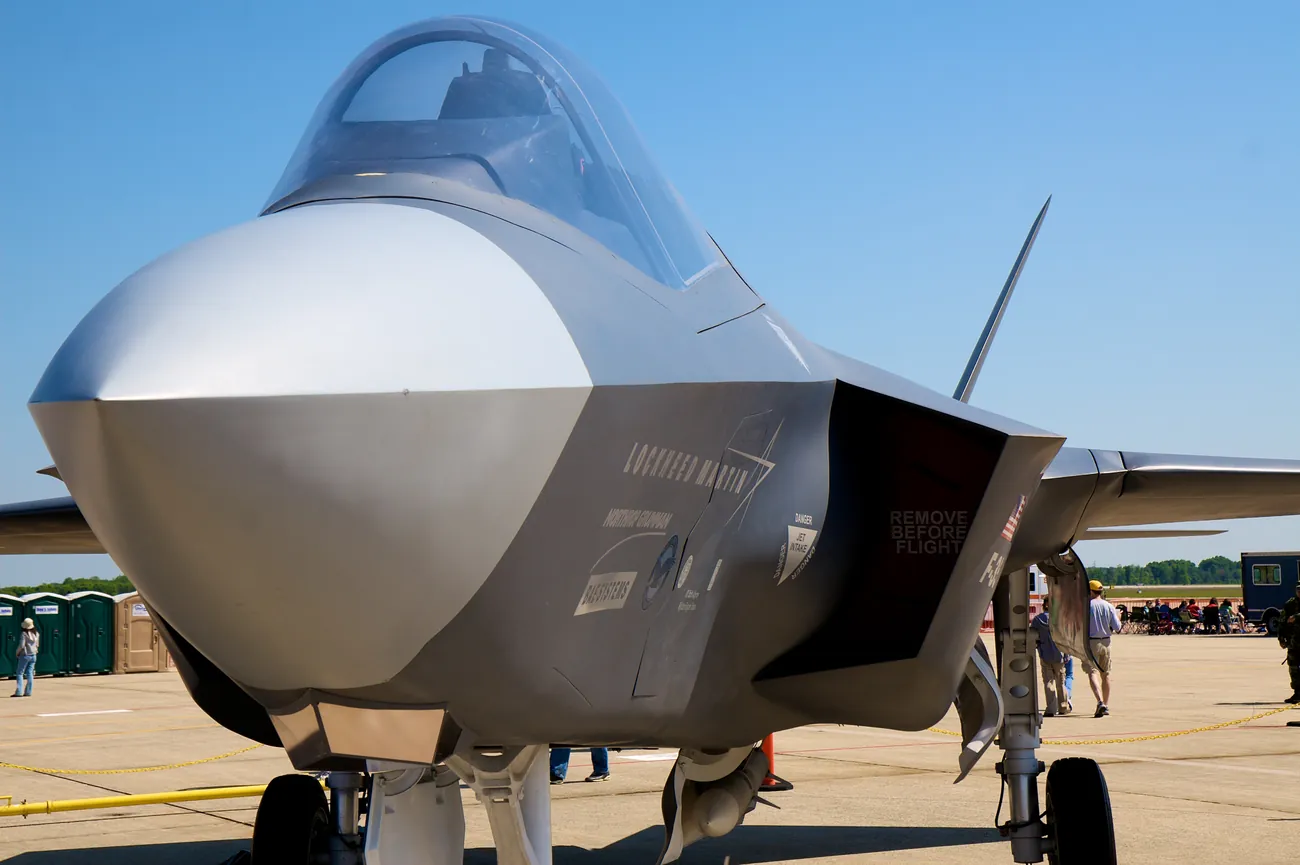
The F-35 Lightning II is a fifth-generation fighter combining air superiority, strike against land/sea targets, reconnaissance and electronic warfare in one platform. It stands out for its low observability (stealth), advanced sensor fusion and network-centric operation with allied forces.
It is built in three variants: the conventional F-35A, the short-takeoff/vertical-landing F-35B, and the carrier-borne F-35C. This versatility made the F-35 the common backbone of NATO and allied air forces.
Which countries operate it?
The F-35 has become the Western world’s common fighter. The table summarises the main operators and their status per open sources.
Country
Status / Units
Note
USA (Air Force/Navy/Marines)
~600+ (3 variants)
Largest fleet
United Kingdom
F-35B
Queen Elizabeth carriers
Italy
F-35A + B
Cameri assembly line (FACO)
Israel
F-35I ‘Adir’
First combat use (2018)
Japan
F-35A + B
~147 planned (largest in Asia)
Australia / S. Korea / Norway / Denmark
various (dozens)
Norway deliveries complete
Netherlands / Belgium / Finland / Poland
various
European fleets
Germany / Switzerland / Romania / Czechia / Greece
ordered/delivered
Newer European buyers
Canada / Singapore
ordered
Future operators
Türkiye
EXPELLED (2019)
6 jets built, not delivered
The USA is the largest operator; the jet also serves in customized versions like Israel’s F-35I ‘Adir’. Türkiye is the only country expelled from the program despite being a production partner.
How many were built and delivered?
The F-35 program is the peak of allied fighter production: a record 191 jets were delivered in 2025 and the total fleet reached about 1,300. Lockheed Martin says production is several times the combined output of all other allied fighters.
The program logged its largest production batch with the Lots 18-19 contract for 296 jets (about $24bn). This scale places the F-35 at the center of Western air power for decades.
Türkiye was a Level-3 partner in the F-35 program; firms such as TAI (TUSAŞ) produced hundreds of the jet’s parts, including fuselage sections. Türkiye ordered 100 F-35A and paid about $1.4bn; six jets were even built for it.
But after Türkiye bought the Russian S-400 in 2017, the US expelled it from the program in July 2019; the built jets were not delivered and were stored in the US for years. In response, Türkiye ordered 44 Eurofighter Typhoons, pursued F-16 modernization, and accelerated its indigenous KAAN program. The F-35 crisis is the starkest example of why Türkiye builds its own 5th-generation fighter.
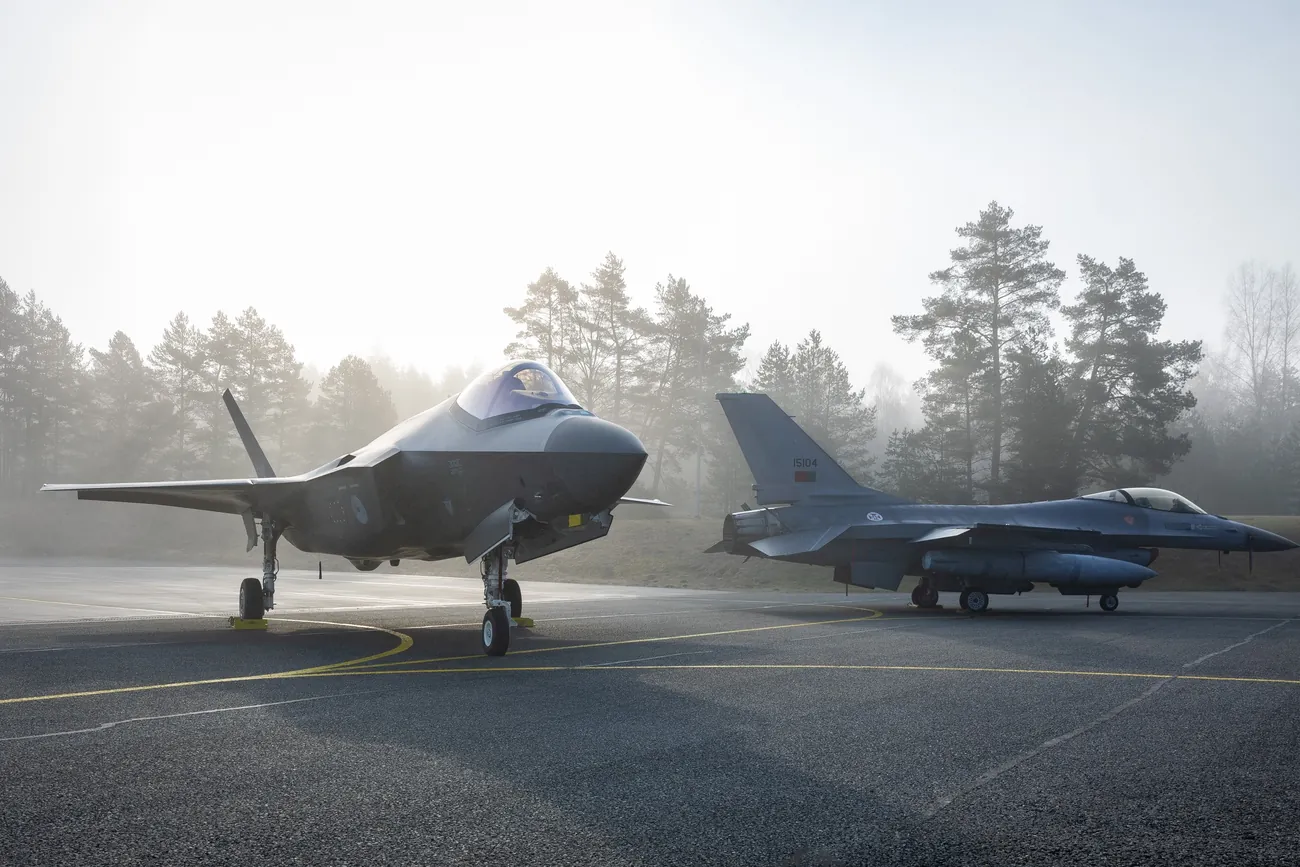
F-35 Lightning II. Source: Wikimedia Commons (CC BY-SA 2.0).
Variants: A, B and C
F-35A — conventional takeoff/landing (land bases; most produced)
F-35B — short takeoff/vertical landing (UK, Italy, ships)
F-35C — carrier variant (US Navy)
Delivery and program timeline
Date
Event
Party
Source
2006
First flight
Lockheed Martin
Wikipedia
2015–2016
Entry into service (USMC F-35B 2015, USAF F-35A 2016)
USA
Wikipedia
28 Aug 2018
First F-35 flight by a Turkish pilot
Türkiye
Defense Here
2018
Israel’s first combat use
Israel
Open source
Jul 2019
Türkiye expelled from program (over S-400)
Türkiye / USA
Euronews / T24
2025
Record 191 deliveries; ~1,300 fleet
Lockheed Martin
Aerotime
2025
Lots 18-19: 296 jets / $24bn (largest in program history)
Türkiye’s counterpart to the F-35 is the indigenous fifth-generation fighter KAAN. KAAN first flew in 2024 and is planned for delivery to the Turkish Air Force from 2028. The F-35 is single-engine while KAAN is twin-engine, following a different design philosophy.
Türkiye’s expulsion from the F-35 raised the strategic importance of indigenous programs like KAAN and HÜRJET. The F-35 dossier is thus also part of the story of Turkish aerospace independence.
Manufacturer: Lockheed Martin
The F-35’s prime manufacturer is US-based Lockheed Martin; the engine is from Pratt & Whitney (F135), with systems from partners such as Northrop Grumman and BAE Systems.
The program relies on an international division of labor with nine founding partner nations and many customers. Türkiye was part of this network before being removed — a rare example of the strategic consequences of being cut from a supply chain.
Significance
The F-35 is the core platform that will define Western air superiority for decades. Its broad operator network, shared logistics and data-sharing unite NATO air power in a single ecosystem.
For Türkiye, the F-35 symbolizes both a missed opportunity and the birth of the will for an indigenous fighter. KAAN’s success will rewrite Türkiye’s story in future updates of this dossier.
Frequently Asked Questions
Which countries operate the F-35?
Beyond the USA, more than 19 countries operate or have ordered the F-35, including the UK, Italy, Israel, Japan, Australia, South Korea, Norway, Denmark, the Netherlands, Belgium, Finland, Poland, Germany, Switzerland, Romania, Czechia, Greece, Canada and Singapore.
How many F-35 were built?
By end-2025, about 1,300 F-35 had been delivered, with production at roughly 190 per year. The Lots 18-19 contract covers 296 jets.
Why couldn’t Türkiye get the F-35?
Türkiye was expelled from the F-35 program in July 2019 for buying the Russian S-400 air defense system. Türkiye had ordered 100 F-35A and paid about $1.4bn; six jets built for it were never delivered.
What did Türkiye get instead of the F-35?
Türkiye ordered 44 Eurofighter Typhoons, pursued F-16 modernization, and accelerated its indigenous 5th-generation fighter, KAAN.
What are the F-35 variants?
Three: the conventional F-35A, the short-takeoff/vertical-landing F-35B (e.g. UK, carriers), and the carrier-borne F-35C.
What is the Turkish equivalent of the F-35?
Türkiye’s indigenous 5th-generation fighter KAAN is being developed as an alternative; it first flew in 2024, with deliveries targeted from 2028.