82 P550 Drones for $117 Million: The U.S. Army Bets on Battalion-Level Autonomous Reconnaissance
- Contract: $117.3 million, 82 P550 systems (awarded June 3, 2026)
- Range: 40 km standard; 60 km with digital datalink upgrade
- Endurance: 5 hours; 6.8 kg modular payload capacity
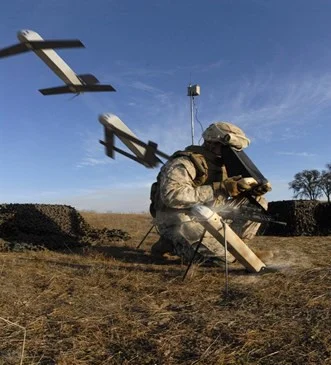
- Launch: VTOL — no runway, assembly under 10 minutes
- AI: SPOTR-Edge auto-target recognition (personnel, vehicles, maritime)
- Dual-source strategy: P550 + Edge Autonomy Stalker Block 35X selected simultaneously
The Ukraine Lesson, Contracted Out
Ukraine’s conflict has produced an unambiguous lesson for combined-arms planners: the formation that can see first, at the lowest echelon, wins the attrition exchange. Russian units repeatedly exploited reconnaissance gaps at company and battalion level to maneuver undetected; Ukrainian brigades that fielded organic tactical ISR reversed this dynamic. The P550 is, in one sense, the U.S. Army’s codification of that lesson into procurement.
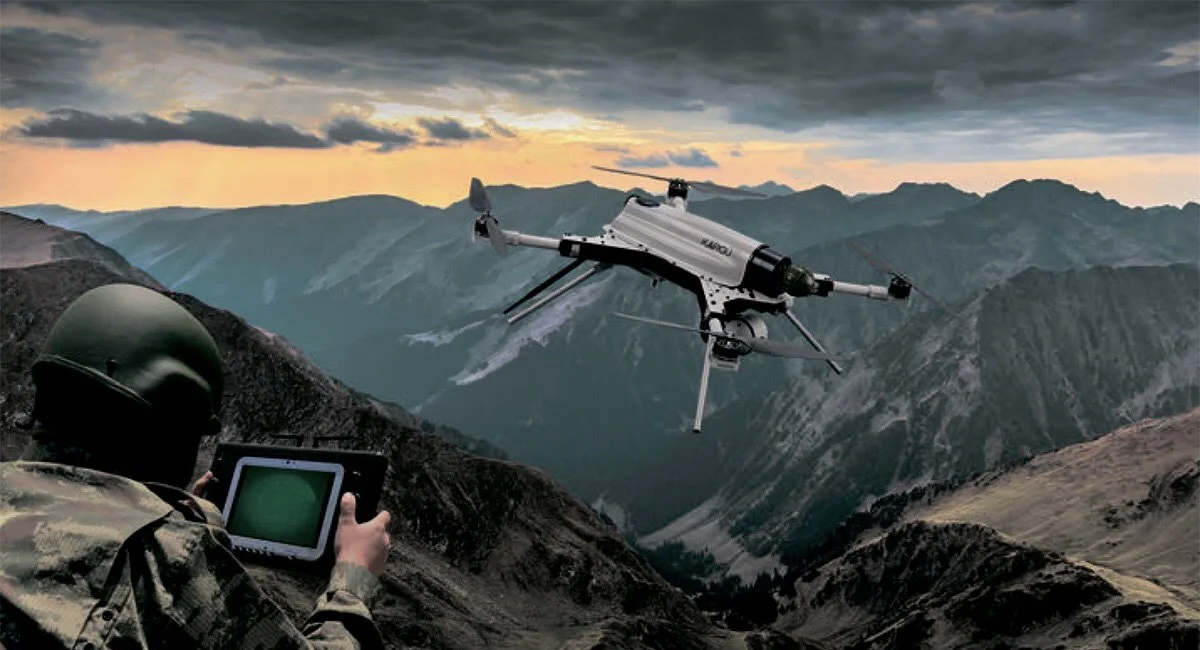
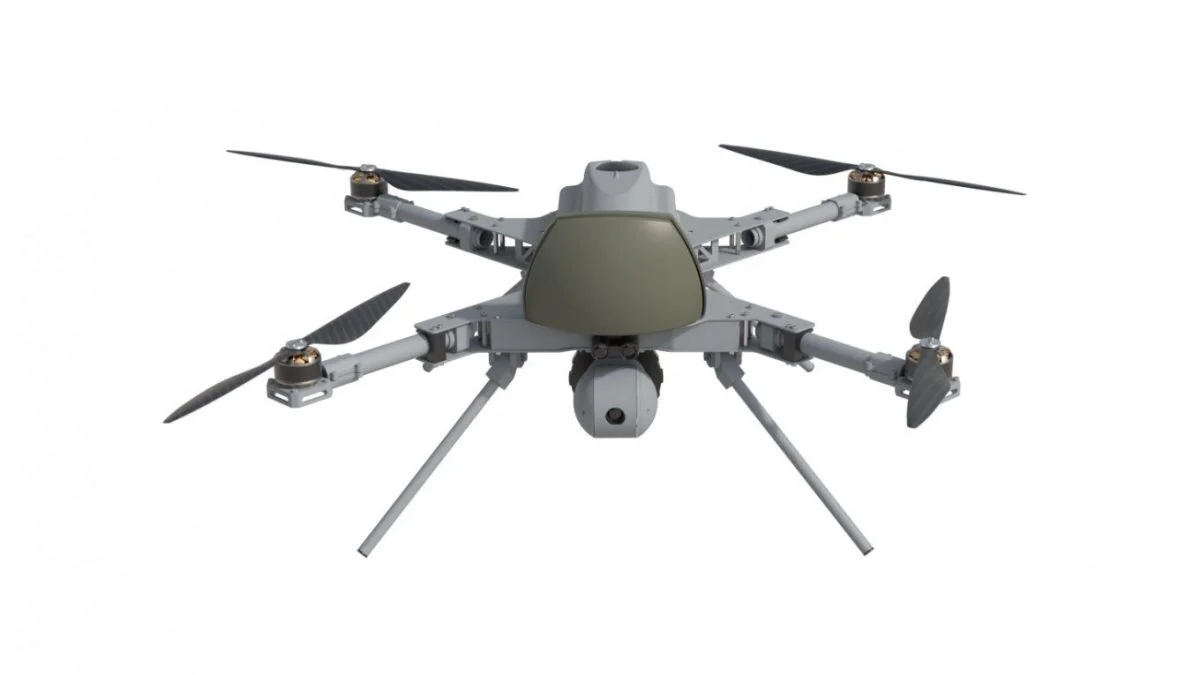
The system’s design reflects the priority. Weighing 24.9 kilograms and spanning 5.2 meters in wingspan, it folds into a transport package small enough for an infantry vehicle. A tool-free assembly procedure takes less than ten minutes; the vertical takeoff and landing (VTOL) configuration eliminates the need for cleared ground or launch rail. AeroVironment — already known in military circles for the Switchblade loitering munition family — has applied similar emphasis on deployability. The difference is mission: where Switchblade terminates on target, the P550 returns with data.
What makes the contract’s timeline so unusual is the delivery clause: July 23, 2026 — roughly seven weeks from award. This suggests either pre-positioned inventory or a production line running well ahead of demand, both of which indicate that AeroVironment anticipated significant near-term orders. The company has publicly stated it is planning production expansion toward “thousands of units annually,” framing the 82-unit contract as a first tranche rather than a ceiling.
The Autonomy Architecture Inside
The P550’s competitive edge lies not in airframe performance — five hours, 60 km range, and a 15–27 m/s speed envelope are respectable but not exceptional in this weight class — but in its computing stack. The Avacore onboard processing architecture runs AeroVironment’s SPOTR-Edge software, which classifies personnel, ground vehicles, aircraft, and maritime targets in real time without requiring a live data connection. That GPS-denied operational capability is deliberately engineered: in contested electromagnetic environments, drones reliant on continuous uplink become deaf and blind within minutes of jammers activating.
The modular payload system adds a strategic flexibility layer. The 6.8 kg payload bay can be swapped between electro-optical, infrared, lidar, and electronic intelligence sensor packages in under five minutes in the field. AeroVironment has signaled that communications relay and electronic warfare payloads are on the development roadmap, effectively turning the P550 into a platform whose mission profile can be redefined between sorties.
The Army’s simultaneous selection of the competing Edge Autonomy Stalker Block 35X under the same Long-Range Reconnaissance program is significant. Preserving two production sources hedges against the supply chain vulnerabilities that plagued early Ukraine drone procurement — a lesson absorbed at considerable cost. Both systems will be evaluated under identical operational conditions, with the longer-term fleet allocation likely determined by field performance data over the next 18 months.