$240.9M and a Stealth Advantage: Kongsberg’s Joint Strike Missile Enters Full Production for the F-35 Fleet

- Contract: $240.9 million, Kongsberg D&A (Norway), Lot 2 production
- Delivery: Through November 2028 — missiles, launch containers, test hardware, support
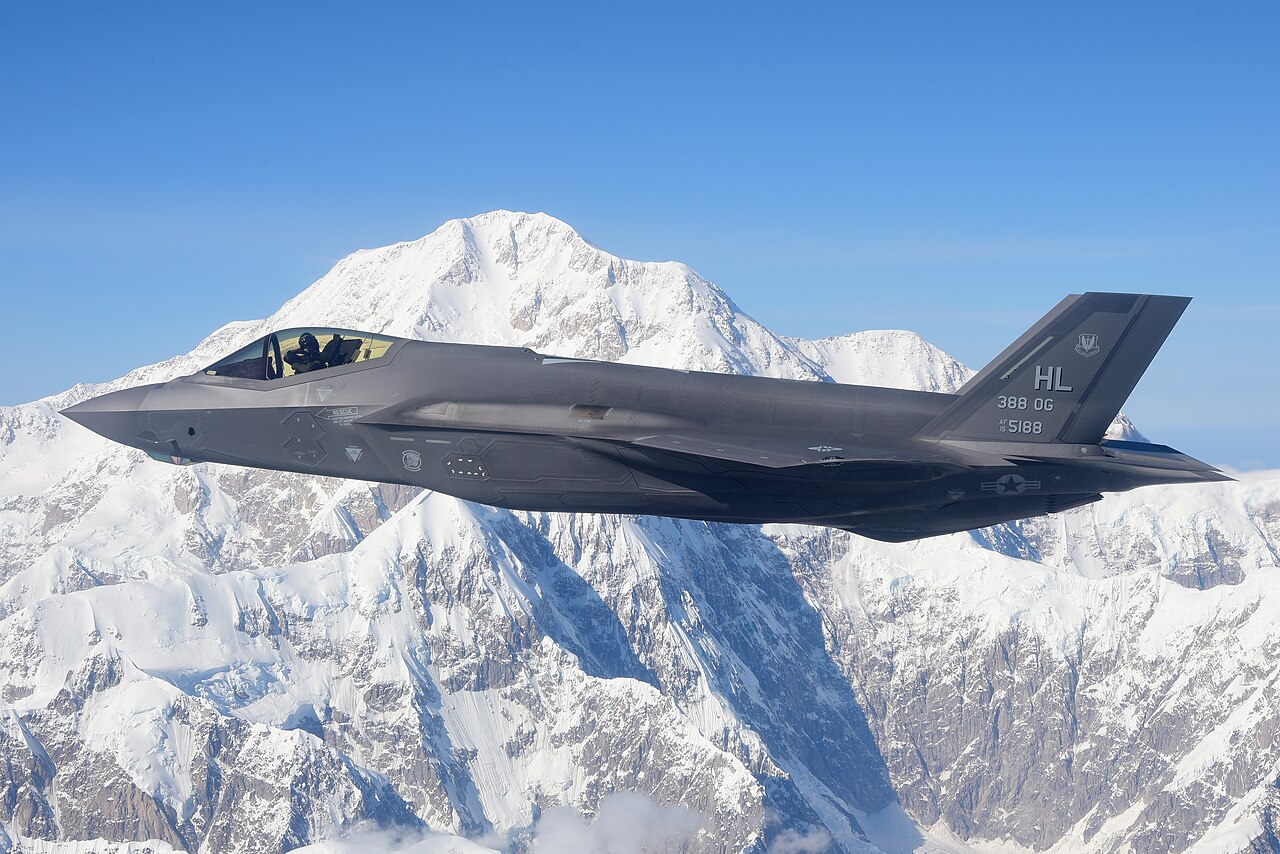
- Platforms: F-35A (USAF), F-35C (Navy), F-35B (USMC) — all three variants
- Roles: Anti-ship (maritime strike) + land attack — true dual-role
- Key advantage: Internal carriage — stealth profile fully preserved
- Range: 200+ km (profile-dependent); sea-skimming and terrain-following modes
Filling a Gap That Should Not Have Existed
When the F-35 program was conceived, the emphasis was on stealth, sensor fusion, and network-enabled warfare. The weapons inventory was treated as a solvable problem to be addressed in subsequent spiral development. Years later, that assumption proved optimistic: the existing long-range precision munitions — JASSM, LRASM — are either too large to fit the internal bay or were not designed for the F-35’s specific carriage constraints. Carrying them on external pylons works, but it defeats the stealth proposition entirely. Against modern integrated air defense systems, an F-35 with external stores is no stealthier than a legacy platform.
Kongsberg’s engineers approached JSM as a clean-sheet redesign problem. Drawing on the aerodynamic pedigree of the Norwegian Penguin anti-ship missile, they re-engineered the weapon’s form factor to fit the F-35A’s internal bay — a space roughly 4.8 meters long and 0.5 meters wide. The resulting missile retains sea-skimming and nap-of-earth flight profiles, an autonomous imaging infrared seeker for terminal guidance, GPS-aided inertial navigation for mid-course correction, and a dual-role warhead rated for both hardened land targets and lightly armored vessels. Range exceeds 200 km depending on flight profile, with the sea-skimming trajectory substantially extending maritime standoff distance.

Three Variants, One Munition, a Growing Export List
The decision to extend JSM integration to all three U.S. F-35 variants — A, B, and C — shifts the weapon from a specialized Air Force capability to a fleet-wide standard. For carrier operations, the F-35C now carries internal anti-ship capability that previous carrier-based aircraft like the F/A-18E/F required external ordnance to match. The F-35B’s STOVL capability, operating from smaller amphibious ships or austere forward strips, gains a stand-off maritime strike option that dramatically expands its tactical envelope.
International demand is already visible. Norway has finalized procurement commitments, treating JSM as the natural successor to its legacy Penguin inventory. Japan’s Air Self-Defense Force is in advanced evaluation, with domestic production licensing discussions reported. Australia’s JSM integration for its F-35As is progressing on a parallel track. Kongsberg’s positioning of JSM within the same product family as the Naval Strike Missile (NSM, deployed by surface ships and land-based launchers) creates a coherent multi-domain strike ecosystem — the same seeker technology, the same engagement logic, adapted to different platforms and launch environments.
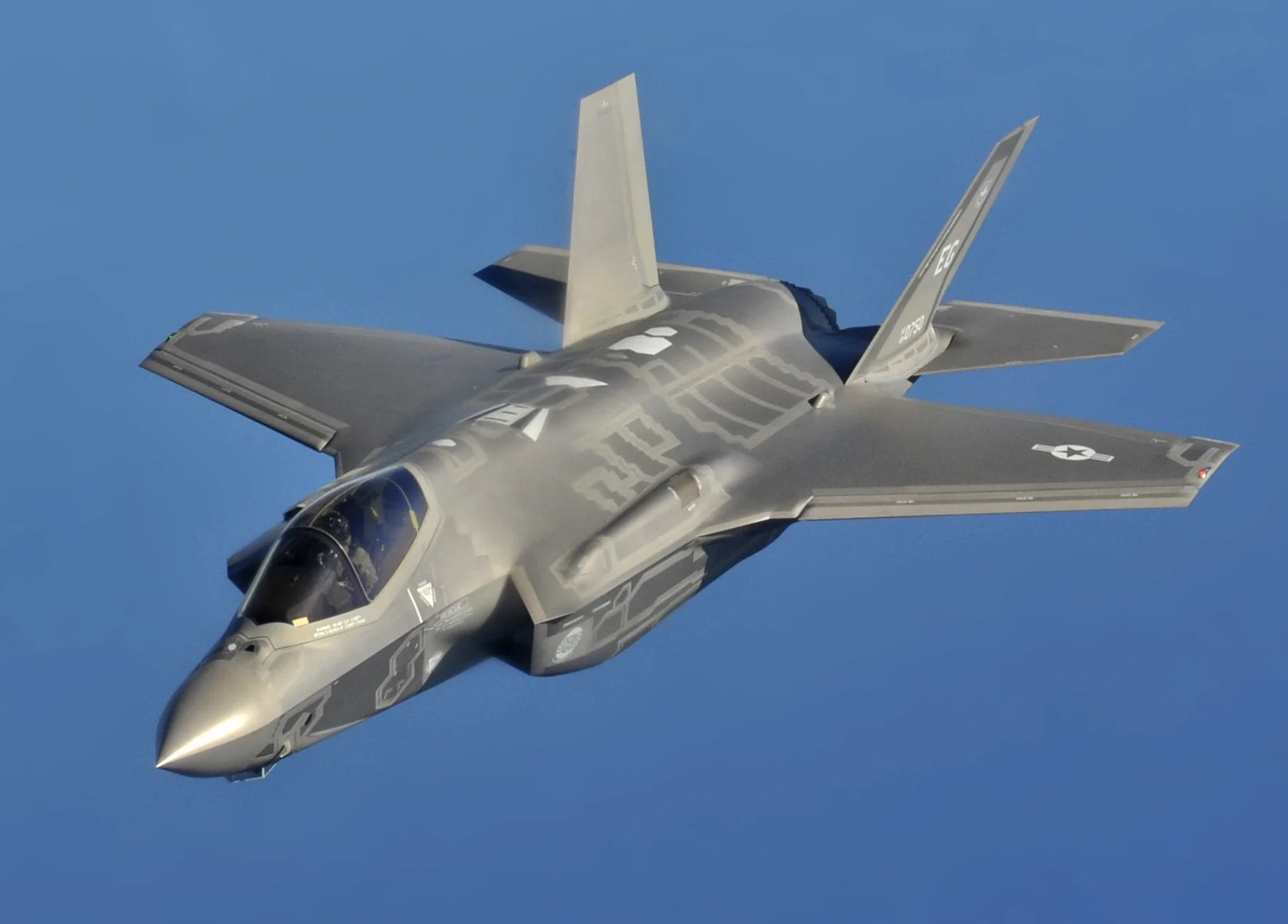
The contract’s strategic context points toward the Indo-Pacific. JSM’s anti-ship role is explicitly designed for the kind of maritime area-denial environment that China’s DF-21D and DF-26 ballistic missiles impose on surface fleets; in this threat environment, F-35Cs operating from carriers need precisely the kind of low-observable, long-range maritime strike capability that JSM provides. The November 2028 delivery deadline creates a capability baseline well ahead of the decade’s end — a window the Pentagon has explicitly identified as critical for Taiwan Strait deterrence posture.