House Unveils $1 Trillion FY27 Defense Bill: Record Money for Munitions, B-21 and a Rescued E-7

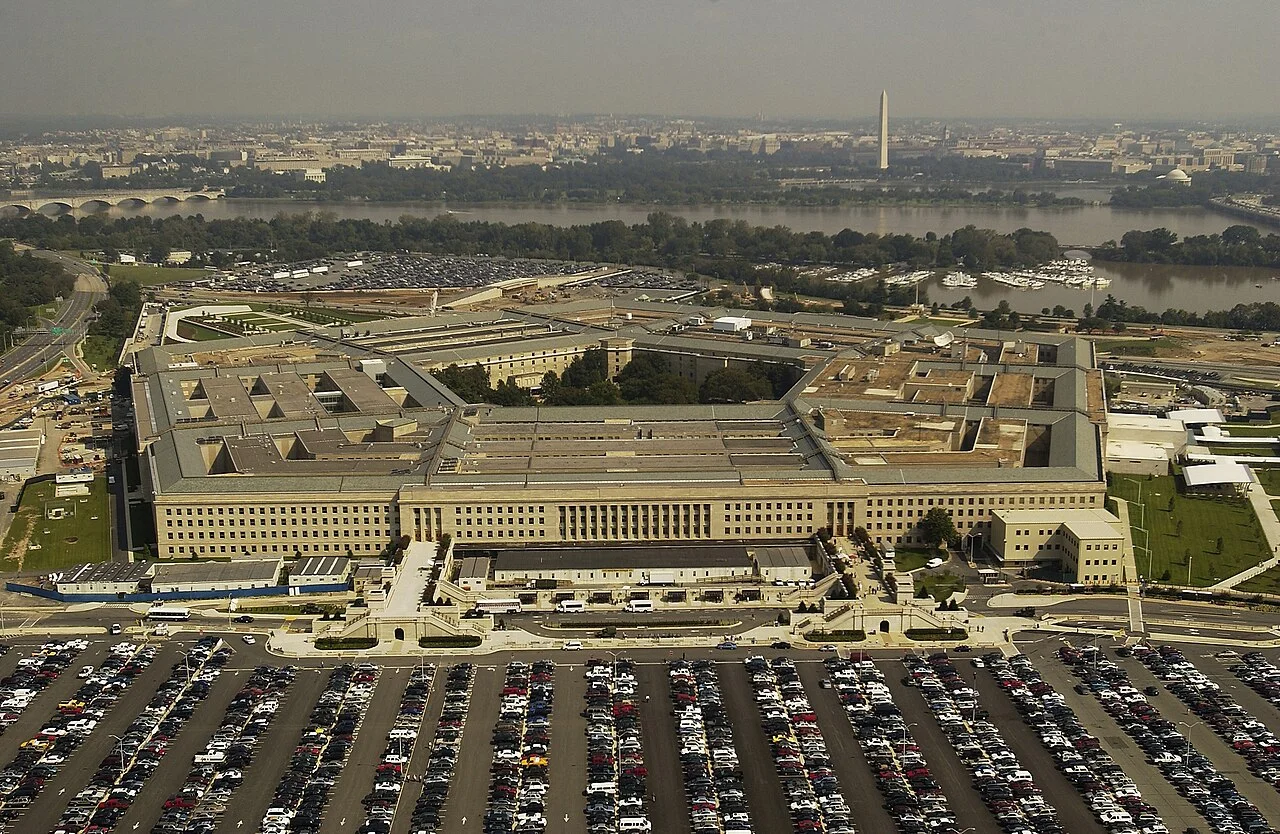
The bill covers about $1 trillion in discretionary spending aligned with the Pentagon’s request, with a further $350 billion in mandatory funding moving through a separate reconciliation track, Breaking Defense reported. Defense Daily puts the headline total at $1.07 trillion. The defense subcommittee marked up the bill on June 11, with full committee debate set for June 24.
- Topline: ~$1T discretionary + $350B mandatory via reconciliation
- Munitions: $10.6B (PAC-3, THAAD, Tomahawk) + $836M low-cost munitions
- Navy: $56.7B for 21 ships
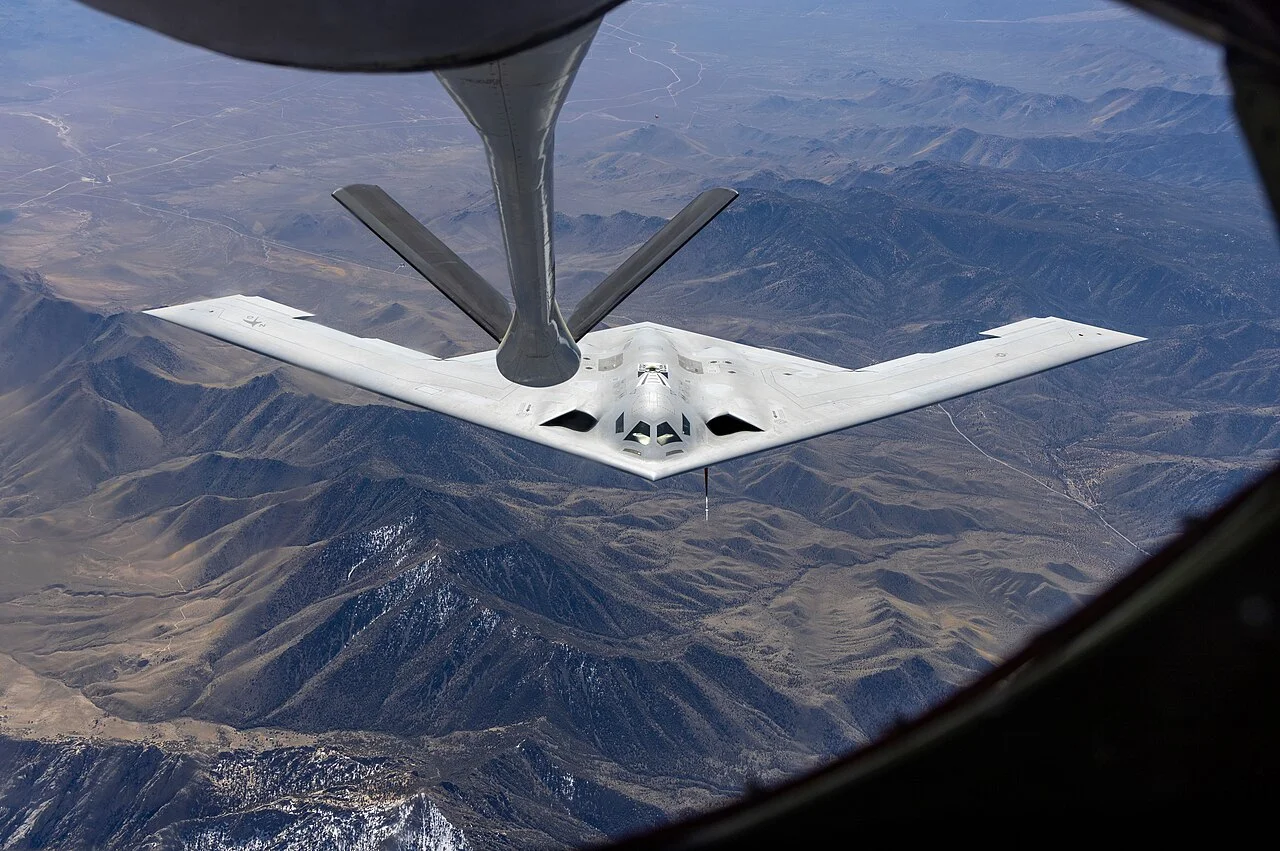
- B-21 Raider: $2.2B procurement + $2.8B development
- F-35: $6.9B
- E-7 Wedgetail: ~$1.6B restored despite the cancellation plan
Background: The E-7 Fight Ends Congress’s Way
The Air Force had again planned to kill the E-7 in FY27, but Pentagon leadership reversed course in May, with Defense Secretary Hegseth declaring the program “has a future.” The committee’s $1.6 billion effectively closes the argument — following Congress’s early-June move that pushed the developmental buy to seven aircraft through $2.4 billion in contract modifications.
Where the Money Goes
| Account | Amount | Note |
|---|---|---|
| Procurement | $248.3B | Ships, aircraft, missiles |
| RDT&E | $221B | Includes $2.8B B-21 development |
| Operations & maintenance | $335.3B | Readiness |
| Personnel | $204.1B | Pay and benefits |
| Munitions | $10.6B + $0.84B | Legacy lines plus low-cost munitions |
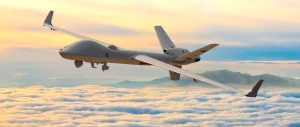
| Drones / counter-drone | $2.4B | DAWG and JIATF-401 |
The pattern is unmistakable: weight is shifting from marquee platforms toward magazine depth and unmanned systems. Full-rate PAC-3 and THAAD lines, a dedicated low-cost munitions account and a $2.4 billion drone package translate the consumption rates of Ukraine and the Middle East directly into budget language.
Why It Matters for Turkey
First, the E-7 rescue directly benefits Ankara: the Turkish Air Force was the world’s first E-7 operator with its E-7T Peace Eagle fleet, and a living US program secures the spares, software and modernization ecosystem for the next two decades. Second, the munitions race expands a market where Turkish industry is strong — ROKETSAN’s and MKE’s growing production lines are competitive answers to NATO’s hunt for affordable, fast-delivery munitions, and the export visibility of Steel Dome components rides the same wave. Third, a trillion-dollar allied budget validates Turkey’s localization strategy: in an ecosystem spending at this scale, owning your production line beats waiting in someone else’s queue, on both cost and schedule.
Frequently Asked Questions
Is this law yet?
$1 trillion or $1.07 trillion?
Is the E-7 safe for good?
Bottom Line
The FY27 bill shows US defense planning prioritizing stockpile depth, unmanned mass and industrial resilience over new starts — and the E-7’s return proves Congress still gets the last word in procurement fights.