NATO Strengthens Air and Missile Defense in the Baltic and Black Sea

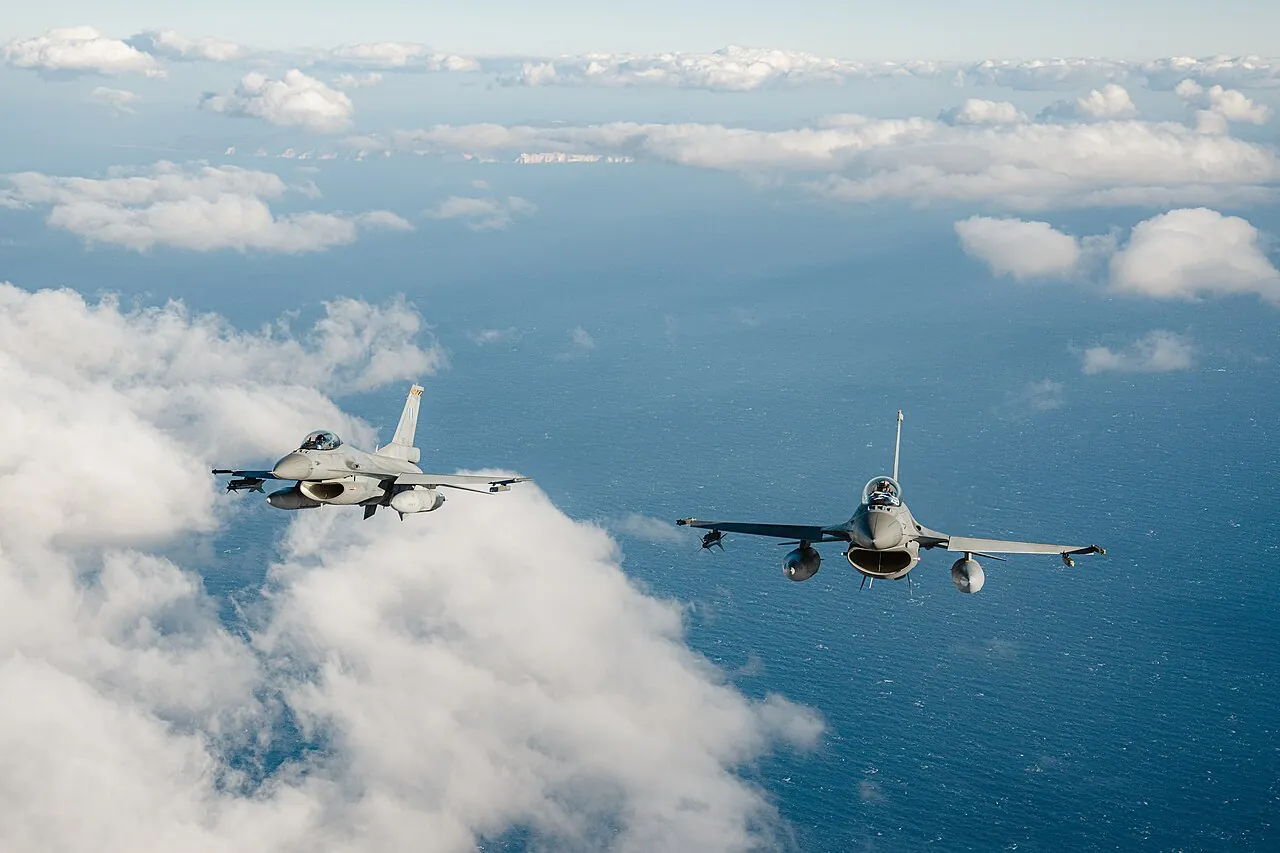
NATO has tested its eastern-flank air and missile defense posture in two separate exercises. According to Allied Air Command (AIRCOM), the alliance ran Flexible Deterrence Option missions in the Baltic and Black Sea, integrating fighters with ground-based air defense systems.
The missions were carried out under the alliance’s Eastern Sentry operation. The aim was to demonstrate interoperability and deterrence by folding aircraft and air defense assets from several nations into one command-and-control network.
What Is the Flexible Deterrence Option?
The Flexible Deterrence Option is one of NATO’s scalable military options for showing force without escalating into a crisis. By rapidly shifting fighters, bombers and air defense assets into a region, it signals the alliance’s resolve and speed of response.
These missions are part of NATO’s Eastern Sentry and enhanced air policing on the eastern flank following Russia’s assault on Ukraine. The Baltic and Black Sea stand out as the two regions where the alliance holds its longest lines of contact with Russia.
What the Two Missions Involved
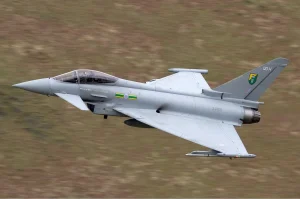
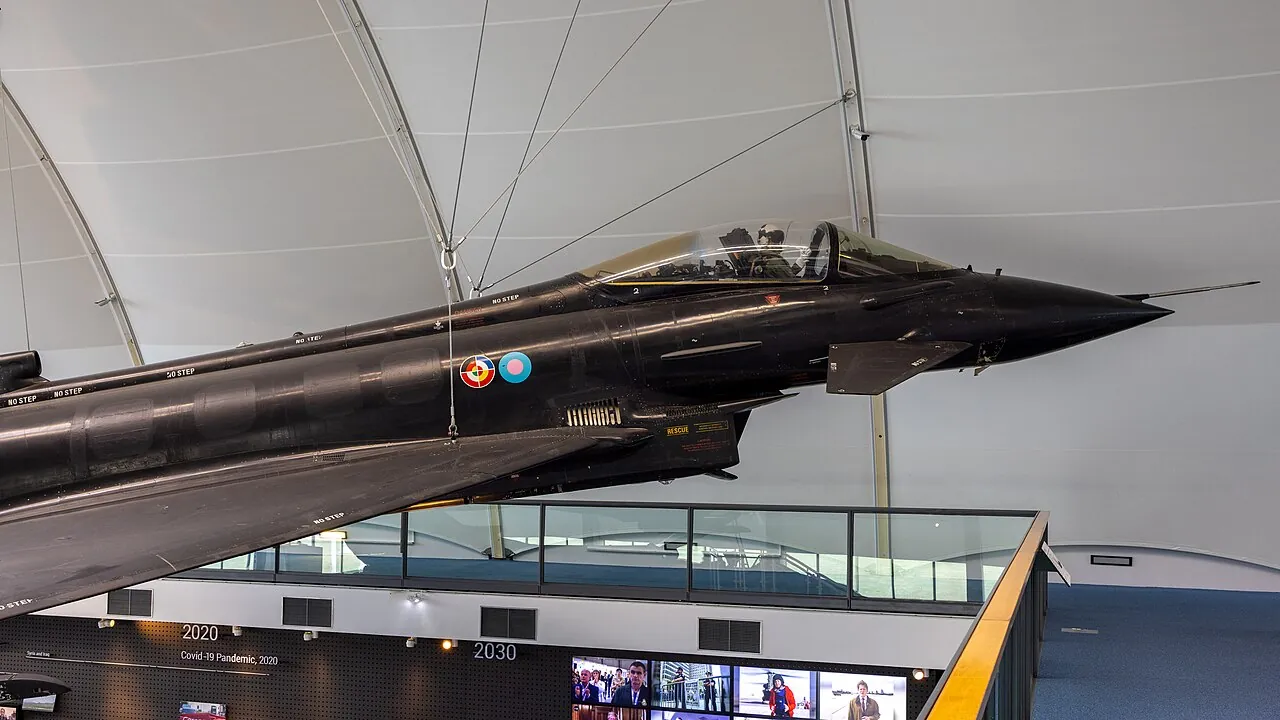
In the 25 June Black Sea mission, Romanian and Greek F-16s, Royal Air Force Eurofighter Typhoons and US Air Force B-52 strategic bombers took part, coordinated with a Bomber Task Force. A Romanian Patriot surface-to-air battery was integrated into the air picture. NATO Multi Role Tanker Transport aircraft provided aerial refueling, with coordination run through CAOC Torrejón in Spain.
In the 30 June Baltic mission, Romanian and Portuguese F-16s launched from Šiauliai in Lithuania and Ämari in Estonia. A Spanish NASAMS surface-to-air system was integrated with the fighters, while NATO AWACS aircraft provided command and control. An RAF pilot said training in an environment mixing air and ground assets brings out how effectively allied forces can operate together.
| Element | Black Sea (25 Jun) | Baltic (30 Jun) |
|---|---|---|
| Fighters | Romanian/Greek F-16, RAF Typhoon | Romanian/Portuguese F-16 |
| Bombers | US B-52 (Bomber Task Force) | — |
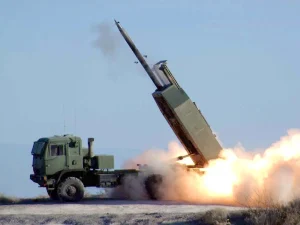
| Ground air defense | Romanian Patriot | Spanish NASAMS |
| Command and control | CAOC Torrejón | NATO AWACS |
| Support | MRTT refueling | — |
| Bases | — | Šiauliai (LT), Ämari (EE) |
Why the Black Sea and Baltic?
The Baltic and Black Sea form the two ends of NATO’s eastern flank. Both regions carry a direct land or sea contact with Russia, so it is here that the alliance’s integrated air and missile defense is tested. By folding aircraft and batteries from several nations into one network, the missions show the technical backbone of NATO’s collective defense.
Romania and Bulgaria host the Black Sea end, while Lithuania and Estonia host the Baltic. The statement made no mention of Turkish participation in these two missions; Türkiye’s role is addressed separately below.
What It Means for Türkiye
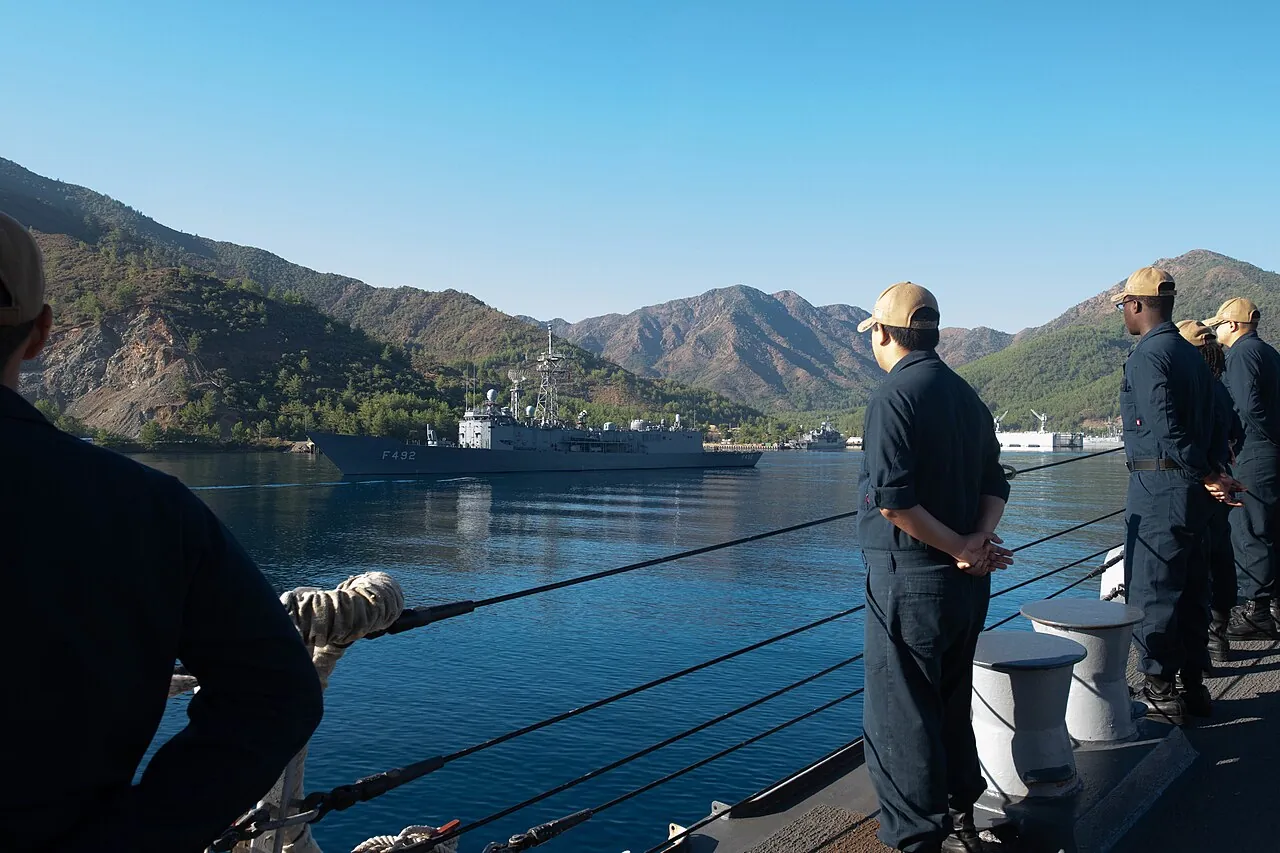
Türkiye sits at the center of the Black Sea security architecture. The country has the region’s longest coastline and its largest NATO navy, and as custodian of the Montreux Convention it regulates passage through the Straits. Even as the FDO missions concentrate in Romania, Bulgaria and the Baltic states, Türkiye remains the southern anchor of the Black Sea.
Rather than depend on allied Patriot or NASAMS batteries, Türkiye is building a national layered architecture. The long-range SİPER, the medium- and low-altitude HİSAR family, and the Steel Dome (Çelik Kubbe) program that ties them together aim to reduce supply dependence and build a sovereign defense capability.
This picture illustrates the complementarity between NATO’s collective defense and Türkiye’s national capability. As the alliance folds allied systems into one network, Türkiye develops its own, both contributing to the alliance and limiting its external dependence. In the Black Sea, deterrence is strengthened by these two layers working together.
Frequently Asked Questions
What is the Flexible Deterrence Option (FDO)?
What systems were used in the missions?
Did Türkiye take part in these missions?
Where does Türkiye’s own air defense stand?
Conclusion
NATO’s two missions in the Baltic and Black Sea showed that the alliance can fold aircraft and air defense systems from several nations into a single network on its eastern flank. Türkiye holds a special place in that architecture through both its geography and the national systems it is developing; the alliance’s collective defense and the country’s sovereign capability complement each other in the Black Sea.