Congress blocks the Pentagon: US Air Force pushes E-7A Wedgetail buy to seven aircraft

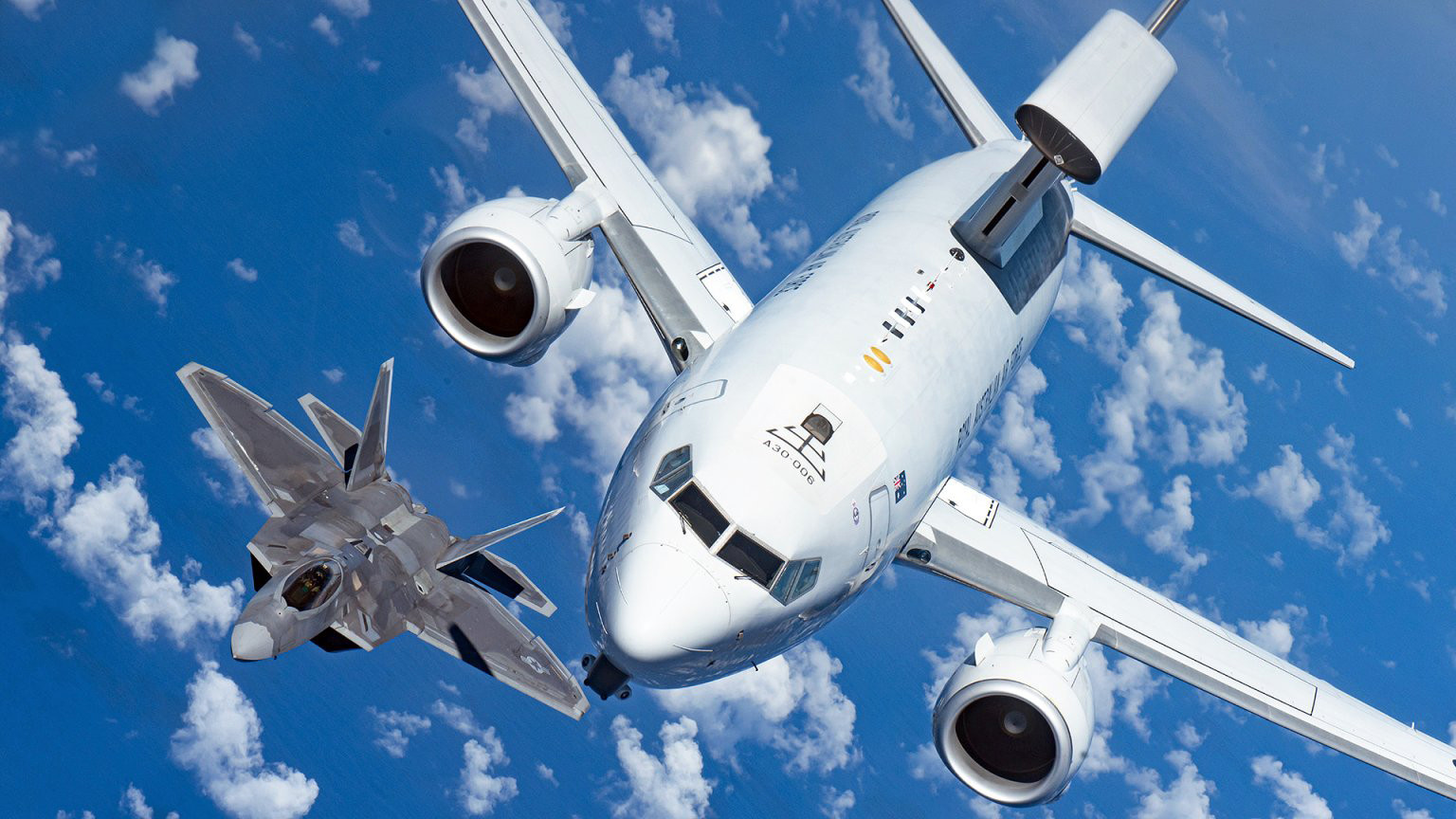
US Congress has pushed back on the Pentagon’s plan to cancel the Boeing E-7A Wedgetail airborne early-warning aircraft. The Air Force secretary said five additional Wedgetails take the total to seven on order, with combined contracts now reaching $2.4 billion.
At a Glance
- What: US Air Force expands E-7A Wedgetail buy
- New: 5 additional aircraft — 7 total on order
- Value: $2.4 billion in Boeing contracts
- Congress: blocked the cancellation plan
- Initial Operational Capability: pushed to 2032
Congress halts the cancellation
The Pentagon’s plan to terminate the E-7A Wedgetail drew sharp pushback from Congress. The House Armed Services Committee, during markup of the annual defense policy bill, accepted an amendment by Rep. Donald Norcross (D-N.J.) blocking the Defense Department from using FY2026 funds to end the Air Force’s E-7 prototyping contract with Boeing or to shut down production. The 2026 Consolidated Appropriations Act signed in February already directed continuation and a move into Engineering and Manufacturing Development (EMD).
Following that congressional pressure, the US Air Force moved forward with five additional E-7A Wedgetail aircraft. As Secretary of the Air Force Troy Meink told a House subcommittee on April 30, a contract modification finalized on March 12 brought the total order to seven aircraft, with the combined value reaching $2.4 billion.
Why E-7A Wedgetail matters
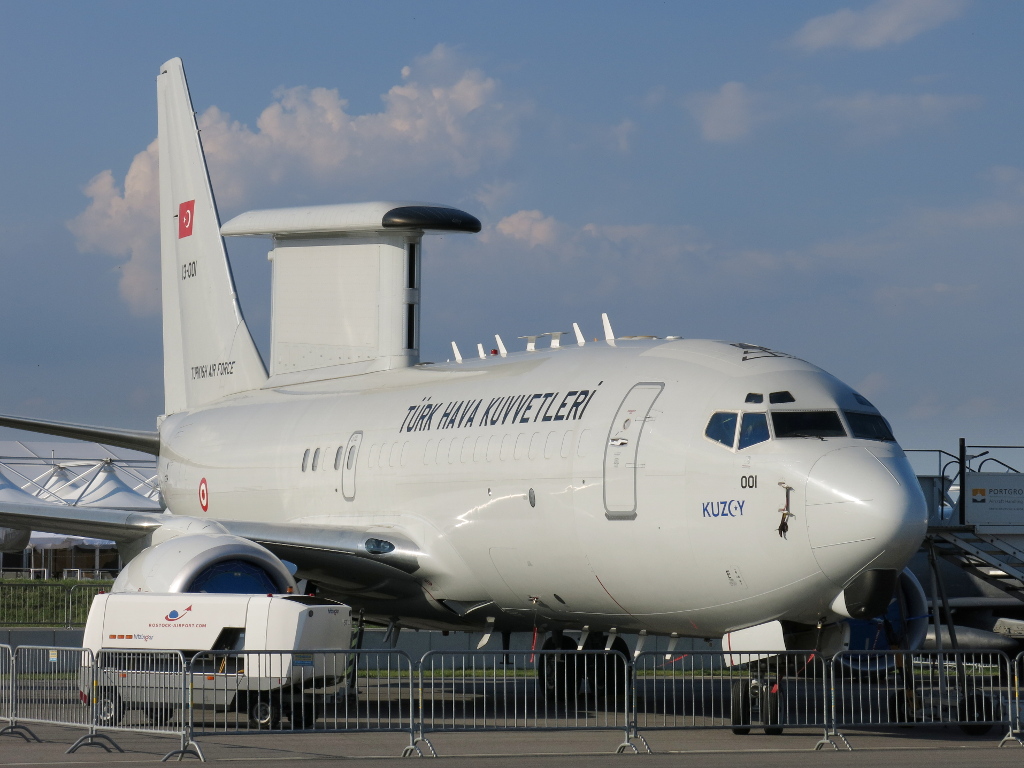
The E-7A is a modern Airborne Early Warning and Control (AEW&C) aircraft built on the Boeing 737 NG airframe and carrying the Northrop Grumman MESA (Multi-role Electronically Scanned Array) radar on a fixed “top hat” dorsal fin. With no rotating dome, MESA delivers a far faster-refreshed air picture than the classic E-3 Sentry AWACS. Australia, the UK and South Korea already operate it, and the US has planned to replace its ageing E-3 fleet with the E-7.
The slip of Initial Operational Capability (IOC) to 2032 had set the stage for the Pentagon’s appetite to walk away. Congress’s pushback reads as a refusal to accept a long-standing airborne early-warning capability gap in the face of China’s expanding air and missile threat.
| Item | Value |
|---|---|
| New buy | 5 x Boeing E-7A Wedgetail |
| Total order | 7 aircraft |
| Contract | $2.4 billion |
| Radar | Northrop Grumman MESA (fixed, phased array) |
| Airframe | Boeing 737 NG |
| IOC | 2032 (pressure to accelerate) |
| Other users | Australia, UK, South Korea, NATO |
From Turkey’s perspective
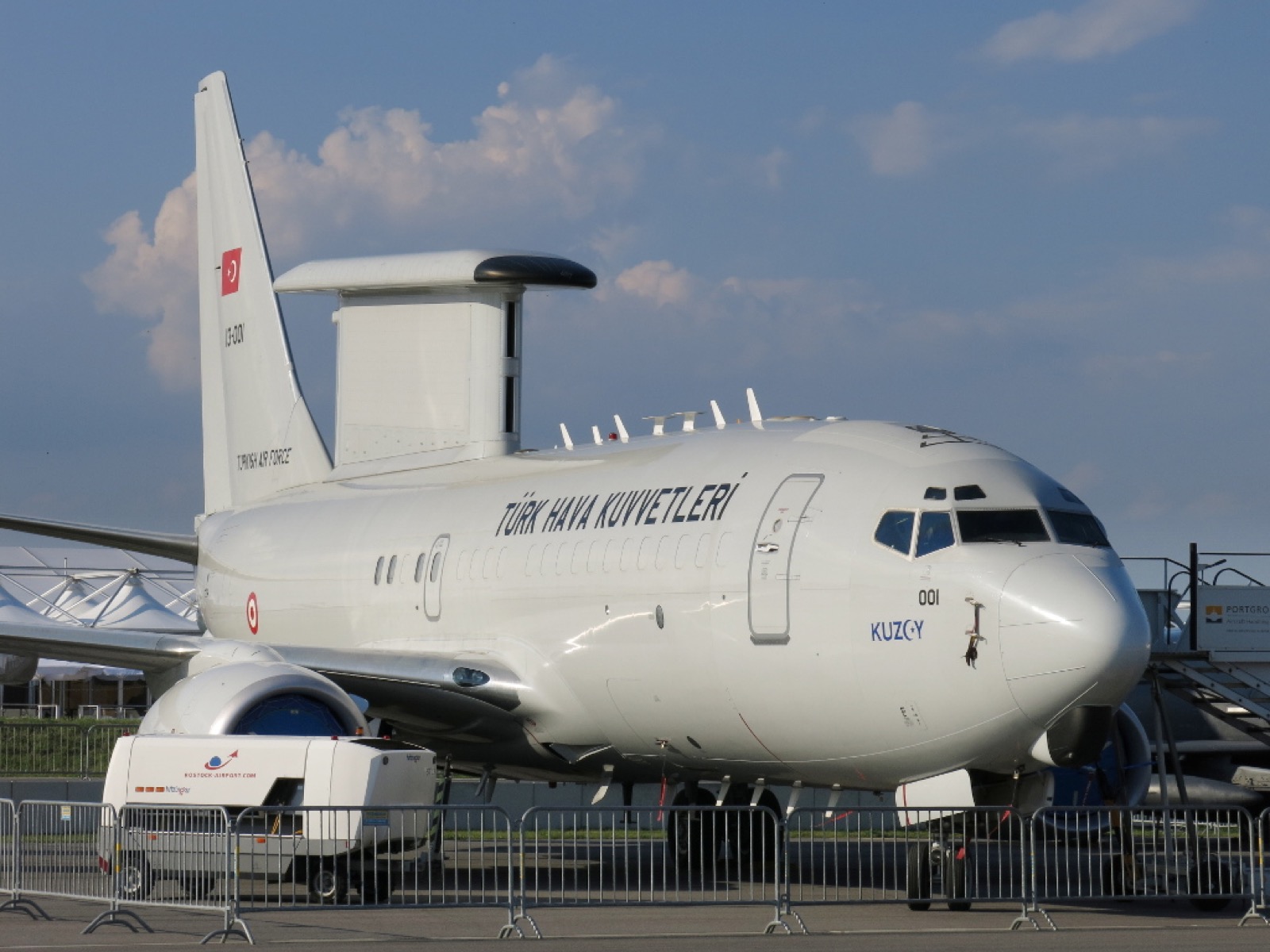
Acting on a similar insight, the Turkish Air Force has been operating four ‘Baris Kartali’ (Boeing 737-700 AEW&C) aircraft since 2014. With the US-Australia-UK trio doubling down on Wedgetail, Turkey’s early adoption — and the central role of its HIK (Airborne Early Warning and Control) capability within a layered architecture complementing NATO AGS — is highlighted once again. Looking ahead, data-fusion from HÜRJET in advanced training and light-combat roles and next-generation platforms such as ANKA-3 and KIZILELMA offers significant potential to thicken Turkey’s airborne command-and-control with national means.
Sources
- Breaking Defense
- Air & Space Forces Magazine
- The War Zone