Hanwha Ocean and ONEX Unveil €1.35B Greece Plan: Elefsina to Become a Mediterranean Naval Hub

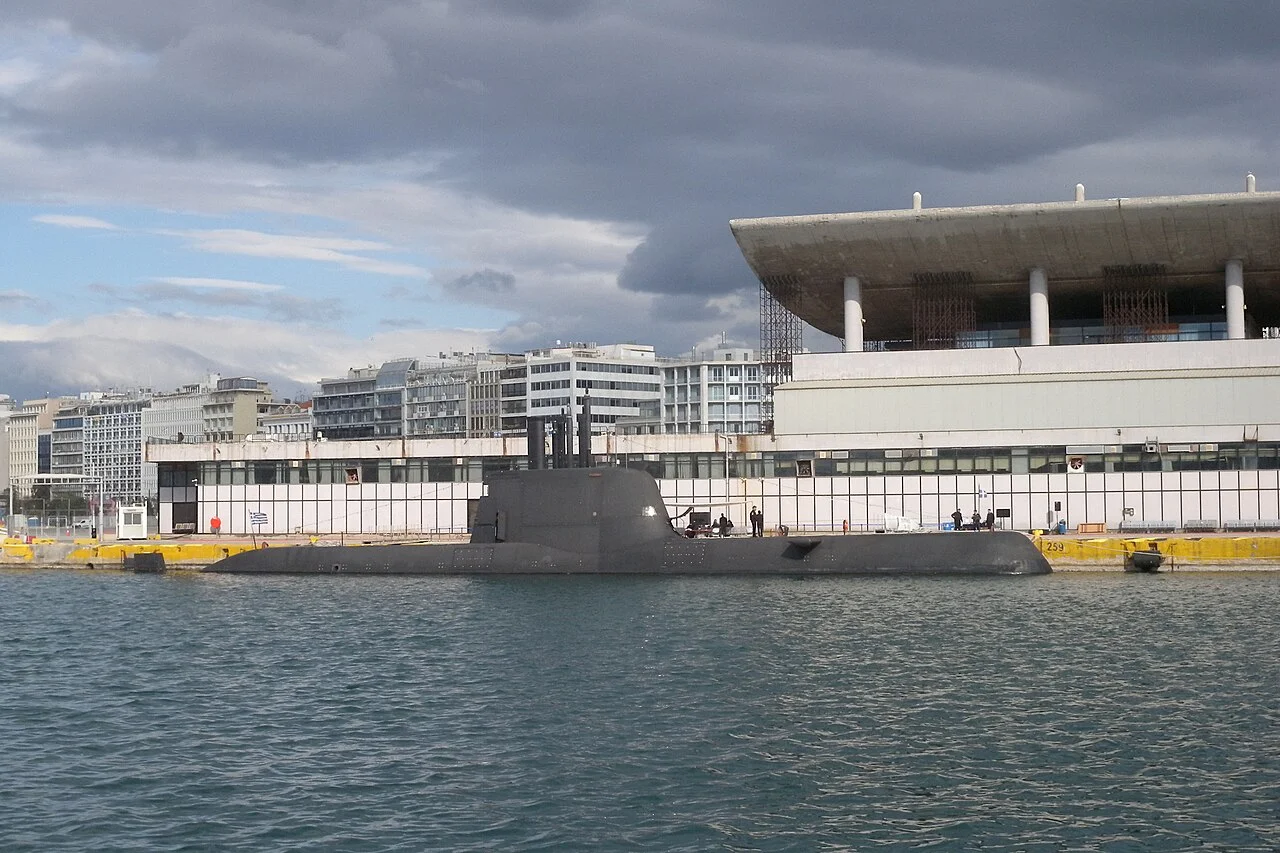
According to Naval News, Hanwha Ocean and ONEX Shipyards & Technologies Group signed a comprehensive Strategic Alliance Agreement following the teaming agreement they concluded in March 2026. The deal aims to revitalise Greek shipbuilding capacity and position the country as a strategic naval manufacturing centre in the Eastern Mediterranean.
At a Glance
- Who: Hanwha Ocean (South Korea) & ONEX (Greece)
- What: Strategic Alliance Agreement + “Project Trident” investment plan
- Value: €1.35 billion (ONEX investment, U.S. DFC-backed)
- Where: Elefsina shipyard, near Athens
- Target: Construction + MRO for the Hellenic Navy and Coast Guard
- Framework: Greece – U.S. – South Korea trilateral cooperation
Background: From March to June
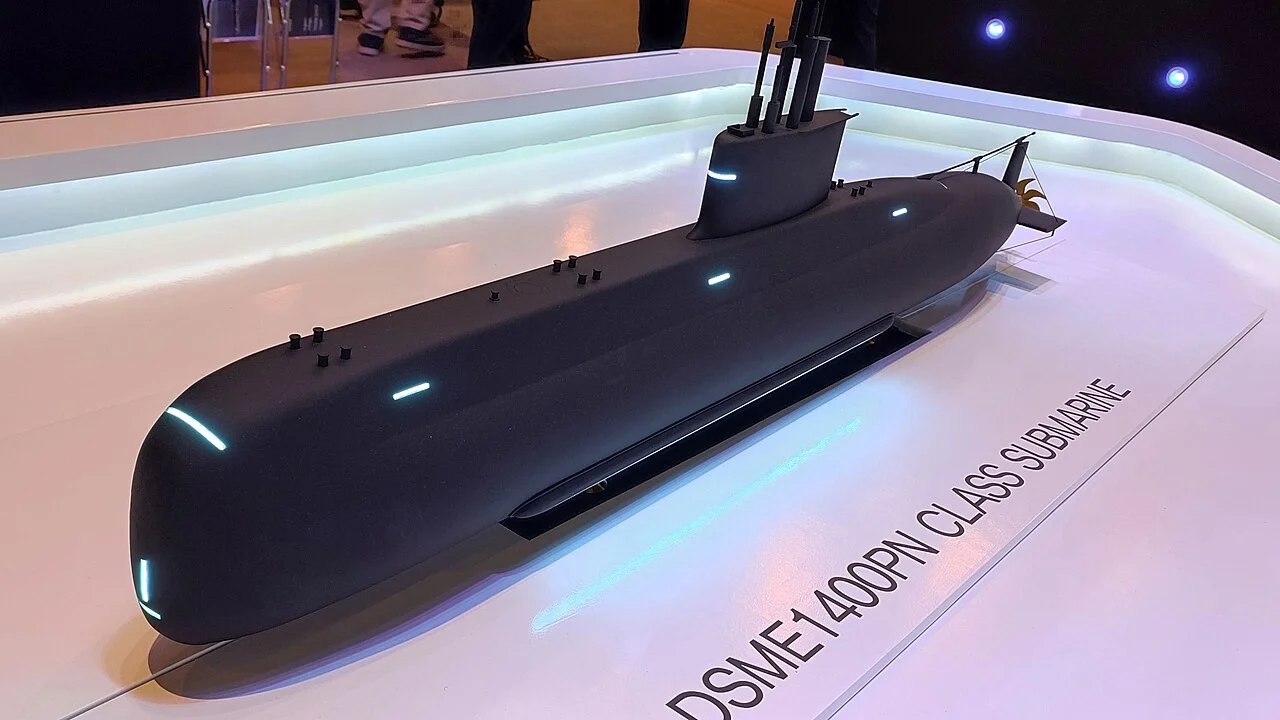
According to earlier reporting by The Defense Post and Naval Today, the two companies took their first step with a teaming agreement in March 2026. The June Strategic Alliance Agreement gave that framework substance through financing and investment commitments. Hanwha Ocean’s lineage is notable in itself: the company is the successor to the yard formerly known as Daewoo (DSME), with a broad production history spanning submarines to large surface platforms.
The Deal’s Components
Under the agreement, ONEX will invest €1.35 billion to upgrade the Elefsina infrastructure in phases, with part of the financing provided by the U.S. International Development Finance Corporation (DFC). Hanwha Ocean will contribute advanced technology and engineering expertise. The shared goal is to establish a naval construction and maintenance-and-repair hub in the Mediterranean serving the Hellenic Navy and allied forces.
| Item | Detail |
|---|---|
| Investment | €1.35 billion (phased, ONEX) |
| Financing | Partly U.S. DFC-backed |
| Facility | Elefsina shipyard (near Athens) |
| Customer | Hellenic Navy and Coast Guard |
| Scope | Construction + MRO, third-country markets |
Regional Context: Shipyard Competition in the Eastern Mediterranean
The agreement concerns not only Greece but the wider naval-industrial balance of the Eastern Mediterranean and Black Sea basin. The partners explicitly stated they are also targeting third-country markets over the medium to long term — signalling a new axis of competition for export-oriented shipbuilding capacity in the region.
Why It Matters for Turkey
Greece’s effort to build capacity through a foreign partner stands out against the level Turkiye has already reached in this field. Turkiye exports its ADA-class corvettes to countries including Malaysia, Pakistan and Ukraine, has built an indigenous warship design-and-production chain through the MILGEM programme, and constructs large platforms such as TCG Anadolu in its own yards. On the submarine side, the indigenous MILDEN project and the Reis-class (Type 214) work continue.
In other words, much of the construction and maintenance capability Greece is seeking through a South Korean partner is something Turkiye has been developing domestically for years. Export projects run by institutions such as STM and ASFAT show that the Turkish naval sector feeds not only domestic demand but a growing international market. Seen in that light, the Elefsina move will sharpen regional competition without erasing Turkiye’s indigenous-production and export advantage.
Frequently Asked Questions
Who is Hanwha Ocean? One of South Korea’s major shipbuilders, formerly known as Daewoo (DSME), with a broad production history including submarines.
What is ONEX? One of Greece’s largest shipbuilding and defence groups, operator of the Elefsina and other shipyards.
What is Project Trident? A €1.35 billion investment roadmap to transform Elefsina into a regional shipbuilding, logistics and defence-manufacturing hub.
Bottom Line
The Hanwha Ocean–ONEX alliance is a trilateral effort — accelerating South Korea’s entry into the European naval-defence market with U.S. financing support. The step will intensify shipyard competition in the Eastern Mediterranean and is one to watch closely from the standpoint of Turkiye’s indigenous, export-driven naval industry.