US Navy Buys 16 Robot Submarines: Boeing Orca Against China in the Pacific


- Platform: Boeing Orca XLUUV — extra-large unmanned undersea vehicle
- Numbers: 2 in FY2027 ($135.8M), 16 total through FY2031 ($1.13B)
- Size: ~51 ft long, 80 tons, 6,500 nm range, 8-ton modular payload
- Mission: covert mine-laying, seabed surveillance, intelligence, future strike
- Context: distributed autonomy in the Pacific against China’s ~40 m XXLUUVs
The crewless submarine is no longer an experiment but an inventory item
The idea of a giant unmanned submarine, stuck for years in labs and test tanks, has finally moved into the ‘weapon to be bought’ line of the U.S. Navy’s budget. Boeing’s Orca has been shifted from experimental status to programmed acquisition; FY2027 sets aside $135.8 million for two vehicles, while the Future Years Defense Program foresees 16 in total through 2031.
The Orca is no ordinary underwater drone. At roughly 51 feet long, 80 tons, and a full 6,500-nautical-mile range, it can leave port, run deep into the Pacific crewless, do its job and return. The real secret of its power lies in the 34-foot modular payload bay: up to 8 tons of sensors, smaller underwater vehicles, communications modules or specialized gear.
For propulsion, a hybrid system pairs batteries with a marine diesel generator. Since GPS does not work underwater, the vehicle finds its way with inertial navigation, Doppler velocity logs and depth sensors. The Navy’s stated first priority is plain: laying mines in enemy waters without putting crewed platforms at risk.
The Pacific equation and Türkiye’s autonomous naval move
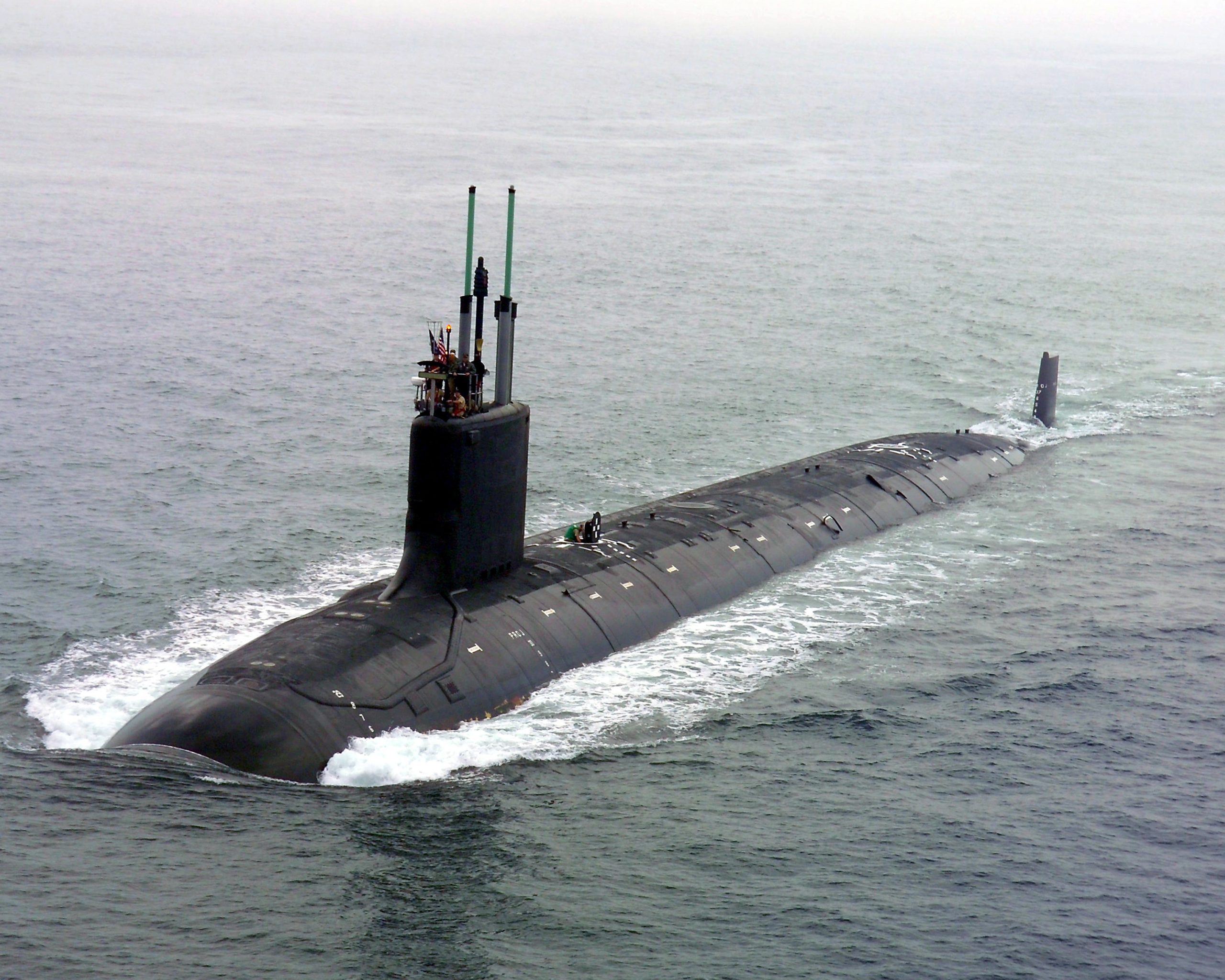
Behind this move is a single word: China. Beijing is known to be working on XXLUUV designs roughly 40 meters long with a reported 18,500 km range; Washington answers with a logic of ‘distributed autonomous warfare.’ What makes the picture more interesting is that the Orca does not replace Virginia-class nuclear submarines — it relieves them of the riskiest tasks and complements them.
Seen broadly, modern naval warfare is evolving, just as in the air, toward placing cheap and plentiful unmanned systems alongside expensive, scarce platforms. Losing a robot submarine bears no comparison to losing one with a crew aboard; that opens bolder room for commanders to use them.
This is where the Turkish angle surfaces. STM’s TENGİZ extra-large autonomous underwater vehicle and the ULAQ unmanned surface vessel family show that Türkiye caught the same wave early; and with the MİLDEN national submarine project, Ankara is running the crewed and unmanned tracks in parallel. The U.S. Orca decision can be read as confirmation of the Turkish naval industry’s standing in this autonomous undersea race.