Golden Dome’s Brain Goes Orbital: US Satellites Now Talk by Laser

- Actor: Space Development Agency (SDA) — Proliferated Warfighter Space Architecture (PWSA)
- Breakthrough: optical (laser) data links between low-orbit satellites worked
- Function: instantly relay missile early-warning/tracking data satellite-to-satellite
- Context: a required backbone for the Golden Dome shield; in use within 6 months
- Budget: $40B+ for space ($5.6B space interceptors, $7.2B space sensors)
The missile shield’s invisible backbone: laser links
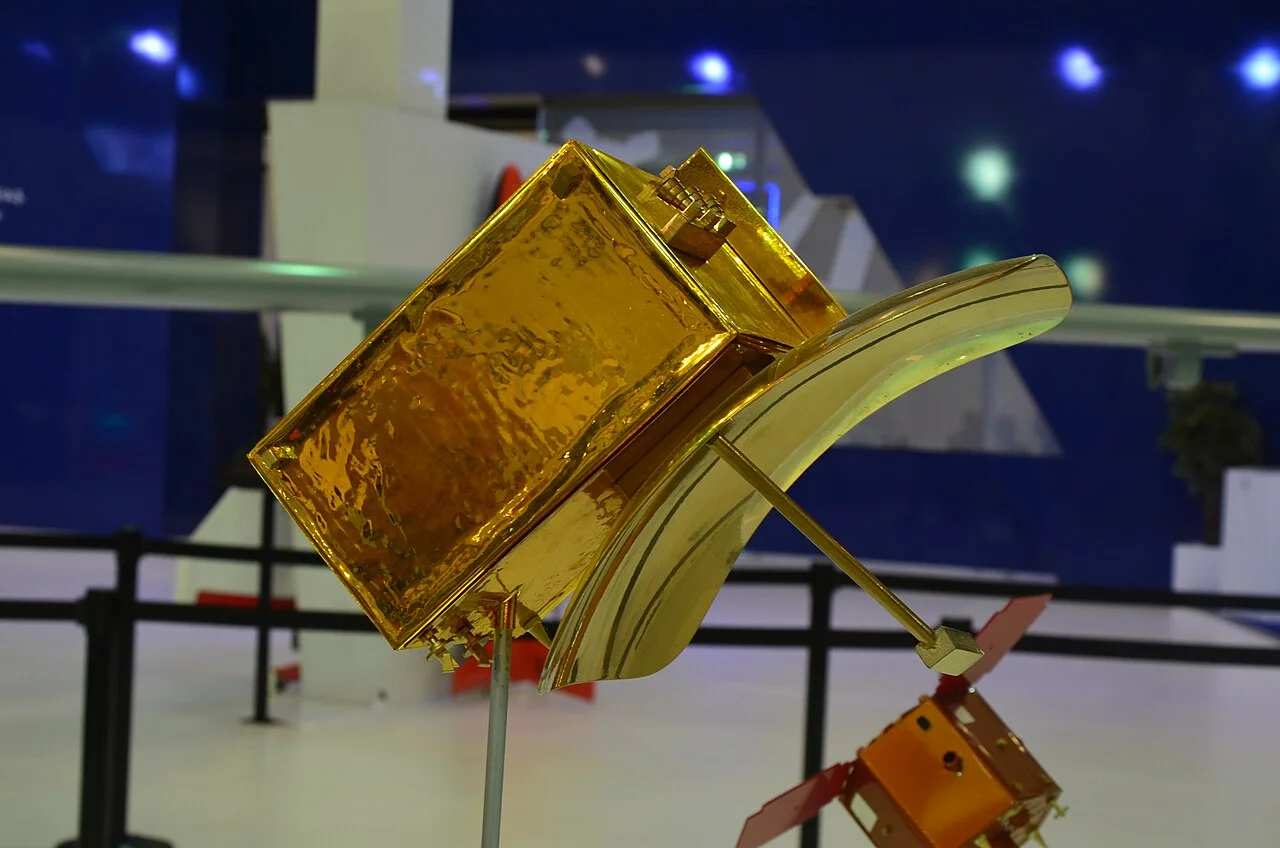
The success of a missile-defense system is often measured less by its weapon than by the speed of its ‘situational awareness.’ That is the most critical piece of America’s future Golden Dome shield: how fast and how securely hundreds of orbiting satellites can move data between them. The Space Development Agency (SDA) announced it has crossed a key threshold, showing its first low-orbit data-relay and missile-tracking satellites ‘talking’ to each other by laser beam.
These laser links build a network far faster than radio waves and far harder to intercept. The mesh network the SDA calls the Proliferated Warfighter Space Architecture (PWSA) aims to run a low-orbit constellation as a single brain. When a missile launches, its heat signature is caught by one satellite, the data hops at light speed to its neighbors, and the target track is shared while the missile is still climbing.
Dig deeper and it becomes clear why this architecture is indispensable for Golden Dome. The Pentagon’s planned multilayer shield requires uninterrupted tracking of hypersonic and ballistic threats from space — possible only through instant satellite-to-satellite data sharing. The SDA hopes to bring the laser links into operational use within the next six months.
The $40 billion flowing into space, and Türkiye’s orbital steps
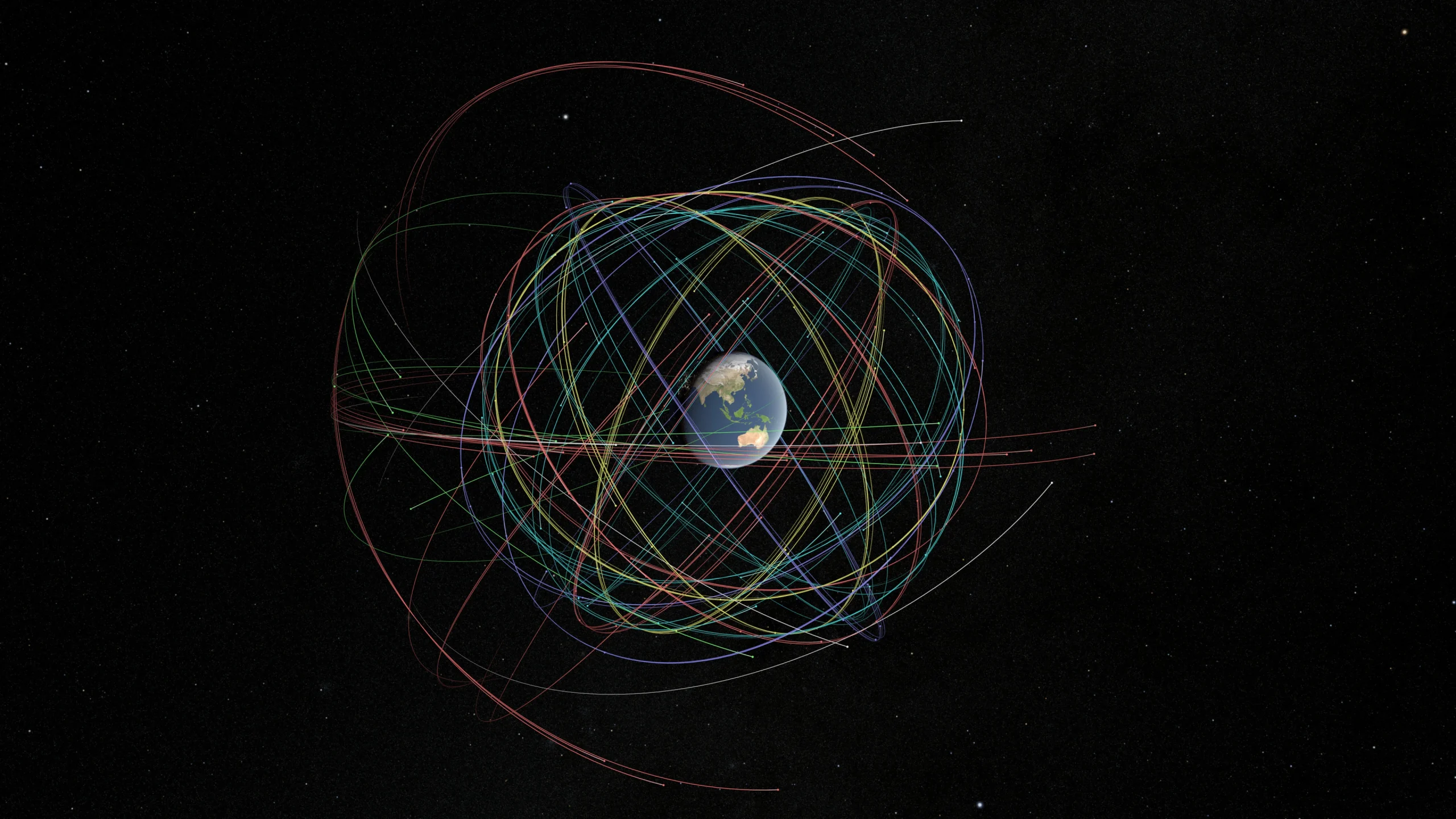
Behind this technological leap sits a colossal budget. The U.S. Congress has pushed space-related spending past $40 billion; of that, $5.6 billion goes to space-based interceptors, $7.2 billion to space sensors, and $2 billion to airborne targeting satellites. Seen broadly, America is financing a paradigm shift that lifts missile defense from the ground into space.
This race is not limited to Washington; space is the new, decisive frontier of defense. Whoever owns satellite constellations gains a critical edge over rivals in both early warning and targeting. That is why mid-sized powers, too, are scrambling to claim their place in orbit.
This is exactly where the Turkish angle comes in. Türkiye is steadily growing its own space-intelligence capability with the GÖKTÜRK reconnaissance satellites and national constellation projects under development; the long-term vision of ÇELİK KUBBE (Steel Dome) includes a space-based early-warning layer too. The road America is drawing with Golden Dome looks in the same direction as Ankara’s goal of extending air and missile defense toward orbit — different in scale, shared in direction.