China Challenges the F-35: Export Stealth Fighter J-35AE Takes the Stage


- Aircraft: J-35AE — AVIC-built, land-based export stealth fighter
- Reveal: Chinese state TV CCTV, 5 May 2026, tail ‘001’, English-language export branding
- Performance: Mach 1.8-2.0, 1,200-1,350 km combat radius, internal weapons bay
- Price: $50-70 million (F-35: $80-120 million)
- First suitor: Pakistan — interest in up to 40 jets, pilot training begun in China
Beijing’s cheap alternative to the F-35 takes the stage
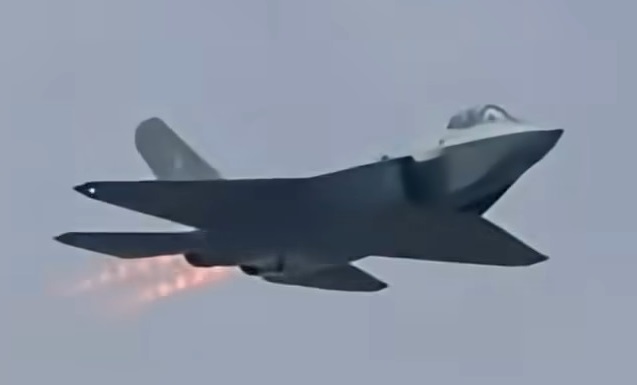
China has pushed its long war for the fifth-generation fighter market onto a new front. In footage aired by state broadcaster CCTV on 5 May, a J-35 appeared with ‘001’ on its tail instead of a PLA emblem and carrying English-language export markings. The message was plain: this jet is not for China’s air force — it is for sale.
The J-35AE is the family’s third configuration. First came the carrier-based ‘Blue Shark,’ then the land-based J-35A; the AE strips out carrier-specific parts such as folding wings and an arresting hook, simplified for foreign air forces. AVIC’s aim is clear: to crack the West’s F-35 monopoly with a stealth fighter that is cheap to buy, easy to build and maintain.
The numbers back the pitch. The manufacturer claims speeds of Mach 1.8-2.0, a combat radius of 1,200-1,350 km, and an internal weapons bay with six hardpoints carrying roughly 8 tonnes of payload. An AESA radar, distributed-aperture sensors and an infrared-reducing dielectric coating carry its fifth-generation claim.
The engine problem, Pakistan’s appetite, and the KAAN picture
Yet the stealth fighter’s weakest link is, once again, the engine. The J-35AE can fly with WS-13E, WS-21 or the intended, more powerful WS-19 turbofans in various configurations; but the 110-116 kN WS-19 is not yet standardized in serial production. That raises the worry that the jet’s real performance could fall short of its paper promises.
Even so, demand is already surfacing. Pakistan has signaled interest in up to 40 aircraft, with pilot training reportedly under way in China. Dig deeper and the picture is this: for countries that cannot or will not buy the F-35, the J-35AE is the only affordable door into the stealth club. Still, against Lockheed’s 1,200-plus deliveries, 15-plus operator nations and mature logistics, China’s total of 57 jets across all variants is far from production maturity.
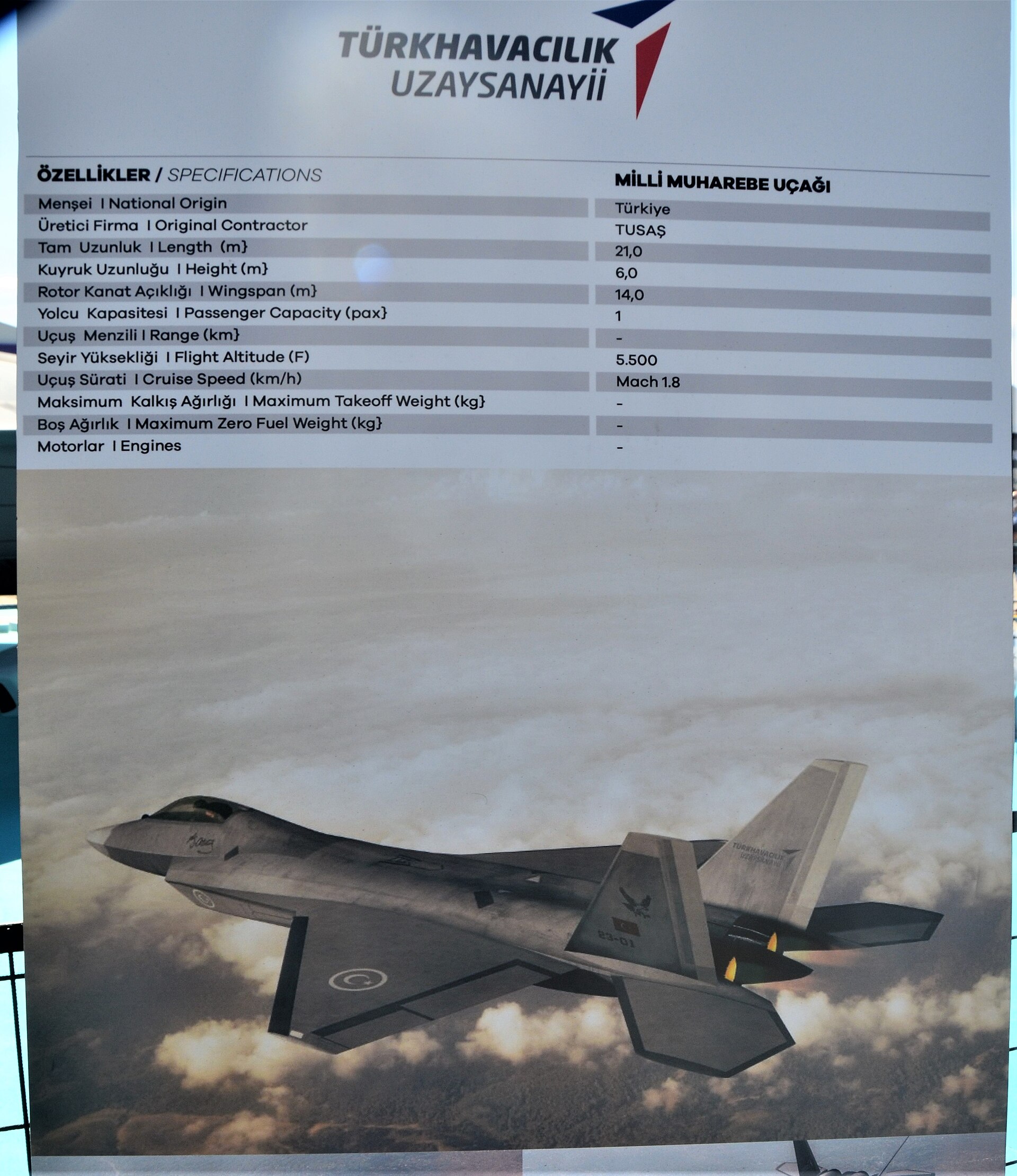
Seen broadly, this rivalry is turning into a stage where Türkiye is also a player. TUSAŞ’s KAAN aims to fill exactly this ‘non-Western fifth generation’ gap with national means; the cooperation signed with Indonesia and rising export interest show Ankara could chase the same customers as Beijing. The difference is that KAAN is testing a distinct position, leaning on compatibility with allied standards and Western-origin systems.