





Ukraine unveils remote-controlled unmanned BRDM-2M, ready for anti-drone active protection

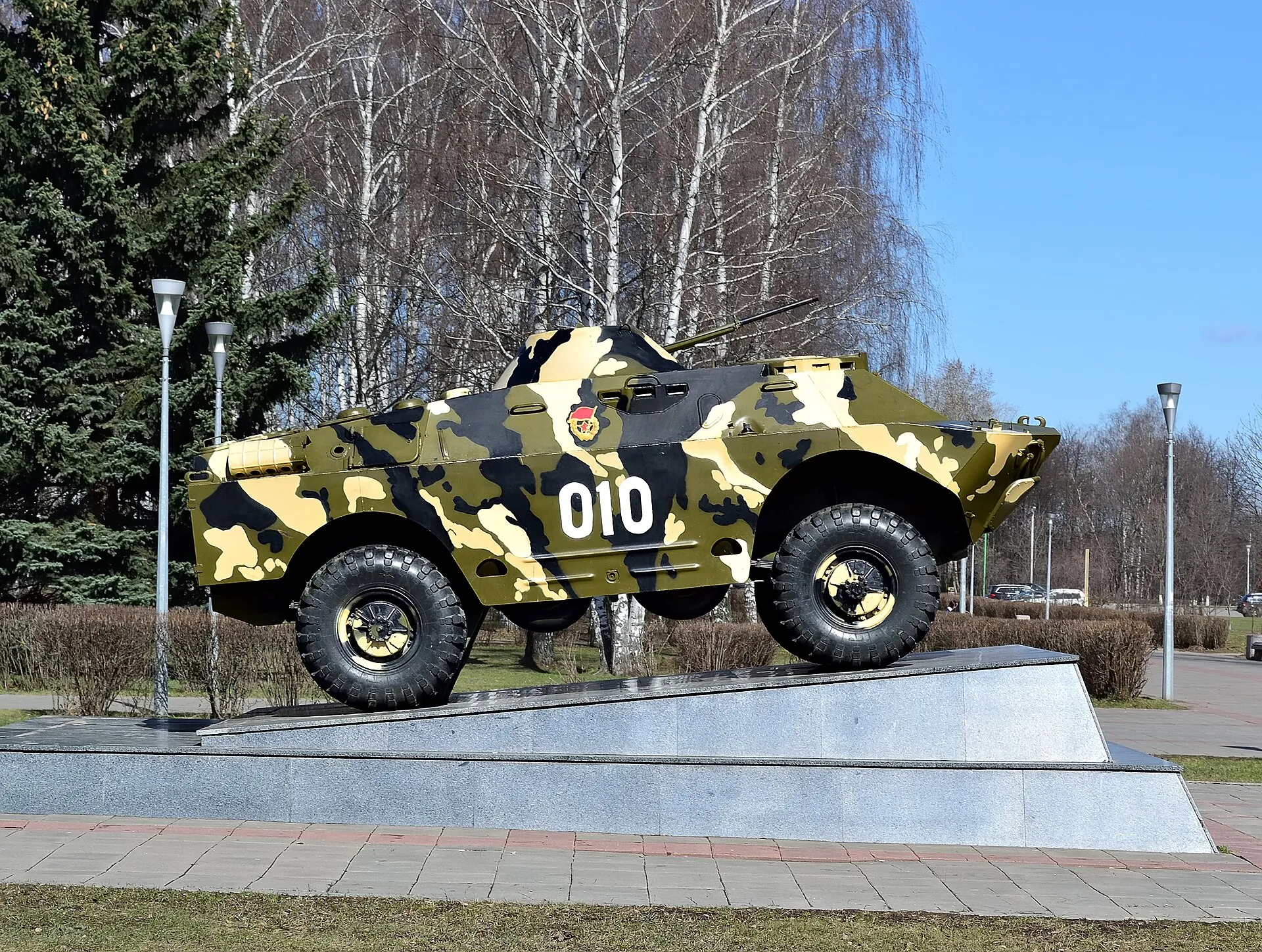
Ukraine’s ArmSpetsTechnology has unveiled a remote-controlled, extensively modernised unmanned BRDM-2M armoured vehicle for logistics missions near the front line.
Representative image: BRDM-2 armored vehicle (representative)
Announced on 16 July 2026, the vehicle offers hybrid operation: personnel can drive it manually to a designated area, then switch to remote-control mode. According to a company official, it was developed mainly to move logistics near the line of contact without putting crew at risk.
Protection against the drone threat received special attention. The hull has mounting points for an active protection system (APS) designed to defeat drones; the company said these tests have been ongoing for about six months with ‘very good results.’
At a Glance
- Date: 16 July 2026 · Developer: ArmSpetsTechnology (Ukraine)
- Platform: remote-controlled unmanned BRDM-2M armour
- Use: frontline logistics + optional combat module
- Weapon: 12.7 mm machine gun (day/night observation channels)
- Anti-drone APS mounts ready; tested for ~6 months
Technical details
The vehicle features a four-camera 360-degree view system letting the operator watch the surroundings on monitors. It integrates a new transmission with automatic-like modes, a new engine and gearbox, and enhanced armour throughout the hull. The remotely-controlled combat module houses a 12.7 mm machine gun with day/night observation channels.
Per the company, basic conversion costs up to 4 million UAH and the combat module up to 3 million UAH. The approach could revitalise 300–500 BRDM vehicles currently sitting unused in Ukraine’s inventory.
Why unmanned logistics?
‘Last-mile’ resupply near the front is precisely where FPV drones hunt most intensely. An unmanned logistics platform removes crews from that risk band for tasks like ammunition, fuel and casualty evacuation. Fitting the same hull with a combat module gives multi-role use from one platform.
Building anti-drone active protection into the design from the outset reflects the reality that the biggest battlefield threat is no longer artillery or tanks, but cheap loitering drones.
Regional and strategic meaning
Unmanned ground vehicles (UGVs) are maturing as the land-warfare counterpart of unmanned aircraft. Practical solutions emerging on the Ukrainian battlefield are reshaping logistics and reconnaissance doctrine for large armies too. Reclaiming idle inventory by making it unmanned is a striking example of generating capability from limited resources.
Many countries, Turkey included, run unmanned ground vehicle and robotic logistics programs. Testing such systems against frontline reality shows future land warfare evolving into a human-machine mix.