Munition vs Ammunition: Meaning, Types and the Turkish Word Mühimmat

A munition is any device fired, dropped, launched or placed to deliver an explosive or penetrating effect: bullets and artillery shells, bombs, rockets, missiles, mines and torpedoes. Ammunition is the narrower, everyday word for what a gun fires, such as cartridges and shells. In other words, every round of ammunition is a munition, but a guided bomb or a sea mine is a munition that nobody would call ammunition. In Turkish, both ideas are covered by a single word, mühimmat, which comes from the Arabic muhimmât, meaning “important, necessary things”.
Short answer
Türkiye’s Defence Industry Agency (SSB) defines mühimmat in its official glossary as “every kind of explosive or penetrating material fired from firearms”, and lists cephane as its synonym. When Turkish news talks about a “mühimmat depot”, “smart mühimmat” or a “mühimmat crisis”, it means the same thing English-language reporting means by munitions: not the weapon itself, but what the weapon sends downrange.
A simple comparison helps. If the gun is a camera, the munition is the film. However good the camera is, the work stops when the film runs out. That is the lesson the war in Ukraine has taught Europe since 2022.
Munition, ammunition, round, cartridge: what is the difference?
These words are often used interchangeably in news reports. That is usually harmless, but in military usage they sit at different levels. “Munition” is the widest umbrella; “cartridge” is the most specific.
| Term | What it means | Example |
|---|---|---|
| Munition | Any explosive or penetrating device for military use, whether fired, dropped, launched or emplaced | Bomb, missile, mine, shell, cartridge |
| Ammunition | Munitions fired from weapons; in daily speech, a soldier’s rounds | 7.62 mm rifle ammunition |
| Round | One complete unit of ammunition, ready to fire | “Each soldier carried 210 rounds” |
| Cartridge | A small-arms round: case, propellant, primer and bullet together | 9×19 mm pistol cartridge |
| Bullet / projectile | The part that actually leaves the barrel and travels to the target | Full metal jacket bullet |
| Fuze | The device that sets off the explosive at the right moment | Impact fuze, proximity fuze |
Put simply: every cartridge is a munition, but not every munition is a cartridge. An air defence missile, a sea mine and a hand grenade are all munitions.
What is inside a cartridge and an artillery shell?
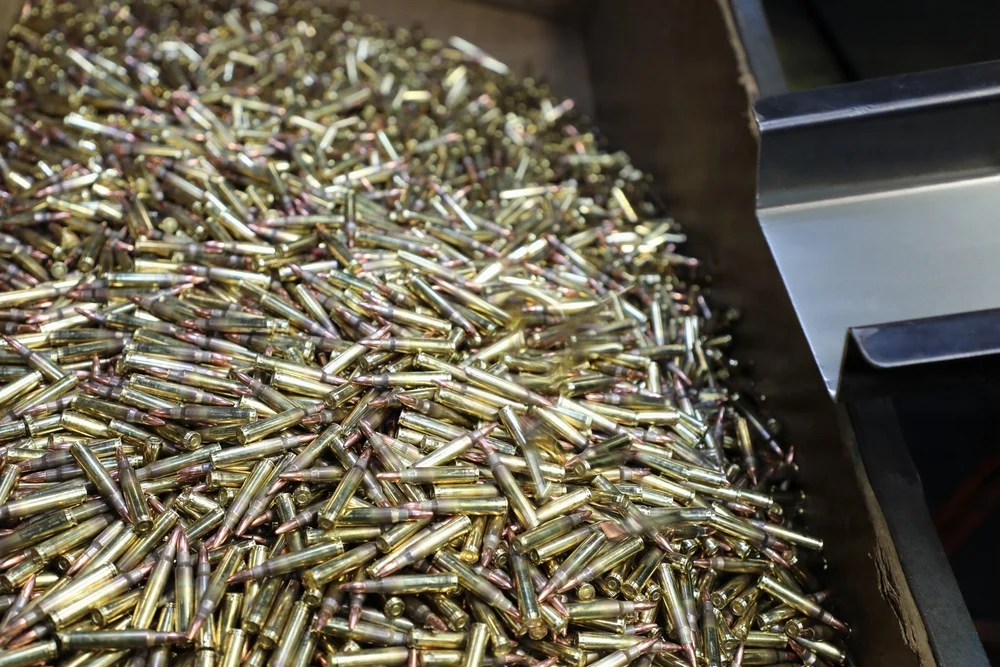
A single rifle round is a small four-part machine. When the trigger is pulled, the firing pin strikes the primer. The primer’s sensitive compound ignites the powder inside the case. The powder burns extremely fast, and the gas it produces pushes the bullet out of the barrel. Only the bullet reaches the target. A 5.56 mm rifle bullet weighs only about 4 grams; what makes it lethal is not its weight but its speed of several hundred metres per second.
Artillery is a different scale. A 155 mm howitzer shell weighs more than 40 kilograms, roughly what an adult can lift with effort. Its steel body is filled with explosive and its nose carries a fuze that decides when it will burst. In large guns the shell and the propellant that throws it are usually loaded separately, and gunners choose how many charges to load depending on the distance to the target. More charges mean longer range.
Schematic only, not to scale. Main components of a cartridge and an artillery shell. Illustration: Envanter Medya
Types of munitions: from cartridges to missiles
The most practical way to classify munitions is by the weapon that delivers them. Across this spectrum, from a soldier’s rifle to a submarine’s torpedo, range and destructive effect grow with calibre.
| Type | Typical calibre / example | Where it is used |
|---|---|---|
| Small arms ammunition | 9 mm, 5.56 mm, 7.62 mm, 12.7 mm | Pistols, rifles, machine guns |
| Medium-calibre ammunition | 20 to 40 mm | Armoured vehicle turrets, naval guns, short-range air defence |
| Mortar bombs | 60, 81, 120 mm | Close fire support for infantry |
| Artillery shells | 105 mm, 155 mm | Howitzers firing tens of kilometres |
| Rockets | Unguided and guided artillery rockets | Multiple rocket launchers |
| Aerial bombs | General-purpose bombs, guidance-kit bombs | Fighter jets, armed drones |
| Missiles | Anti-tank, air defence, cruise missiles | Land, air and sea platforms |
| Naval munitions | Torpedoes, sea mines, depth charges | Ships and submarines |
| Loitering munitions | So-called kamikaze drones | Circle over an area, then dive on a target |
From “dumb” to smart munitions
Unguided shells and bombs are half-jokingly called “dumb munitions”: once released, their path cannot be corrected. Hitting a target requires many shots or getting very close. A smart or precision-guided munition corrects its own course in flight, using satellite navigation, a laser spot, an infrared image or radar. SSB’s glossary describes it as a munition “that can be guided to a specific location or target with precision strike capability”. Where dozens of bombs were once needed for one target, a single shot is now often enough.
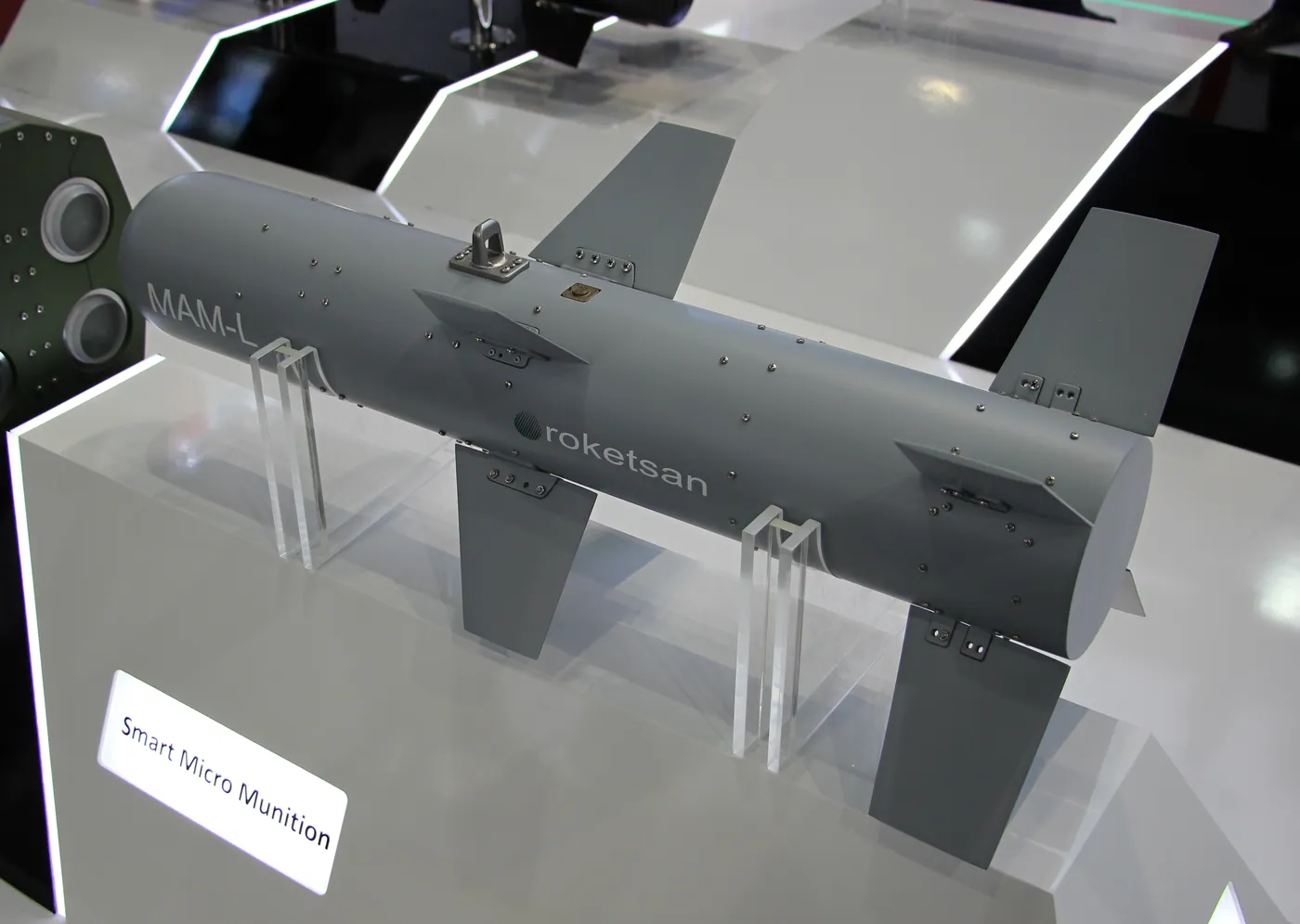
Türkiye’s shift in this field became visible above all through its armed drones. Roketsan’s MAM-L literally carries the word in its name: it stands for Mini Akıllı Mühimmat, “mini smart munition”. Designed to be small and light enough for a drone to carry, it helped turn Turkish unmanned aircraft from reconnaissance tools into strike platforms.
Guidance kits that turn an ordinary aircraft bomb into a long-range precision weapon belong to the same family. ASELSAN’s KGK-84 wing guidance kit for the MK-84 bomb is one example. More recently, the AKINCI drone scored a hit in the first firing of ASELSAN’s MGK munition. The weak point of smart munitions is that satellite-based guidance can be jammed, which is why many designs also carry inertial navigation.
Loitering munitions: part aircraft, part warhead
The most talked-about category in recent years is the loitering munition, popularly called a kamikaze drone. It flies to a target area, circles while searching, and when it finds a target it dives onto it and detonates. It behaves like a reconnaissance aircraft and a projectile at the same time. STM’s KARGU-2 is the best-known Turkish example. How central these systems have become is shown by the Turkish Chief of General Staff’s stated goal of 5 million kamikaze systems in five years and 10 million in ten.
Why munitions matter: the lesson of Ukraine
After the Cold War, European armies long assumed that a large-scale land war would not return. Stockpiles shrank and factories closed or slowed down. When full-scale war began in Ukraine in 2022, it became clear that artillery still shapes the battlefield and that daily consumption far outstrips peacetime production. In March 2023 the European Union pledged to deliver one million artillery rounds to Ukraine within 12 months; the target was not met on time.
Military planners talk about magazine depth: what matters is not only how many weapons an army has, but for how many days or weeks it can keep them firing. Even the most advanced gun becomes an ornament once its ammunition runs out. Since 2022 the West has been investing in new production lines, from the United States to Norway.
Who makes munitions in Türkiye?
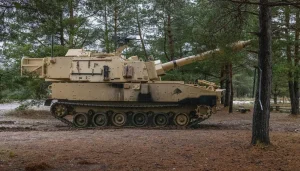
The oldest name in Turkish munitions production is MKE (Mechanical and Chemical Industry), which traces its corporate history back to the Ottoman cannon foundry Tophane-i Âmire. It produces everything from small-arms cartridges to mortar and artillery ammunition, aircraft bombs and explosives. MKE has also expanded abroad, opening a second ammunition plant in Jordan, and it builds the weapon system of the T-155 FIRTINA howitzer, as covered in our report on the latest FIRTINA delivery.

In guided munitions and missiles, Roketsan, ASELSAN and TÜBİTAK SAGE lead. Roketsan’s portfolio runs from artillery rockets and anti-tank missiles to drone munitions and cruise missiles; ASELSAN works on guidance kits and new precision munitions; TÜBİTAK SAGE is the design centre behind several guidance kits and the SOM cruise missile family. As a NATO member, Türkiye produces to common alliance standards, which is why a Turkish cartridge can be fired from an allied rifle.
What to do if you find unexploded ordnance
Munitions leave a dangerous legacy long after a war ends: unexploded ordnance (UXO). Shells, bombs or grenades that failed to detonate can lie in the ground for decades and remain lethal.
- Do not touch, move or throw anything at the object.
- Do not approach it even to take a photo; move away and keep others back.
- Remember or mark the location from a safe distance.
- Call the emergency services or police immediately (112 in Türkiye and across Europe).
Frequently asked questions
What is the difference between munition and ammunition?
Munition is the broader term for any explosive or penetrating device used in war, including bombs, missiles and mines. Ammunition usually refers to what a weapon fires, such as cartridges and shells.
What does mühimmat mean in Turkish?
Mühimmat is the Turkish word for munitions and ammunition. It comes from the Arabic muhimmât, “important things”, and is a synonym of cephane.
What is a smart munition?
A munition that can correct its course after launch using satellite navigation, a laser, infrared imaging or radar, and strike a target precisely. Roketsan’s MAM-L and ASELSAN’s KGK-84 are Turkish examples.
What is a loitering munition?
A system that flies over a target area, searches for a target and then dives onto it and detonates. It is often called a kamikaze drone; STM’s KARGU-2 is an example.
What is a munitions depot?
A facility where military munitions are stored safely, usually far from residential areas and under strict security and temperature controls.
Sources
- SSB Savunma Sanayii 360, Glossary of Terms: “Mühimmat”, “Akıllı Mühimmat”, “Güdümlü Mühimmat”
- Turkish Language Association (TDK), Current Turkish Dictionary: “mühimmat”, “cephane”
- Mechanical and Chemical Industry Corporation (MKE), corporate website
Verified and updated: 14 November 2026. This article is based on publicly available information from the sources above and will be updated as new official statements appear.
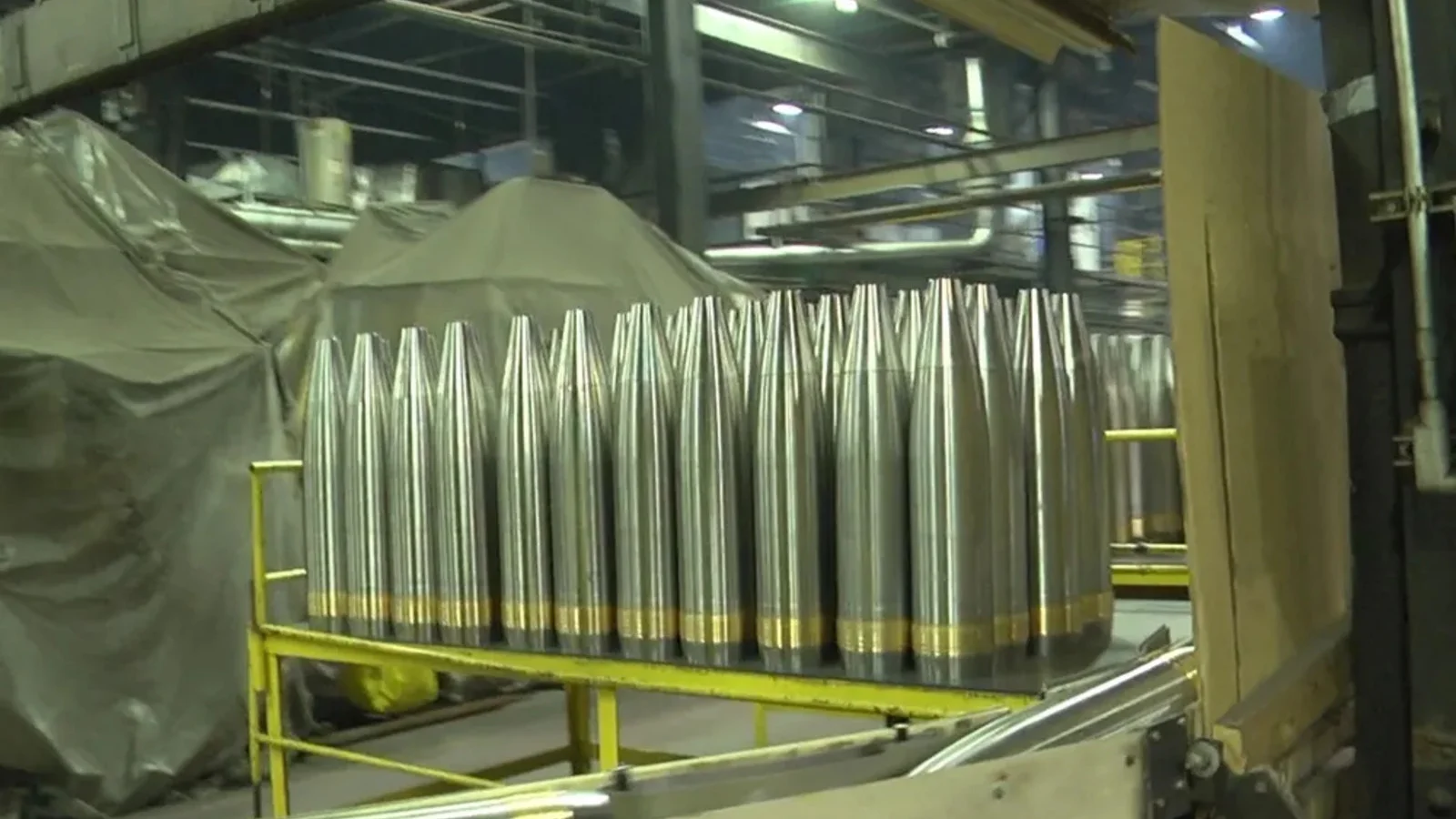
Cover photo: 155 mm shell bodies being produced at a US Army ammunition plant. Photo: US Army (public domain). Illustrative image.