America Crashes France’s Rocket Launcher Race: Lockheed Pitches HIMARS With an 18-Month Delivery Pledge

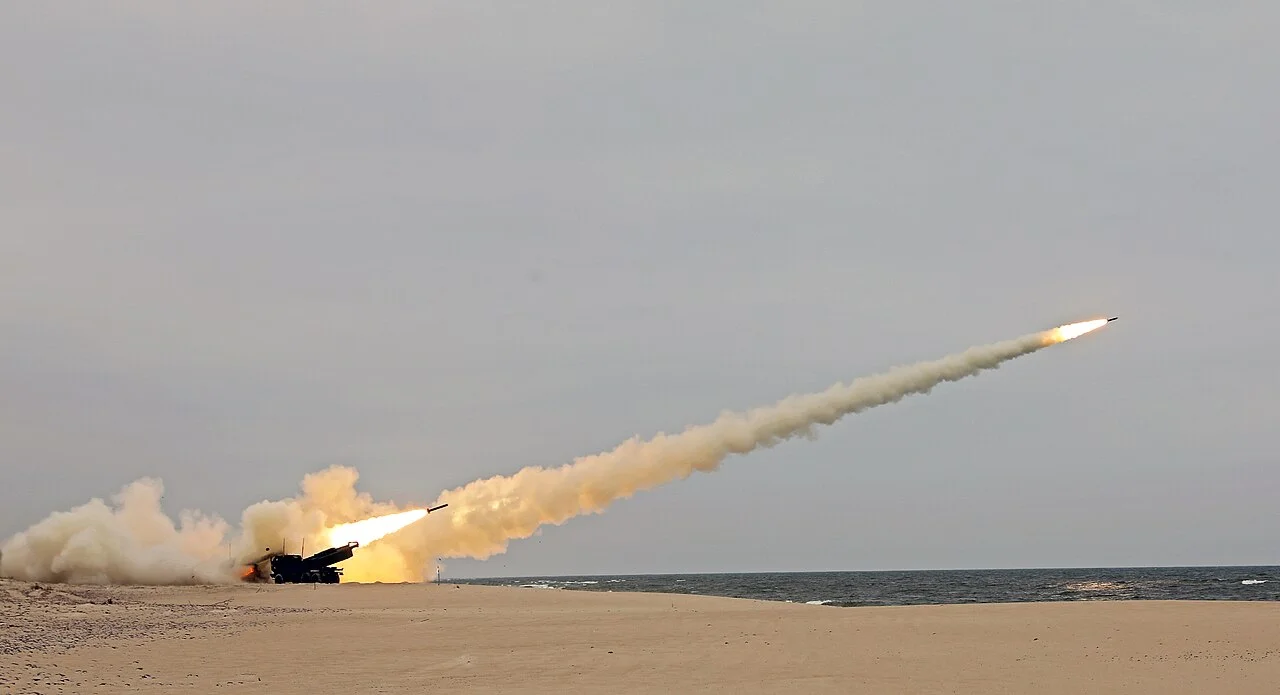
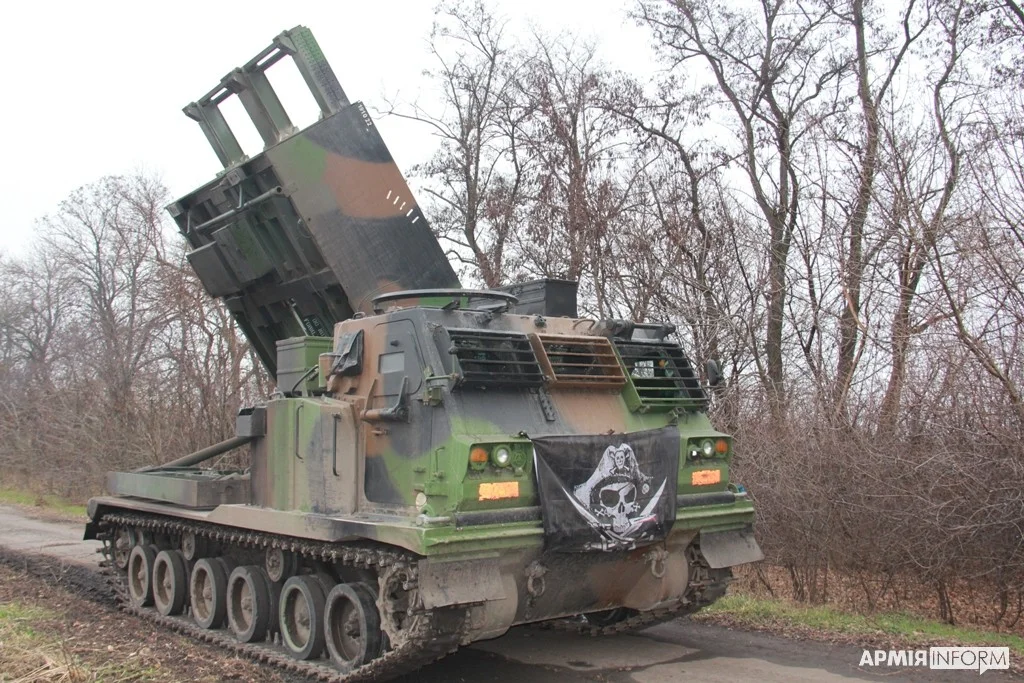
The world’s largest defense contractor made the offer in consultation with Washington, backing it with internal investments to compress the procurement timeline, Breaking Defense reported. The US government answered Paris’s request for pricing and schedules in early 2026. The pitch’s strongest card is the calendar: France’s LRUs — the French M270 variant — could retire as early as 2027, while a domestic替 replacement is years from the field.
According to Defence Industry Europe, the program calls for at least 39 launchers, the first 13 due by 2030, with ammunition required to reach at least 150 km. HIMARS firing the same GMLRS rockets as the legacy LRU fleet eases the transition further.
- Offer: Lockheed Martin M142 HIMARS plus munitions for the LRU replacement
- Schedule pledge: First deliveries 18 months from contract; partial production in France from 2028
- Budget: ~€600 million; at least 39 launchers, first 13 by 2030
- Ammunition requirement: 150 km minimum range
- Domestic rivals: Thales-ArianeGroup-Soframe (Thundart/FLP-T) and MBDA-Safran
- Foreign rivals: Hanwha K239 Chunmoo, India’s Pinaka
Background: Sovereignty vs. the Calendar
France is developing a national long-range strike solution under the FLP-T program, with Thundart demonstration firings set for mid-2026. But the DGA procurement agency has said openly that off-the-shelf systems can be selected if domestic proposals fall short. That an American launcher is a serious contender in Europe’s most sovereignty-minded capital says everything about the schedule pressure.
The Field
| Contender | Solution | Strength / weakness |
|---|---|---|
| Lockheed Martin (US) | M142 HIMARS | 18-month delivery, combat-proven; sovereignty question |
| Thales + ArianeGroup + Soframe | Thundart / FLP-T | Fully domestic; tests mid-2026, serial production years away |
| MBDA + Safran | FLP-T bid | Domestic missile ecosystem; same schedule risk |
| Hanwha (South Korea) | K239 Chunmoo | Fast delivery, Poland reference; non-European source |
| India | Pinaka | Cost edge; integration and range questions |
The size and cost of Lockheed’s offer remain undisclosed, as does whether France could jump the existing HIMARS delivery queue.
Why It Matters for Turkey
France’s dilemma — wait for domestic or buy foreign — is an equation Turkey solved years ago. ROKETSAN’s TRG-300 Kasırga and the 280-km KHAN tactical missile sit exactly in the 150-km-plus class Paris wants, in serial production and export-proven, notably in the Gulf. As Europe’s rocket artillery gap widens — Poland bought Chunmoo and HIMARS together, Germany turned to PULS — Turkish systems with speed and cost advantages gain ground. The deeper lesson is industrial: refusing import dependency in strike weapons only works if the production line is built in time, and Turkey’s unbroken domestic rocket-and-missile chain is precisely why Ankara isn’t having this debate today.
Frequently Asked Questions
Why might France not wait for its own system?
What makes the HIMARS bid attractive?
When is a decision expected?
Bottom Line
Whichever way Paris goes, the outcome is a litmus test for European procurement: waiting for Thundart would mean sovereignty beat the calendar; choosing HIMARS would answer the “sovereignty or speed” question in America’s favor for the second time since FCAS collapsed.