The Race for the Heart of Robotic Wingmen: US Air Force Taps GE and Rolls-Royce for Drone Engines
- Date: contracts announced 3 June 2026
- Players: GE Aerospace (GE426 engine) and Rolls-Royce (AE family)
- Program: ‘Medium Thrust Class Autonomous Collaborative Platforms’ — tied to CCA
- Framework: Propulsion Consortium Initiative 2.0; firm-fixed price, Other Transaction Authority
- Scope: drones first, later other unmanned platforms and cruise missiles
The hidden bottleneck of loyal wingmen: the engine
The star of next-generation air combat will be unmanned fighters flying beside crewed aircraft. The U.S. calls them Collaborative Combat Aircraft (CCA): autonomous drones that fly with the F-35 and the future F-47, scout ahead, enter the target zone first, or draw enemy fire. Yet beneath all that vision sits a quiet bottleneck — the engine.
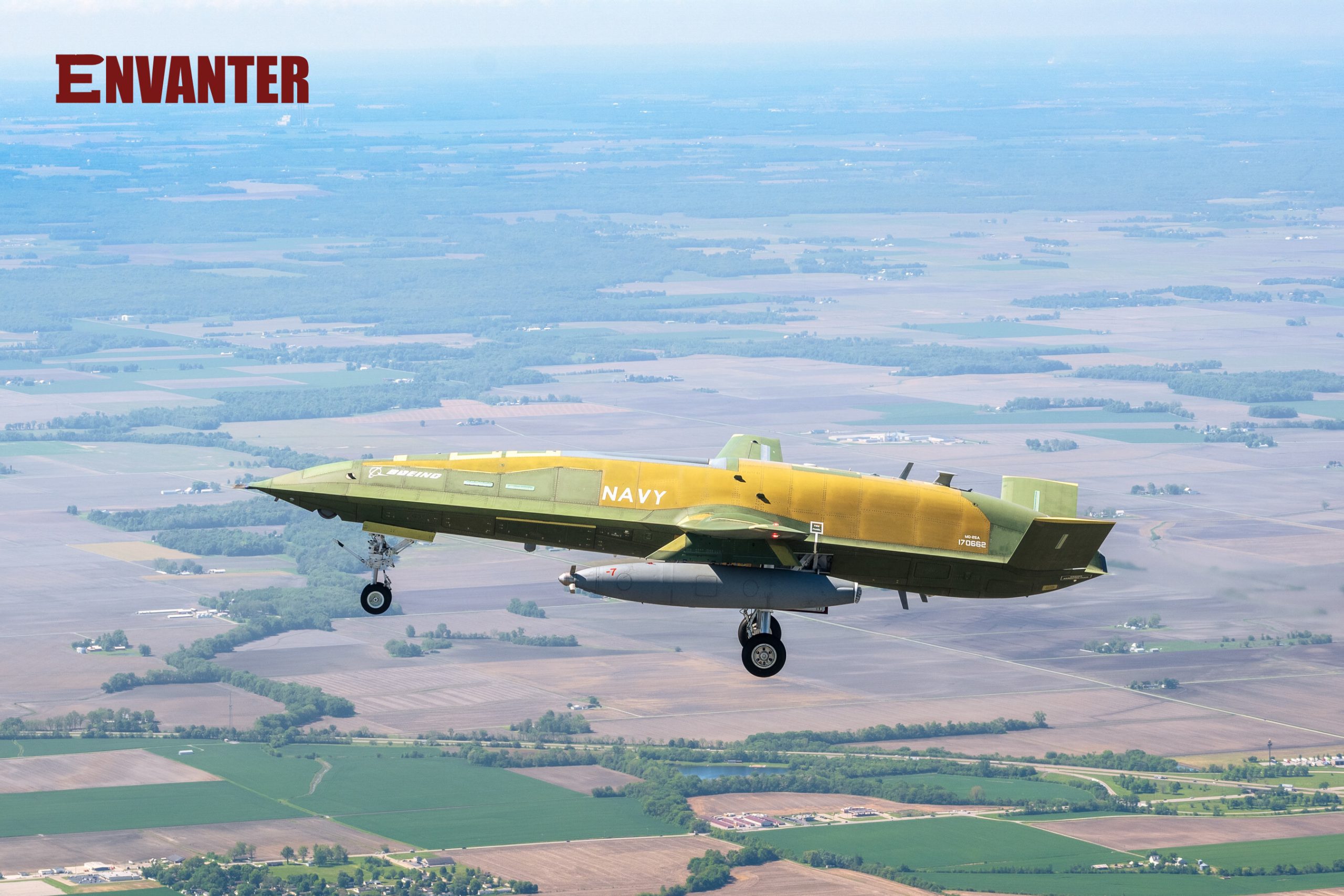
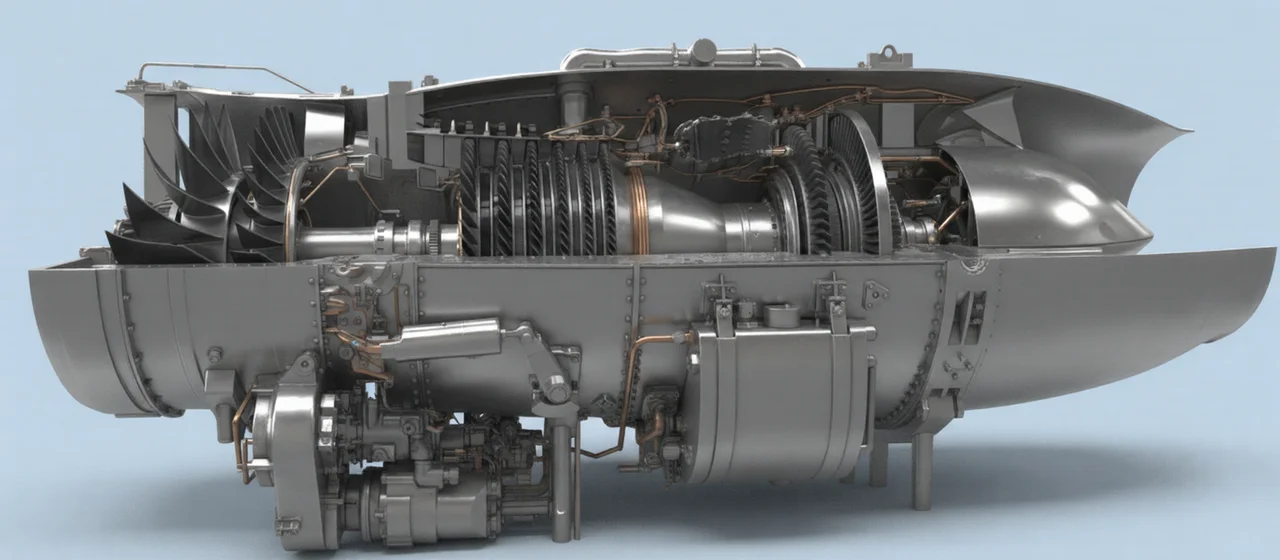
Here’s the problem. A fighter’s engine is expensive, built in small numbers and with great care; the CCA logic demands the opposite — cheap, plentiful, fast off the line. That is exactly why the Air Force turned to GE Aerospace and Rolls-Royce. GE will mature its GE426 in the medium-thrust class, with the contract covering completion of a preliminary design review. Rolls-Royce, for its part, is taking the AE engine family — already flying the Navy’s MQ-25 tanker drone — into the same class.
Dig deeper and another dimension appears: these engines are not only for drones. The makers note that the same core design could later power other unmanned platforms and even cruise missiles. GE’s GE426 carries the heritage of the GEK800 engine developed earlier with Kratos — meaning America is trying to spread a single ‘cheap but good enough’ engine philosophy across several weapon families at once.

Consortium logic and the first signs in the field
The contracts were signed under the Air Force’s Propulsion Consortium Initiative 2.0, on a firm-fixed-price basis using the flexible Other Transaction Authority; the value was not disclosed. In defense procurement, that route means speed — it lightens the load of the classic, years-long bidding cycle and aims to accelerate engine maturation. In the CCA program, the Pentagon treats time as no less precious than money.
The first concrete sign came in April. The MQ-25 Stingray, flying on the Rolls-Royce AE 3007N, made its first flight in April 2026 — living proof that a medium-thrust engine is ready to carry an unmanned platform. On GE’s side, the focus was summed up as bringing the GE426 to ‘the performance, affordability and readiness the warfighter needs.’
It’s worth recalling that the program’s first increment pits General Atomics’ YFQ-42A against Anduril’s YFQ-44A; the aircraft are flying, but the future of each hinges on a producible, affordable engine. These contracts, then, lock down the program’s second half — propulsion — after the airframe.
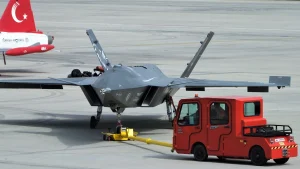
This is precisely where the Turkish angle surfaces. The Bayraktar KIZILELMA and TUSAŞ ANKA-3 form Türkiye’s own generation of ‘collaborative combat aircraft,’ both designed to fly alongside the KAAN. On the engine side of that same equation works TEI: the TF-6000 turbofan developed for KIZILELMA and the more powerful TF-10000 project show that Ankara, in its own way, is wrestling with the very problem the Americans face — finding a national, producible engine for an unmanned fighter. Step back, and the race for future air power is increasingly being decided at the engine table.