ASPILSAN Products: Which Battery for Which Mission?

Quick answer: ASPILSAN’s products span ten categories, from lithium-ion cells to nickel-cadmium aircraft batteries, from radio batteries to rail transit and marine batteries, and from portable energy storage systems to chargers. This guide gathers all the files in the cluster on one page and summarizes which product family is built for which mission. According to the 45th anniversary press releases, the company produces more than 300 battery types; the common thread across the range is that design, from the cell to the battery management electronics, is done in the company’s own units in Kayseri and Ankara.
Product families at a glance
| Product family | Mission area | Detailed file |
|---|---|---|
| INR18650 cells (A25, A28, A29, A35) | Building block of all battery systems; e-mobility, power tools | Lithium-ion cell file |
| Nickel-cadmium aircraft batteries (F/FP series) | Engine starting and emergency power on aircraft and helicopters | Aviation file |
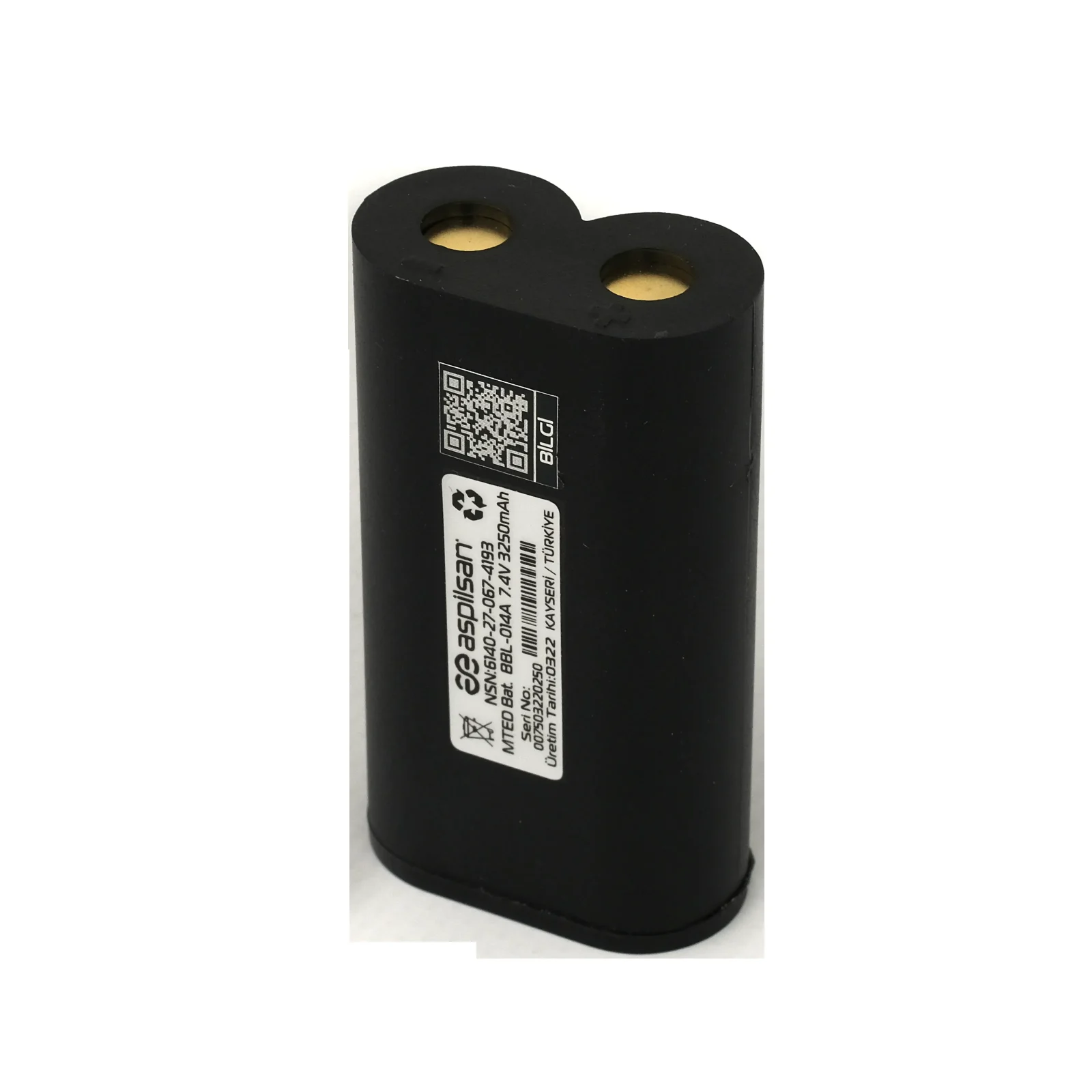
| BB-2590, BB-1919, BB-2847 and radio batteries | Tactical radios, mission devices | Radio batteries file |
| Portable energy storage (1,200-6,000 W) | Field power, disaster preparedness, camping | Portable energy file |
| Chargers and refurbishment | Maintenance and charging of the battery fleet | Chargers file |
| Rail transit and marine batteries (KFM, F2040 derivatives) | Tram-metro auxiliary power; frigate and corvette batteries | Rail and marine file |
Defense system batteries
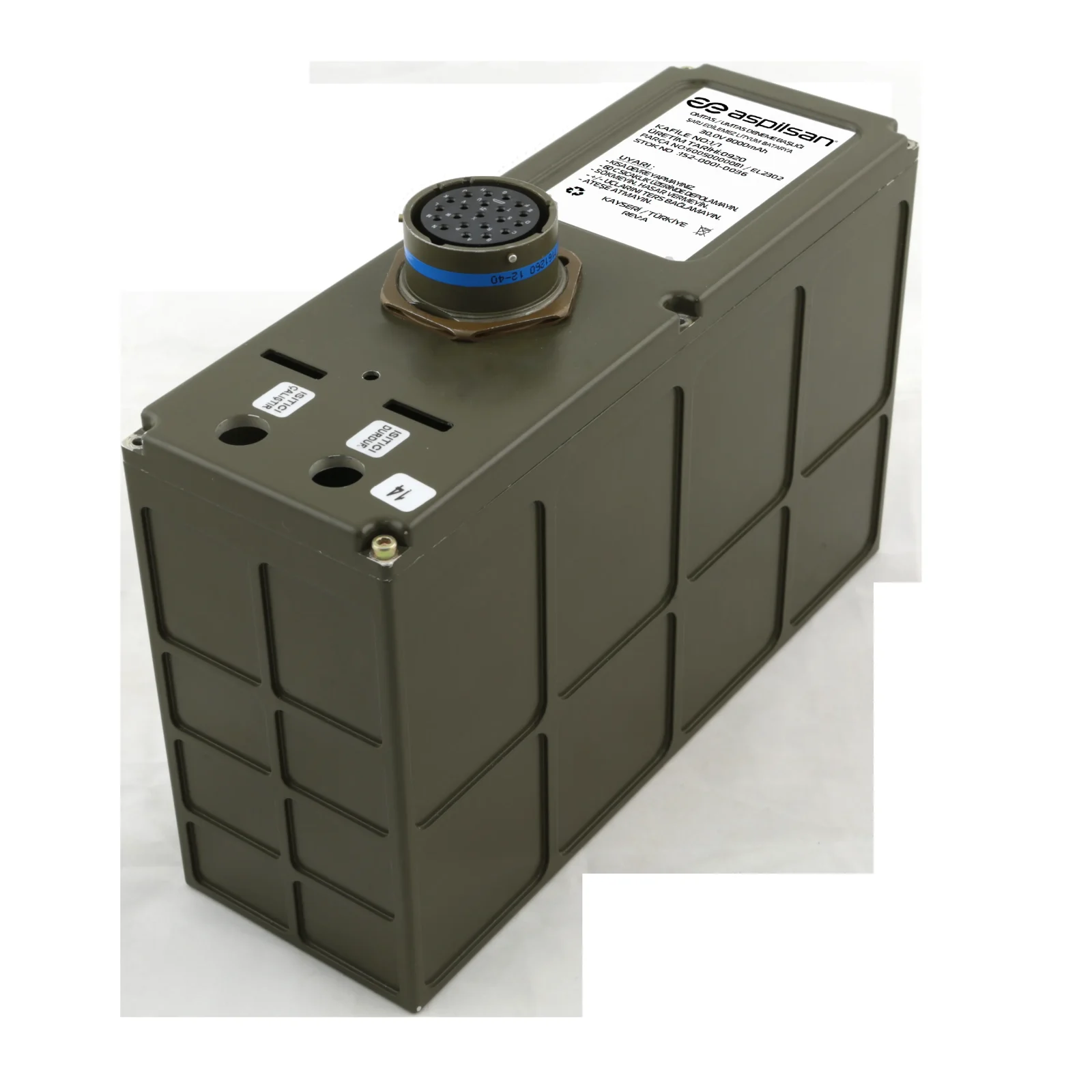
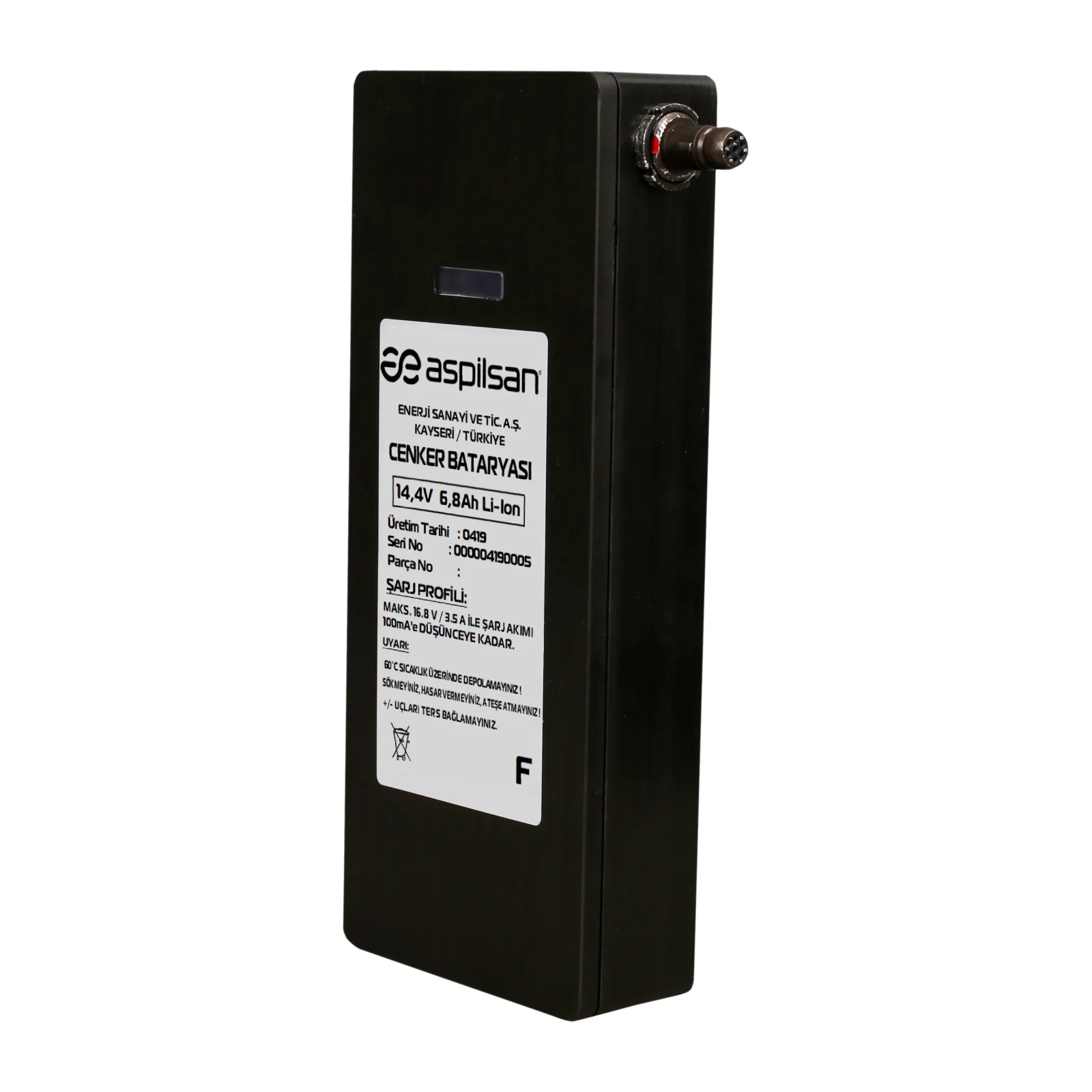
The defense category consists of radio, system, and weapon system batteries plus chargers. System batteries include mission batteries such as the CENKER battery, the Mini Thermal battery, the BT-6434, and the Baykus 150 Ah; SSB catalog records also list battery items associated with the Stinger, TOW, and OMTAS systems, but their technical details are not officially disclosed. The radio leg of this class is examined in detail in the BB-2590 file.
Communications, medical, and industrial batteries
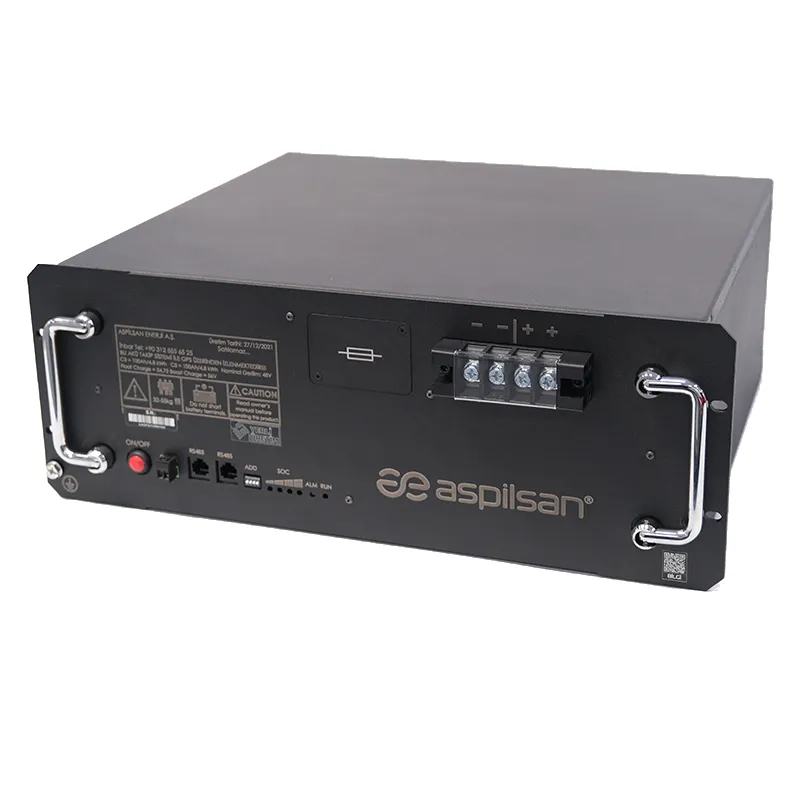
Rack- and cabinet-type batteries are produced for telecom operators; the company has announced that it works with Turkcell in this field and signed a domestic telecom battery cooperation with ULAK Haberlesme in 2026. The medical category lists portable device batteries, and the industrial side covers forklift, AGV, and heavy-equipment batteries. The e-mobility category spans e-scooter, e-bike, and light electric vehicle batteries. All of these civilian lines are markets that scale up the cell production in Kayseri.
Which file should you start with?
To get to know the company, the What is ASPILSAN? file is the right entry point; for its management, the general manager profile; for the market side, the export file. Technical readers can start with the INR18650A28 versus Samsung 29E comparison. The cluster forms the ASPILSAN leg of our SSB catalog series and will be updated as new official data is published.
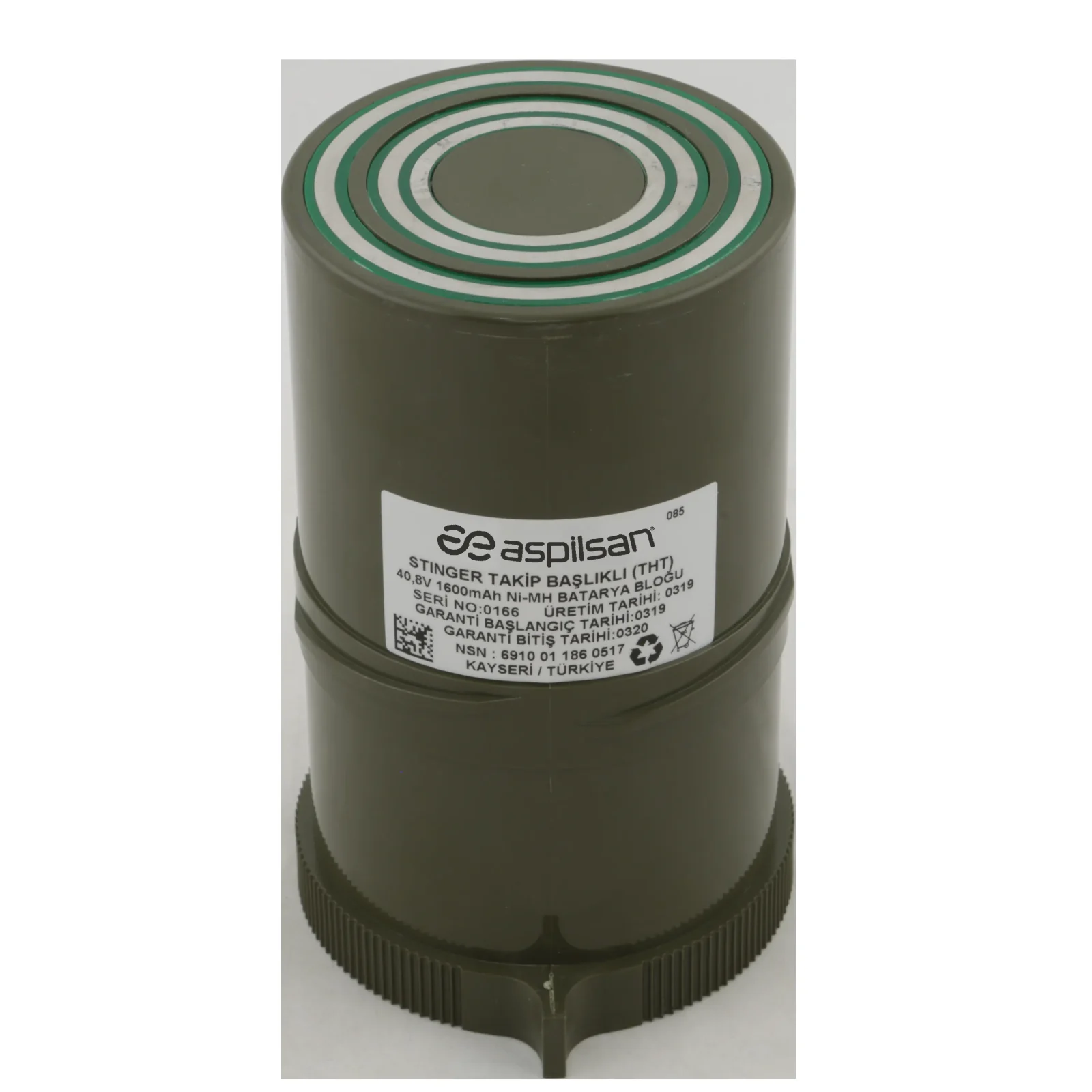
The ten categories in the official catalog
The company’s products page lists ten solution categories: cells, e-mobility batteries, energy storage systems, defense system batteries, rail transit and marine system batteries, aviation batteries, communications system and device batteries, medical system batteries, robotic system batteries, and heavy-equipment batteries. The e-mobility heading covers e-scooter, e-bike, AGV, and light electric vehicle batteries; the robotics heading covers mission batteries for unmanned systems. All categories draw on the same production base: cells are made in Kayseri, and battery management electronics are designed at the Ankara R&D center. For the medical, robotics, and heavy-equipment categories, which do not have separate files in this guide, the official product pages should be used as the reference; model-level technical data in these fields is published officially only to a limited extent.
Frequently asked questions
How many products does ASPILSAN make?
Press releases cite more than 300 battery types, along with figures of 108 battery types, 228 kinds of battery packs, 16 charger models, and 37 aircraft battery types.
Can the products be bought by civilians?
INR18650 cells, portable energy products, and some batteries are sold to civilians through authorized distributors; military products are acquired through procurement authorities.
What is the newest product in the catalog?
The silicon-anode A35 cell, introduced at SAHA EXPO in May 2026, is the most recent publicly announced product.
Does the company do custom battery design?
The company states that it designs project-specific battery systems for platform manufacturers; projects such as KAAN, GOKBEY, and ANKA are examples.
Where can product documentation be found?
The solutions section of the official website publishes category and product pages, specification visuals, and booklet PDFs.
Who are ASPILSAN’s global competitors?
In the aviation and industrial battery market, manufacturers such as France’s Saft and the US-based EnerSys stand out; on the cell side, the market belongs to the Asian giants. At home, ASPILSAN positions itself as the sole domestic producer in military batteries; this positioning is a company statement.
Sources and verification note
Category and product names come from official site records; numerical product-variety figures are taken from press releases (Accessed: August 13, 2026).
- https://www.aspilsan.com/urunler/
- https://www.aspilsan.com/cozum-kategori/savunma/
- https://www.aa.com.tr/tr/ekonomi/aspilsan-depolanabilir-enerji-urunlerini-ihrac-ediyor/3903545
- https://istanbulticaretgazetesi.com/aspilsandan-45-yillik-guc-tsknin-enerjisini-yerli-uretimle-sagliyor
- https://www.aspilsan.com/aspilsan-enerji-kabiliyetlerini-sivil-havacilik-sektorune-tasiyor/