ASPILSAN BB-2590 and Radio Batteries: NATO-Standard Power

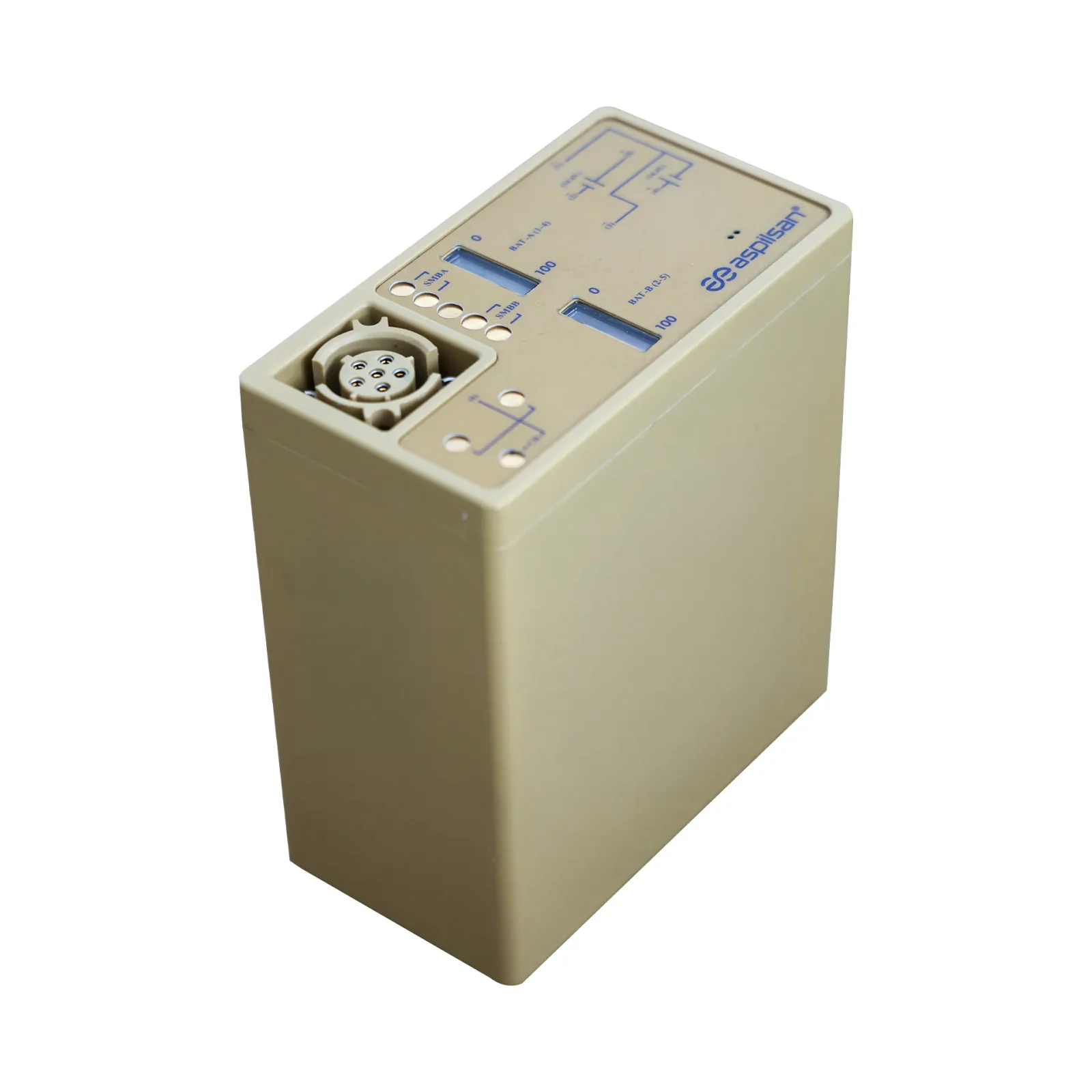
Quick answer: The BB-2590 is a standard rechargeable battery format widely used across NATO armies, from radios to portable mission equipment; ASPILSAN produces this format in lithium-ion chemistry in Turkey. According to the company’s product document, the BB-2590 Li-Ion 6.4 Ah model consists of two mutually isolated batteries, each with a nominal voltage of 14.4 V, and is manufactured to MIL-STD standards. The family forms the radio battery category together with an SMBUS-equipped smart version and other military formats such as the BB-1919 and BB-2847. The category is the company’s oldest product line, dating from the 1980s, and today spans three chemistries from nickel-cadmium to lithium-ion.
What is the BB-2590, and why did it become a standard?
The BB-2590 form, defined by the US Army, provides two independent 14.4 V blocks in a single housing; devices can use the blocks in series or in parallel to draw 28.8 V or high-capacity 14.4 V power. Because the format is standardized, batteries from different manufacturers fit the same slot, enabling logistics commonality among NATO countries. ASPILSAN’s domestic BB-2590 production brings battery supply for the radios and mission devices in the Turkish Armed Forces inventory onshore. The company’s documents specify a suitable charge profile of 16.8 V/3 A per block and require the use of manufacturer-approved chargers with a CC-CV profile only.
Models in the family
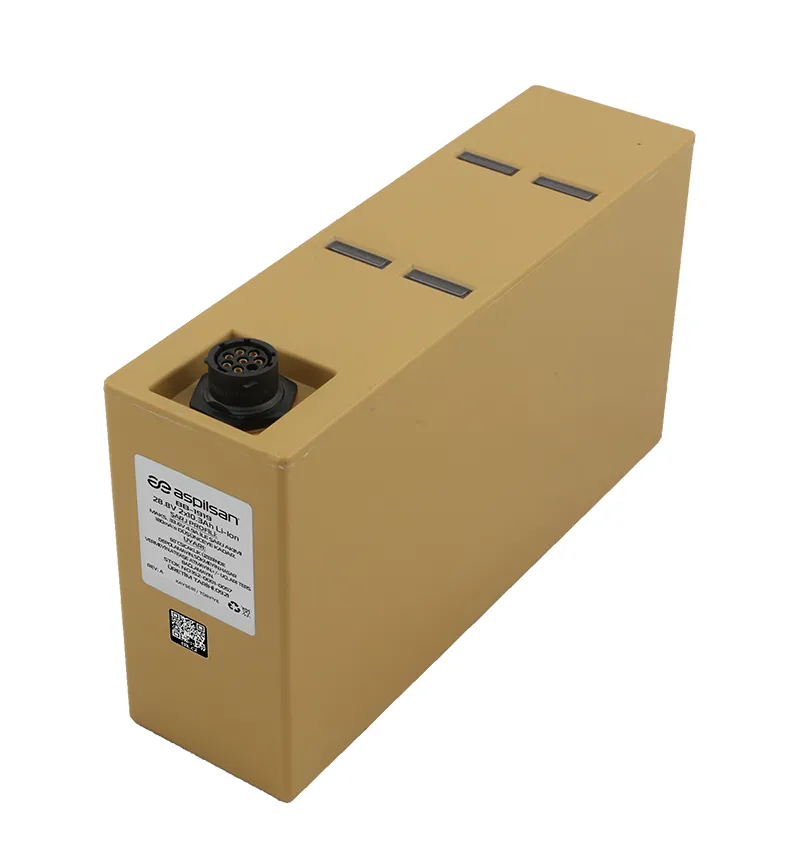
| Model | Disclosed characteristics |
|---|---|
| BB-2590 Li-Ion 6.4 Ah | 2 × 14.4 V isolated blocks; MIL-STD compliance; CC-CV charging |
| BB-2590 SMBUS | Charge/status communication over the SMBUS data bus; sealed housing |
| BB-1919 | Military-format battery; detailed data available from the manufacturer |
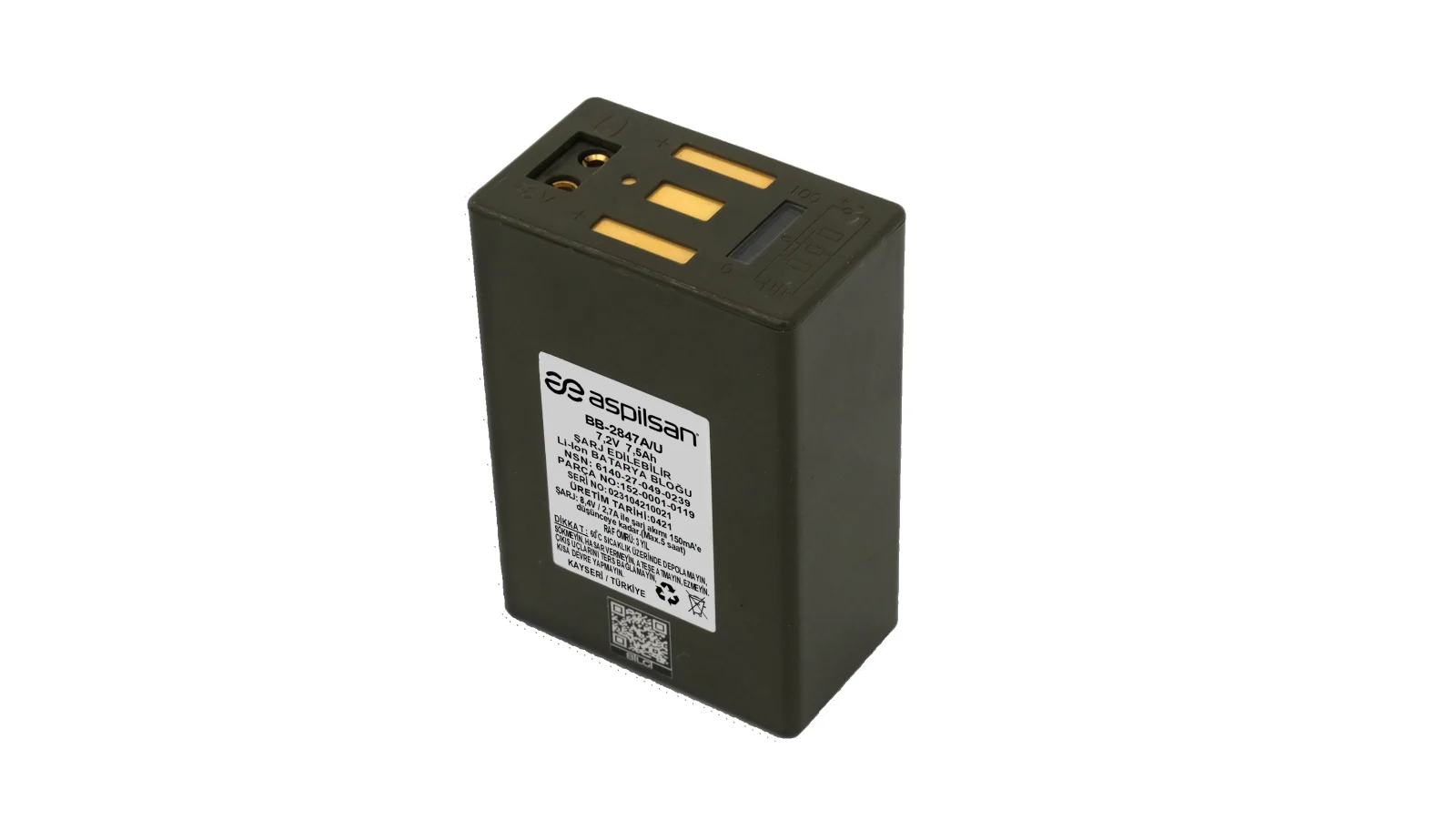
| BB-2847 | Military-format battery; also listed in the robotic systems category |
| Baykus 150 Ah | High-capacity mission battery (product registration page) |
| CENKER battery | 14.4 V lithium-ion mission battery (product image) |
Cell configurations and cycle life data for the models are not officially disclosed; the table gives only the information found in company documents and images. The batteries’ cell base sits under the same roof as the INR18650 production.
Radio batteries: since the ASELSAN days
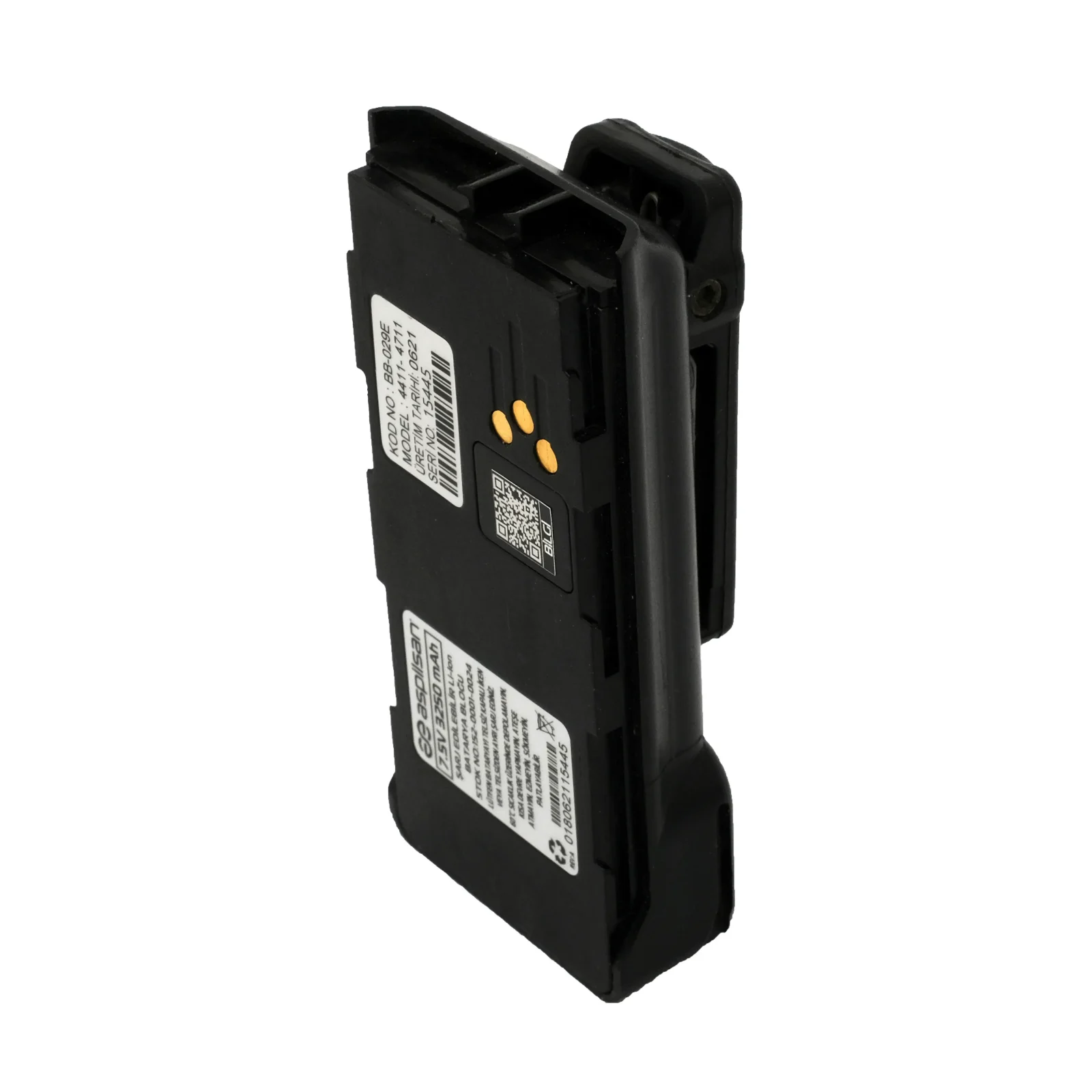
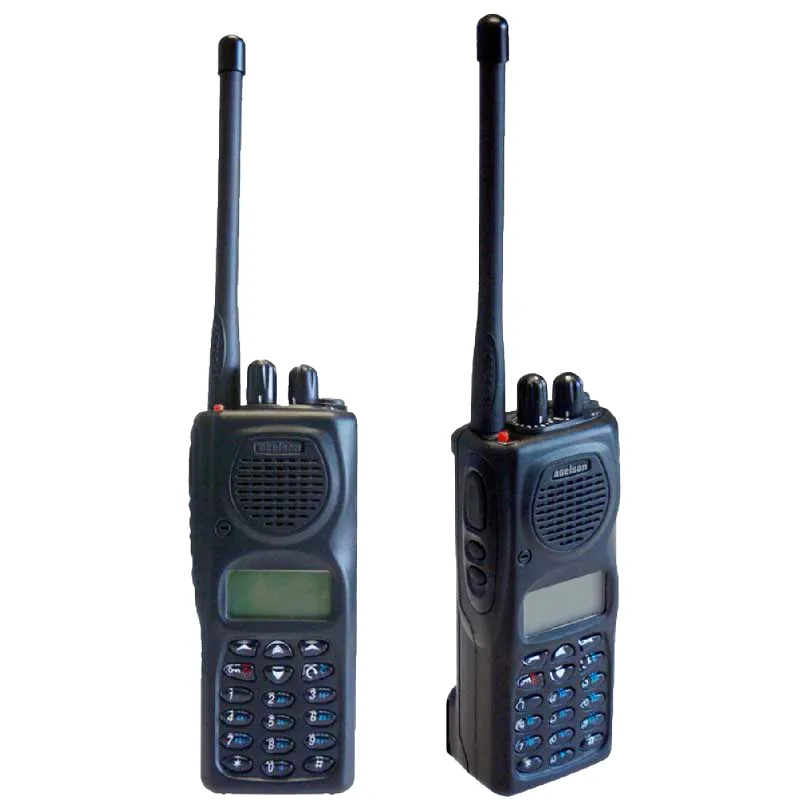
ASPILSAN’s radio battery production started in the mid-1980s with nickel-cadmium battery packs for ASELSAN radios; today the category also covers lithium-ion and nickel-metal-hydride chemistries. Battery packs are produced for handheld and manpack radios, handheld binoculars, and thermal cameras; the 45th anniversary press releases give a figure of 228 kinds of battery packs, and the full set of categories is listed in the products guide. In the weapon system battery category, SSB catalog records list items associated with systems such as Stinger, TOW, and OMTAS; the technical details of these products are not officially disclosed.
What domestic production means for logistics
Soldier-portable batteries have a consumption profile close to that of expendables: in units operating at a high tempo, batteries cycle through constant charge and discharge and age as a fleet. Under imported supply, that cycle depends on exchange rates, delivery times, and export licenses. Domestic BB-2590 production reduces both peacetime cost and crisis-time supply risk. The format’s NATO-standard status works both ways: the Turkish Armed Forces can operate with imported batteries too, and ASPILSAN can bid into allied markets with a product that fits the same slot. The export markets the company has disclosed for its storable energy products illustrate the commercial payoff of this format compatibility.
For battery life management, the company runs two support lines: manufacturer-approved chargers and battery refurbishment through cell replacement. Both topics are covered in detail in the chargers file.
Frequently asked questions
Which devices use the BB-2590?
In NATO countries it powers tactical radios, portable computers, unmanned-system ground stations, and various mission devices; because the format is standardized, the device list is manufacturer-independent.
Who can buy the ASPILSAN BB-2590?
The battery is also listed on the civilian market through the company’s authorized sales channels; military purchases run through procurement authorities.
What is different about the SMBUS version?
The SMBUS data bus relays the battery’s state-of-charge and health data to the device and the charger, enabling smart charging and fleet management.
Which charger should the batteries use?
The company document requires manufacturer-approved devices that deliver the recommended CC-CV profile; ASPILSAN produces single and dual BB-2590 chargers.
Are there capacity options?
Official records show the 6.4 Ah Li-ion version and the SMBUS version; other capacity variants are not officially disclosed.
How much does a BB-2590 weigh?
The weight of the ASPILSAN model is not officially disclosed. The format’s standard housing dimensions are fixed; lithium-ion BB-2590 batteries from various manufacturers are typically marketed at around 1.4 kilograms, and the exact figure should be confirmed with the manufacturer.
Sources and verification note
Technical information was compiled from the company’s product registration (QR) pages and official category pages; items relating to weapon system batteries are left at the catalog-record level (Accessed: August 13, 2026).
- https://www.aspilsan.com/en/qr/m8/
- https://www.aspilsan.com/en/qr/m24/
- https://www.aspilsan.com/en/qr/m38/
- https://www.aspilsan.com/cozum-kategori/savunma/
- https://tr.wikipedia.org/wiki/ASP%C4%B0LSAN_Enerji
- https://istanbulticaretgazetesi.com/aspilsandan-45-yillik-guc-tsknin-enerjisini-yerli-uretimle-sagliyor