Canada Eyes GCAP as the Blocs Grow: Türkiye Builds — and Exports — KAAN Alone

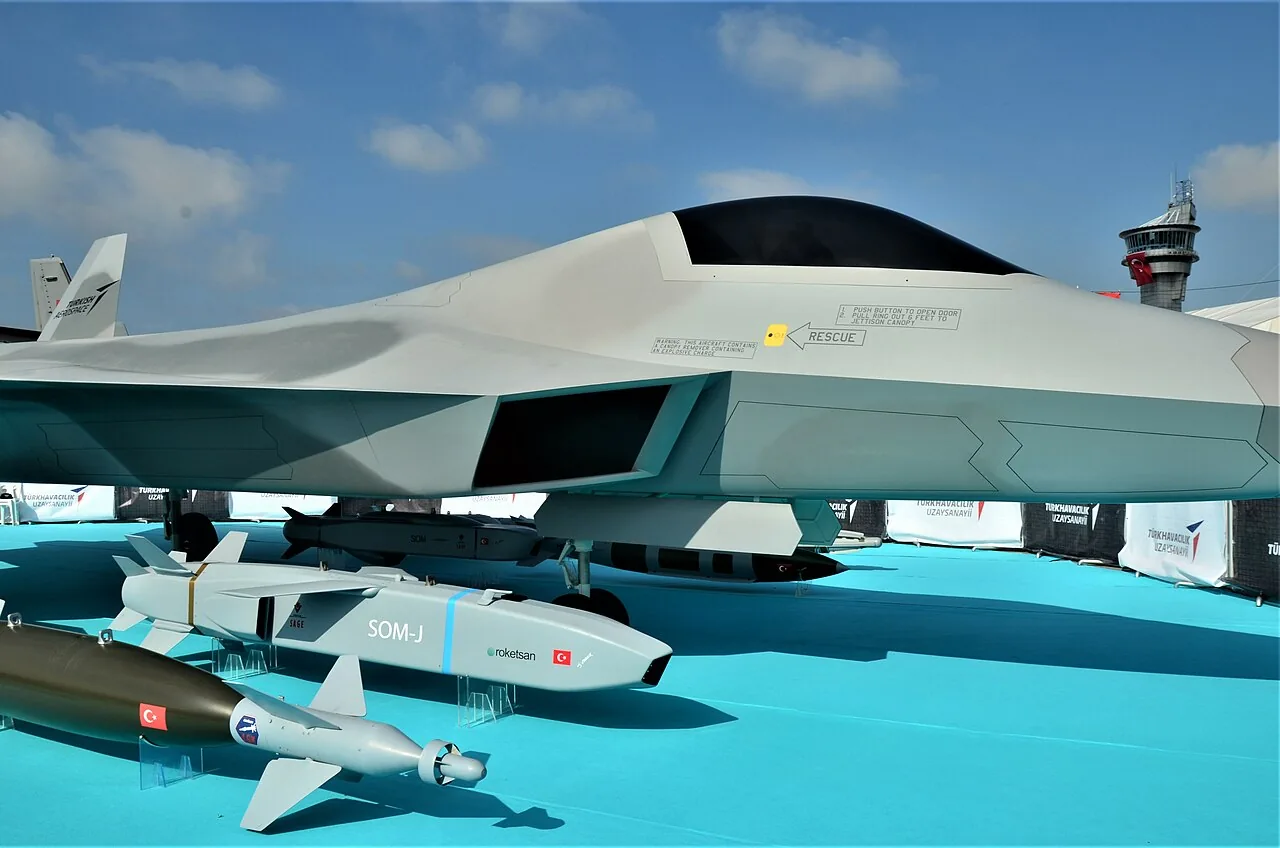
Developing a next-generation fighter is so costly and complex that nations increasingly band together in blocs. According to Breaking Defense’s 26 June 2026 report, the latest is Canada: Defense Minister David McGuinty, meeting his Japanese counterpart Shinjiro Koizumi in Tokyo, called GCAP a “promising initiative” and said Ottawa wants to “learn more about” it.
It is the first time a senior Canadian official has publicly voiced interest in GCAP. According to Army Recognition, Canada could join as an observer as early as July 2026 — a status that grants access to programme information from the founding members and a pathway to deeper partnership.
Background: The Sixth-Gen Race and the Blocs
A sixth-generation fighter is designed with AI-enabled loyal-wingman drones, advanced data sharing and low observability. The cost is so high that a single country struggles to bear it alone — which is why programmes turn into multinational blocs.
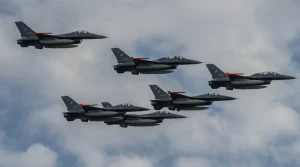
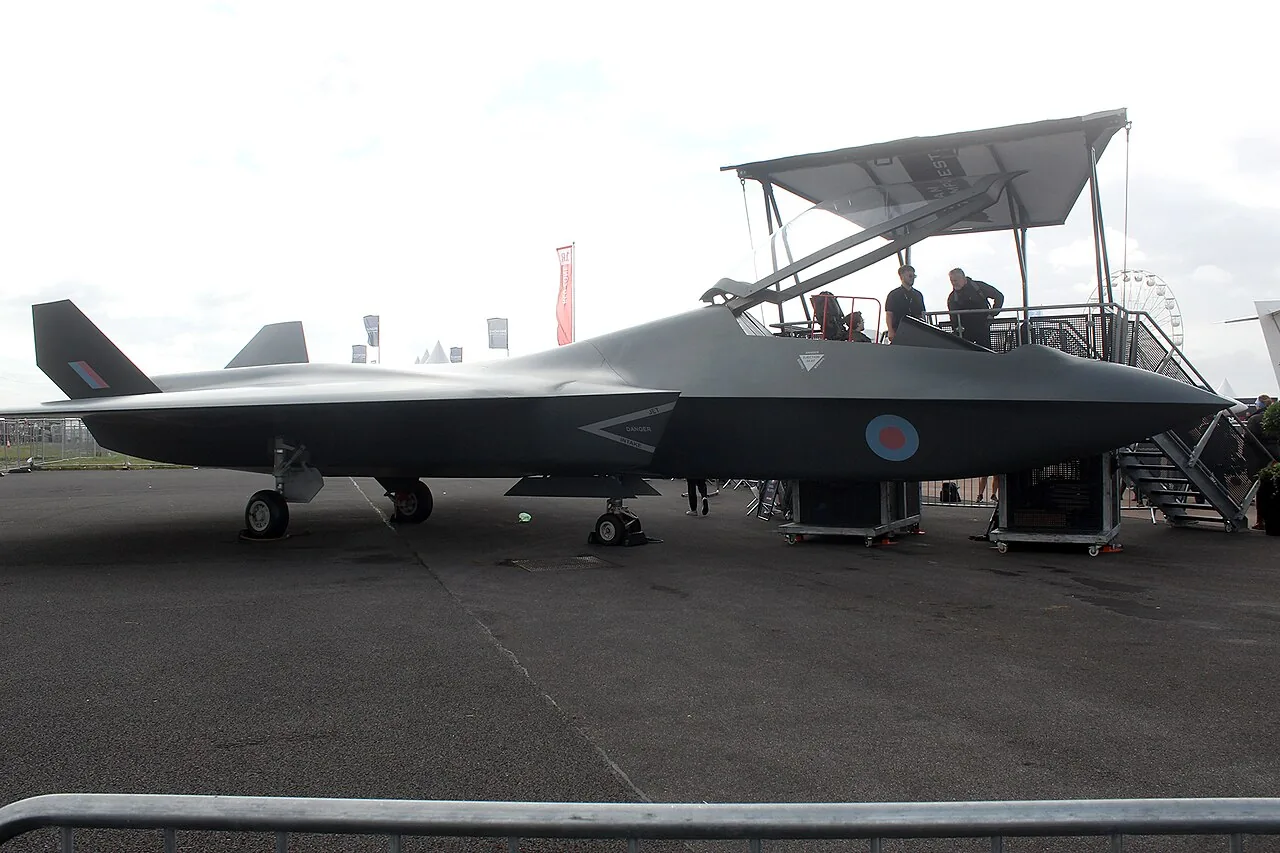
GCAP (Global Combat Air Programme) is jointly run by the UK, Italy and Japan and expected to enter service around 2035. According to The Japan Times, after the collapse of the rival France-Germany-Spain FCAS project, GCAP became Europe’s sole next-generation fighter programme. Besides Canada, Saudi Arabia is also reported to be in talks about joining.
The Details: Canada’s Calculation
Canada is among the countries reviewing their F-35 orders. Minister McGuinty had earlier spoken of splitting the fleet between the F-35 and Sweden’s Saab Gripen. Interest in GCAP shows Ottawa widening its options; observer status allows it to follow the programme without a binding commitment.
GCAP’s appeal is not only the aircraft; the programme offers a whole combat air system including loyal-wingman drones and high-tech data sharing. Joining a bloc is an attractive model for mid-to-large nations seeking to share development cost and secure industrial work-share.
| Programme | Run by / Status |
|---|---|
| GCAP (6th gen) | UK + Italy + Japan; ~2035 |
| Interested in GCAP | Canada (observer), Saudi Arabia, Sweden(?) |
| FCAS (6th gen) | France + Germany + Spain — collapsed |
| KAAN (5th gen) | Türkiye (TUSAŞ); first flight Feb 2024 |
| KAAN export | Indonesia 48 jets (~$10B) |
| KAAN in service | Turkish Air Force 2028/2029 |
Regional Context: Bloc or Independence?
There are two ways to develop a next-gen fighter: join a bloc to share cost and risk, or develop independently and own the entire design. Countries like Canada, Saudi Arabia and Spain favor the bloc model; GCAP and (until its collapse) FCAS are products of that approach.
The bloc model’s advantage is cost-sharing; its drawback is slower decision-making and a loss of sovereignty. FCAS collapsing over a France-Germany dispute on work-share and leadership exposed the fragility of that model. This is exactly where Türkiye’s chosen path diverges.
Why It Matters for Türkiye
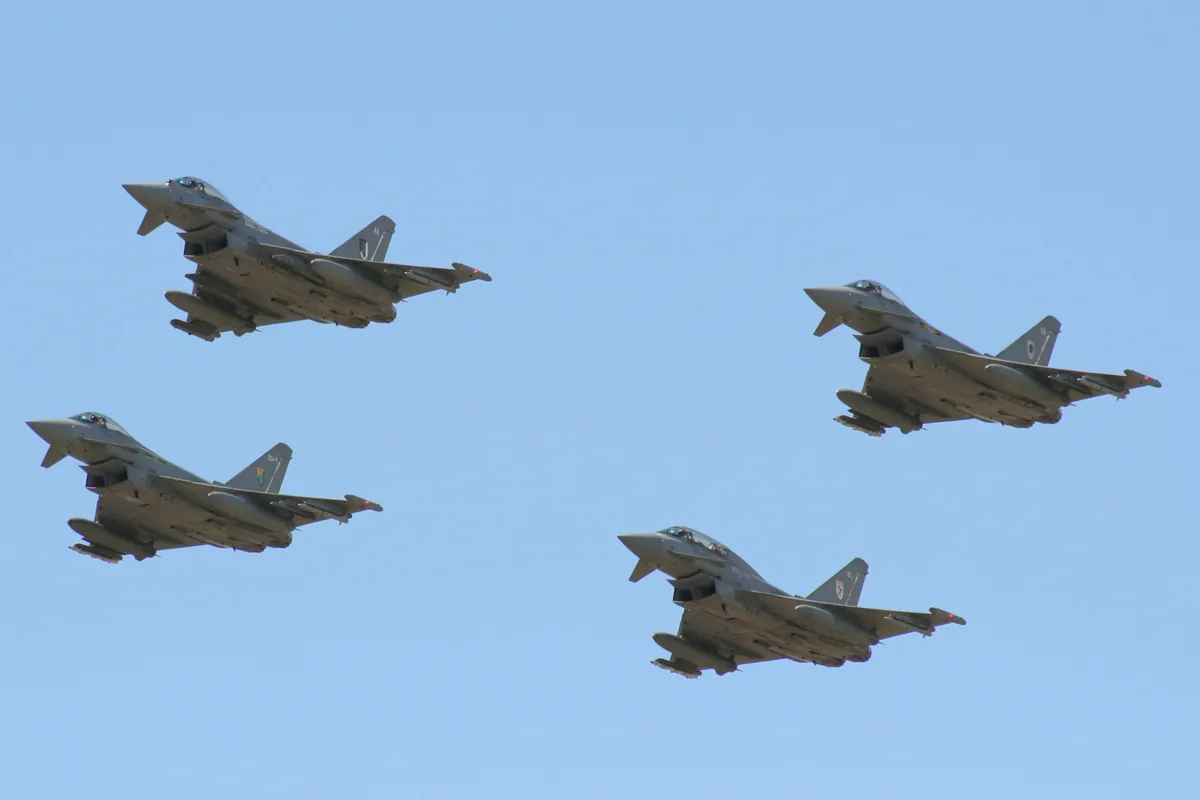
Rather than wait for a bloc, Türkiye chose to develop its own next-gen fighter alone. Developed by TUSAŞ, KAAN made its first flight in February 2024; six prototypes are in the pipeline and the Turkish Air Force has contracted the first batch. Entry into service is planned for 2028-2029. Flying initially on the F110 engine, KAAN’s indigenous engine is being developed led by TEI.
The striking point: while Canada and Saudi Arabia are still discussing how to join a programme, Türkiye is already an exporter. Indonesia agreed to 48 KAAN worth about $10 billion — and with a demand for an ITAR-free “sovereign configuration.” Saudi Arabia and Spain are reported to be interested too. Türkiye pushing its defense and aerospace exports past $10 billion for the first time in 2026 completes the momentum.
This offers a third answer to the “join a bloc or fall behind” dilemma: develop your own design, own it entirely, and export it. KAAN’s sovereign, ITAR-free configuration makes Türkiye not just a producer but an alternative supplier for nations seeking independence. As the blocs grow, Türkiye sits on the selling side, not the buying side.
Frequently Asked Questions
Has Canada joined GCAP?
What is GCAP and who runs it?
How is KAAN a different path?
Is KAAN being exported?
Conclusion
Canada’s interest in GCAP shows that developing a next-gen fighter increasingly rests on blocs. Türkiye charted a different path: it developed KAAN alone, owns the entire design, and became an exporter before the jet even entered service. As the blocs grow, Türkiye’s independent, export-oriented model secures an increasingly valuable position in next-generation air power.
Sources
- Breaking Defense — “In Japan, Canadian defense minister expresses interest in GCAP sixth-gen fighter project” (26 Haziran 2026)
- Army Recognition — “Canada could join the GCAP sixth-generation fighter program as an observer by July 2026”
- The Japan Times — “Canadian defense minister says he discussed GCAP fighter with Japanese counterpart”
- Breaking Defense — “Turkish air force contracts its first batch of indigenous KAAN jets”
- Hürriyet Daily News — “Türkiye to export 48 KAAN fighter jets to Indonesia: Erdoğan”