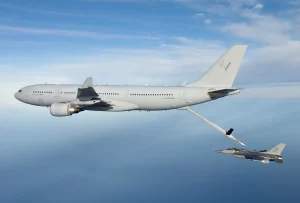
ASPILSAN Chargers: From Radios to Aircraft Batteries

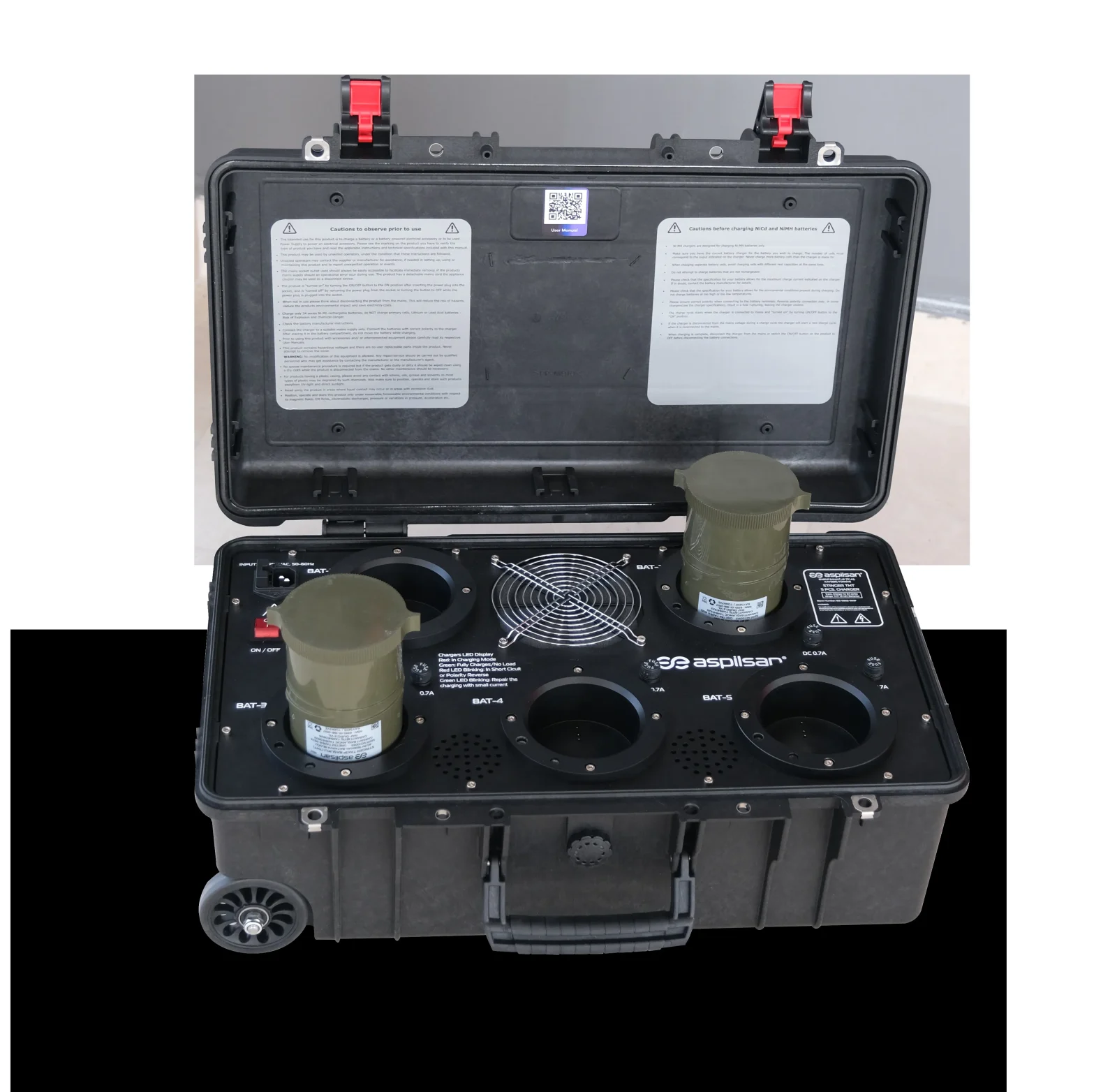
Quick answer: ASPILSAN develops the chargers for its own military and civilian batteries in-house; the 45th anniversary press releases state that 16 charger models are produced. Designing the chargers internally ensures that charging algorithms and protection thresholds match the battery chemistry exactly, using the manufacturer’s own knowledge. The range includes single and dual chargers for the BB-2590, charging adapters for radio batteries, multi-bay stations, and a charger named Kanguru. The chargers are designed to apply the CC-CV charge profile, which determines battery life, within manufacturer tolerances.
Why is the charger part of the battery?
In lithium-ion batteries, an incorrect charge profile is the leading cause of capacity loss and safety risk. ASPILSAN’s BB-2590 document requires the battery to be charged only with devices that deliver the manufacturer’s recommended profile and defines a CC-CV profile of 16.8 V/3 A per block; the document lists compatible chargers by stock number. The same approach applies on the nickel-cadmium side: maintenance charging of aircraft batteries, cell balancing, and capacity testing all follow manufacturer procedures. The company’s laboratory test systems are also counted within its product range in the Kayseri Chamber of Industry record.
Chargers in the product range
| Device | Disclosed use |
|---|---|
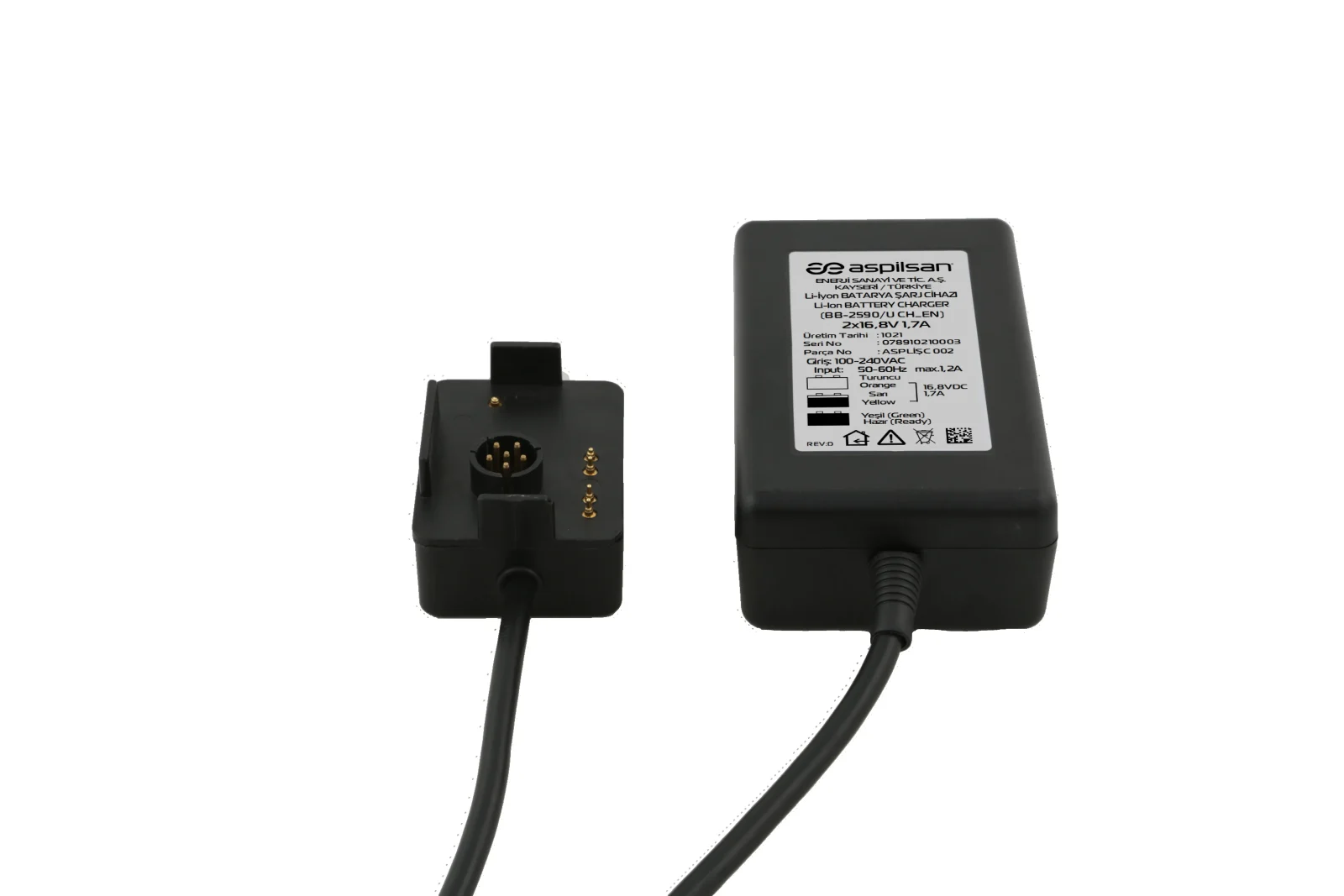
| BB-2590 single charger | CC-CV charging of a single battery |
| BB-2590 dual charger | Simultaneous charging of two batteries |
| Five-bay charging station | Multi-battery unit-level use (product image) |
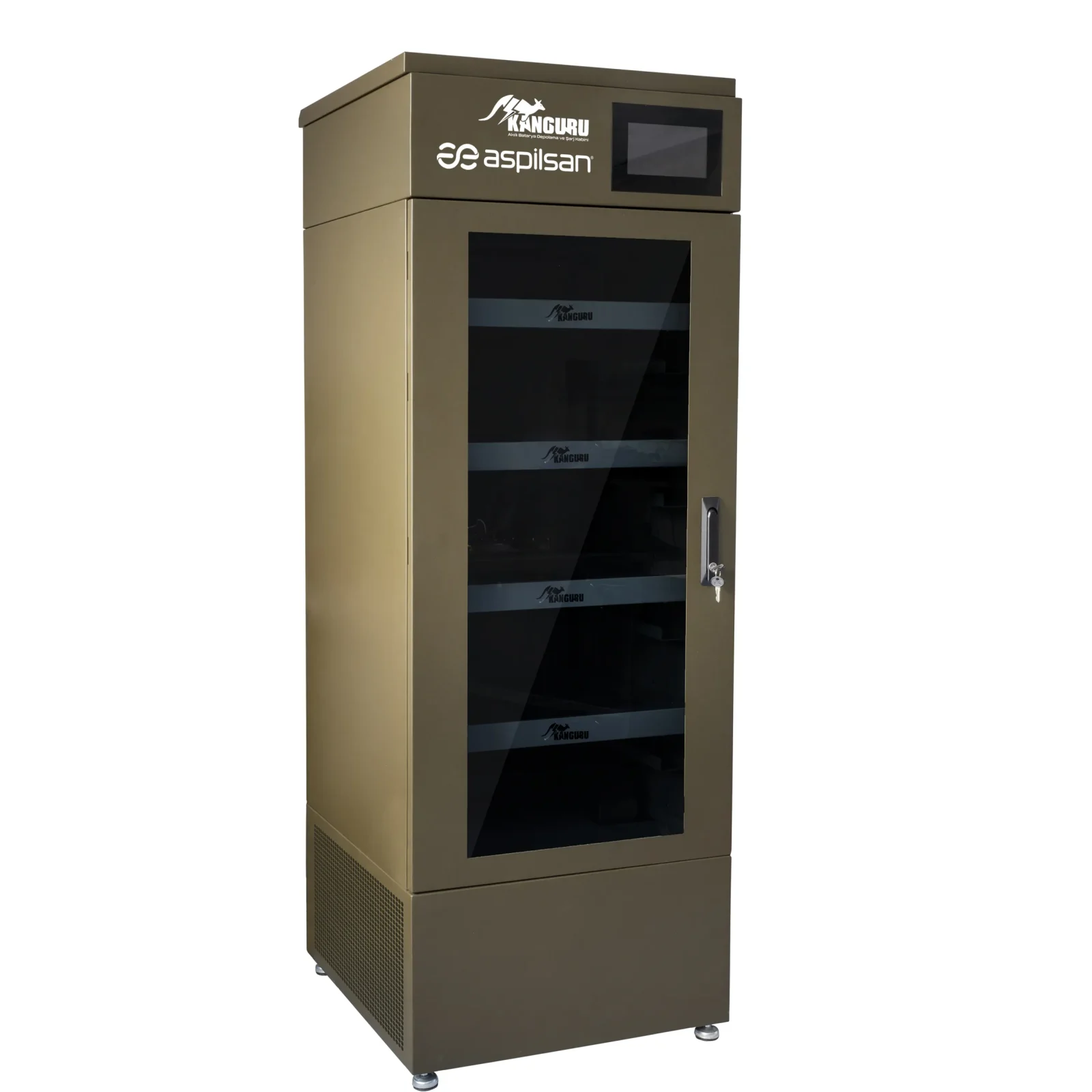
| Kanguru charger | Charging for radio batteries (product image) |
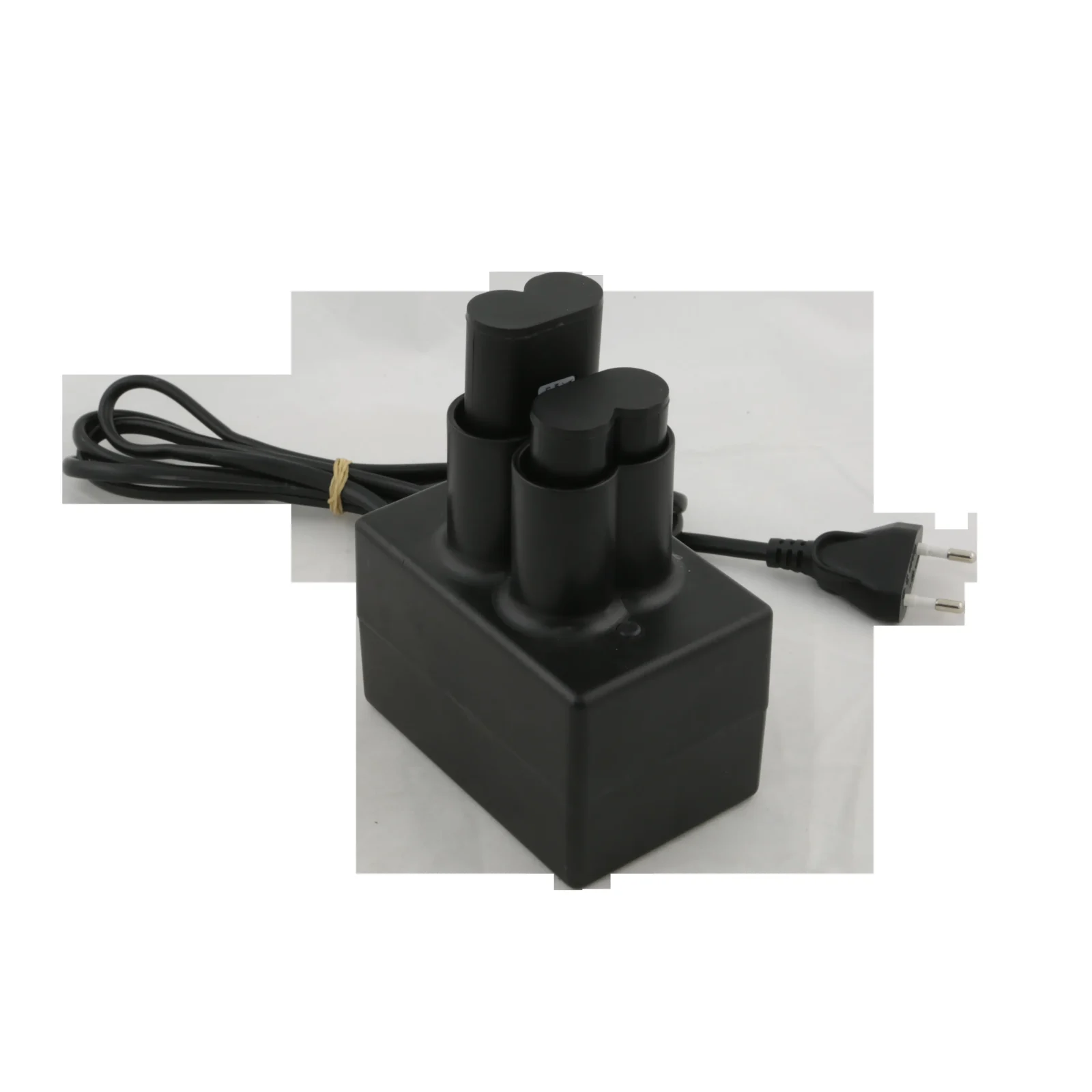
| Radio charging adapters | Desktop charging of handheld radio batteries |
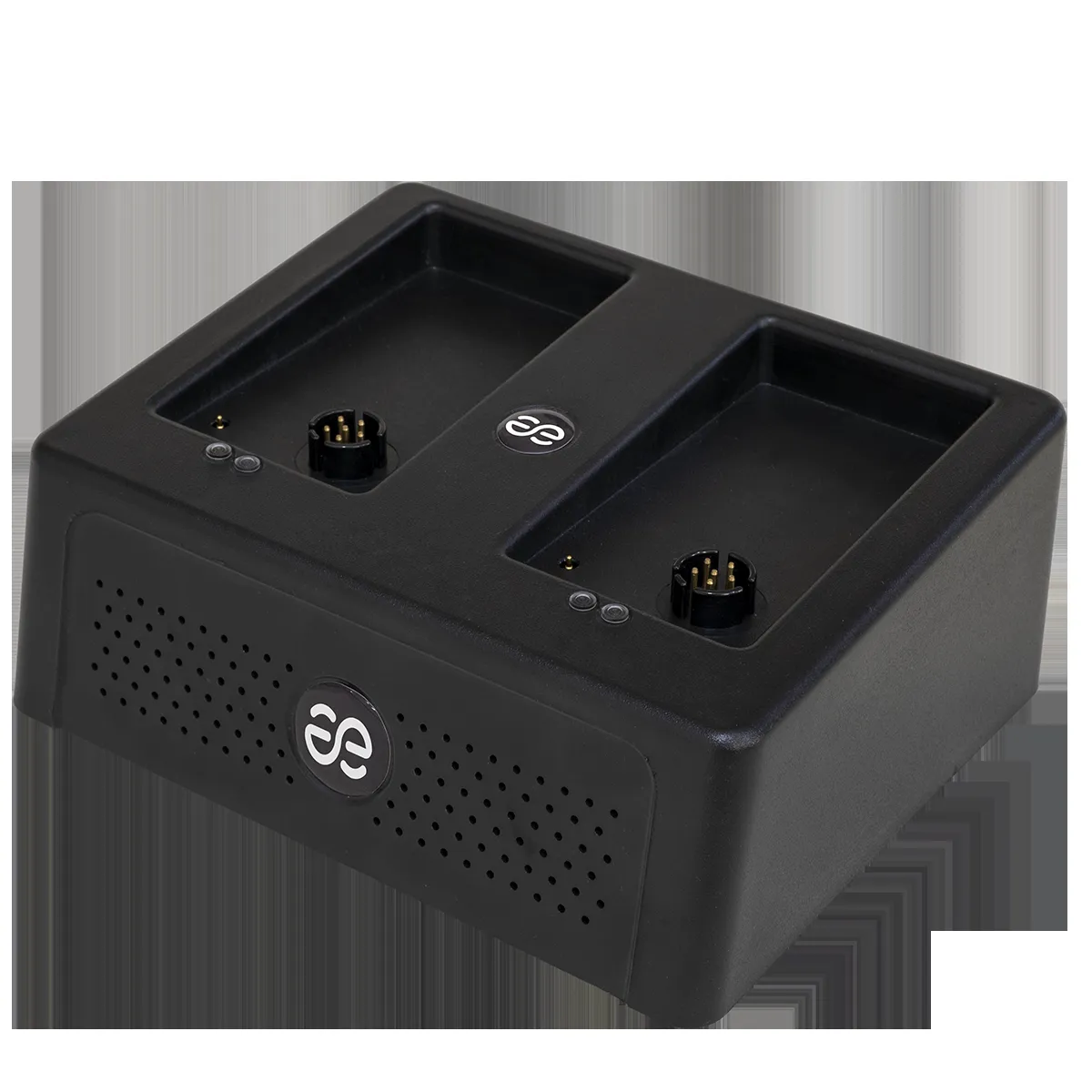
| Dual charging station | Paired charging of mission batteries |
Figures for the devices’ input voltage, charging time, and protection circuits are not officially disclosed on a per-product basis; the table draws on the official category page and product images. The battery families the chargers support are summarized in the products guide.
Battery refurbishment and maintenance service
SSB catalog records also list a battery refurbishment service among ASPILSAN’s product items; battery packs that have reached the end of their service life have their cells replaced and are returned to the system. This service is a cost-saving option particularly for radio and aircraft battery fleets that spend long periods in inventory. The scope and duration of the refurbishment processes are not officially disclosed; service requests run through the company’s sales channels.
Maintenance charging on the nickel-cadmium side
In contrast to the CC-CV profile of lithium-ion batteries, nickel-cadmium batteries demand a different maintenance regime: periodic deep discharge, individual monitoring of cell voltages, and capacity verification tests. For aircraft batteries this regime is an airworthiness requirement; for rail and marine batteries it determines fleet availability. The multi-bay stations in the company’s range answer the need for simultaneous charging at unit and fleet scale; solutions such as the five-bay station allow a battery pool to be used in rotation.
Another reason for the variety of devices is connector and voltage standards: radio batteries, military-format batteries, and mission batteries use different connectors. ASPILSAN’s practice of identifying its chargers by stock number is aimed at guaranteeing the correct battery-charger pairing in procurement systems; the BB-2590 document lists compatible devices by these numbers.
Frequently asked questions
Can an ASPILSAN battery be charged with a third-party device?
Company documents advise against charging with devices that do not deliver the recommended CC-CV profile; for warranty and safety, using manufacturer-approved chargers is essential.
Are the chargers sold separately?
Yes; BB-2590 chargers are listed as separate products through authorized distributor channels.
Is there a charging system for aircraft batteries?
Maintenance and charging procedures for nickel-cadmium aircraft batteries follow manufacturer documentation; the company states that it offers laboratory test systems for this class.
Which batteries does the Kanguru support?
The product is listed in the radio battery charging category; the full list of supported models is not officially disclosed.
Which batteries qualify for refurbishment?
Catalog records include battery refurbishment items; which models are covered is not officially detailed.
Can the chargers be used on vehicles?
Configurations running on vehicle DC power are common among military chargers; the input voltage options of ASPILSAN’s devices are not officially disclosed per model and should be confirmed with the manufacturer before procurement.
Sources and verification note
The device list is based on official product pages and company images; numerical charge profile data is taken solely from the BB-2590 document (Accessed: August 13, 2026).
- https://www.aspilsan.com/cozum-kategori/savunma/
- https://www.aspilsan.com/en/qr/m8/
- https://istanbulticaretgazetesi.com/aspilsandan-45-yillik-guc-tsknin-enerjisini-yerli-uretimle-sagliyor
- https://www.kayso.org.tr/tr/69/Aspilsan.html
- https://tr.wikipedia.org/wiki/ASP%C4%B0LSAN_Enerji