ASPILSAN Rail and Marine Batteries: Tram to MILGEM

Quick answer: ASPILSAN is the company that produced Turkey’s first rail transit battery; according to a Milliyet report from June 2020, the nickel-fiber cadmium battery was tested on the Kayseri tram and reached product status after roughly three years of development. On the naval side, the official product pages list a battery for the Barbaros-class frigates and a battery for MILGEM-5. The rail products are manufactured under the company’s railway sector quality certificate, IRIS ISO 22163.
What does a battery do in rail systems?
In metros, trams, and train sets, batteries power auxiliary systems such as lighting, communications, door systems, and emergency loads, and keep the vehicle in a safe state when the main supply is cut. In the Milliyet report, a company official said the product could be used in metro, tram, high-speed train, and electric train projects, and put the global market in this class at roughly 1 billion dollars. In the same report, a Kayseri Ulasim official pointed to the domestic product’s price and lead-time advantage over costly imported batteries. The report noted that 12 metropolitan municipalities in Turkey operated rail systems at the time, and stressed that the domestic market alone constituted a meaningful demand base.
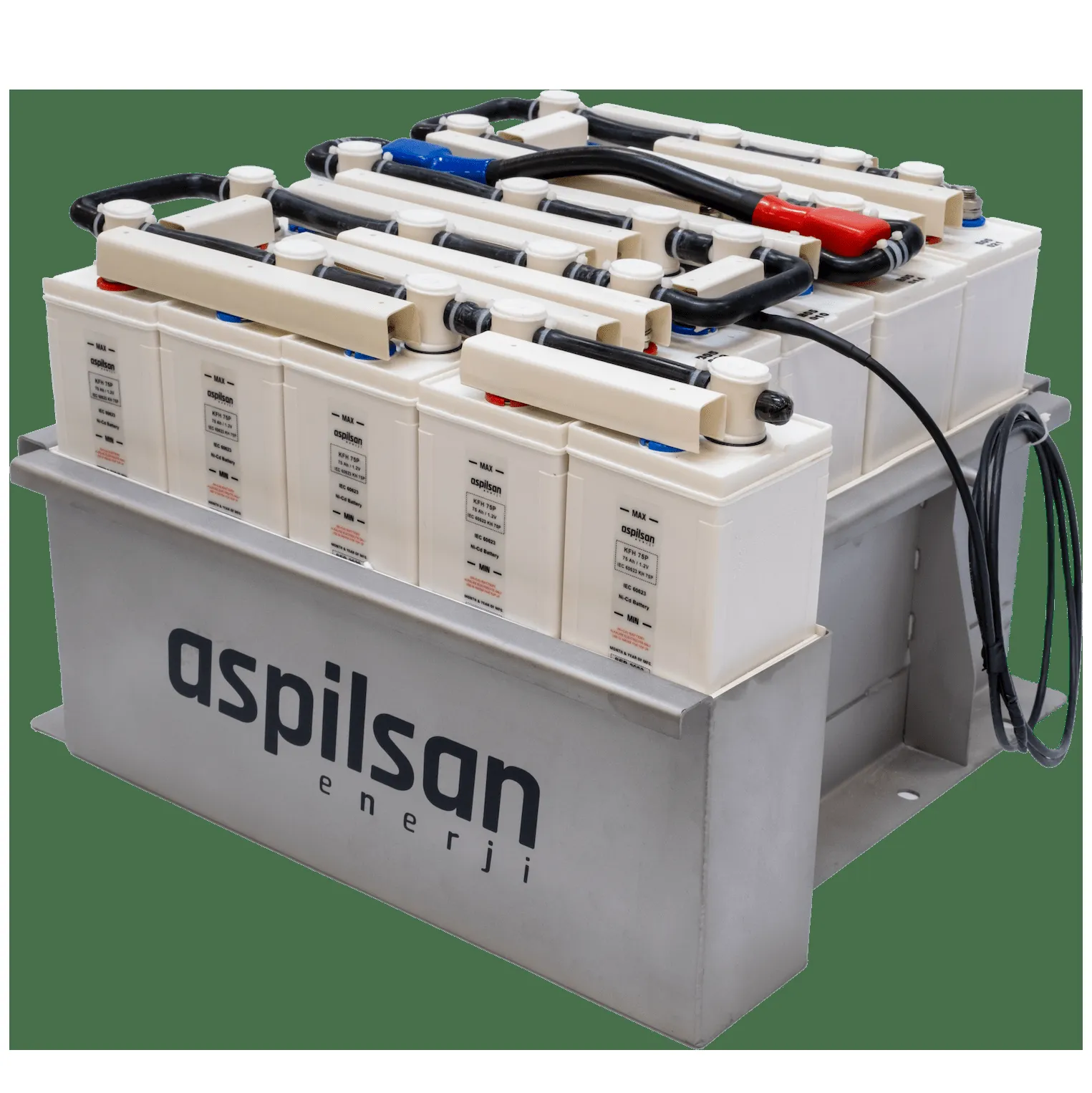
The KFM series cells
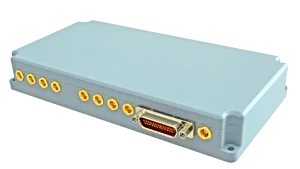
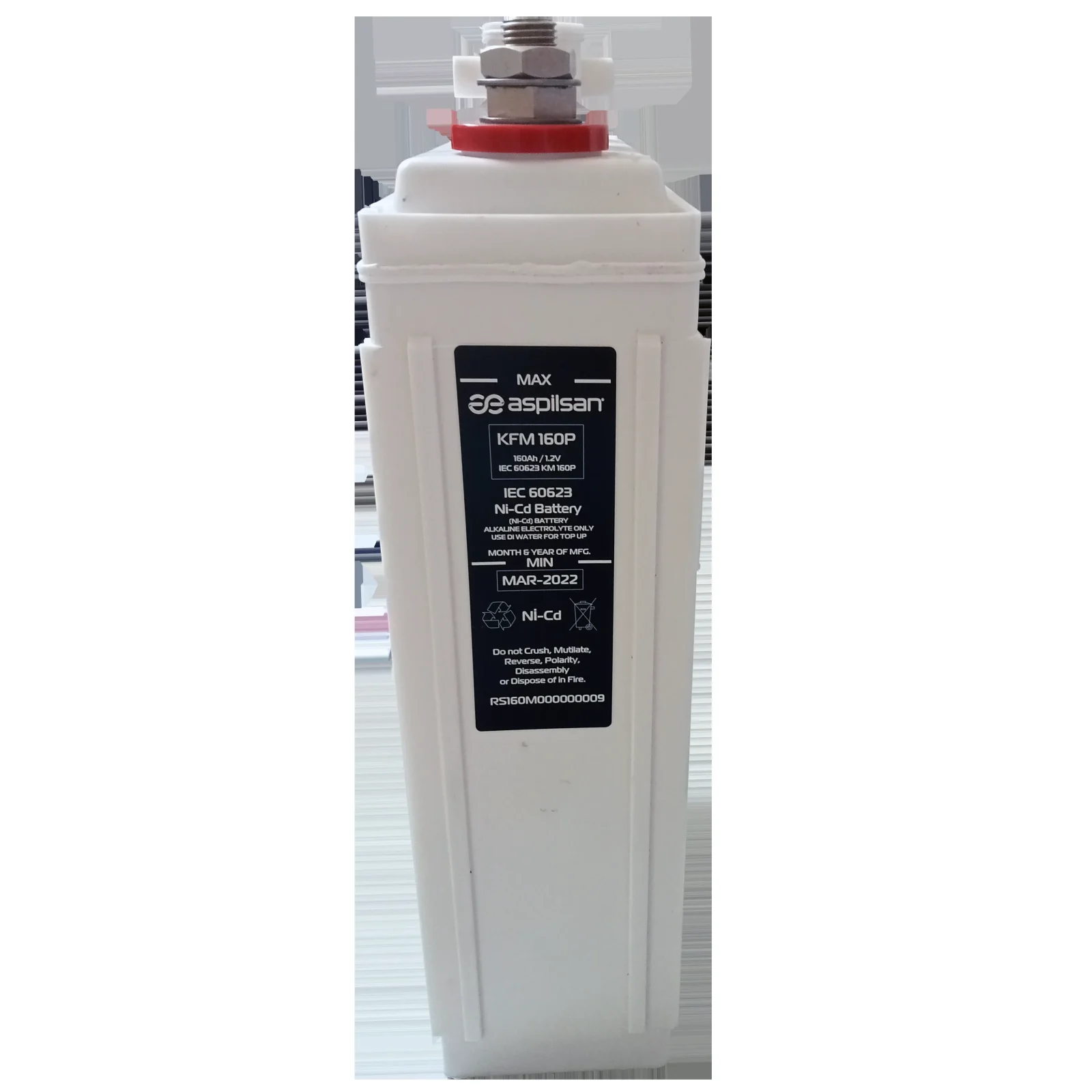
At the core of the rail products is the company’s KFM-coded nickel-cadmium cell family; the official page lists the KFM 56P, KFM 75P, KFM 80P, KFM 105P, and KFM 160P models. The numbers in the codes indicate the ampere-hour class. As with the aircraft batteries, the cells are produced in Kayseri and assembled into battery groups.
| Product | Domain | Disclosed information |
|---|---|---|
| KFM 56P – KFM 160P | Rail transit | Ni-Cd cell family, 56-160 Ah class |
| Rail system battery group | Rail transit | Turkey’s first domestically produced rail transit battery (2020) |
| Barbaros frigate battery (4X5 KRX 145P) | Naval | Battery group for Barbaros-class frigates |
| MILGEM-5 battery (F2040 H1CT-D) | Naval | Battery for the MILGEM fifth-ship configuration |
Capacity and voltage figures for the naval batteries are not officially disclosed; the designations are taken from the company’s product page records.
Naval platforms: from Barbaros to MILGEM
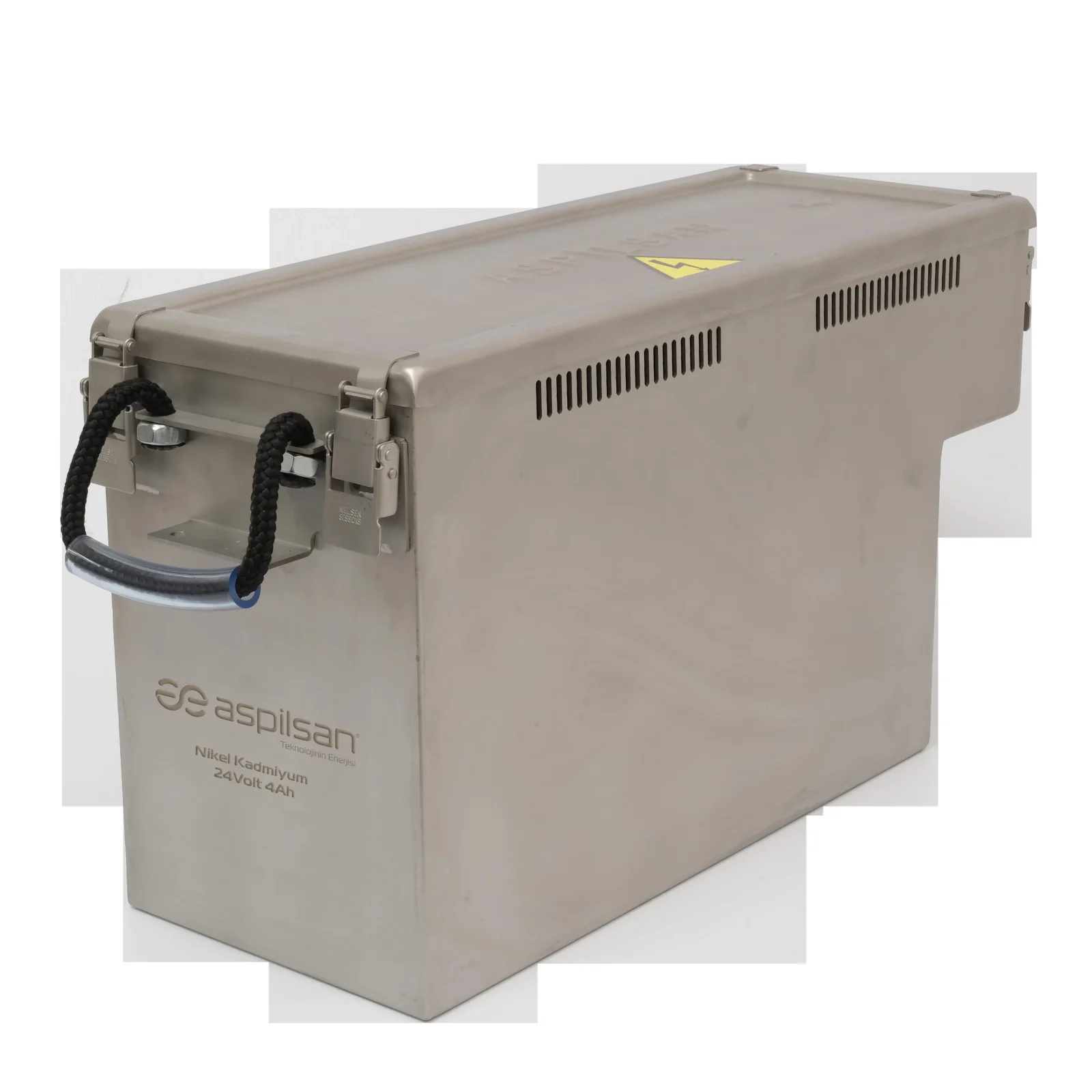
The official naval battery systems page lists the 4X5 KRX 145P battery group for the Barbaros-class frigates and the F2040 H1CT-D battery for the fifth ship of the MILGEM program. The F2040 code points to a naval adaptation of the F 20/40 platform in the company’s aviation battery family. Aboard ships, batteries carry critical loads such as emergency lighting and the uninterrupted supply of weapon and navigation systems. Delivery quantities and contract details are not officially disclosed.

The background to localization
According to the Milliyet report from 2020, the batteries of Turkey’s rail-operating metropolitan municipalities had until then been imported mainly from manufacturers based in Germany, France, and China; the Kayseri Ulasim official noted that imported batteries arrived at high cost and after long delays. ASPILSAN’s product went through roughly three years of R&D, was first field-tested on the city tram, and was then turned into a product. The nickel-cadmium production experience the company brings from its aircraft batteries forms the technical foundation for the move into rail and marine applications; all three domains draw on the same cell families and the same Kayseri production base.
On the naval side, battery localization aligns with the subsystem indigenization goals of domestic shipbuilding programs such as MILGEM. Since ship-level contract information has not been disclosed, this file is confined to product records and will be updated as new official data is published.
Frequently asked questions
Which vehicles use the rail system battery?
The first test took place on the Kayseri tram; the company states the product is suitable for metro, tram, and train projects. An up-to-date list of vehicles in service has not been officially published.
Why nickel-cadmium chemistry?
Ni-Cd cells are common in rail and aviation applications thanks to their wide temperature range, long shelf life, and predictable maintenance profile.
What does the IRIS certificate provide?
IRIS ISO 22163 is the quality management standard specific to the railway sector; it is a precondition for entering the supplier lists of major manufacturers.
Is the MILGEM battery lithium?
The product code F2040 H1CT-D points to the nickel-cadmium battery family; the chemistry is not separately stated on the official page.
Are there exports?
Country-level export data for rail and marine batteries is not officially disclosed; the company’s overall picture is in the export file.
How long do Ni-Cd batteries last in service?
With the correct maintenance regime, nickel-cadmium batteries can serve for many years in rail and marine applications; per-model service life data for ASPILSAN products is not officially disclosed.
Sources and verification note
Rail system information comes from the Milliyet report and official product pages; naval battery designations are taken from the company’s product records (Accessed: August 13, 2026).
- https://www.milliyet.com.tr/ekonomi/turkiyenin-ilk-rayli-sistemler-akusu-aspilsan-tarafindan-uretildi-6234245
- https://www.aspilsan.com/cozum-kategori/rayli-ulasim-ve-deniz-sistem-aku-bataryalari/
- https://www.aspilsan.com/kurumsal/hakkimizda/
- https://www.anadoluraylisistemler.org/firmalar/aspilsan-enerji-1