What Is ASPILSAN Enerji? Turkey’s Military Battery Maker

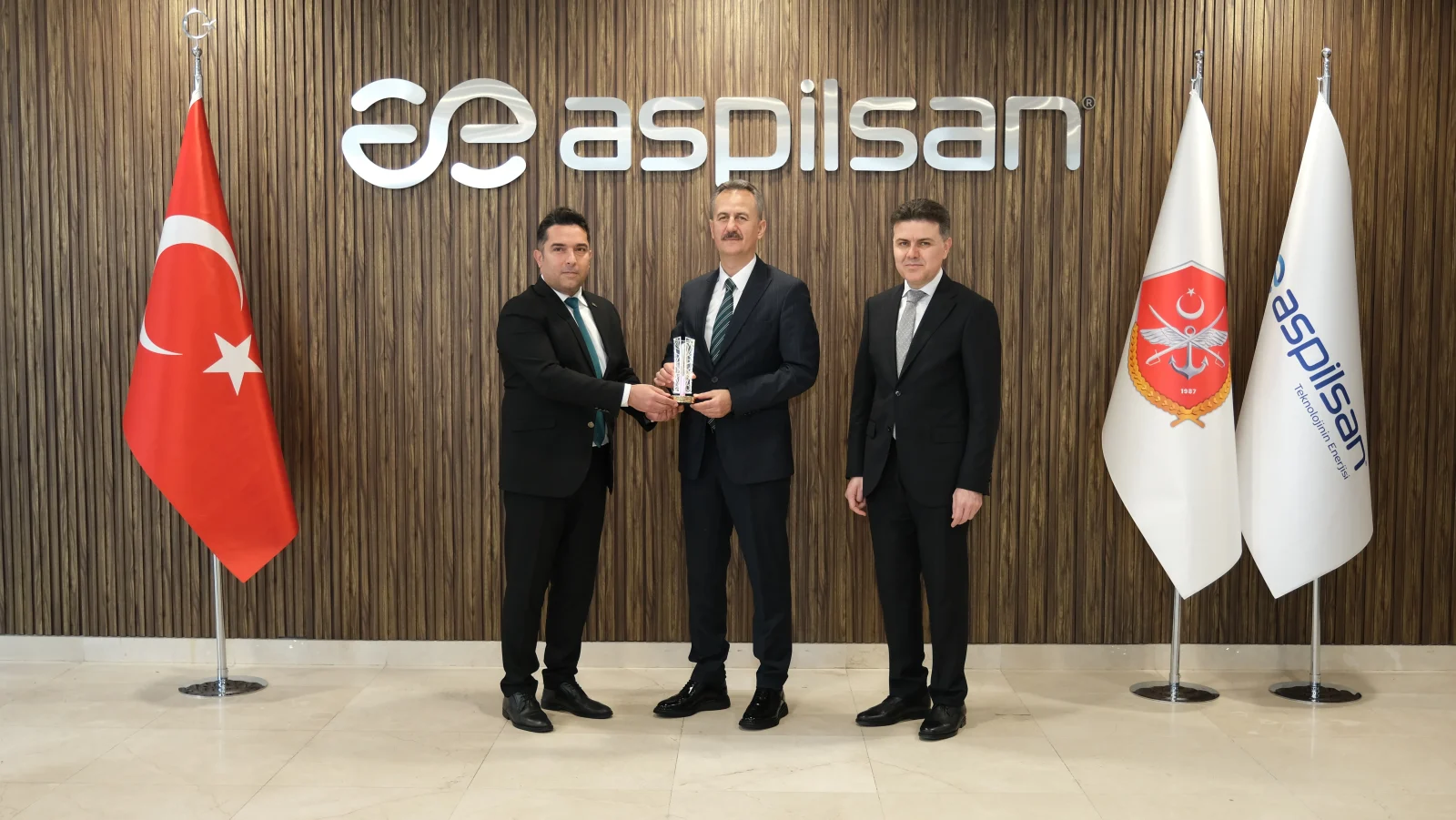
Quick answer: ASPILSAN Enerji Sanayi ve Ticaret A.S. is a military battery manufacturer founded in Kayseri on 2 April 1981 and majority-owned by the Turkish Armed Forces Foundation (TSKGV). The company produces nickel-cadmium aircraft batteries, batteries for radios and weapon systems, rail transit and marine batteries, and portable energy storage systems. Its plant in Kayseri, which began series production in 2022, is described in the press as Turkey’s first lithium-ion cell production facility.
Why and how was the company founded?
The company was established with donations from residents of Kayseri to supply the Turkish Armed Forces’ rechargeable battery needs from domestic sources. Its founding capital, raised through public donations, makes ASPILSAN an unusual case among the companies under the TSKGV umbrella. According to Wikipedia and company records, production started in the mid-1980s with nickel-cadmium battery packs for ASELSAN radios; aircraft battery production followed in 1993. Today more than 98 percent of the shares belong to TSKGV; the company states the figure as 98.5 percent, while encyclopedic sources report 98.3 percent.
What does the company produce?
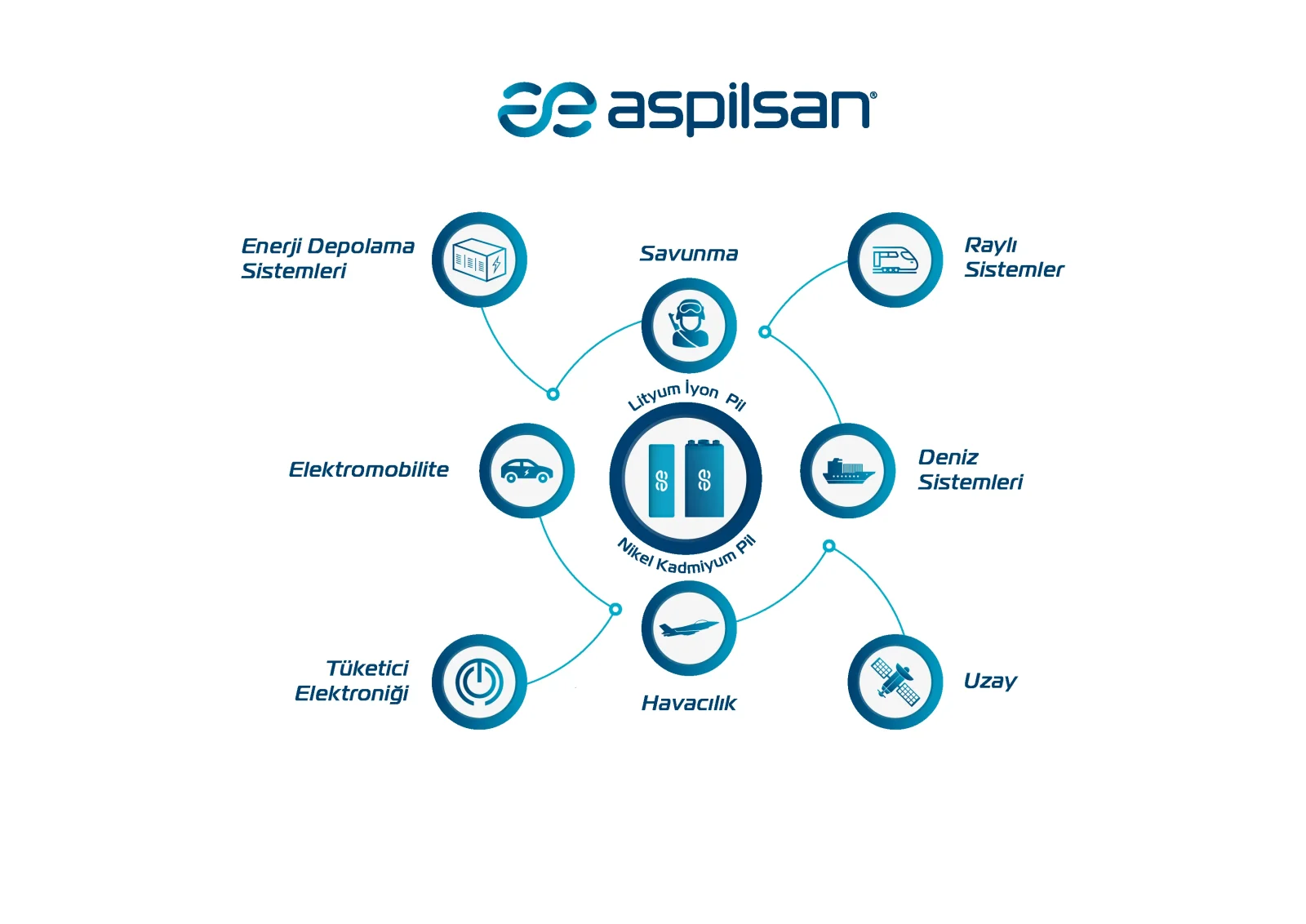
The official product catalog covers ten categories: cells, defense system batteries, aviation batteries, rail transit and marine batteries, energy storage systems, e-mobility, communications, medical, robotics, and heavy-equipment batteries. On the defense side, the BB-2590 family and radio batteries stand out; in aviation, nickel-cadmium aircraft batteries; on the cell side, the INR18650 lithium-ion series. Press releases published for the company’s 45th anniversary state that it produces 108 battery types, 228 kinds of battery packs, 16 charger models, and 37 types of nickel-cadmium aircraft and helicopter batteries.
Milestones
| Year | Development |
|---|---|
| 1981 | Founded in Kayseri with public donations |
| 1985-1986 | Battery pack production for ASELSAN radios |
| 1988 | AQAP defense quality certificate |
| 1993 | Start of nickel-cadmium aircraft battery production |
| 2018 | EASA certification for aviation batteries |
| 2020 | Turkey’s first rail transit battery (tested on the Kayseri tram) |
| 2022 | Series production of lithium-ion cells with the INR18650A28 |
| 2024 | Introduction of the 21700-format cell; civil aviation opening |
| 2026 | Launch of the silicon-anode A35 cell at SAHA 2026 |
What did the lithium-ion investment deliver?
The 25,000-square-meter enclosed facility in the Kayseri Mimarsinan Organized Industrial Zone began series production of the INR18650A28 cell in June 2022. According to company figures, the line has an annual production capacity of 220 MWh, or roughly 21 million cells. An Anadolu Agency report from April 2026 states that an investment of about 1.5 billion Turkish lira was made in 2022 and that the product range has grown to more than 300 battery types. The same report notes that storable energy products are exported to the United States, South Korea, and European countries; details are covered in the export file.
Which platforms does it power?
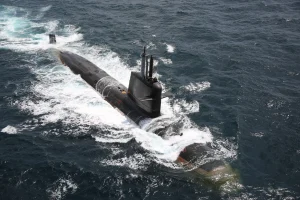
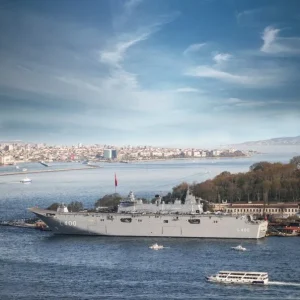
According to an Anadolu Agency report from January 2025, the company is designing battery systems for the KAAN, HURJET, and HURKUS aircraft, the GOKBEY and ATAK-2 helicopters, and the ANKA and AKSUNGUR unmanned aerial vehicles. General Manager Prof. Dr. Ahmet Turan Ozdemir has stated that an ASPILSAN battery was used on KAAN’s maiden flight. On the naval side, batteries for the frigate Barbaros and MILGEM-5 are covered in the rail transit and marine file. The full set of product families is listed in the ASPILSAN products guide.
Quality certificates and R&D structure
Alongside its ISO 9001, ISO 14001, and ISO 45001 management systems, the company holds the AQAP 2110 certificate for the NATO supply chain, the IRIS ISO 22163 certificate for the railway sector, and EASA certification for aviation batteries. Its AQAP certification history dates back to 1988; in 1997 it moved up to the NATO standard AQAP 2120 level. The R&D structure rests on three pillars: two R&D centers work on battery systems in Kayseri and on electronics and cell design in Ankara, while, according to a company announcement from January 2024, hydrogen fuel cell research has been under way in Istanbul for about five years in cooperation with Teknopark Istanbul. This three-part setup keeps design in-house, from cell chemistry to battery management electronics.
On the civilian side, the company says it runs a telecom battery cooperation with Turkcell, signed an agreement with ULAK Haberlesme in 2026 to roll out domestically produced telecom batteries across networks, and develops batteries for fields ranging from electric vehicles to medical devices. This diversification points to a revenue base less dependent on defense orders; a segment-based revenue breakdown is not officially disclosed.
Frequently asked questions
Who owns ASPILSAN?
The majority stake belongs to the Turkish Armed Forces Foundation (TSKGV); sources put the share between 98.3 and 98.5 percent. It sits under the same foundation umbrella as ASELSAN, ROKETSAN, TUSAS, and HAVELSAN.
Where is ASPILSAN located?
The headquarters and main production are in the Kayseri Organized Industrial Zone; the lithium-ion cell plant is in the Mimarsinan Organized Industrial Zone. An R&D unit focused on electronics and cell design operates in Ankara.
Is ASPILSAN publicly traded?
No. The company is not listed on any stock exchange; nearly all shares are controlled by TSKGV.
Where does the name come from?
In publicly available sources, the “As” abbreviation is associated with the Turkish phrase for “military battery industry”; today the company uses the ASPILSAN Enerji brand. The official corporate name is ASPILSAN Enerji Sanayi ve Ticaret A.S.
Does it sell to the civilian market?
Yes. INR18650 cells are sold into the e-mobility and power tool markets; portable energy storage products, telecom batteries, and medical batteries are offered to civilian customers.
Sources and verification note
The information in this file was compiled from the sources below; figures that differ between sources, such as the ownership share, are given as ranges in the text (Accessed: August 13, 2026).
- https://www.aspilsan.com/kurumsal/hakkimizda/
- https://tr.wikipedia.org/wiki/ASP%C4%B0LSAN_Enerji
- https://www.aa.com.tr/tr/ekonomi/aspilsan-depolanabilir-enerji-urunlerini-ihrac-ediyor/3903545
- https://www.aa.com.tr/tr/savunma-sanayisi/aspilsan-urettigi-pil-ve-bataryalarla-savunma-sanayisine-guc-katiyor/3442088
- https://istanbulticaretgazetesi.com/aspilsandan-45-yillik-guc-tsknin-enerjisini-yerli-uretimle-sagliyor
- https://www.milliyet.com.tr/ekonomi/turkiyenin-ilk-rayli-sistemler-akusu-aspilsan-tarafindan-uretildi-6234245