ASPILSAN Aviation Batteries: From the F-16 to KAAN

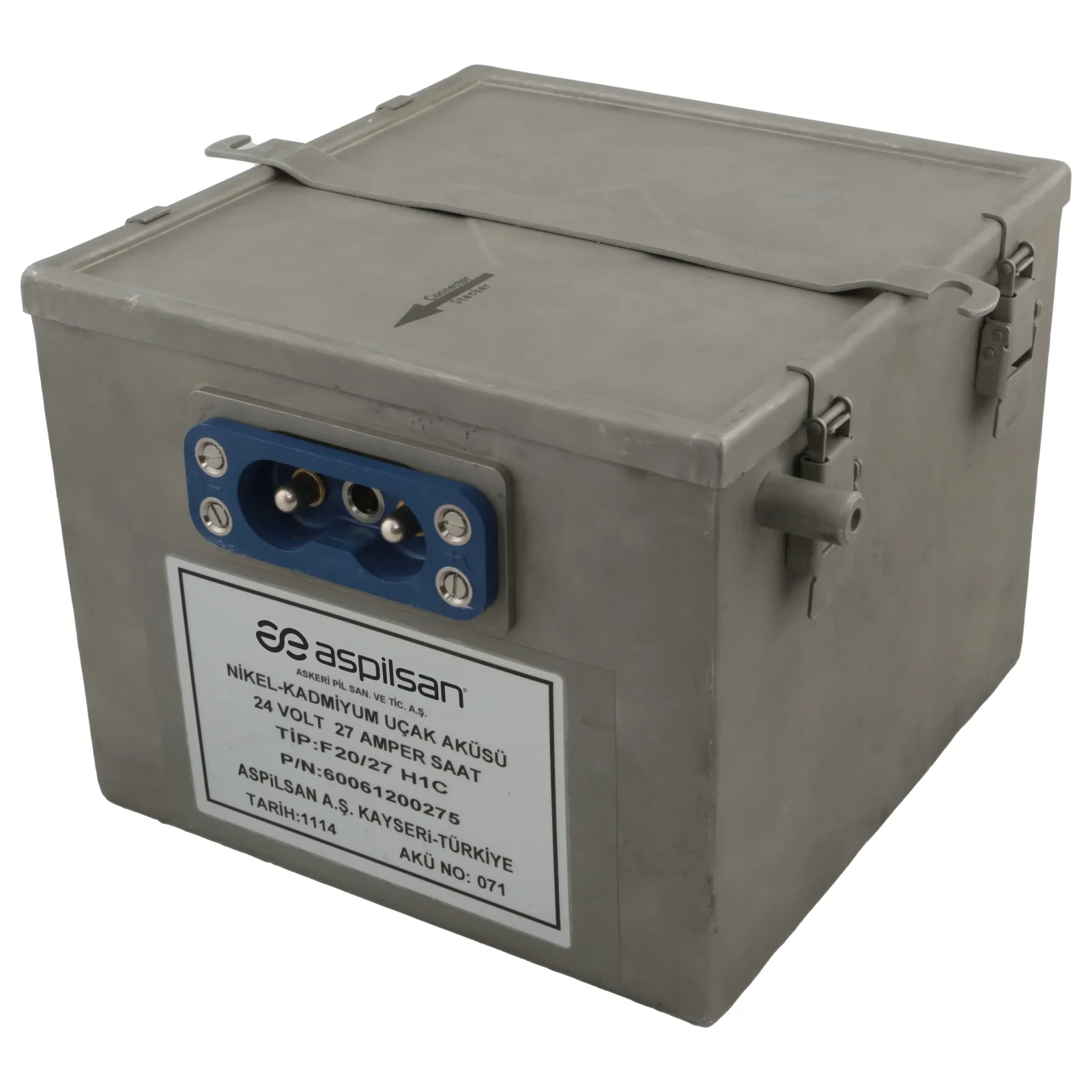
Quick answer: ASPILSAN is the sole domestic manufacturer meeting the Turkish Armed Forces’ aircraft and helicopter battery needs; the company describes itself as Turkey’s first and only aviation battery system producer in nickel-cadmium chemistry. Aircraft battery production, which began in 1993, today spans 37 types of nickel-cadmium batteries powering a wide range of platforms from the F-16 to KAAN. EASA certification, obtained in 2018, opened the way for the products to be used in civil aviation as well.
Why does nickel-cadmium chemistry persist in aviation?
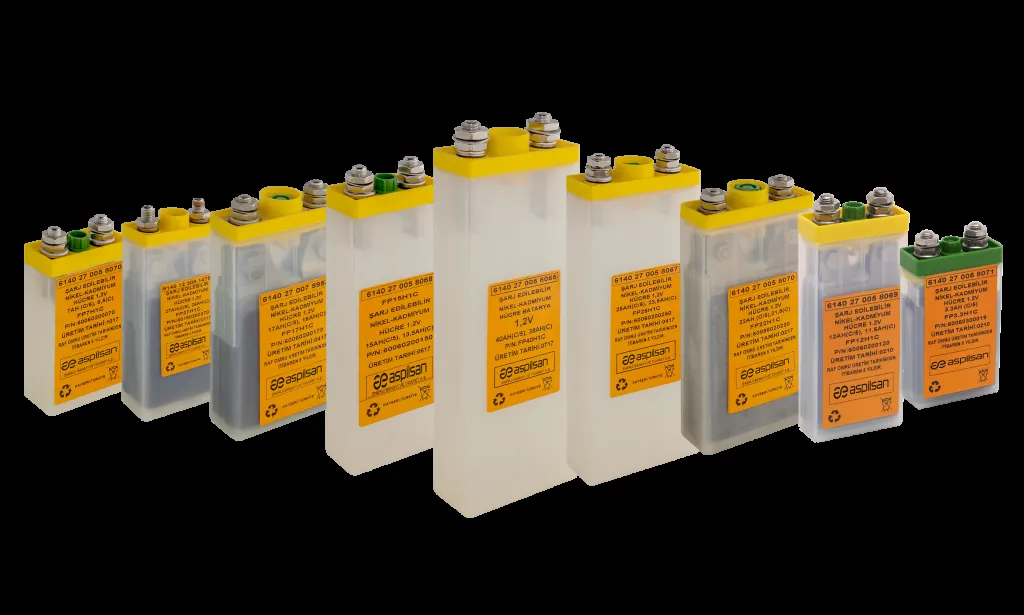
Aircraft batteries must deliver high instantaneous current for engine starting, emergency power, and ground operations, along with a wide temperature range and a predictable maintenance life. Nickel-cadmium cells have met these requirements for decades, which is why they remain common in both civil and military aviation. ASPILSAN’s F- and FP-coded cell families (from the FP 3.3H1C to the FP40H1C) are the building blocks of its batteries; the cells themselves are also produced in Kayseri. The company’s lithium-ion track record is examined separately in the INR18650 file.
Model family and platform matches
The official product pages list H1C variants ranging from the F 19/40H1C to models from the F 20/7 through the F 20/40. Catalog records of the Presidency of Defence Industries (SSB) associate these models with specific platforms; the matches below are based on those records, and the manufacturer should be consulted for current configurations.
| Model | Associated platforms |
|---|---|
| F 19/40H1C | F-4, T-38, NF-5, RF-5, AB-206, Cessna 210/310 |
| F 20/40H1C | KT-1T, C-160, B-212, T-37, UH-1H |
| F 20/40H1CT-2 | KT-1T basic trainer aircraft |
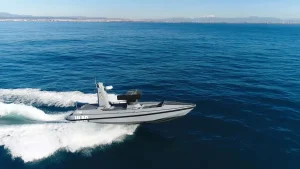
| F20/40 H1C-D | MILGEM-5 (naval platform adaptation) |
| F 20/12H1CT4 – F 20/27H1CM | Various aircraft and helicopter types |
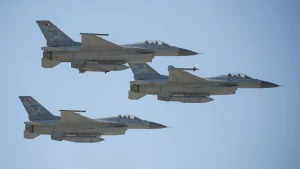
Kayseri Chamber of Industry records state that the company supplies the battery needs of F-16s, CASA CN-235s, and Cougar helicopters. Naval adaptations are covered in the rail transit and marine file.
New-generation platforms: KAAN, HURJET, GOKBEY
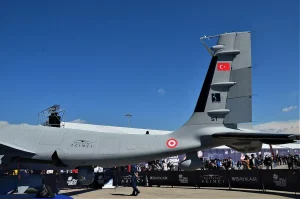
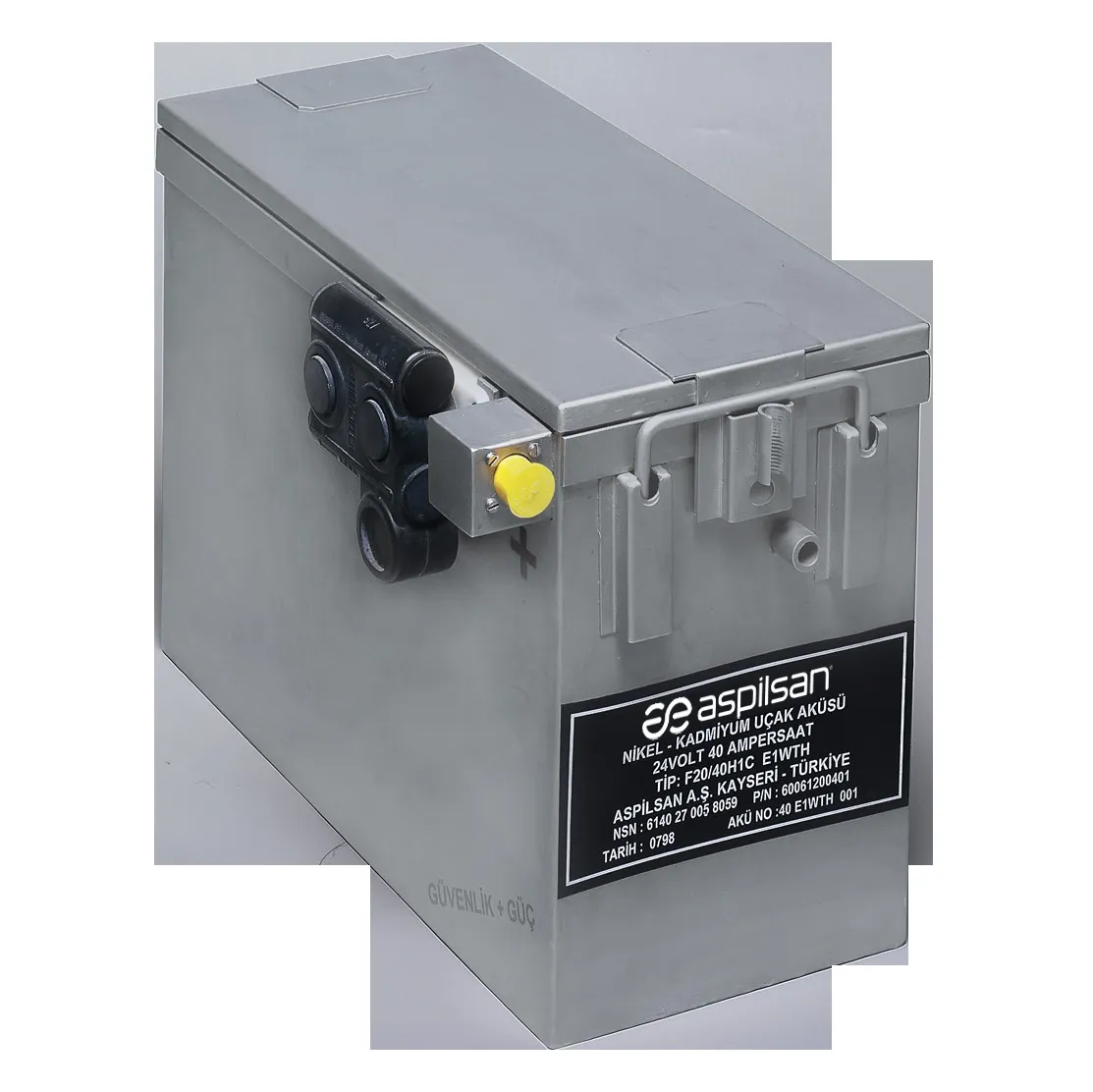
According to an Anadolu Agency report from January 2025, ASPILSAN is designing battery systems for the KAAN, HURJET, and HURKUS aircraft, the GOKBEY and ATAK-2 helicopters, and the ANKA and AKSUNGUR unmanned aerial vehicles. In the same report, General Manager Prof. Dr. Ahmet Turan Ozdemir stated that KAAN’s maiden flight was performed with an ASPILSAN battery. Which chemistry is used in these projects is not officially disclosed on a per-platform basis.
Civil aviation and EASA
According to a company announcement from January 2024, the EASA certification process for its aviation batteries has been completed, with Turkish Airlines providing support along the way. Encyclopedic sources note that the first EASA certificate was obtained in 2018. Certification is the precondition for the batteries to be used not only in the military fleet but also by civil operators. In a market dominated by two long-established European manufacturers, the presence of a certified third supplier means price and lead-time competition for operators; data on ASPILSAN’s share of the civil market is not officially disclosed. The maintenance and charging infrastructure for the batteries is examined in the chargers file.

Maintenance, testing, and logistics
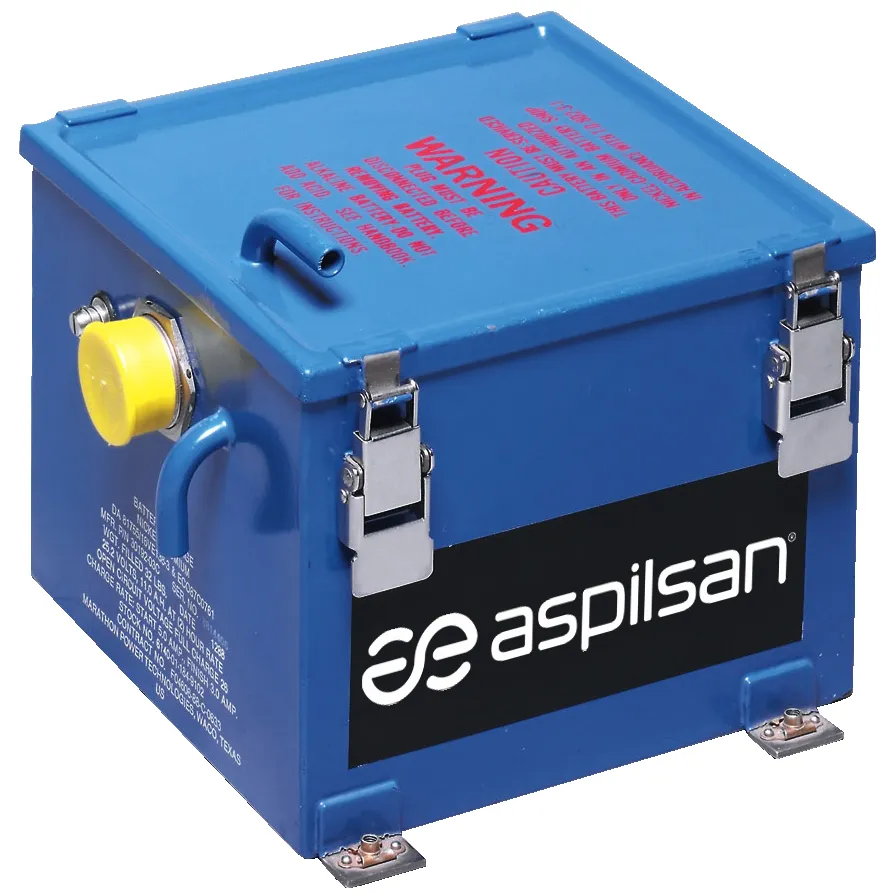
An aircraft battery is a product that requires scheduled maintenance: for nickel-cadmium batteries, periodic deep discharge, cell balancing, and capacity testing are part of airworthiness. The Kayseri Chamber of Industry record also counts laboratory test systems within the company’s product range; batteries are shipped in protective transport cases and can be refurbished through cell replacement during the maintenance cycle. Having a domestic manufacturer reduces dependence on overseas maintenance centers and shortens logistics time per battery. Production, which began in 1993 for the Air Force’s transport aircraft, has, according to encyclopedic records, spread over more than three decades to the entire aircraft fleet of the Turkish Armed Forces.
The cell leg of production is also domestic: the FP-coded nickel-cadmium cells are produced in Kayseri and assembled into battery groups. This vertical integration allows production priorities to be set in-house during capacity increases and urgent needs; the capacity of the cell production lines is not officially disclosed.
Frequently asked questions
Will Ni-Cd batteries be replaced by lithium?
The transition is slow in aviation because of certification requirements. ASPILSAN manufactures in both chemistries; choices on new platforms are not officially disclosed on a per-project basis.
What is the capacity range of the batteries?
The numbers in the model codes indicate the ampere-hour class; the F 20/40H1C, for example, is a 40 Ah-class battery. Manufacturer datasheets should be used for exact per-model values.
How many aircraft battery types does ASPILSAN produce?
The 45th anniversary press releases state that 37 types of nickel-cadmium aircraft and helicopter batteries are produced.
Are there sales to civil aircraft?
EASA certification has opened the way to civil sales; the company announced its entry into the civil aviation market in 2024. Delivery information by customer is not officially disclosed.
Are the batteries exported?
The company states that it exports storable energy products; no official country-by-country list has been published for aircraft batteries specifically. The overall picture is given in the export file.
Sources and verification note
Platform matches are based on SSB catalog records and company product pages; project-related information is drawn from Anadolu Agency reports (Accessed: August 13, 2026).
- https://www.aspilsan.com/cozum-kategori/havacilik-aku-bataryalari/
- https://www.aspilsan.com/wp-content/uploads/2025/04/ASPILSAN-Enerji-Ni-Cd-Havacilik-Bataryalari-Kitapcigi.pdf
- https://www.aa.com.tr/tr/savunma-sanayisi/aspilsan-urettigi-pil-ve-bataryalarla-savunma-sanayisine-guc-katiyor/3442088
- https://www.aspilsan.com/aspilsan-enerji-kabiliyetlerini-sivil-havacilik-sektorune-tasiyor/
- https://www.kayso.org.tr/tr/69/Aspilsan.html
- https://tr.wikipedia.org/wiki/ASP%C4%B0LSAN_Enerji