





America’s Homeland Shield Gets a Reboot: Lockheed Opens Next Generation Interceptor Factory in Alabama


- Plant: MAB-5, 88,000 sq ft, Courtland, Alabama — opened 1 June 2026
- Product: Next Generation Interceptor (NGI) for the Missile Defense Agency (MDA)
- Mission: layered defense of the U.S. homeland against intercontinental ballistic missiles
- Method: ‘digital twin’ manufacturing, drawing on THAAD and hypersonics experience
- Edge: open architecture — upgrades happen while the missile sits in its silo
Renewing a half-century-old shield
At the core of America’s homeland missile defense sits the Ground-based Midcourse Defense (GMD) system: silo-buried Ground-Based Interceptors in Alaska and California, designed to strike a North Korean or Iranian ICBM in space, long before it reaches its target. The catch is that those interceptors were drawn up in the early 2000s, and the threat has moved on fast since then.
At the ceremony, the company framed the plant as a generational leap rather than just another assembly line. MAB-5 consolidates Lockheed’s most advanced digital manufacturing tools under one roof; every interceptor is tested against a virtual copy of itself — a digital twin — before a single physical part is cut. The same discipline, it’s worth recalling, was matured on the THAAD and hypersonic weapon programs. That experience now flows into NGI.
One detail makes the picture more interesting. NGI is not a sealed black box; its open architecture means that when a new sensor or software build arrives, the interceptor can be updated without being pulled from its silo. In the older generation, every improvement meant hauling the missile back to the factory — a slow, costly loop. NGI is built to break it.
From sensors in space to the missile in its silo
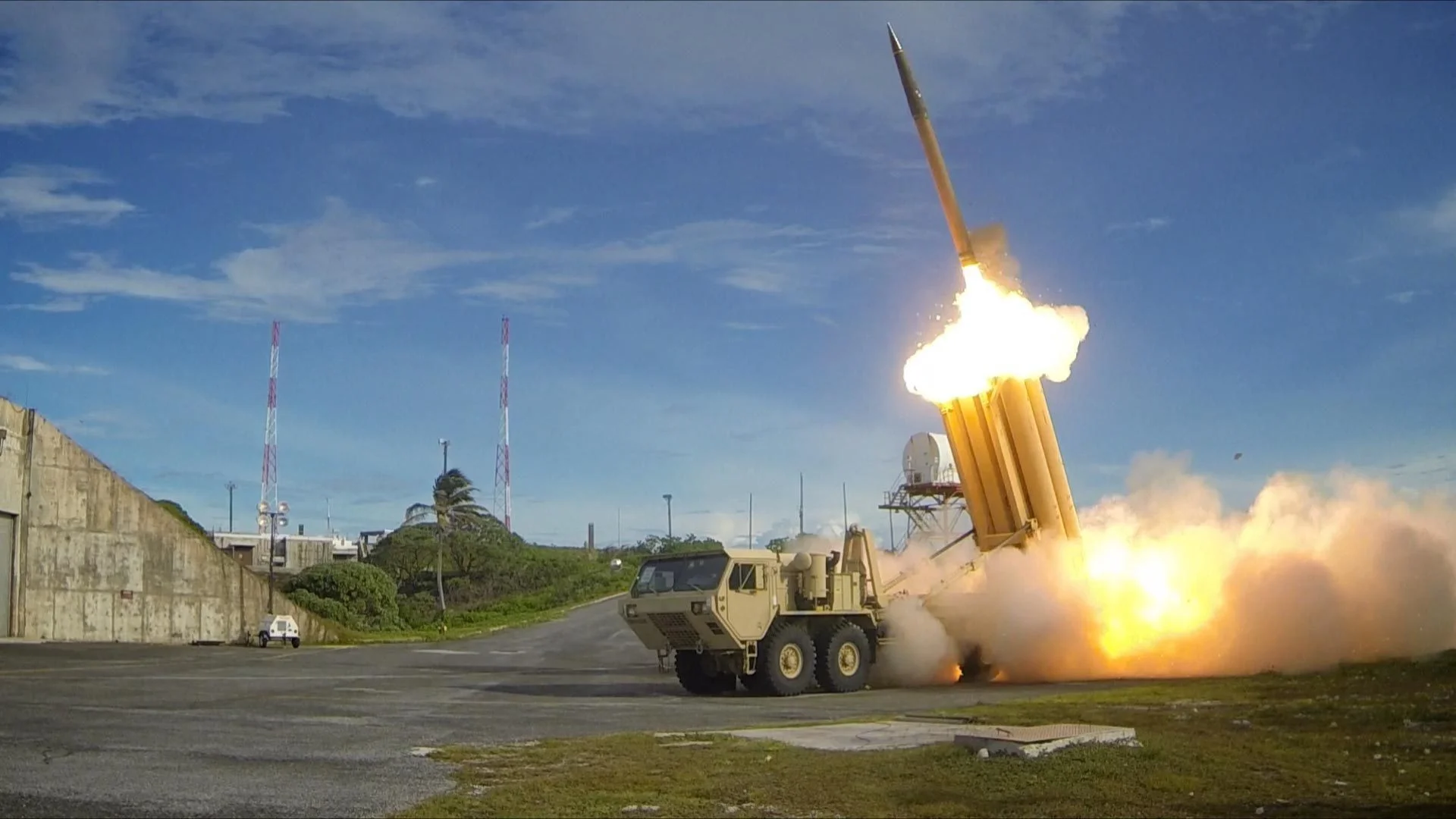
NGI does not fight alone. According to the manufacturer, the interceptor talks over the same network as space-based early-warning satellites, ground radars and command-and-control nodes. The instant a missile launches, satellites catch its heat signature, radars compute the track, and NGI is cued onto the target. Step back, and the United States is plainly trying to build one end-to-end defense architecture rather than a patchwork of stand-alone systems.
That approach feeds on the saturation lesson of recent years: not one incoming missile, but dozens at once. The program’s core technologies — guidance, sensors, software and propulsion — have shown system-level performance ahead of the Critical Design Review. In other words, NGI is no longer a design on paper; its hardware has started proving itself.
Courtland was no accidental choice either. The region has deep roots in Lockheed’s missile work, and the company is channeling its skilled workforce and infrastructure into NGI’s high-reliability production. The first interceptors are expected to slot into silos at Fort Greely, Alaska toward the end of the decade.
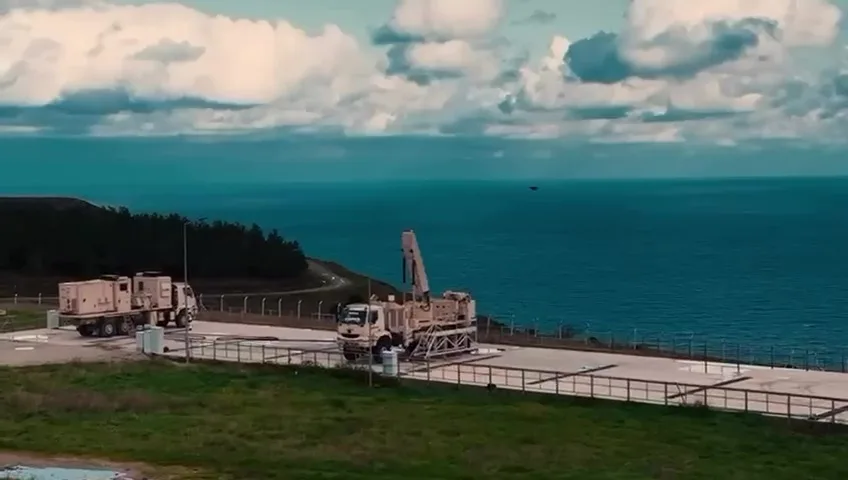
Seen from a distance, this is more than a procurement story; it signals that missile defense has become a continuously updated, network-based capability. Türkiye is following a parallel logic under its ÇELİK KUBBE (Steel Dome) umbrella, stitching a layered architecture from low to high altitude — SİPER’s long-range tier and ASELSAN’s radar-and-command integration move in the same direction as the ‘single network’ philosophy NGI embodies. Intercontinental interception is, of course, a different league; but the idea of building defense as a whole rather than as parts is a road Ankara has traveled for years.