INR18650A28 vs Samsung 29E: What Does the Data Say?

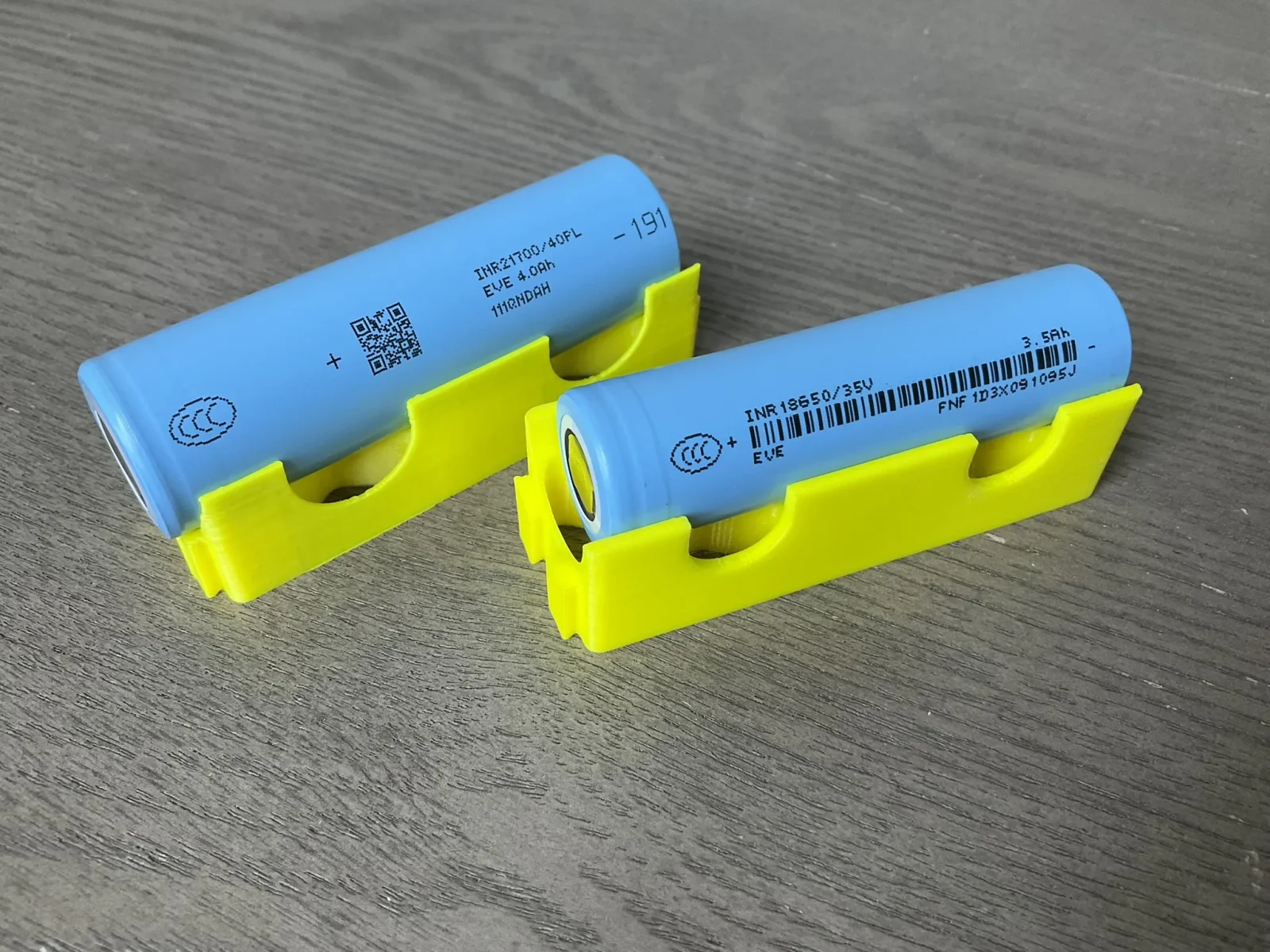
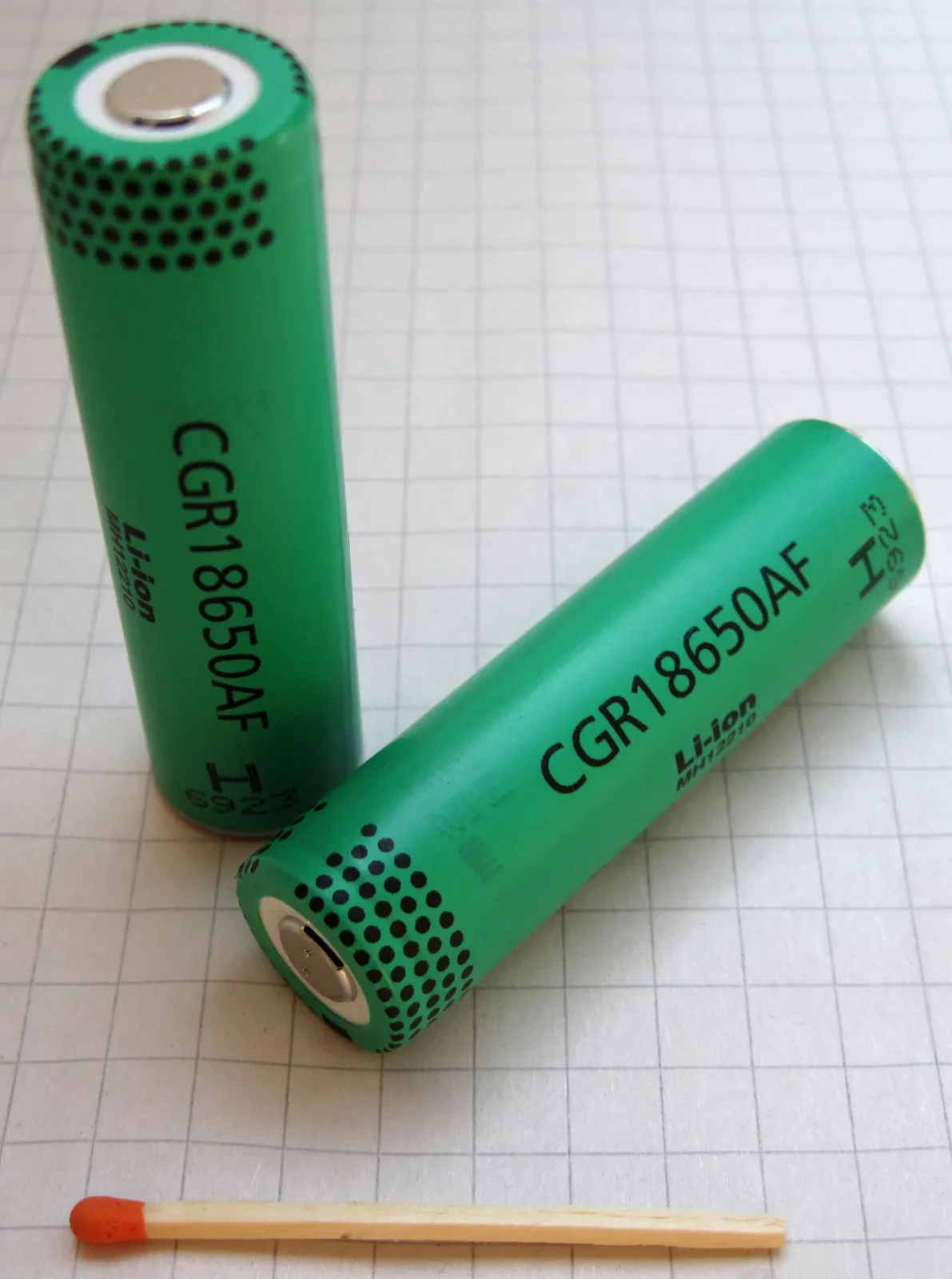
Quick answer: The ASPILSAN INR18650A28 and Samsung SDI’s widely used INR18650-29E are two NMC cells in the same 18650 format and the same 3.65 V nominal voltage class. According to manufacturer data, the A28 offers 2,800 mAh and the 29E a typical 2,850 mAh; the A28 stands apart with a higher continuous discharge current, the 29E with documented cycle life data. This file compares the two cells strictly on publicly available manufacturer data, on neutral terms.
Why these two cells?
Samsung SDI’s 29E is one of the most common global references in the 2,800-2,900 mAh class, used in countless packs from e-bike batteries to energy storage. The INR18650A28 sits in the same capacity class and is the first cell to be series-produced in Turkey. Their shared class is what makes the comparison meaningful. The comparison does not cover commercial variables such as price, lead time, or pack integration, because those data are not officially disclosed.
Technical data compared
| Specification | ASPILSAN INR18650A28 | Samsung SDI INR18650-29E |
|---|---|---|
| Format | 18650 | 18650 |
| Chemistry | NMC (nickel-rich) | NMC |
| Typical capacity | 2,800 mAh | 2,850 mAh |
| Nominal voltage | 3.65 V | 3.65 V |
| Max. continuous discharge | 14 A (manufacturer data; 25 A in distributor sources) | 5.5 A (2C) |
| Weight | ~44.5 g | max. 48 g |
| Specific energy | 230 Wh/kg (company data) | Datasheet equates to ~214 Wh/kg (calculation: 2.85 Ah × 3.65 V / 48 g) |
| Discharge temperature | -30 / +60 °C | -20 / +60 °C (datasheet) |
| Cycle life | Not officially disclosed. | ≥70% capacity at 500 cycles (under datasheet conditions) |
The 29E values in the table come from the manufacturer’s datasheet, the A28 values from company statements; the source discrepancy in the A28’s discharge current is explicitly flagged in the table.
Reading the data: who leads where?
In capacity, the two cells are practically equivalent; a 50 mAh difference falls within measurement tolerance in typical applications. On discharge, even the A28’s manufacturer figure (14 A) exceeds the 29E’s 5.5 A limit; this makes the A28 better suited to high-current loads such as radios, power tools, and portable power products. By contrast, the 29E’s publicly available datasheet documents cycle life, internal resistance, and test conditions in detail, giving system designers a verifiable reference; a public dataset of the same depth has not yet been published for the A28. In low-temperature discharge, the A28’s declared -30 °C limit is an on-paper advantage for cold climates and military scenarios.
The supply and certification dimension
Samsung SDI cells are sourced through global distribution networks; ASPILSAN, with NATO-standard quality certificates (AQAP) and European accreditations, offers a domestic alternative to buyers seeking supply chain independence. According to an Anadolu Agency report from April 2026, the company exports cells and storable energy products to the United States, South Korea, and Europe; details are in the export file. In defense projects, using a domestically produced cell can be decisive in terms of independence from export restrictions; this assessment is an inference based on how the sector generally operates.
Methodology note
This comparison relies solely on the two manufacturers’ publicly available data: Samsung SDI’s datasheet for the 29E, and ASPILSAN’s product page and official announcements for the A28. Independent laboratory tests are not included in this file for either cell; third-party test results can differ substantially depending on test conditions. It should also be remembered that datasheet values are themselves manufacturer claims, and that capacity and cycle life vary with temperature, discharge rate, and cutoff voltages. Since different revisions of the two cells (such as the 29E’s versions 6 and 7) can coexist on the market, the current revision’s datasheet should be requested from the manufacturer for critical designs.
Frequently asked questions
Can the two cells be used interchangeably?
Although they share the same format and voltage class, their battery management system settings, internal resistance, and discharge profiles differ; using them together in a pack or as a direct substitute requires manufacturer approval.
Why is the A28’s cycle life missing from the table?
Not officially disclosed. A 600-cycle figure has been shared for the A35 the company introduced in 2026; no equivalent data has been published for the A28.
Which one is cheaper?
Neither manufacturer publishes list prices; retail prices vary by seller and quantity. With no sourced price data, no comparison has been made.
Is the 29E still in production?
The 29E is a long-established model with multiple revisions; Samsung SDI’s official channels should be consulted for its current production status.
Is there a difference for military use?
ASPILSAN offers additional assurance for military buyers through AQAP-certified production and a domestic supply chain; Samsung SDI cells are also used in military packs on the global market but their supply is subject to export regimes.
Sources and verification note
The comparison was made using manufacturer-sourced data only; the conflicting A28 discharge figure is shown with both values in the table. Three of the images are licensed photographs from Wikimedia Commons (Accessed: August 13, 2026).
- https://www.aspilsan.com/cozumler/uretimini-yaptigimiz-sarj-edilebilir-lityum-iyon-pil/inr18650a28/
- https://www.aspilsan.com/en/aspilsan-inr18650a28-lithium-ion-rechargeable-cell/
- https://www.dnkpower.com/wp-content/uploads/2022/11/Samsung-INR18650-29E-Datasheet.pdf
- https://www.aspilsan.com/en/aspilsan-inr18650a28-lithium-ion-cylindrical-battery-cell-successfully-completed-european-accreditations/
- https://www.aa.com.tr/tr/ekonomi/aspilsan-depolanabilir-enerji-urunlerini-ihrac-ediyor/3903545