US special operators deploy within sight of Russia: Polar Dagger 2026 spreads across western Alaska

US Special Operations Forces are spending the second half of August dispersed across six sites in western Alaska for Operation POLAR DAGGER 2026. The most striking of them is Little Diomede Island, sitting in the middle of the Bering Strait a few kilometres from Russia’s Big Diomede. The question being tested is simple to state and hard to answer: how long can small units hold at Arctic locations with no infrastructure?
At a Glance
- What: US Special Operations Forces are conducting Operation POLAR DAGGER 2026 across western Alaska.
- When: 15–31 August 2026, a two-week continuous deployment.
- Where: Six sites — Little Diomede Island, Wales and Tin City on the Seward Peninsula, St. Lawrence Island, Nome as the logistics hub, and Point Hope.
- Proximity to Russia: Little Diomede lies a few kilometres from Russian-held Big Diomede, with the international date line running between them.
- What is being tested: Whether small forces can deploy, operate and remain supported from austere Arctic locations near key maritime and air approaches.
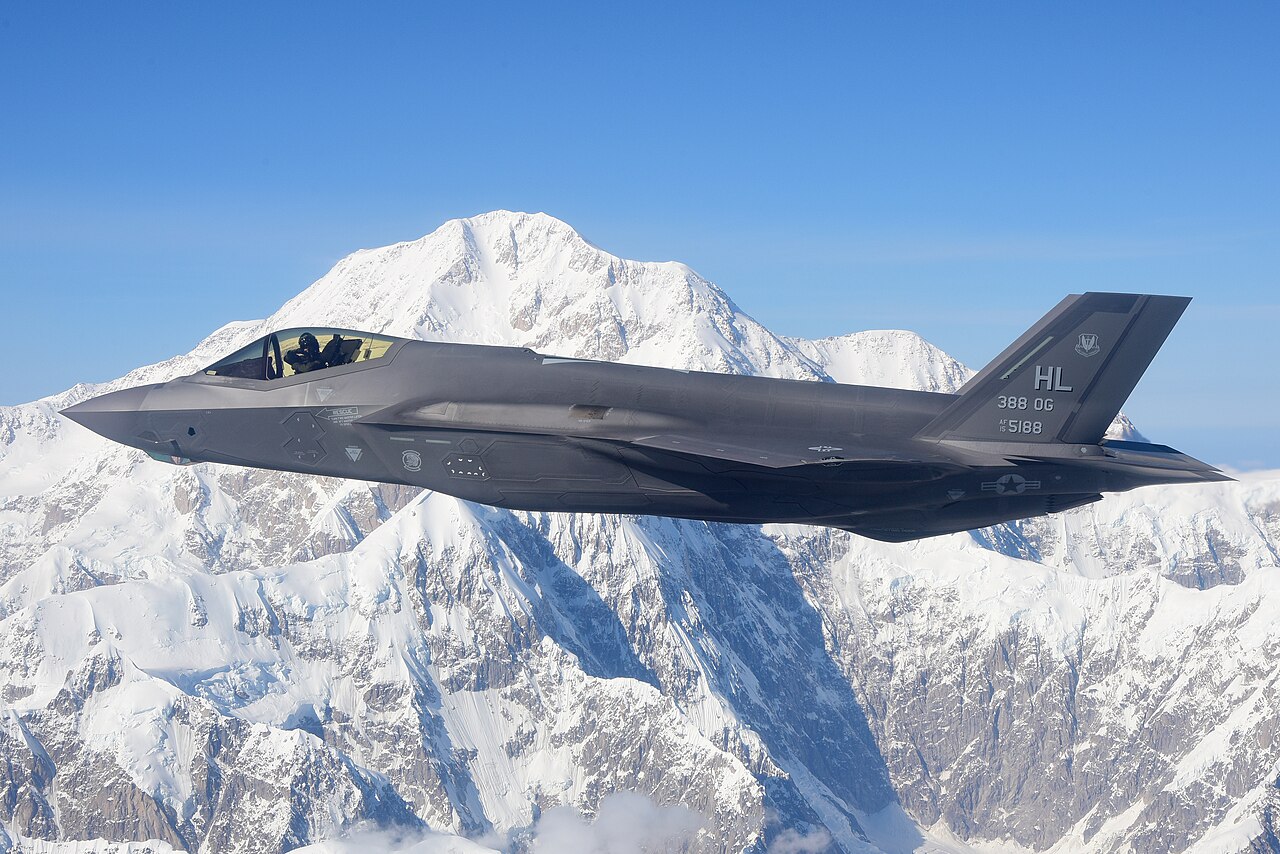
- Integrated with: Radar, fighter aircraft and long-range fires folded into the same scenario.
- Precursor: Exercise TUNDRA MERLIN in July–August moved HIMARS and surveillance radar through western Alaska staging points.
A few kilometres on the map, a different distance in doctrine
Two islands sit in the middle of the Bering Strait. The larger belongs to Russia, the smaller to the United States. On a clear day you can see one from the other. This month, US special operators moved onto the smaller one.
On paper, POLAR DAGGER 2026 is an annual Arctic exercise. In practice it is Washington’s changing thinking about the north, translated into terrain. The exercise began on 15 August and runs to the 31st, spread across six locations in western Alaska: Little Diomede Island; Wales and Tin City on the Seward Peninsula; St. Lawrence Island in the Bering Sea; Nome, carrying the logistics spine; and Point Hope on the Chukchi coast.
What these places share is that none of them is a base in any conventional sense. No permanent hangars, no fuel farm, no maintenance shop. The stated purpose measures exactly that: whether small American units can deploy and operate from austere Arctic sites adjacent to critical maritime and air approaches — and, the harder part, be sustained there.
The list under test: resupply, comms, casualty evacuation
The capabilities being exercised read like a catalogue of where special operations usually falter in the Arctic: infiltration and extraction procedures, long-range movement in extreme conditions, resupply, secure communications across enormous distances, medical evacuation coordination and infrastructure protection.
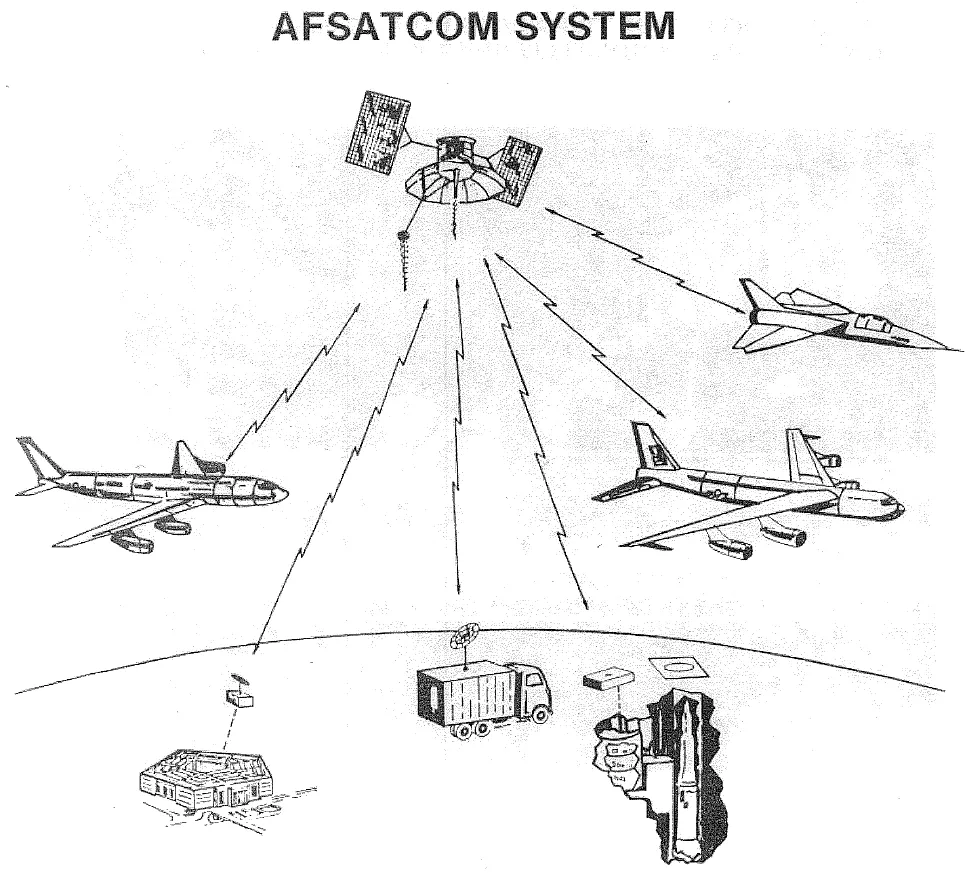
The least visible item on that list is the most decisive: communications. Ground stations are sparse at polar latitudes, geostationary satellites sit near the horizon, and high-frequency links are vulnerable to ionospheric disturbance. What usually determines how long a team can hold a Bering shoreline is not its ammunition but its data link. That is why Canada is spending billions on Arctic communications satellites, and why similar investment is accelerating across NATO’s northern flank.
The second decisive item is logistics. Designating Nome as the exercise’s logistics hub is no accident: for most of the year western Alaska has no road connection, and resupply arrives either by air or, in the months the ice permits, by sea. Holding a site there means being able to deliver fuel and food to it.
POLAR DAGGER 2026 Profile
| Exercise | POLAR DAGGER 2026 |
| Conducted by | US Special Operations Forces |
| Dates | 15–31 August 2026 |
| Region | Western Alaska — Bering Strait, Bering Sea and Chukchi Sea coastline |
| Deployment sites | Little Diomede Island, Wales, Tin City, St. Lawrence Island, Nome, Point Hope |
| Logistics hub | Nome |
| Capabilities tested | Infiltration/extraction, long-range movement, resupply, secure communications, medical evacuation, infrastructure protection |
| Integrated elements | Radar, fighter aircraft, long-range fires |
| Companion exercise | TUNDRA MERLIN (July–August 2026) — HIMARS and surveillance radar moved through western Alaska |
TUNDRA MERLIN: hauling the heavy stuff north
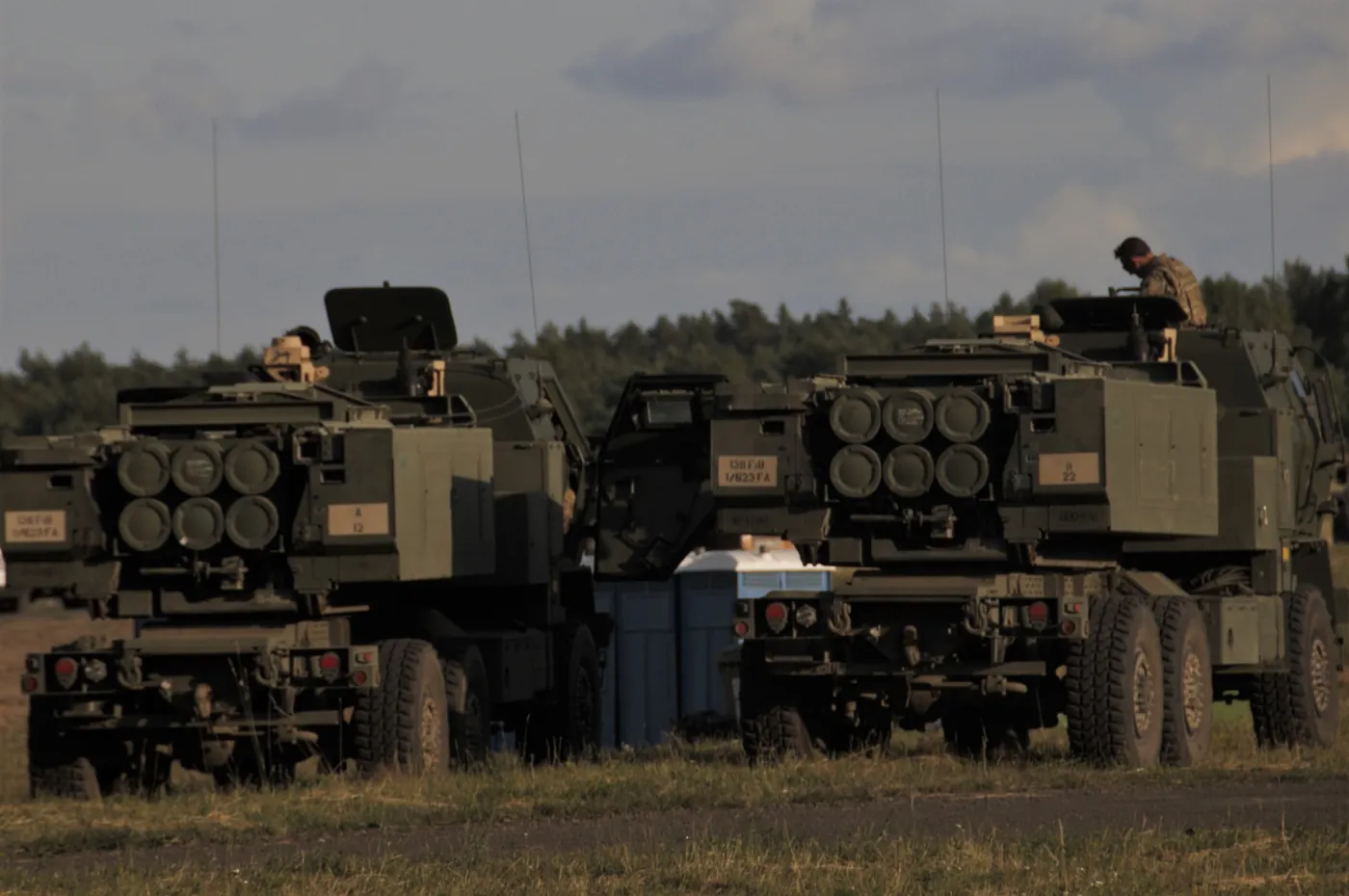
POLAR DAGGER does not stand alone. During July and August, Exercise TUNDRA MERLIN moved genuinely heavy assets — HIMARS rocket artillery and surveillance radar among them — through staging points in western Alaska. Read together, the picture is clear: rather than leaning on one large Arctic base, Washington is testing a dispersed network of positions that can be stood up and taken down within days.
This is one of the defining military trends of the decade. Fixed airfields and large depots being found by satellite and struck by missile in Ukraine, the US Air Force adopting agile combat employment across the Pacific, Sweden rehearsing highway landings with its Gripen fleet — all reflect the same logic in different geographies. In Alaska, that logic comes with minus thirty degrees and sea ice attached.
Why the pole matters again
Arctic military value is rising for two reasons. The first is ice. Retreating sea ice opens northern routes to shipping for a longer stretch of each year, and every route that opens is a line that has to be protected or denied. The second is distance. Viewed over the pole, the shortest path between North America and Eurasia runs straight through here — for intercontinental missiles and strategic bombers alike.
Russia reactivating Soviet-era polar bases and holding an unmatched icebreaker fleet is one side of the equation. China describing itself as a “near-Arctic state” and expanding its scientific and commercial footprint is the other. POLAR DAGGER is a comparatively small but symbolically heavy answer to both: for two weeks, at America’s northwestern edge, within sight of Russia, the flag is planted.
Sources
- Army Recognition — “U.S. Special Operations Forces Deploy Near Russia in Western Alaska for Polar Dagger 2026”, 16 August 2026
- US Special Operations Command and US Northern Command exercise announcements
- Wikipedia — Diomede Islands, Bering Strait, Nome (Alaska)