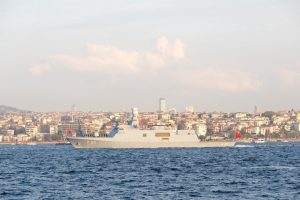
Europe’s 10 Most Powerful Navies in 2026: Russia, Italy, Türkiye

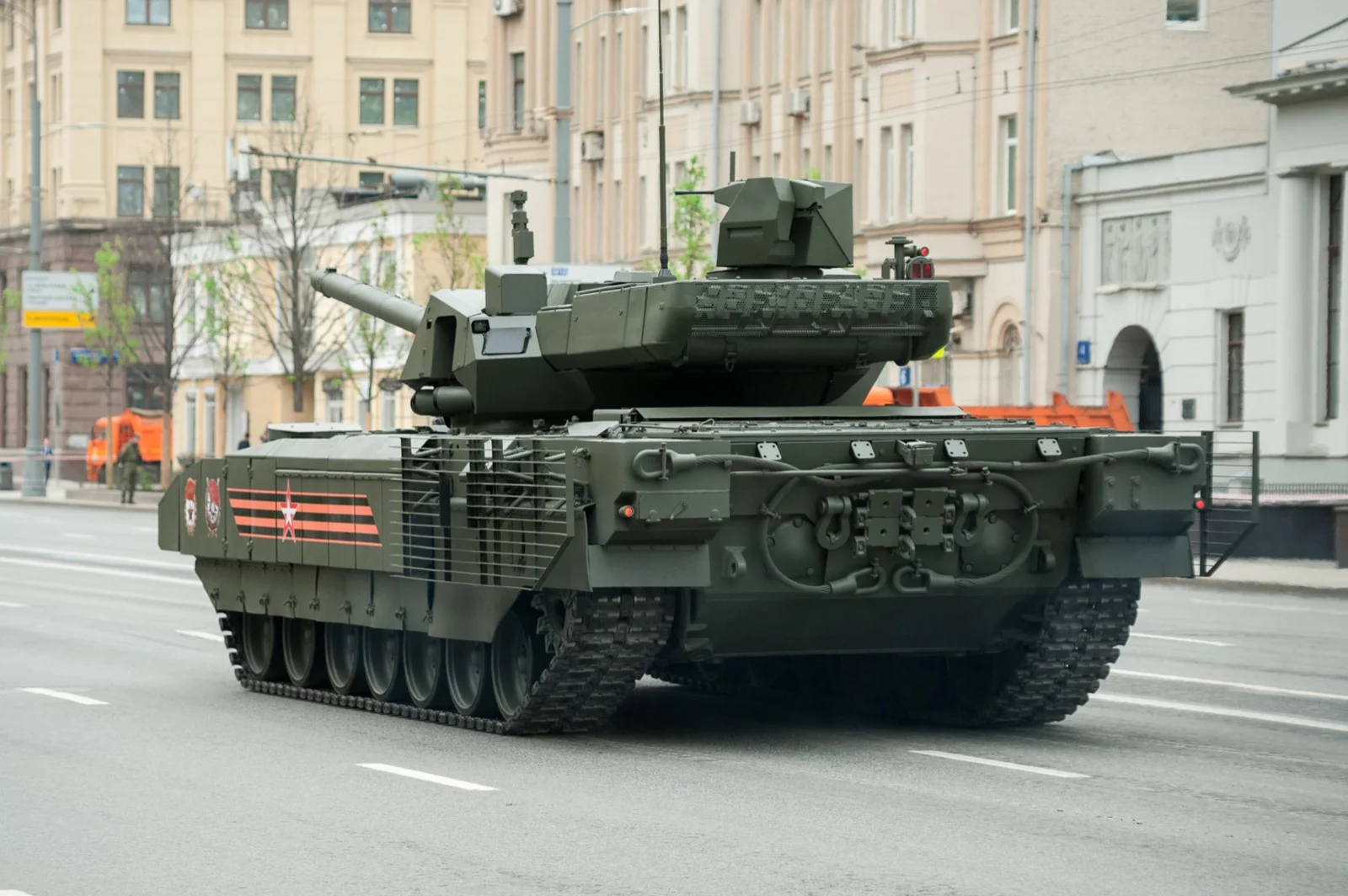
Who actually rules European waters in 2026? Russia’s sheer numbers, Italy’s carriers, Sweden’s surprise fleet and Türkiye’s 17 frigates — counted down from 10 to 1 with the latest inventory figures.
If a war broke out in Europe tomorrow, who would actually control the sea? In 2026 the question is unusually concrete: Sweden and Finland have moved under the NATO umbrella in the Baltic, Russia’s Black Sea Fleet has abandoned its main base, and frigate orders are stacking up across the eastern Mediterranean.
Global Firepower’s 2026 dataset ranks European navies by total naval assets. The result quietly demolishes a few assumptions: countries with aircraft carriers sit mid-table, while a navy with no frigates at all lands in the top three. Where Türkiye falls is the line most readers will argue about.
We count down from 10 to 1. Every entry carries the full inventory breakdown, the frigate and submarine split, the doctrine behind the force structure and the regional rival it is measured against. The full comparison table sits at the very end — no spoilers.
Netherlands
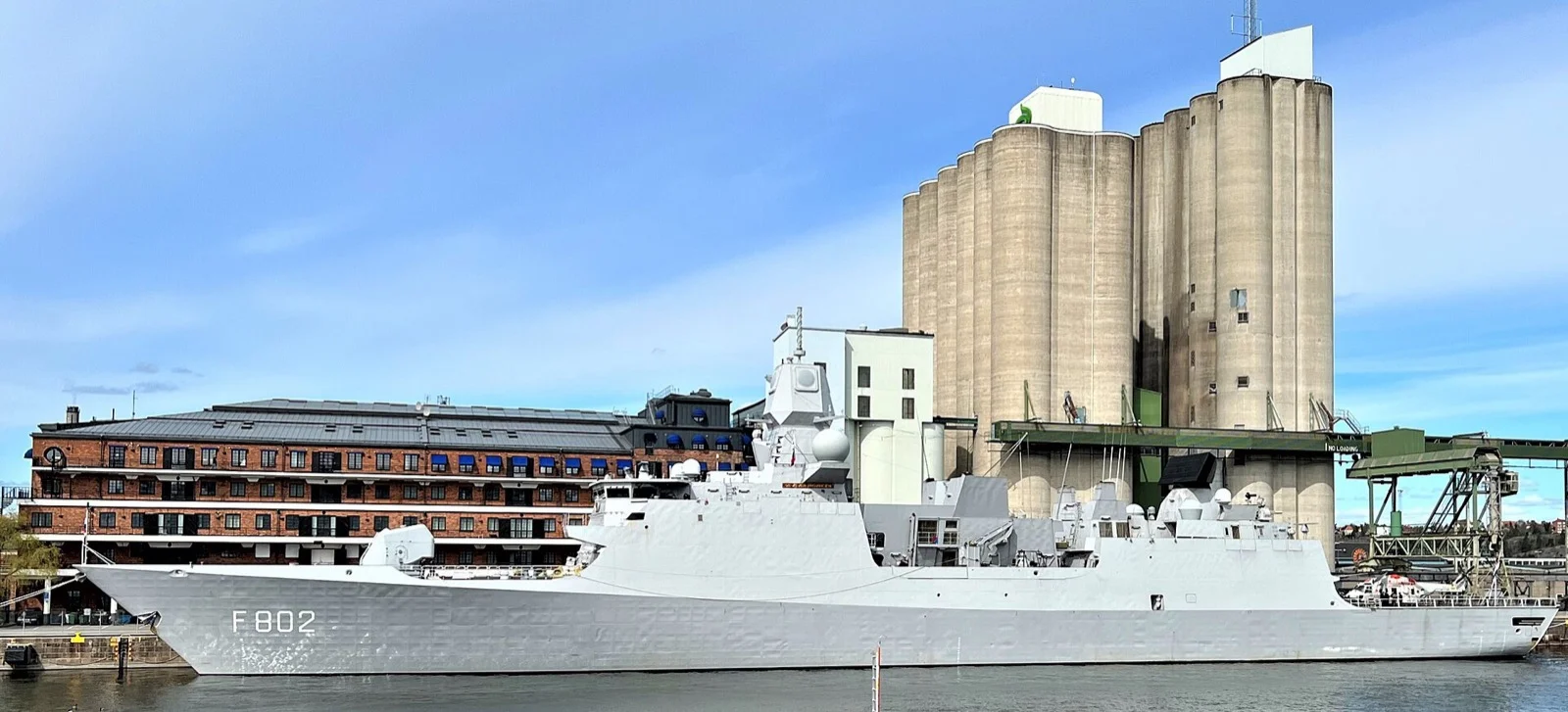
The Dutch navy makes this list on quality, not quantity. Its backbone is the De Zeven Provinciën air-defence frigate paired with the multipurpose Karel Doorman M-frigate — ships whose SMART-L and APAR radar combination feeds NATO’s ballistic-missile early-warning picture, something only a handful of European hulls can do. The doctrine behind that is deliberate: The Hague never tried to build an independent blue-water fleet, it built high-end components to plug into allied task groups, and Dutch frigates have escorted American and British carrier groups for years. The weak point is under the water. The 1990s Walrus boats are worn out and the replacement — the Orka class, derived from Naval Group’s Barracuda — will not arrive for years. Meanwhile a joint mine-countermeasures programme with Belgium is being reshaped around a threat nobody was planning for a decade ago: sabotage of North Sea energy lines and data cables. That mission, more than any carrier ambition, now sets Dutch naval priorities.
Benchmark: At 140 hulls the Netherlands fields roughly two-thirds of Türkiye’s fleet — but its air-defence radar suite is in Europe’s top tier.
| Power Element | Figure |
|---|---|
| Total naval assets | 140 |
| Frigates | 6 |
| Submarines | 3 |
| Carriers / LHD | 0 |
| Active personnel | 44,245 |
The next country beats it without owning a single frigate.
Finland
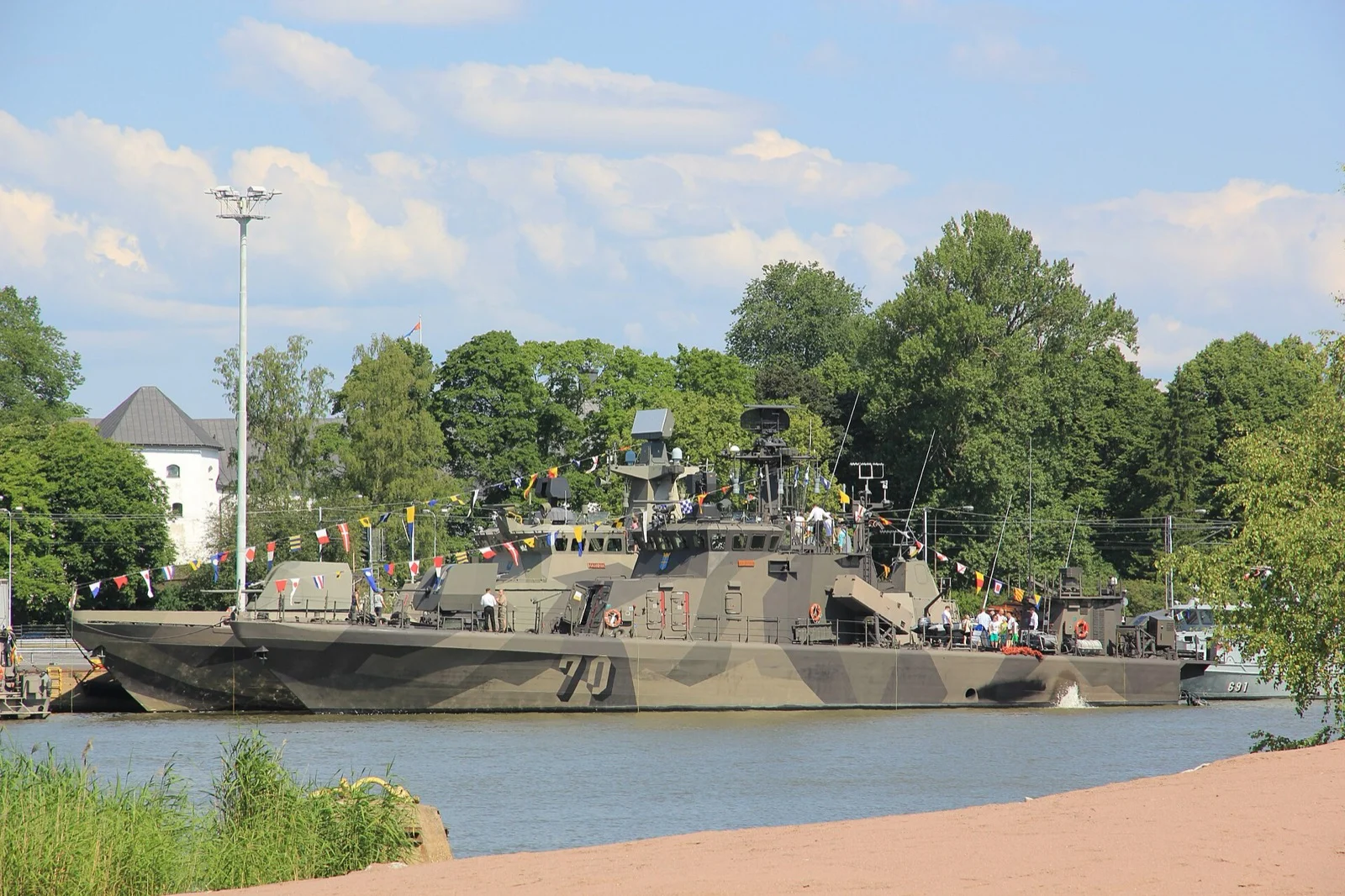
No frigates, no submarines, and still ninth — because the Finnish navy was never designed for open ocean. In the shallow, island-choked and ice-bound Baltic, Merivoimat built a deliberately dispersed force of fast attack craft, minelayers and landing boats. The Hamina class, upgraded with the Gabriel anti-ship missile and an anti-submarine fit, is the sharp end; Finland’s mine warfare stockpile is one of the most serious deterrents in northern Europe, and it is the kind of capability that closes a sea rather than crosses one. NATO accession in 2023 changed what all of this means strategically. Finnish shorelines are now the alliance’s northern Baltic flank and sit directly across Russia’s exit from Saint Petersburg. The Squadron 2020 programme is adding the Pohjanmaa-class multirole corvettes — the first Finnish warships able to operate year-round in ice while carrying both air-defence and anti-submarine roles. The zero in the frigate column will not stay a zero for long.
Benchmark: Finland sits one hull behind France in total assets — yet France operates a nuclear carrier and nine submarines, and Finland operates none.
| Power Element | Figure |
|---|---|
| Total naval assets | 165 |
| Frigates | 0 |
| Submarines | 0 |
| Corvettes | 0 |
| Active personnel | 24,000 |
Which brings us straight to the most expensive ship on this list.
France
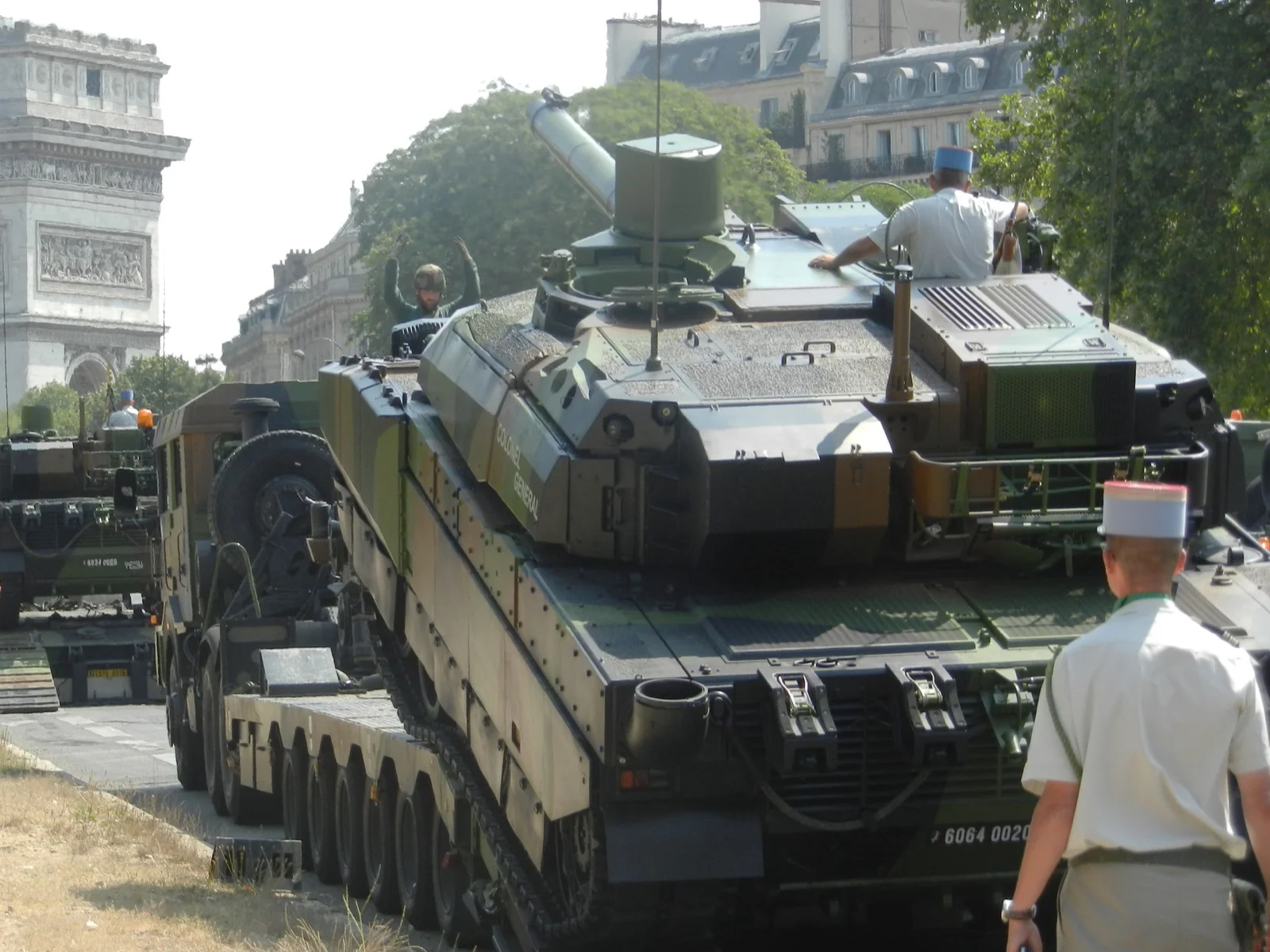
Eighth place badly understates France. The Marine nationale operates Europe’s only nuclear-powered aircraft carrier and the continent’s most balanced submarine force. Charles de Gaulle, with its Rafale M air wing, is the single European platform able to run independent strike operations from the Mediterranean to the Indian Ocean. Beneath the surface, Triomphant-class ballistic missile boats carry the sea leg of French nuclear deterrence, while the Suffren-class (Barracuda) attack submarines added cruise-missile strike to the toolkit. FREMM and FDI frigates carry the Aster family, and France sells those same hulls to allies — Greece among them — converting shipbuilding into Mediterranean political leverage. The doctrine is explicit: France presents itself as Europe’s only globally deployable naval power, citing its Pacific overseas territories to justify a permanent Indo-Pacific presence against China. The next-generation PANG carrier is the 2030s continuation of that claim.
Benchmark: France trails Türkiye on hull count, but its 11 destroyers and nuclear submarine force make it Europe’s second-heaviest navy by tonnage.
| Power Element | Figure |
|---|---|
| Total naval assets | 166 |
| Destroyers | 11 |
| Frigates | 5 |
| Submarines | 9 |
| Aircraft carriers | 1 |
Next comes the country whose official fleet was destroyed — and which still won the sea war.
Ukraine
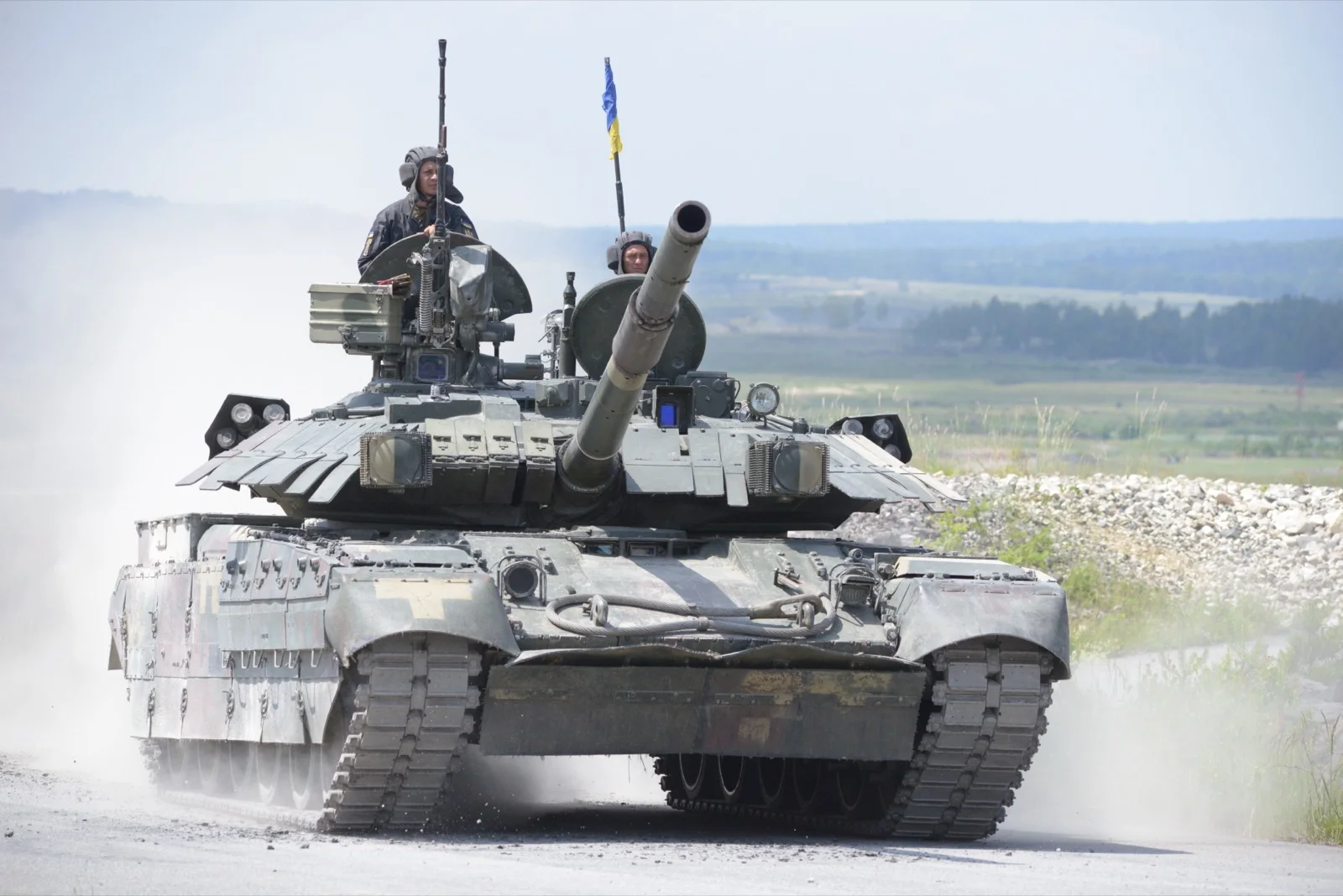
Ukraine is the most contested line on this list. By conventional measures it has no major surface combatant left: most of the fleet was lost with Crimea, and the handful of remaining ships were destroyed or scuttled in the first years of the war. The 169 figure is overwhelmingly patrol boats, riverine units and auxiliaries. And yet the Ukrainian Navy has become the most studied naval actor of the decade, because without a single frigate it forced Russia’s Black Sea Fleet to abandon Sevastopol for Novorossiysk. The instrument was not a ship but an unmanned surface vessel: the Magura and Sea Baby families, cheap explosive-laden craft that struck everything from landing ships to patrol vessels. Combined with the Neptune coastal missile and allied stand-off weapons, that approach broke the assumption that sea control requires a fleet. Every naval staff in Europe is now rewriting doctrine around it.
Benchmark: Ukraine is the only country here with no principal surface combatant — and the only one to have pushed Russia’s fleet out of its own main base.
| Power Element | Figure |
|---|---|
| Total naval assets | 169 |
| Frigates | 0 |
| Submarines | 0 |
| Corvettes | 0 |
| Active personnel | 900,000 |
The next entry returns us to conventional power: carriers, submarines and Aegis radars.
Spain
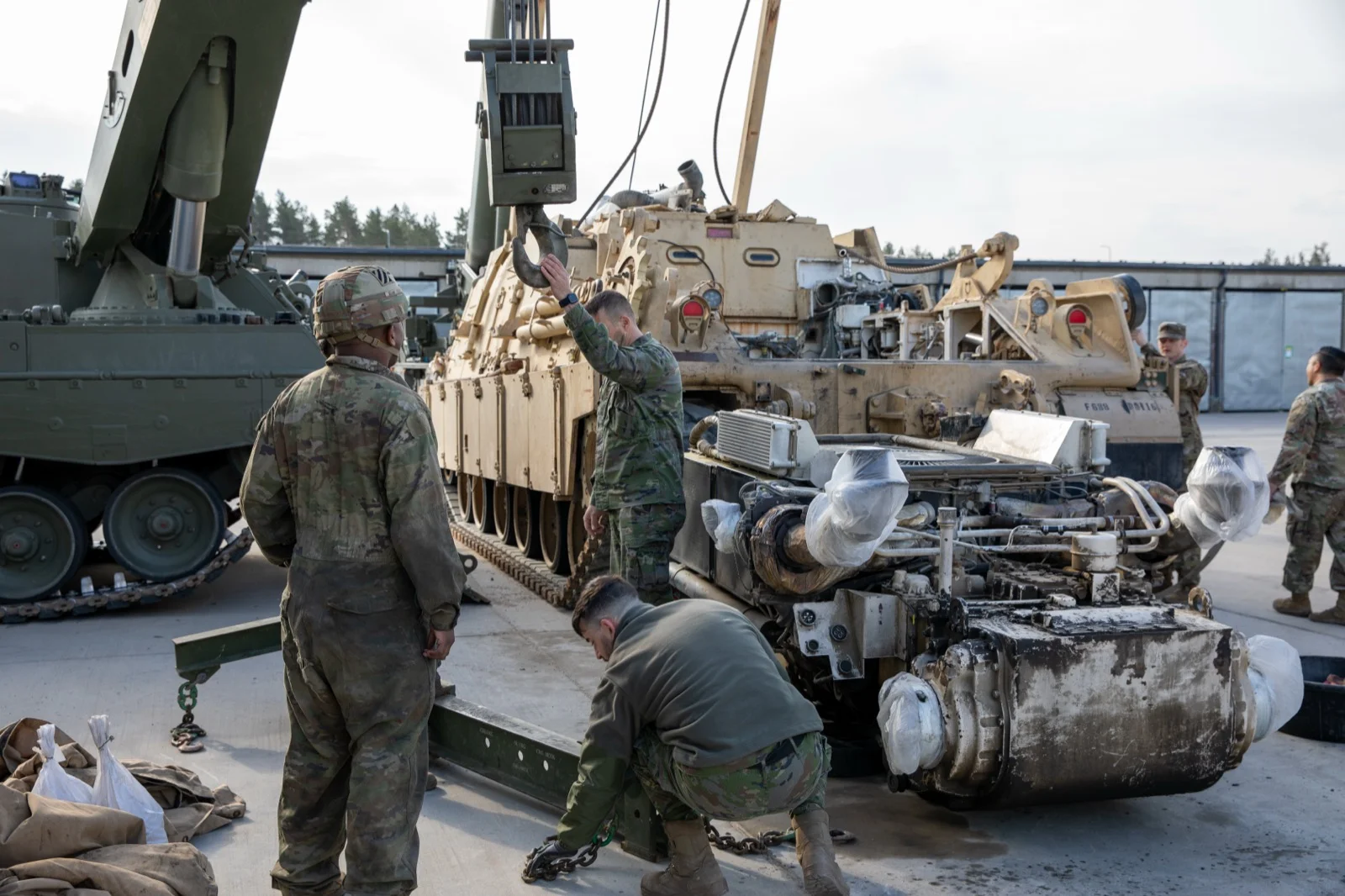
Spain runs one of Europe’s least-discussed but best-balanced fleets. Juan Carlos I still carries an air element with its AV-8B Harriers, and the same design was exported to Australia and to Türkiye as TCG Anadolu — making Navantia a genuine global reference. The F-100 Álvaro de Bazán frigates are among the few European hulls carrying the Aegis combat system; their successor, the F-110 Bonifaz class, is being built as NATO’s first major digital-twin frigate. The weak link is submarines. The S-80 Plus programme was derailed for years by a weight miscalculation and repeated AIP delays, and Spain’s active boat count is down to two. Doctrinally, Madrid focuses on securing the Atlantic-Mediterranean transit through Gibraltar and the Canaries, and on providing amphibious capability on NATO’s southern flank. Pressure to lift defence spending toward alliance targets will be the decisive variable for the Armada this decade.
Benchmark: Spain fields six fewer frigates than Türkiye and roughly one-seventh of its submarine force.
| Power Element | Figure |
|---|---|
| Total naval assets | 175 |
| Frigates | 11 |
| Submarines | 2 |
| Carrier / LHD | 1 |
| Active personnel | 121,802 |
From here on, every remaining country sits on a genuine flashpoint.
Greece
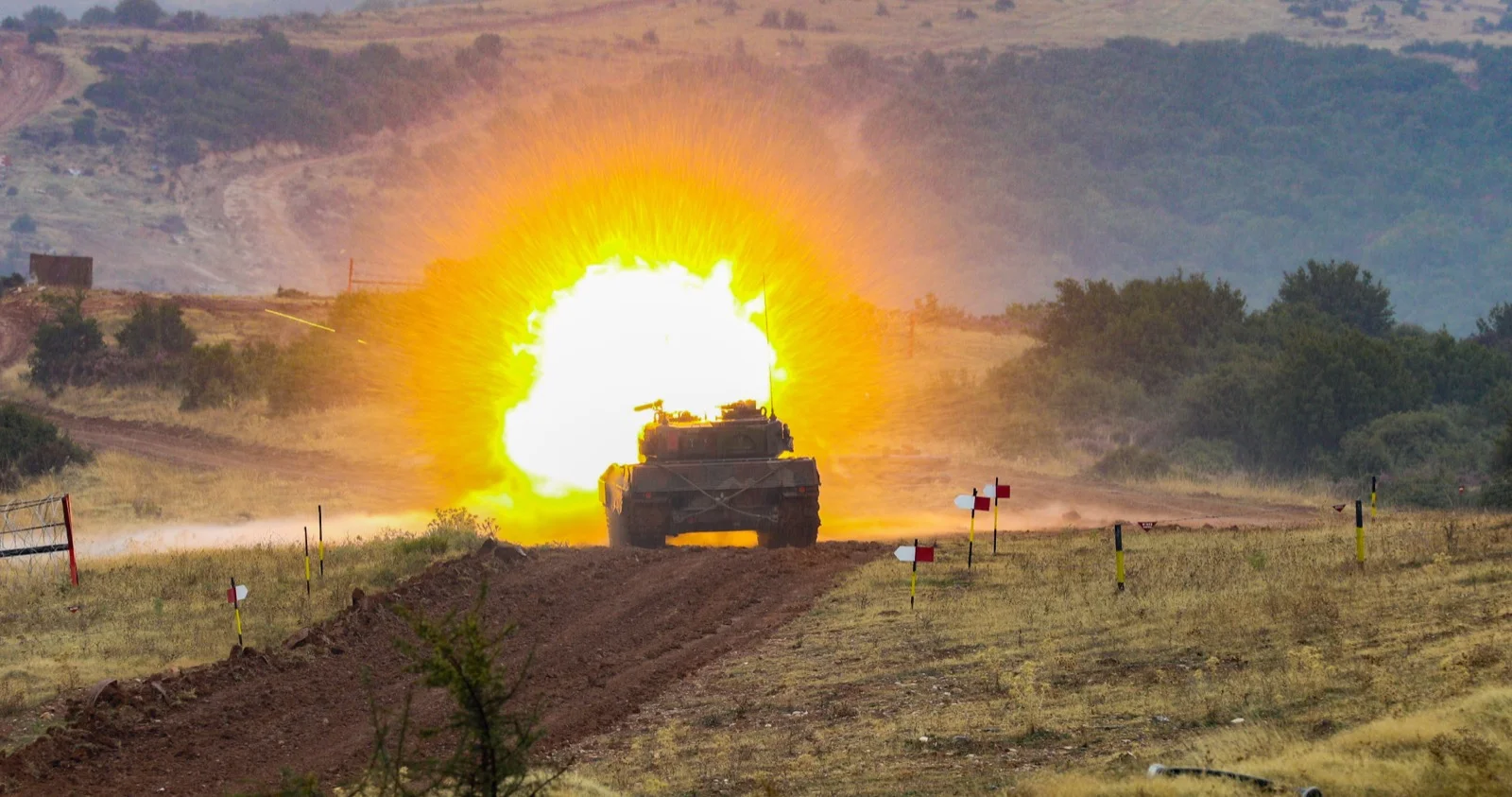
Relative to population and GDP, Greece is Europe’s heaviest naval spender. The core of the fleet is the MEKO 200HN Hydra-class frigate, now being joined by French FDI Belharra hulls. The genuinely dangerous component, though, is the submarine arm: the German-designed Type 214 Papanikolai class uses AIP to stay submerged for long periods and is difficult to localise in Aegean conditions. Athens’ force structure is openly Türkiye-centric, built around sea denial in the Aegean and eastern Mediterranean and a missile and radar network layered across the islands. The structural problem is dependence: hulls come from France, Germany and Italy, and sustainment, upgrades and munitions follow the same route. Greek defence spending is among NATO’s highest as a share of GDP, but in absolute terms it is roughly one-sixth of Türkiye’s — a gap that raises hard questions about sustaining a fleet of this size over a full life cycle.
Benchmark: Greece trails Türkiye 9 to 14 in submarines and 14 to 17 in frigates — second place in both categories.
| Power Element | Figure |
|---|---|
| Total naval assets | 186 |
| Frigates | 14 |
| Submarines | 9 |
| Corvettes | 0 |
| Active personnel | 142,700 |
Which raises the question everyone scrolled this far for: where exactly is Türkiye?
Türkiye
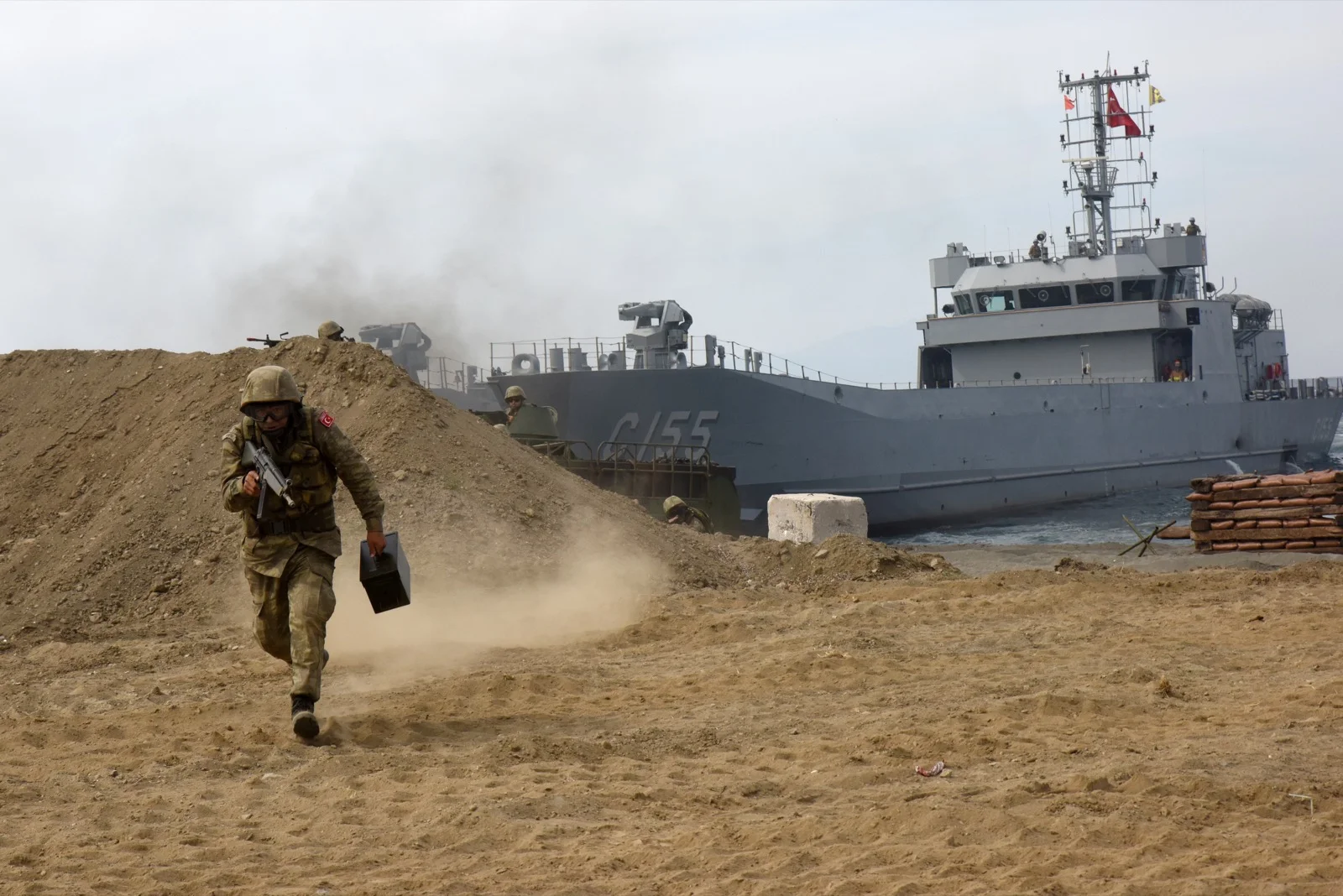
Fourth on hull count — but the composition tells a different story. With 17 frigates and 9 corvettes, the Turkish Naval Forces field a density of principal surface combatants no European navy except Russia can match, and its 14 submarines make up the continent’s largest conventional boat force. What really distinguishes the fleet is where the ships come from. The MİLGEM programme produced a fully indigenous family running from the Ada-class corvette to the İstanbul-class frigate; with TCG İstanbul in service and TCG Karadeniz launched, serial production has found its rhythm. GENESİS and ADVENT combat management systems, the ATMACA anti-ship missile, the GÖKDENİZ close-in weapon system and the GÖKSUR air-defence missile have removed most of the supply-chain leverage foreign vendors once held. TCG ANADOLU went further, becoming the world’s first drone carrier with the Bayraktar TB3 and KIZILELMA. Reis-class (Type 214TN) submarine deliveries continue, while MİLDEN aims at a wholly national boat.
Benchmark: Türkiye leads Europe in frigates, ahead of Italy 17 to 14, and ranks second only to Russia in submarines.
| Power Element | Figure |
|---|---|
| Total naval assets | 192 |
| Frigates | 17 |
| Corvettes | 9 |
| Submarines | 14 |
| Active personnel | 481,000 |
And still it finished fourth. So what is sitting above 192 hulls?
Sweden
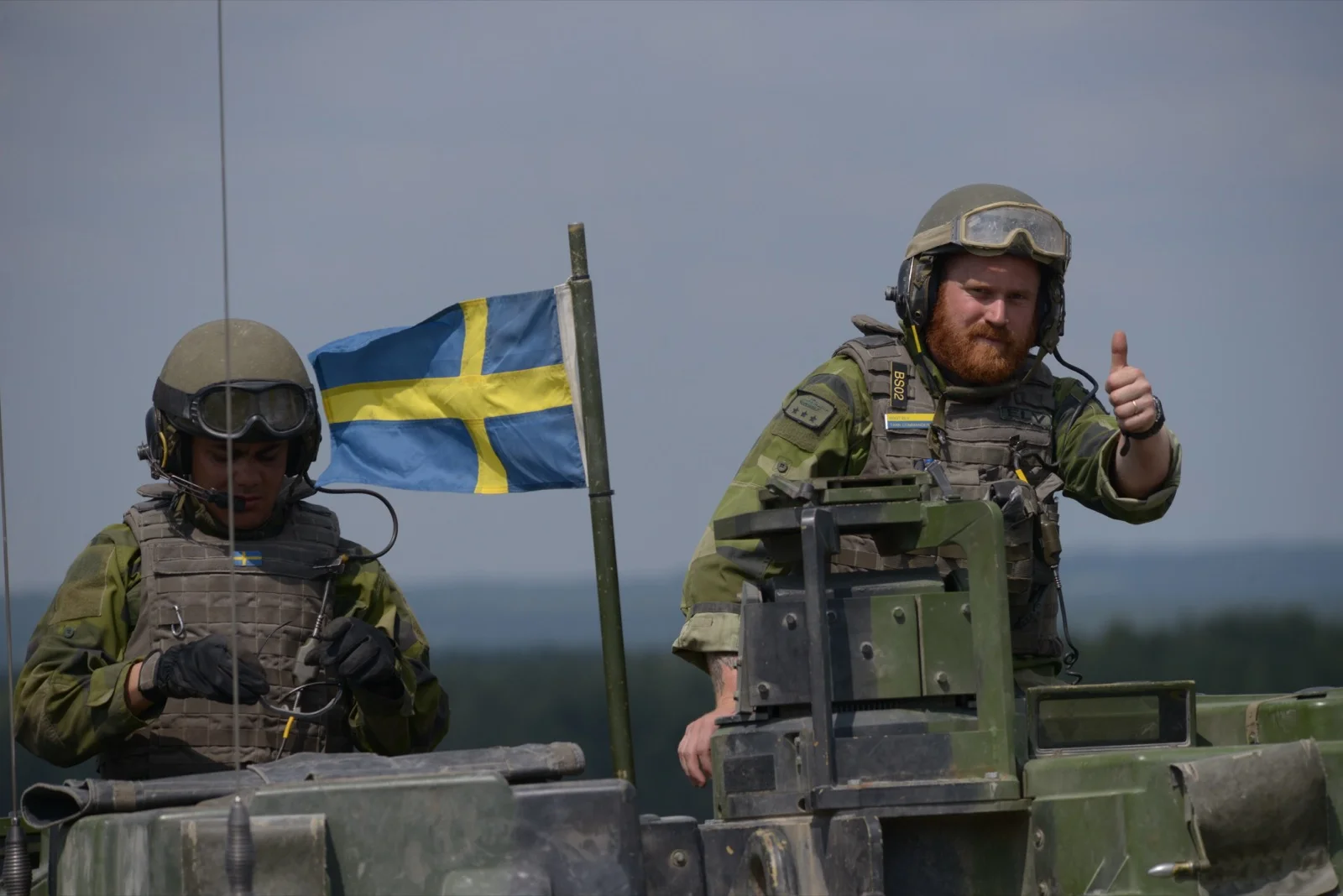
Sweden at number three is the clearest proof that a hull count only tells you so much. The vast majority of those 279 assets are CB90 assault craft, landing boats and coastal units, and Sweden does not operate a single frigate. What it does operate is unusually advanced. The Visby-class corvette, with its carbon-fibre hull, was the world’s first series-built stealth warship and still sets the standard for radar cross-section reduction. The Gotland-class submarines, using Stirling AIP, can stay submerged for weeks and famously ‘sank’ a US carrier in exercise conditions; the A26 Blekinge class is under construction to follow them. NATO membership in 2024 turned the Baltic into something close to an alliance lake and made Gotland Island a forward position against Kaliningrad. The doctrine is archipelagic: disperse small, hard-to-find units among thousands of islands until an opposed landing becomes arithmetically impossible.
Benchmark: Sweden outnumbers Türkiye by 87 assets — while fielding zero frigates against Türkiye’s 17.
| Power Element | Figure |
|---|---|
| Total naval assets | 279 |
| Corvettes | 7 |
| Submarines | 4 |
| Frigates | 0 |
| Active personnel | 25,600 |
Second place, meanwhile, sails the Mediterranean with two carriers.
Italy
Italy operates the heaviest fleet in the Mediterranean by tonnage. Cavour carries an F-35B air wing; Trieste doubles as an amphibious assault ship and a second light carrier. The FREMM frigates, in anti-submarine and general-purpose fits, are among NATO’s most modern surface units, while the Thaon di Revel-class PPA embodies a modular idea — one hull configurable from constabulary patrol through full combatant. Below the surface, the Todaro class (U212A) and the U212 NFS boats now building use AIP for silent patrol in the Mediterranean’s narrow passages. Italian naval power is also industrial: Fincantieri builds the US Navy’s Constellation-class frigates and exports to Qatar and Egypt, giving Rome influence that no single hull provides. Doctrinally the focus is the Gibraltar-to-Suez trade artery and controlling migration and terrorism risk originating on the North African shore.
Benchmark: Italy outnumbers Türkiye by 93 assets overall — but fields three fewer frigates, 14 to 17.
| Power Element | Figure |
|---|---|
| Total naval assets | 285 |
| Frigates | 14 |
| Destroyers | 3 |
| Submarines | 8 |
| Aircraft carriers | 2 |
And the fleet at the top approaches the other nine countries combined.
Russia
Russia owns Europe’s largest navy by a margin that is not closing. Its 747 naval assets amount to roughly half the combined total of the other nine countries on this list. The decisive column is the 66 submarines: Borei-A ballistic missile boats carry the sea leg of the nuclear triad, while Yasen-M guided-missile submarines put Kalibr and Oniks weapons within range of most of Europe. The fleet is split across four separate seas — Northern, Pacific, Baltic and Black — which buys strategic depth but makes concentration of force extremely difficult, since every transfer runs through straits somebody else controls. The war in Ukraine exposed that constraint brutally: the Black Sea Fleet lost its flagship Moskva and many other units, and had to relocate from Sevastopol to Novorossiysk. An ageing surface fleet, a carrier that has not emerged from repair in years and sanctions biting into shipbuilding all cast doubt on how much of that number is genuinely deployable. The submarine force, however, keeps Russia unmatched.
Benchmark: Russia’s 66 submarines outnumber the combined submarine fleets of the other nine countries on this list.
| Power Element | Figure |
|---|---|
| Total naval assets | 747 |
| Submarines | 66 |
| Corvettes | 79 |
| Destroyers | 13 |
| Frigates | 12 |
The Verdict
The clearest lesson here is that counting hulls is only the first step in measuring sea power. Sweden ranks third with 279 assets and France eighth with 166, yet nobody seriously argues the Swedish navy is the stronger force. France operates a nuclear carrier and strategic submarines; most of Sweden’s inventory is coastal assault craft. Weigh tonnage, magazine depth, organic air power and sustainment, and the order changes substantially.
The second lesson is structural: NATO enlargement has rewritten the Baltic. With Sweden and Finland inside the alliance, the sea is now almost entirely ringed by member coastlines, and Russia’s exits at Kaliningrad and Saint Petersburg are watched from both sides. That compounds the geographic fragmentation already built into the Russian fleet: 747 assets spread across four seas cannot concentrate quickly when every transfer runs through a chokepoint held by somebody else.
The third lesson comes from Ukraine. A country with no principal surface combatant used unmanned surface vessels and coastal missiles to strip Russia of freedom of movement in the Black Sea. That inverted the cost equation of naval warfare: a billion-dollar landing ship is now at risk from a craft costing a few hundred thousand dollars. Expect European naval budgets over the next decade to shift from large platforms toward unmanned systems, distributed sensors and hard-kill point defence.
For Türkiye the picture is strong but unfinished. Seventeen frigates and nine corvettes give it Europe’s densest surface combatant force; 14 submarines make it the largest conventional boat operator outside Russia. Layer on the fact that the MİLGEM family is an indigenous design, that ATMACA and GÖKDENİZ are national weapon systems, and that TCG Anadolu has been converted into a drone carrier, and the qualitative case is stronger than the ranking suggests. Two gaps remain obvious: an indigenous submarine (MİLDEN) and a heavy air-defence destroyer (TF-2000). If both hold their schedules, Türkiye’s position improves regardless of hull count.
Finally, the common European constraint is no longer money — it is yard capacity. From France to Spain, Germany to Italy, shipbuilding slots are full and delivery dates have slipped by years. Türkiye’s advantage here is that it can run serial production across several yards on a design it owns outright. The winner of the 2030s naval race will not be the country with the most ships, but the one that can build them fastest.
Full Comparison Table
| # | Country | Total assets | Frigates | Submarines | Carrier / LHD | Signature platform |
|---|---|---|---|---|---|---|
| 1 | Russia | 747 | 12 | 66 | 1 | Borei-A / Yasen-M submarines |
| 2 | Italy | 285 | 14 | 8 | 2 | Cavour · FREMM · PPA |
| 3 | Sweden | 279 | 0 | 4 | 0 | Visby stealth corvette · Gotland AIP |
| 4 | Türkiye | 192 | 17 | 14 | 1 (TCG Anadolu) | MİLGEM / İstanbul class · ATMACA |
| 5 | Greece | 186 | 14 | 9 | 0 | FDI Belharra · Type 214 |
| 6 | Spain | 175 | 11 | 2 | 1 | Juan Carlos I · F-100 Aegis |
| 7 | Ukraine | 169 | 0 | 0 | 0 | Magura / Sea Baby USVs |
| 8 | France | 166 | 5 | 9 | 1 | Charles de Gaulle · Suffren SSN |
| 9 | Finland | 165 | 0 | 0 | 0 | Hamina FAC · Pohjanmaa (building) |
| 10 | Netherlands | 140 | 6 | 3 | 0 | De Zeven Provinciën · Orka (ordered) |
A new ranking gallery tomorrow
Coming next: Africa’s most powerful navies, the armies of the Organization of Turkic States, and Europe’s strongest air forces.
Frequently Asked Questions
Which country has the most powerful navy in Europe?
By total naval assets, Russia leads decisively with 747, followed by Italy with 285 and Sweden with 279.
Where does Türkiye rank in Europe?
Türkiye is fourth in Europe and 14th worldwide with 192 naval assets. It ranks first in Europe for frigates (17) and second only to Russia for submarines (14).
Why is Sweden ahead of Türkiye and France?
The GFP ranking counts total naval assets. Most of Sweden’s 279 are CB90-type assault craft and coastal units, and the country operates no frigates at all.
Does Ukraine still have a navy?
Not in the conventional sense — no principal surface combatants remain. But Magura and Sea Baby unmanned surface vessels inflicted heavy losses on Russia’s Black Sea Fleet.
Which programmes will change Türkiye’s naval position?
The İstanbul-class frigates of the MİLGEM family, the TF-2000 air-defence destroyer, the MİLDEN indigenous submarine and TB3 / KIZILELMA integration aboard TCG Anadolu.
Where does this data come from?
The ranking uses Global Firepower’s 2026 military strength dataset; the doctrinal analysis and commentary are envantermedya’s editorial assessment.
Sources
- Global Firepower 2026 — country profiles and naval inventory pages
- NATO Allied Maritime Command (MARCOM) open-source releases
- SIPRI Military Expenditure Database
- IISS The Military Balance
- Official statements from the defence ministries and naval staffs concerned
- Source: https://www.globalfirepower.com/ (2026 Military Strength Ranking)