10 European Countries Türkiye Ranks Above in 2026

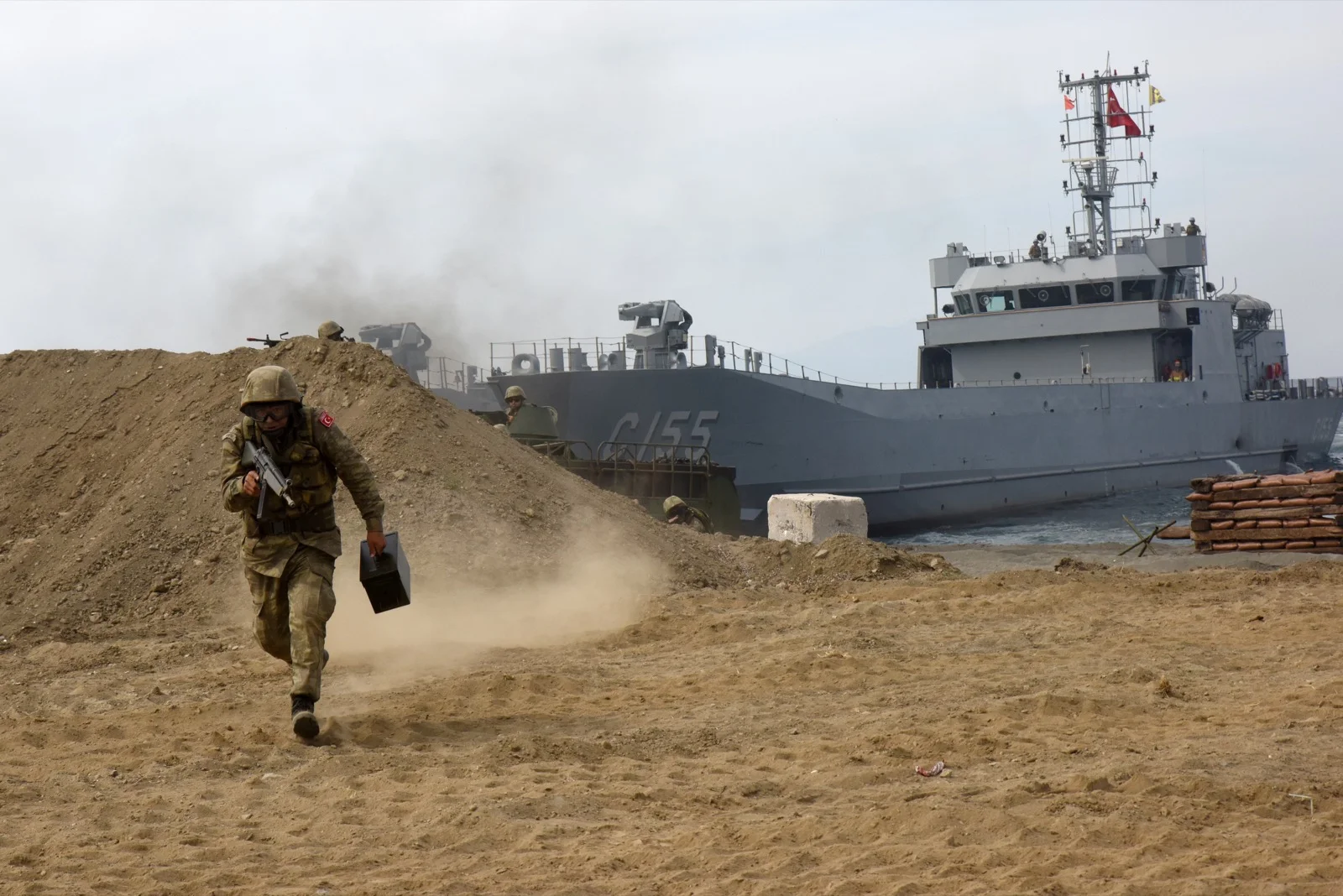
GlobalFirepower’s annual Power Index (PwrIndx) compresses more than sixty variables into a single coefficient: personnel, inventory, logistics, geography, financial resources, natural resources and industrial capacity. The closer the score is to zero, the greater the power. In the 2026 list Türkiye scores 0.1975 and ranks 9th in the world.
That places Türkiye first in the Middle East and ahead of every European country except Russia. It does not mean the countries below are weak — several of them hold world-class capabilities in their own fields. What is interesting is where the gap actually comes from.
So which European countries does Türkiye rank ahead of? Are Germany and Italy on the list, where does Poland sit — and exactly which line items create the gap? The countdown starts at ten, working from the furthest behind toward the closest rival.
The ranking uses GlobalFirepower’s 2026 Power Index. Nuclear arsenals are excluded from the formula, so scores for states such as France and the United Kingdom reflect conventional capability only. Only European countries ranked below Türkiye appear here.
#10Norway
World rank: 39 · PwrIndx 0.6679
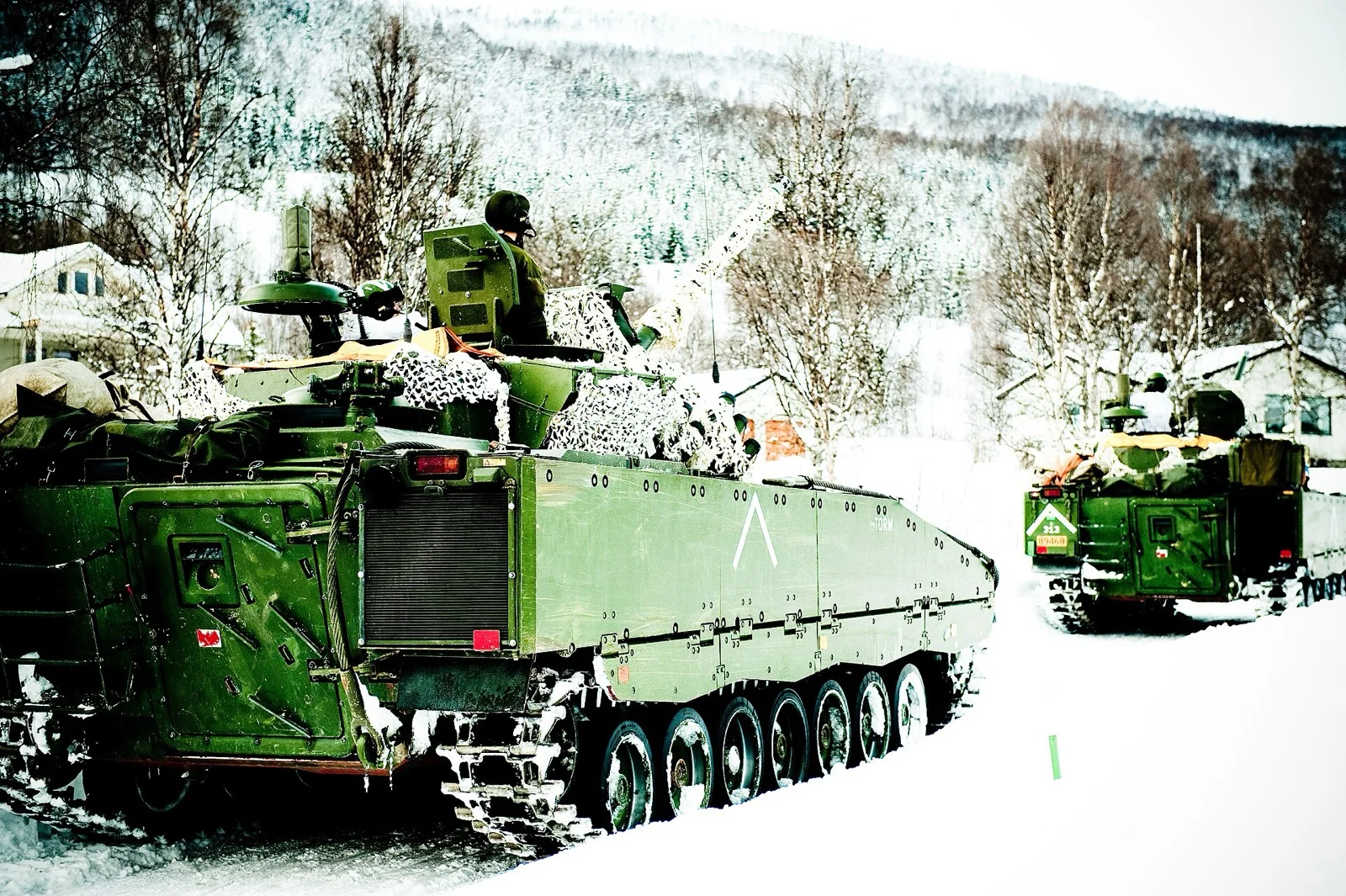
Norway runs a small but deeply specialised force of 33,440 active personnel. Its defence identity fits in one line: guardian of NATO’s northern flank. A 196-kilometre land border with Russia and the strategic sea lanes of the Barents Sea shape Oslo’s force planning entirely.
The inventory reflects that focus: 36 tanks, 109 aircraft, 34 helicopters, 48 naval vessels and 6 submarines. Norway was among the first European operators of the F-35A, and its P-8A Poseidon maritime patrol aircraft play a critical role in tracking submarines across the North Atlantic. The submarine fleet is being renewed jointly with Germany through the Type 212CD programme.
Norway’s real strength is expertise rather than mass. In Arctic operations, anti-submarine warfare and maritime surveillance it is a reference point inside NATO, and companies such as Kongsberg make it a world-class producer of anti-ship and land-attack missiles. Its 39th place in the index is a function of quantitative measures — population, personnel pool and inventory depth.
Türkiye operates more than twice as many submarines (14) as Norway — while Norway remains among NATO’s most experienced armies in Arctic operations.
| Capability | Total |
|---|---|
| World rank | 39th |
| Active personnel | 33,440 |
| Tanks | 36 |
| Total aircraft | 109 |
| Naval vessels | 48 |
One place higher is a country with one of the Atlantic’s oldest naval traditions.
#9Portugal
World rank: 38 · PwrIndx 0.6659
Portugal is a founding NATO member whose Atlantic position gives it lasting strategic value to the alliance. Lajes Field in the Azores was for decades the most critical staging point for transatlantic crossings and retains real importance for maritime surveillance today.
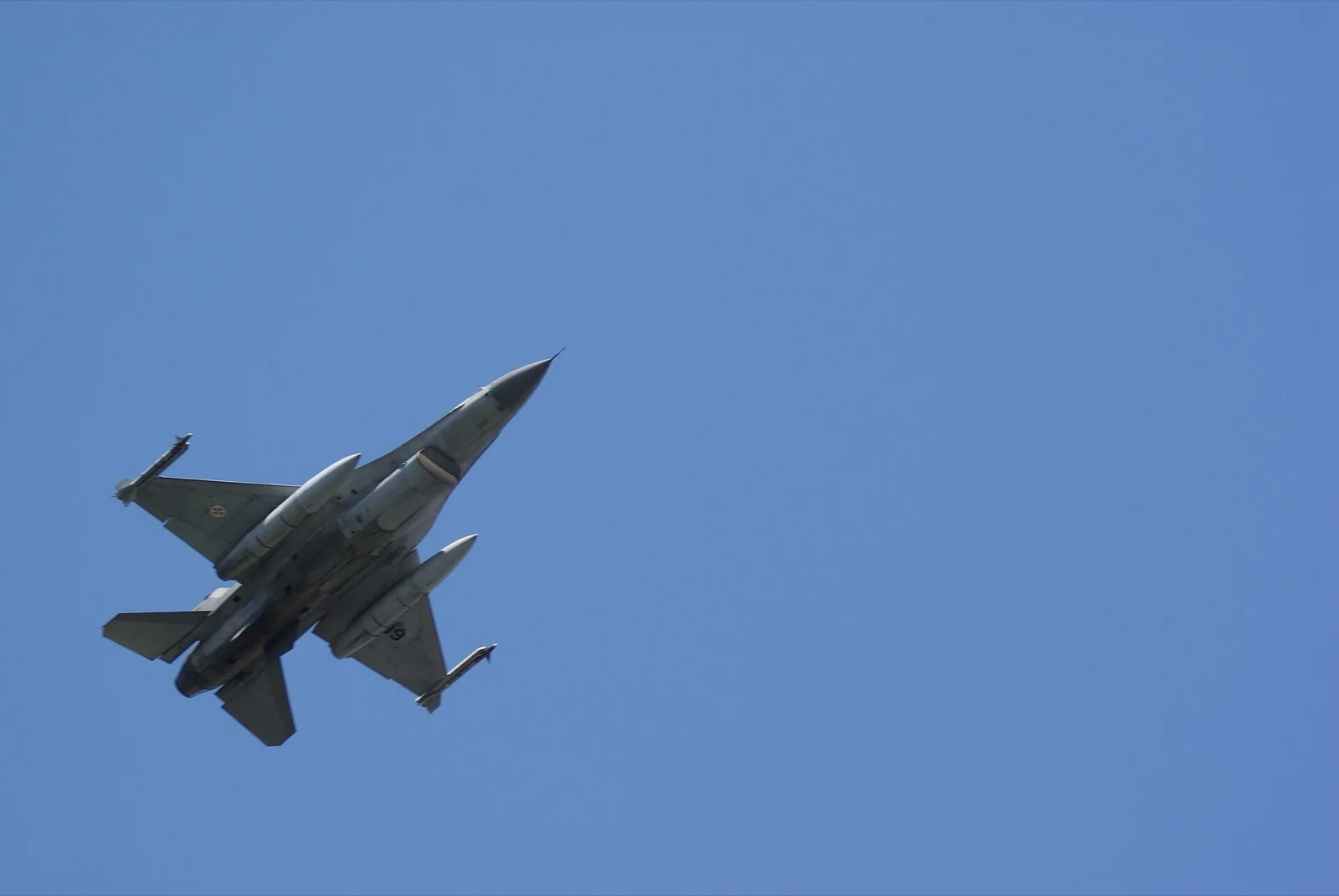
The inventory is modest: 25,000 active personnel, 34 tanks, 128 aircraft and 36 helicopters. Against that it fields 128 naval vessels and 2 submarines — a country that has consistently chosen the sea over land power. The air force rests on an F-16AM/BM fleet upgraded to MLU standard, and Portugal also serves as a maintenance and modernisation hub for second-hand F-16s.
Portugal’s $6.76 billion defence budget sits below NATO’s two per cent target, a recurring point of alliance discussion. Lisbon has been renewing with KC-390 transports and new patrol vessels. Its principal contribution lies in maritime surveillance and peacekeeping, with Portuguese units regularly deployed on missions in Africa and the Balkans.
Türkiye fields nineteen times Portugal’s active personnel — while Portugal, with 128 naval vessels, operates one of Europe’s densest fleets relative to population.
| Capability | Total |
|---|---|
| World rank | 38th |
| Active personnel | 25,000 |
| Tanks | 34 |
| Total aircraft | 128 |
| Naval vessels | 128 |
The next country runs one of Europe’s largest defence budgets.
#8Netherlands
World rank: 34 · PwrIndx 0.6142
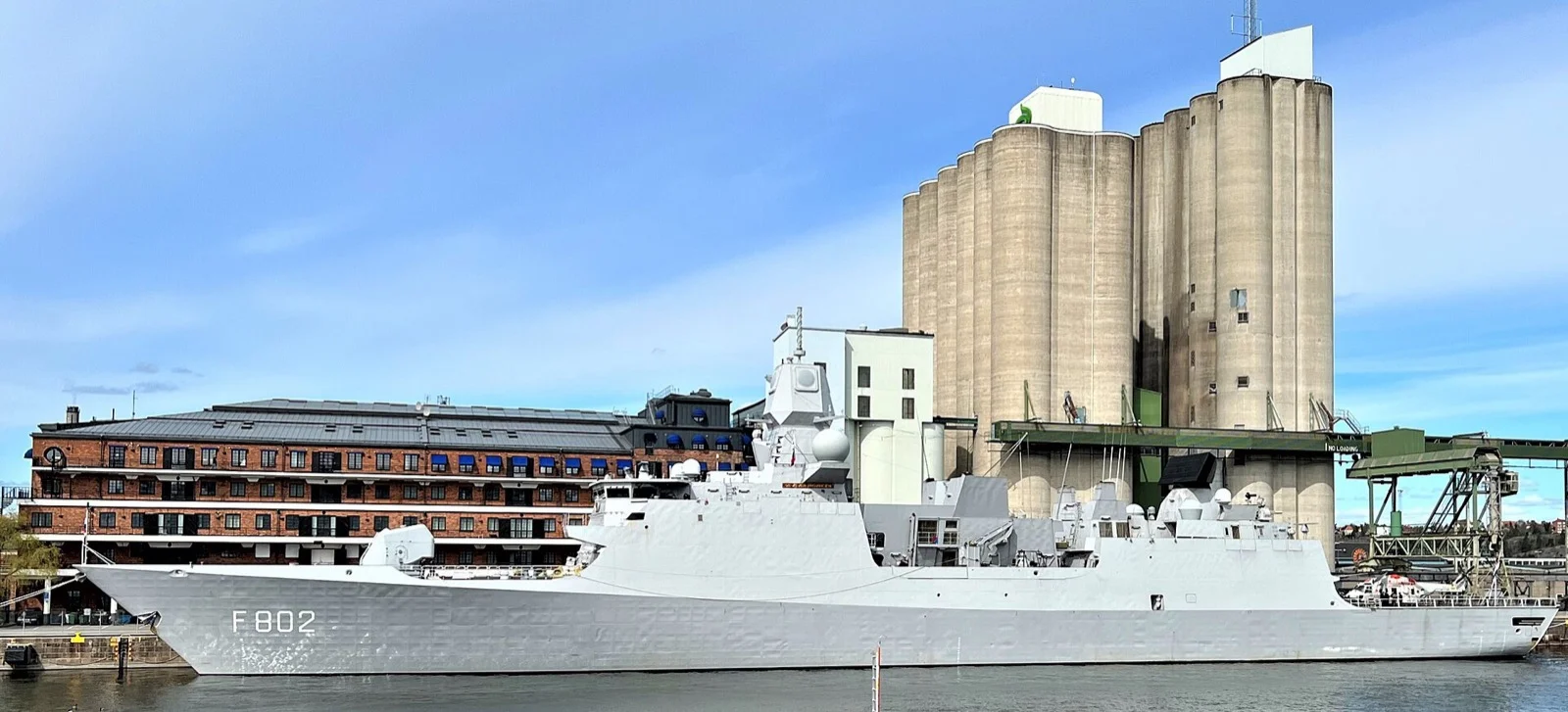
The Netherlands spends $31.79 billion on defence, among Europe’s highest, yet ranks 34th in the power index. The contradiction resolves once you see the deliberate choice behind it: a very small but very modern force structure.
The most striking figure is armour. The Dutch inventory holds just 18 tanks. The country retired its tank fleet entirely in 2011, then established a joint battalion with Germany operating a limited number of Leopard 2s. Against that it fields 140 naval vessels, 3 submarines and a modern air defence architecture. The De Zeven Provinciën-class air defence frigates are counted among NATO’s most capable platforms.
The Dutch contribution lies in depth of alliance integration. A substantial part of the land forces serves under German corps command — the most advanced example of military integration in Europe. The Netherlands was also among the first European F-35A operators and provides Patriot air defence support to allies. Amsterdam’s calculation is explicit: not a large army of its own, but an indispensable specialist inside the alliance.
Türkiye fields 127 times as many tanks as the Netherlands — while the Dutch operate one of NATO’s most advanced naval air defence frigates.
| Capability | Total |
|---|---|
| World rank | 34th |
| Active personnel | 44,245 |
| Tanks | 18 |
| Total aircraft | 130 |
| Naval vessels | 140 |
Next is one of the largest armoured forces on this list.
#7Greece
World rank: 30 · PwrIndx 0.5484
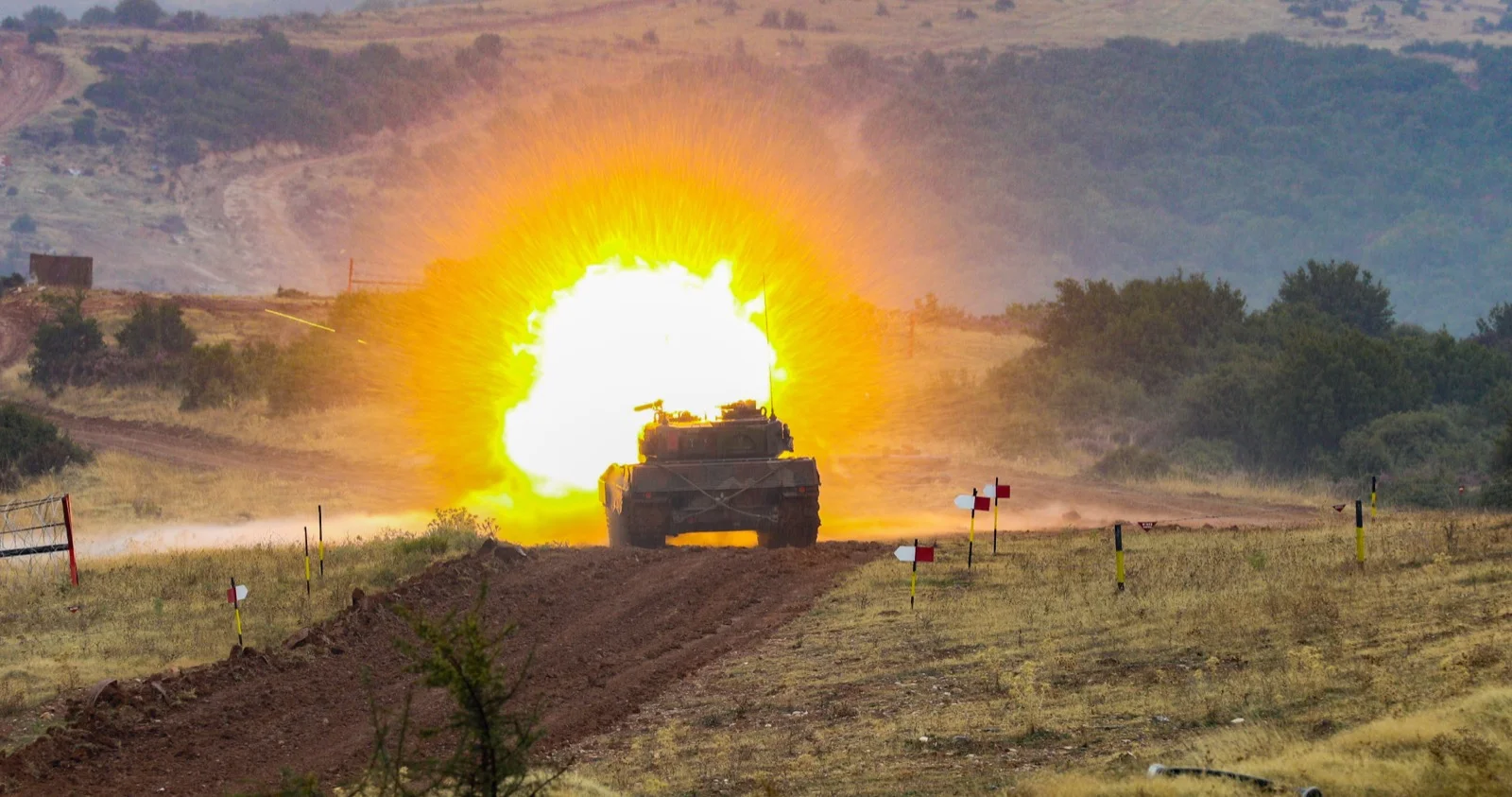
On a defence budget of $8.24 billion, Greece operates 1,344 tanks, 560 aircraft, 285 helicopters and 186 naval vessels. Relative to GDP that represents one of the heaviest defence burdens in Europe, and Athens consistently ranks among NATO’s highest spenders by that measure.
The strengths are clear. The Rafale F3R fleet gave the Hellenic Air Force a capability only a handful of countries in the region hold, and the upgrade of its F-16s to Viper standard continues. At sea, the Belharra (FDI) frigate agreement with France brings a next-generation platform into the navy. With 9 submarines, Greece holds a significant sub-surface capability in the Eastern Mediterranean.
The constraint is fleet age. Most of the tank force consists of Leopard 1 and M48 vehicles, and helicopter readiness is a frequent subject of domestic debate. A further structural limit is the narrowness of the defence industry: while EAB and Hellenic Defence Systems contribute to maintenance and ammunition, there is no major platform production and the inventory is wholly imported.
Türkiye operates 509 helicopters to Greece’s 285 and 1,101 aircraft to 560 — while Greece sustains one of Europe’s highest defence burdens relative to population.
| Capability | Total |
|---|---|
| World rank | 30th |
| Active personnel | 142,700 |
| Tanks | 1,344 |
| Total aircraft | 560 |
| Naval vessels | 186 |
Entering the top six is a country that abandoned neutrality to join NATO.
#6Sweden
World rank: 26 · PwrIndx 0.4834
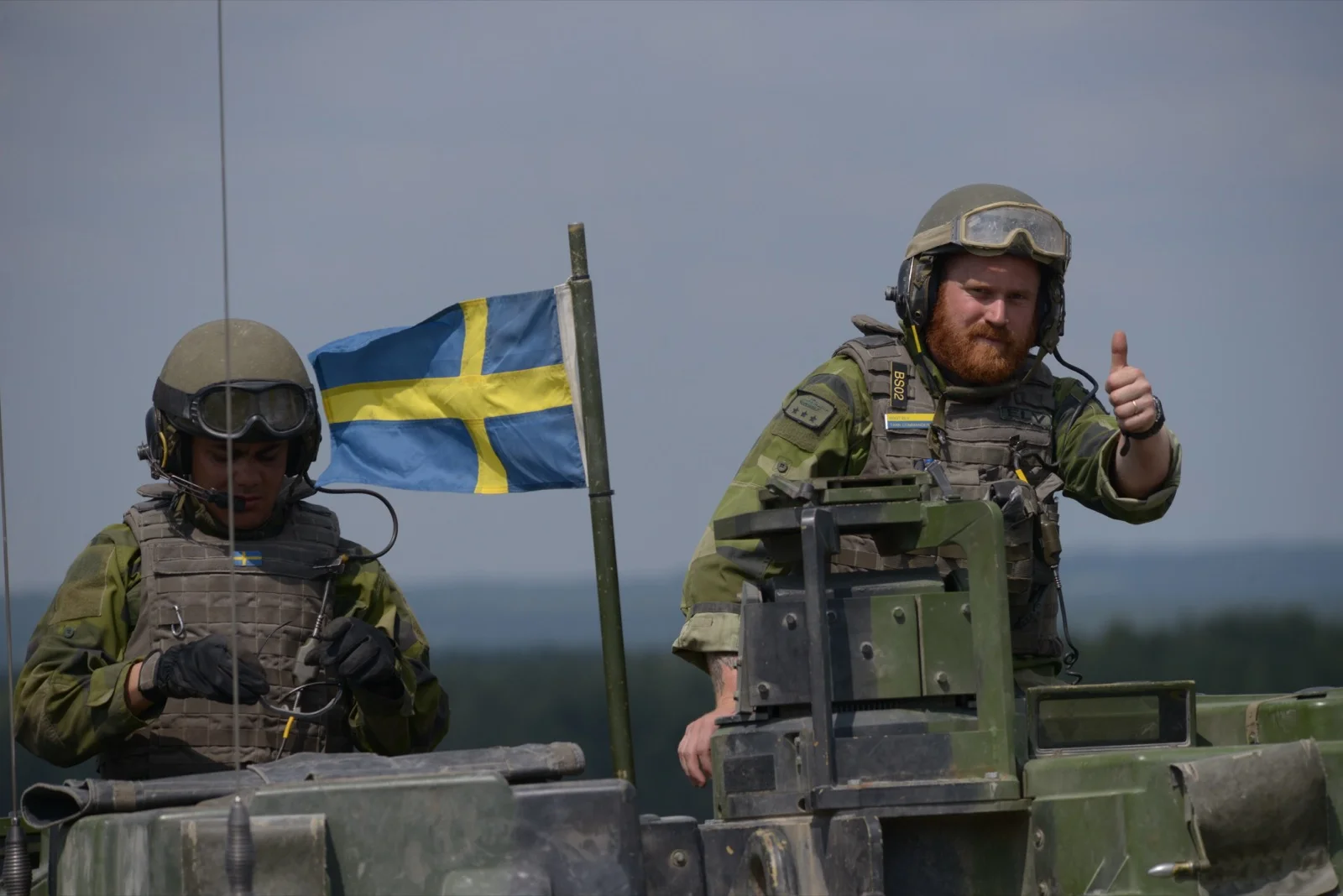
Sweden ended more than two centuries of neutrality to join NATO, one of the largest shifts in Europe’s security architecture in a generation. It arrived with a highly distinctive capability package: a combat aircraft, a submarine and an armoured vehicle family all of its own design.
The Saab JAS 39 Gripen is the best demonstration that a small country can sustain an independent fighter programme. Designed for low operating cost and the ability to launch from icy roads, it has also succeeded in export markets. The Gotland-class submarines, with air-independent propulsion, made their name by “sinking” US carriers in exercises. The CV90 infantry fighting vehicle is among Europe’s most widely exported platforms.
Quantitative depth is limited: 25,600 active personnel, 110 tanks, 172 aircraft and 53 helicopters. The Swedish model rests on the concept of “total defence”, in which civil infrastructure, industry and societal mobilisation are integral parts of the force structure. Conscription was reinstated in 2018 and the defence budget is rising fast. Sweden’s index position reflects inventory size rather than industrial quality.
Türkiye fields eighteen times Sweden’s active personnel — while Sweden is one of very few European countries building its own fighter, submarine and armoured vehicle.
| Capability | Total |
|---|---|
| World rank | 26th |
| Active personnel | 25,600 |
| Tanks | 110 |
| Total aircraft | 172 |
| Naval vessels | 279 |
The next country is running Europe’s largest arms procurement programme.
#5Poland
World rank: 21 · PwrIndx 0.3891
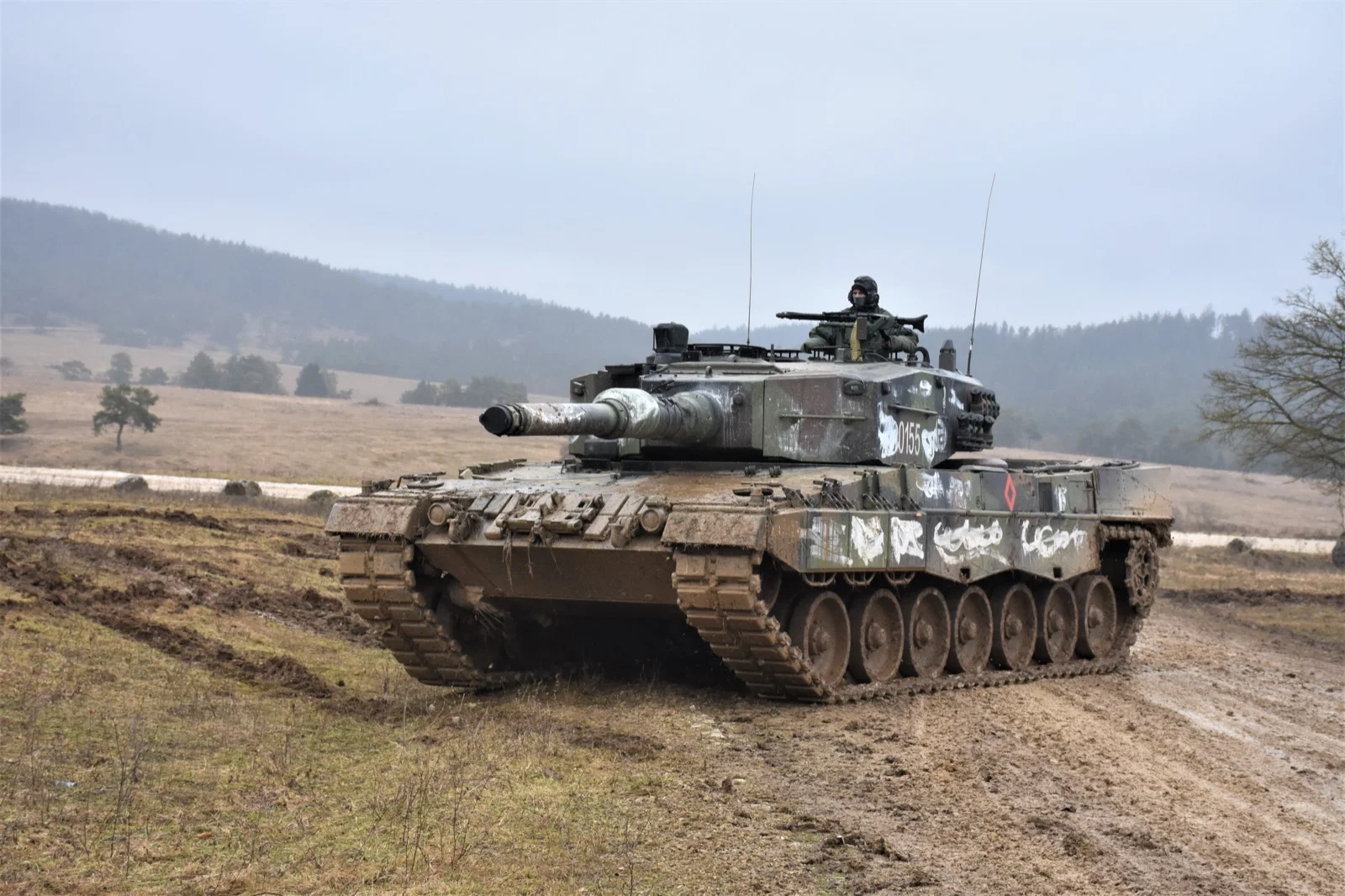
Poland is pursuing the most ambitious rearmament programme in Europe. Its defence budget has reached $55.87 billion and is the highest in NATO as a share of GDP. Warsaw’s stated goal is explicit: to field Europe’s strongest land army.
The order book is remarkable: more than 1,000 K2 Black Panther tanks and K9 howitzers from South Korea, M1A2 SEPv3 Abrams tanks and 96 AH-64E Apaches from the United States, HIMARS and Chunmoo rocket artillery, Patriot air defence, FA-50 light fighters and an F-35A fleet. Much of it has yet to be delivered; once it is, the Polish inventory will change fundamentally.
Current figures stand at 798 tanks, 457 aircraft, 224 helicopters and 250,000 active personnel. Naval power is the weak point: 63 vessels and a single submarine amount to limited capacity in the Baltic. Because most procurement comes from abroad, the domestic industrial share remains lower than Warsaw would like, and Poland is working to close that gap through co-production and technology transfer conditions.
Türkiye fields 2,284 tanks and 509 helicopters to Poland’s 798 and 224 — while Poland runs a defence budget nine per cent larger, a gap that will show up in its inventory as deliveries arrive.
| Capability | Total |
|---|---|
| World rank | 21st |
| Active personnel | 250,000 |
| Tanks | 798 |
| Total aircraft | 457 |
| Naval vessels | 63 |
Fourth place has become modern Europe’s most combat-experienced army.
#4Ukraine
World rank: 20 · PwrIndx 0.3691
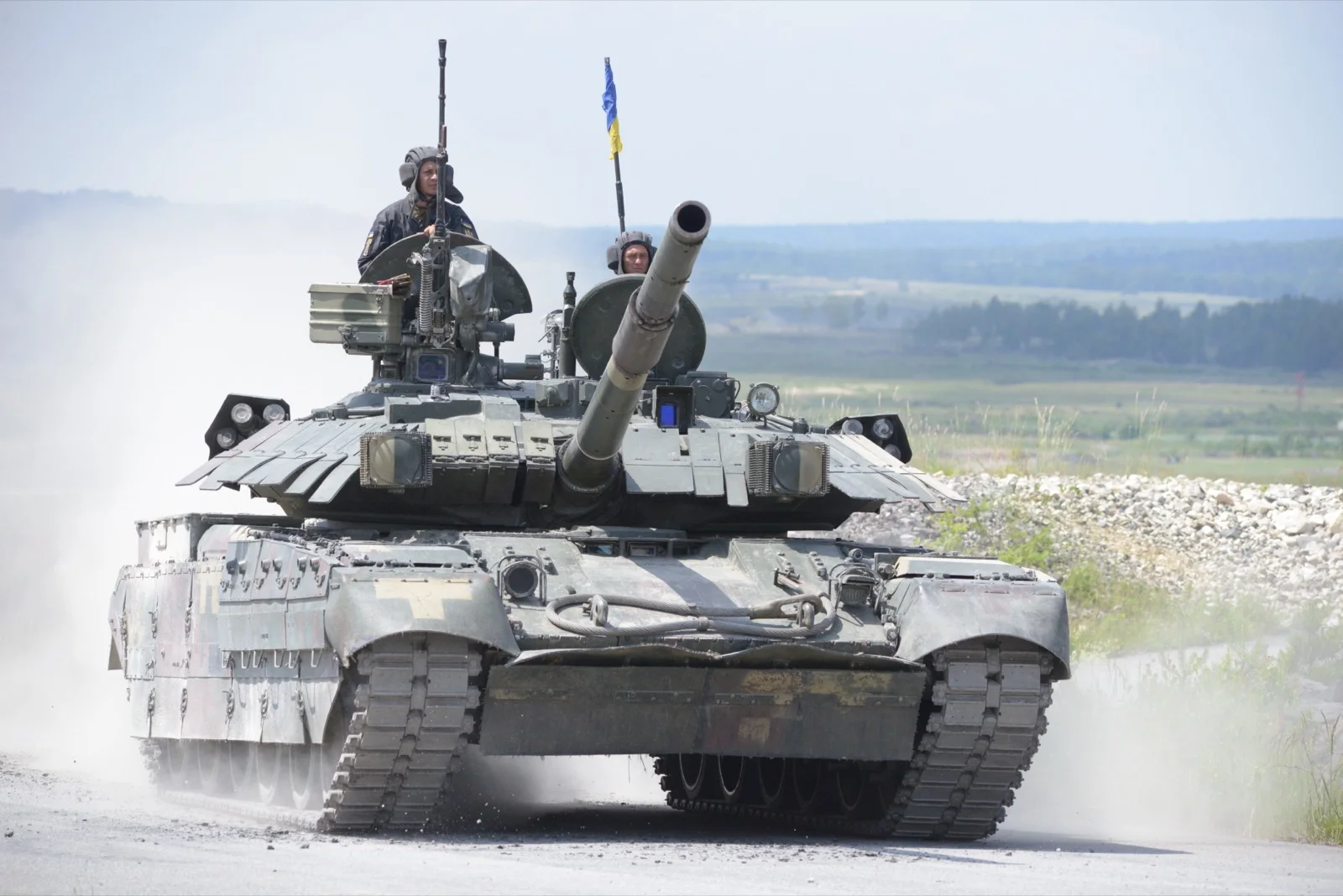
With 900,000 active personnel, Ukraine fields one of Europe’s largest armies and unquestionably the continent’s most recently combat-tested. Its 20th place in the index reflects the combination of that manpower and inventory load with severe economic and logistical constraints.
The Ukrainian army has rewritten a great deal of modern military practice. Mass employment of FPV drones adapted from commercial technology, the use of unmanned surface vessels to threaten major warships in the Black Sea, distributed command structures and software-based fire control are all being studied by armies worldwide. Ukraine also built its own drone and missile industry during the war.
The structural constraints are heavy. Most of the $45 billion defence budget is externally financed, and the inventory is extremely mixed — Soviet-legacy platforms, Western donations and domestic production side by side. There are 1,121 tanks, 347 aircraft and 140 helicopters; no submarines, and a navy built largely around small and unmanned platforms. The course of the war means these numbers can change quickly.
Ukraine fields 419,000 more troops than Türkiye — while Türkiye leads clearly on inventory depth with 509 helicopters, 192 naval vessels and 14 submarines.
| Capability | Total |
|---|---|
| World rank | 20th |
| Active personnel | 900,000 |
| Tanks | 1,121 |
| Total aircraft | 347 |
| Naval vessels | 169 |
The top three brings in Europe’s major economies.
#3Spain
World rank: 18 · PwrIndx 0.3247
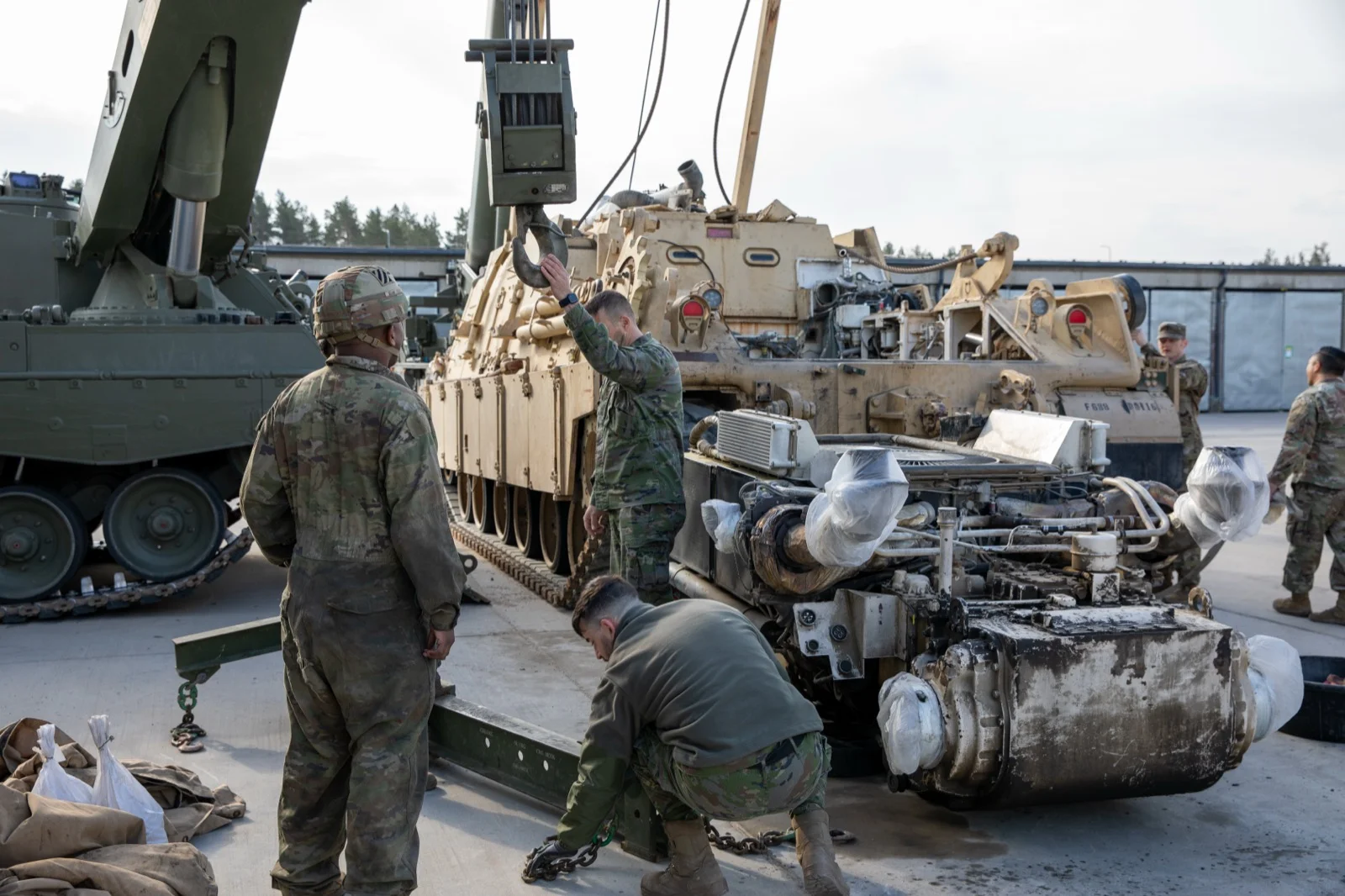
Spain ranks 18th on a $39 billion budget and a balanced inventory. Its greatest strength is the navy and the shipbuilding industry behind it. Navantia has made Spain one of Europe’s largest exporters of naval vessels, supplying platforms and designs to Australia, Norway and Türkiye among others.
The amphibious assault ship Juan Carlos I, able to operate helicopters and AV-8B Harriers together, gives the Spanish navy power projection across the Mediterranean and Atlantic. The same design also formed the basis of Türkiye’s TCG Anadolu — the cooperation between Navantia and Sedef Shipyard being the direct point of contact between the two countries’ defence industries.
On land there are 298 tanks and 121,802 active personnel, with an air force equipped with Typhoon and F/A-18 fleets. Spain has joined the FCAS programme to develop the next-generation platform that will replace its F/A-18s. Its comparative weakness is numerical depth rather than capability.
Türkiye leads clearly on scale with 2,284 tanks and 481,000 personnel — while Spain is one of Europe’s largest naval exporters and supplied the base design for TCG Anadolu.
| Capability | Total |
|---|---|
| World rank | 18th |
| Active personnel | 121,802 |
| Tanks | 298 |
| Total aircraft | 440 |
| Naval vessels | 175 |
Second place runs Europe’s largest defence budget.
#2Germany
World rank: 12 · PwrIndx 0.2463
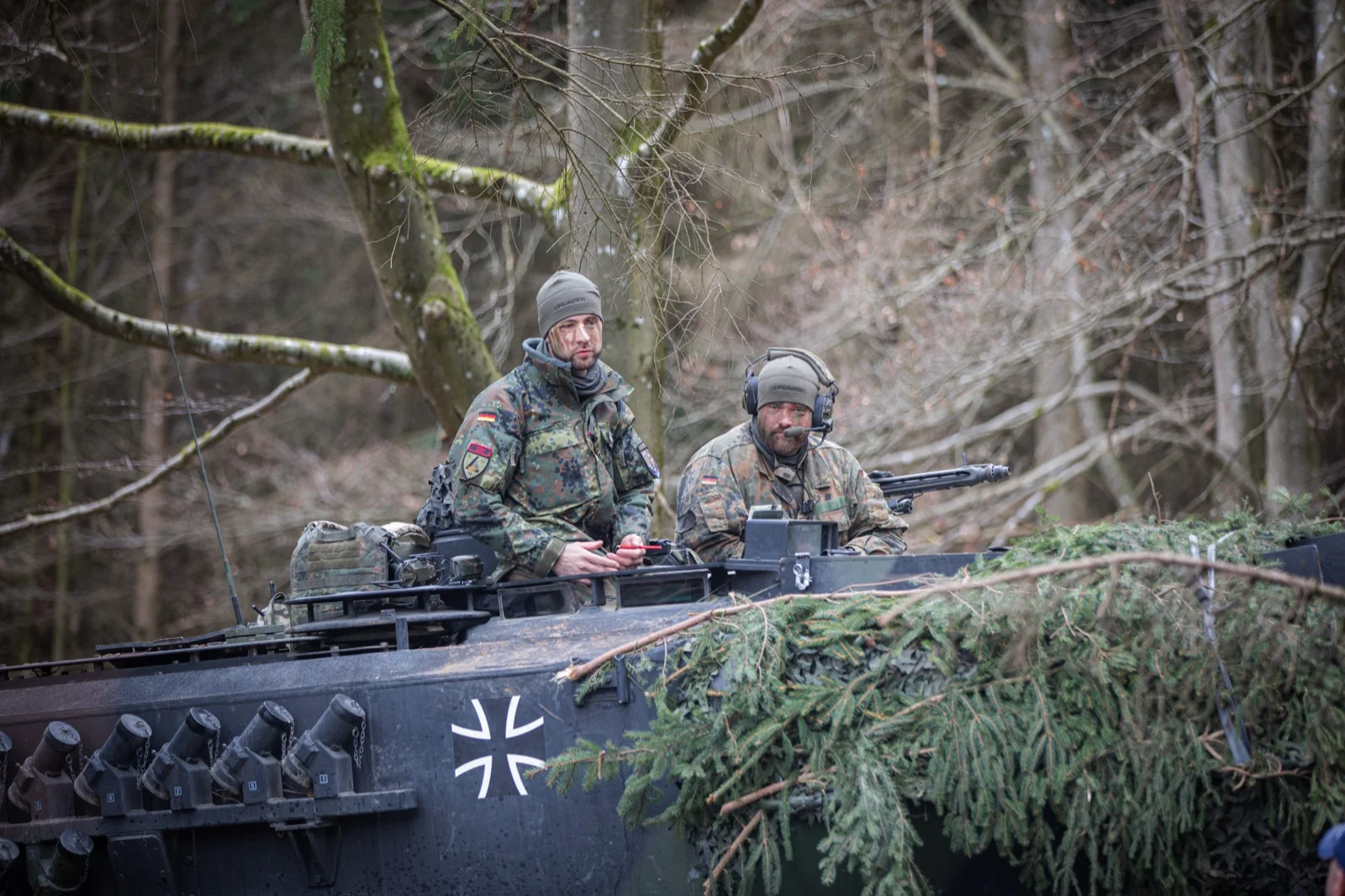
Germany runs Europe’s largest defence budget at $127.4 billion and ranks 12th in the power index — three places behind Türkiye. It is among the clearest illustrations of how indirect the link between budget and power can be.
The gap lies in inventory depth. Germany operates 296 tanks, 569 aircraft, 292 helicopters and 96 naval vessels; Türkiye 2,284 tanks, 1,101 aircraft, 509 helicopters and 192 vessels. The personnel gap is equally wide: 184,324 against 481,000. The Bundeswehr was deliberately reduced after the Cold War and conscription was suspended in 2011; the effects of those decisions are still visible.
German industrial strength, by contrast, is beyond dispute. Rheinmetall, KNDS, Diehl and ThyssenKrupp Marine Systems are among Europe’s most critical manufacturers, from tanks and howitzers to ammunition and submarines. The Leopard 2 is the most widely operated Western main battle tank in the world, and the Type 212 and 214 submarines are highly successful exports. Through the “Zeitenwende”, Berlin is redirecting that industrial capacity back toward its own forces, with F-35A, Apache, Chinook and Arrow 3 procurement forming part of the effort.
Türkiye fields more than seven times as many tanks and 217 more helicopters than Germany — while Germany holds Europe’s largest defence industry and its largest budget.
| Capability | Total |
|---|---|
| World rank | 12th |
| Active personnel | 184,324 |
| Tanks | 296 |
| Total aircraft | 569 |
| Naval vessels | 96 |
The country at the top is just one place behind Türkiye — and the margin is very thin.
#1Italy
World rank: 10 · PwrIndx 0.2211
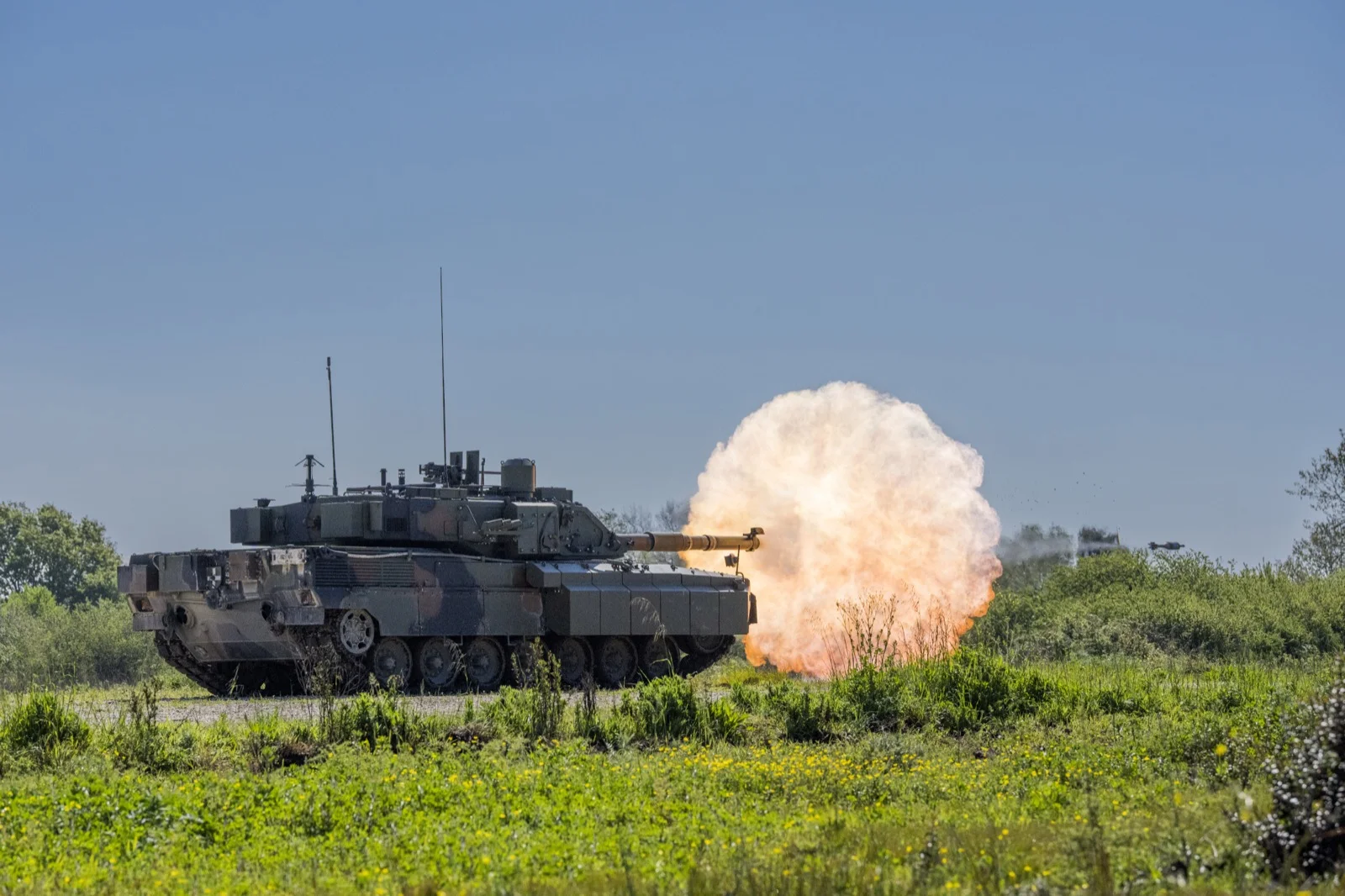
Italy ranks 10th worldwide with a PwrIndx of 0.2211, immediately behind Türkiye’s 0.1975. The 0.0236 margin is the narrowest on this list — Italy is Türkiye’s closest European pursuer.
Italy is strongest at sea. The carrier Cavour and the amphibious assault ship Trieste, both able to operate the F-35B, give it persistent power projection in the Mediterranean. With 285 naval vessels and 8 submarines the Italian navy is among the most capable fleets in the region, and Fincantieri is one of the world’s largest naval shipbuilders, advanced enough to supply a frigate design to the US Navy.
Italy is also strong in air and rotary capability: 714 aircraft, 352 helicopters and a broad platform family produced by Leonardo, plus a sixth-generation fighter under development with the UK and Japan through GCAP. Where Türkiye leads is land power and numerical depth — 2,284 tanks against 203, 481,000 personnel against 165,500, 509 helicopters against 352. The Italian land forces shrank markedly after the Cold War, and a joint programme with Germany has been launched to replace the Ariete tank.
The PwrIndx gap between Türkiye and Italy is just 0.0236, the narrowest on this list. Türkiye leads on land power and helicopters; Italy on naval power and shipbuilding.
| Capability | Total |
|---|---|
| World rank | 10th |
| Active personnel | 165,500 |
| Tanks | 203 |
| Total aircraft | 714 |
| Naval vessels | 285 |
Türkiye’s PwrIndx of 0.1975 does not come from a single advantage but from several line items being high at once: 481,000 active personnel, 2,284 tanks, 1,101 aircraft, 509 helicopters, 192 naval vessels and 14 submarines. In none of these is it outside the European top rank, Russia aside.
The second factor is domestic industry. The ALTAY main battle tank is in serial production; the MİLGEM family of frigates and corvettes forms the backbone of the navy; the T129 ATAK and T929 ATAK-2 helicopters are domestic designs; and the Bayraktar TB2, Akıncı and KIZILELMA unmanned aircraft compete globally in their classes. The HÜRJET jet trainer has won export orders and the KAAN national combat aircraft continues prototype testing.
The third is geography and logistics. GlobalFirepower’s formula counts ports, airport capacity, merchant fleet size and road networks. A country surrounded by sea on three sides, controlling two straits and holding a broad industrial base scores naturally well on those measures. Lowering the score further — that is, increasing power — will depend on KAAN, TF-2000, ALTAY deliveries and the Çelik Kubbe integrated air defence architecture over the coming decade.
What the ranking measures — and what it does not
The first lesson here is that the power index measures capacity rather than quality. GlobalFirepower’s formula weights numerical depth: how many tanks, aircraft, ships and soldiers. A very modern but very small force such as the Netherlands can therefore appear below its technological level, and Sweden’s world-class products like the Gripen and the Gotland do not by themselves determine its index position.
The second is that budget does not convert directly into power. Germany spends $127.4 billion and ranks 12th; Türkiye spends $51.4 billion and ranks 9th. The difference comes from personnel costs, the share of domestic production and the cumulative size of the inventory. Germany’s budget increase is recent and will take years to reach the force — meaning this table can change.
Third, the table shows the present-day result of a collective post-Cold War European decision. Italy fields 203 tanks, Germany 296, Spain 298 and the Netherlands 18. From the 1990s onward these countries deliberately dismantled mass land power and redirected resources into alliance specialisation. The war in Ukraine put that choice under question and several have decided to rebuild armour — but tank production lines cannot be stood up in a year.
Fourth, no country leads in everything. Norway excels in Arctic operations, Sweden in submarine and fighter design, the Netherlands in naval air defence, Spain in shipbuilding, Italy in helicopters and naval platforms, Germany in land systems manufacturing and Poland in rapid force construction. What distinguishes Türkiye is holding meaningful capacity across many of those fields at once, and producing most of it domestically.
The final lesson is that a ranking is a frozen photograph. Poland will climb once its K2, Abrams and Apache deliveries complete; Germany’s score will improve as F-35s and Chinooks enter service; Ukraine’s post-war reconstruction could redraw the table entirely. The same logic applies to Türkiye: KAAN entering serial production, TF-2000 reaching the water and ALTAY deliveries accelerating are the items that could lift it further above ninth.
Comparison table: Türkiye and the ten European countries below it (2026)
| World # | Country | PwrIndx | Active personnel | Tanks | Aircraft | Helicopters | Naval vessels |
|---|---|---|---|---|---|---|---|
| 9 | Türkiye | 0.1975 | 481,000 | 2,284 | 1,101 | 509 | 192 |
| 10 | Italy | 0.2211 | 165,500 | 203 | 714 | 352 | 285 |
| 12 | Germany | 0.2463 | 184,324 | 296 | 569 | 292 | 96 |
| 18 | Spain | 0.3247 | 121,802 | 298 | 440 | 169 | 175 |
| 20 | Ukraine | 0.3691 | 900,000 | 1,121 | 347 | 140 | 169 |
| 21 | Poland | 0.3891 | 250,000 | 798 | 457 | 224 | 63 |
| 26 | Sweden | 0.4834 | 25,600 | 110 | 172 | 53 | 279 |
| 30 | Greece | 0.5484 | 142,700 | 1,344 | 560 | 285 | 186 |
| 34 | Netherlands | 0.6142 | 44,245 | 18 | 130 | 67 | 140 |
| 38 | Portugal | 0.6659 | 25,000 | 34 | 128 | 36 | 128 |
| 39 | Norway | 0.6679 | 33,440 | 36 | 109 | 34 | 48 |
A new ranking tomorrow
Coming next: Europe’s largest defence budgets, Asia’s biggest standing armies and the world’s strongest air forces.
Frequently Asked Questions
Where does Türkiye rank in the global military strength index?
9th in the world, with a PwrIndx of 0.1975 in GlobalFirepower’s 2026 index. It ranks first in the Middle East and ahead of every European country except Russia.
Which European countries does Türkiye rank ahead of?
Italy (10th), Germany (12th), Spain (18th), Ukraine (20th), Poland (21st), Sweden (26th), Greece (30th), the Netherlands (34th), Portugal (38th) and Norway (39th).
Why does Germany rank below Türkiye despite the largest budget?
GlobalFirepower’s formula weights inventory depth. Germany’s 296 tanks and 184,324 personnel sit well below Türkiye’s 2,284 tanks and 481,000 personnel. Its budget increase is recent and will take years to reach the force.
What is the PwrIndx score and how is it calculated?
PwrIndx is GlobalFirepower’s index compressing more than sixty variables — personnel, inventory, logistics, geography, financial and industrial capacity — into a single coefficient. The closer to zero, the greater the power. Nuclear arsenals are excluded.
Does this ranking measure quality or size?
Predominantly capacity and numerical depth. Very modern but small forces such as the Netherlands and Sweden can therefore appear below their technological level, so each country’s area of specialisation should be weighed separately.
Sources
- GlobalFirepower 2026 Power Index (PwrIndx) ranking
- NATO Defence Expenditure reports
- IISS The Military Balance
- Turkish Presidency of Defence Industries (SSB) statements
- National defence ministry statements
- Source: https://www.globalfirepower.com/