Sub-Saharan Africa’s 10 Strongest Militaries (2026): Nigeria Leads

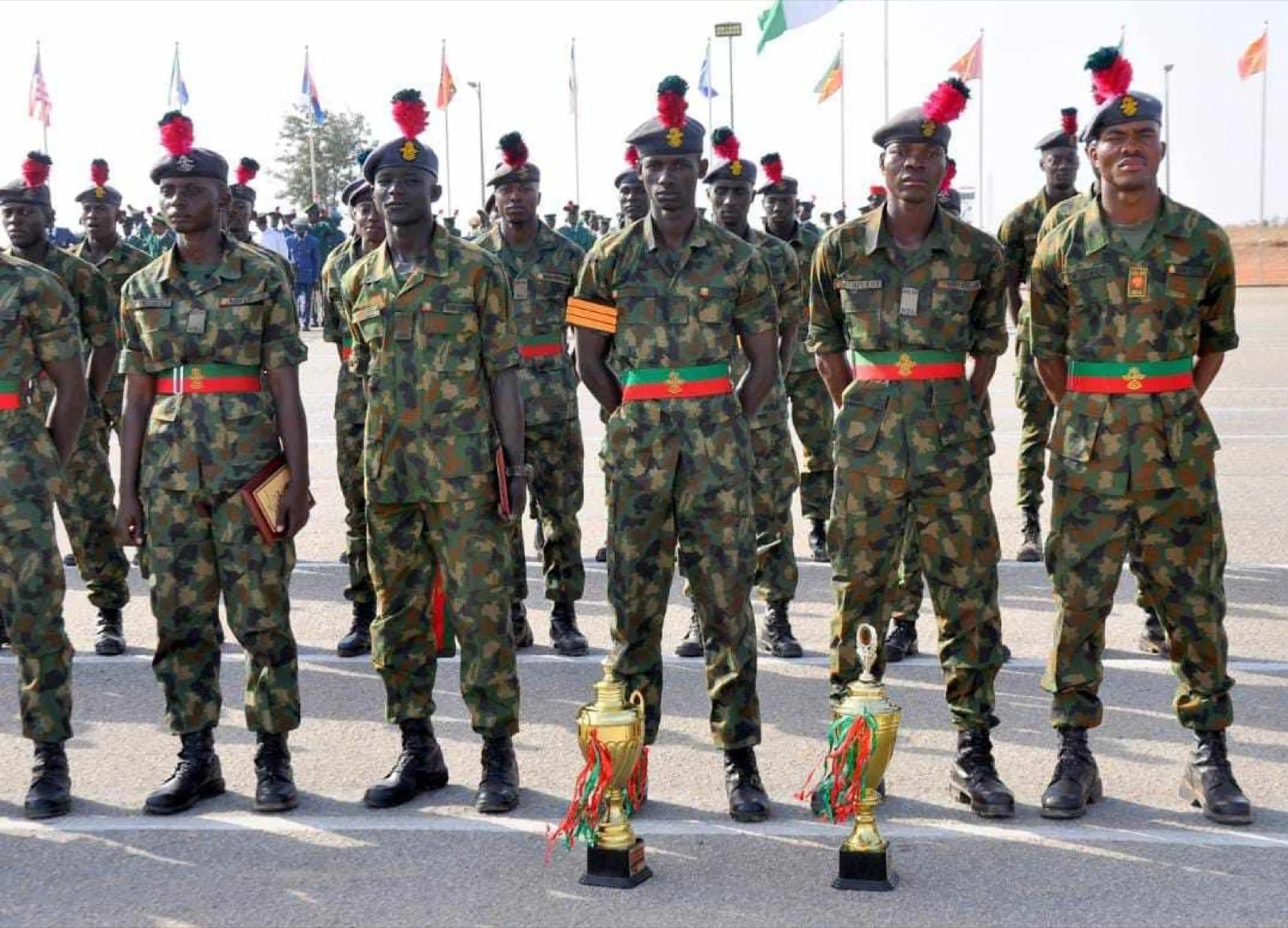
Sub-Saharan Africa is the continent’s most volatile security landscape. Jihadist insurgencies across the Sahel, separatist movements in northern Mozambique, long-running conflict in the Great Lakes region, and Boko Haram’s continued presence along the Nigeria-Cameroon border all keep multiple fronts open at once.
Unlike North Africa’s oil-and-gas-funded militaries, most Sub-Saharan countries operate on tight budgets. A handful of exceptions — Angola and Nigeria in particular — have channelled energy revenue into defence spending and emerged as the region’s standout powers.
So which Sub-Saharan African militaries rank strongest in 2026? Does Nigeria’s experience fighting Boko Haram put it at the top, how does Ethiopia’s huge manpower pool balance out, and which Central African countries make the list? We start the countdown at number ten.
The ranking below is based on GlobalFirepower’s 2026 overall Power Index (PwrIndx) and covers Sub-Saharan African countries; Egypt, Algeria, Morocco, Tunisia, Libya, Sudan and Mauritania were excluded as geographically part of North Africa. The index combines tanks, aircraft, ships, manpower and budget into a single score, with a lower score indicating a stronger force.
#10Cameroon
Power Index · Central Africa
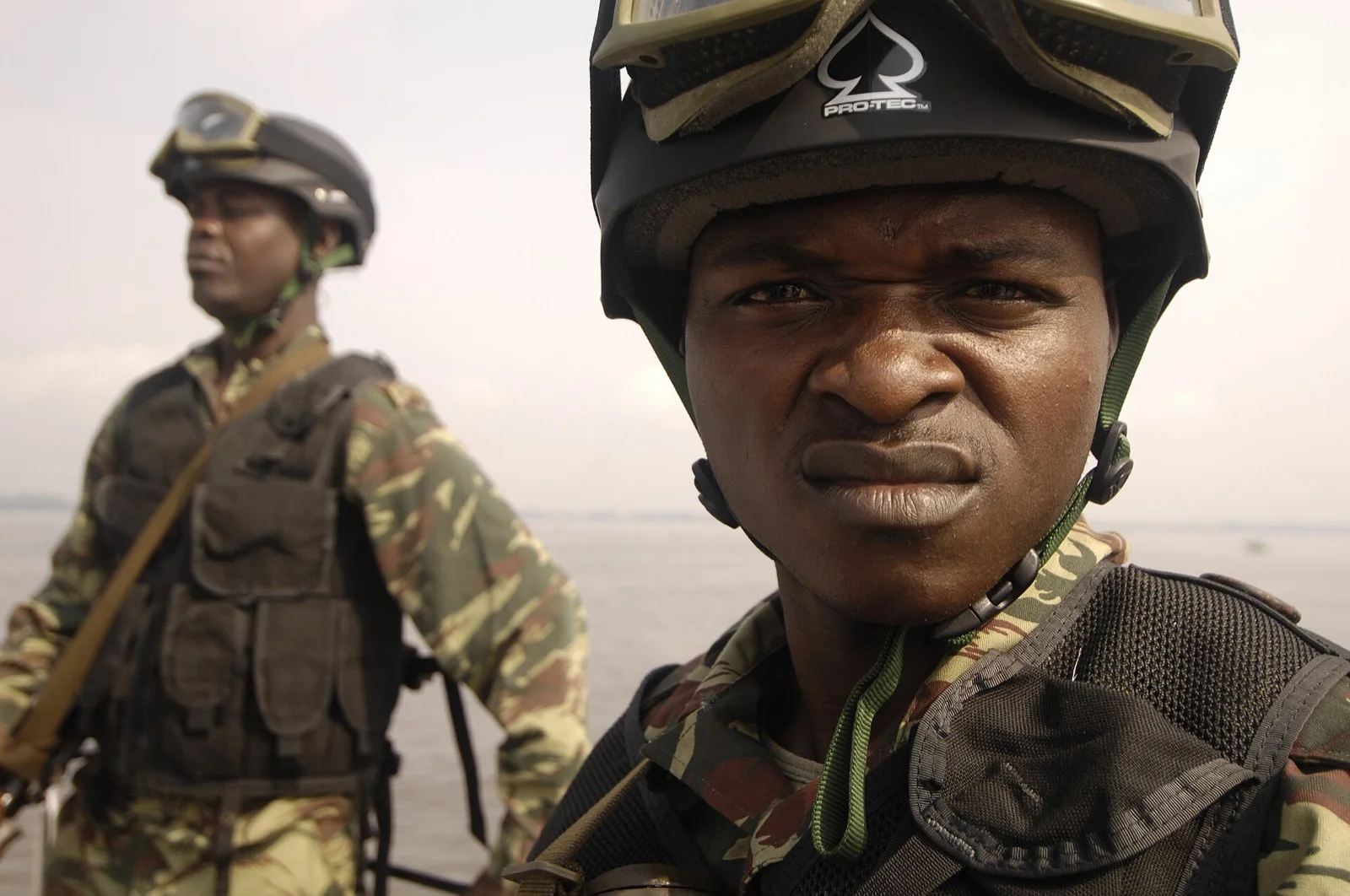
Cameroon runs a military fighting on two fronts at once: Boko Haram’s presence in the north and a separatist conflict in the country’s Anglophone regions. 38,000 active personnel and an $835.7 million budget put it among the region’s mid-sized forces.
The inventory carries no tanks at all; land power is limited to armoured personnel carriers and light weapons. A 35-aircraft, 21-helicopter air arm focuses mainly on internal security and border patrol. Military cooperation with France still shapes training and procurement.
Yaoundé’s defence priority is holding the line on two fronts simultaneously — the jihadist threat in the north and the separatist movement in the southwest and northwest regions. That dual burden spreads resources thin and pushes modernisation down the list.
Cameroon fields no tanks at all — one of the lightest land forces in the region.
| Capability | Total |
|---|---|
| Power Index | 2.1689 |
| Active personnel | 38,000 |
| Tanks | 0 |
| Total aircraft | 35 |
| Helicopters | 21 |
| Warships | 19 |
| Defence budget | $835.69 million |
The next country runs a surprisingly capable navy on one of the region’s poorest economies.
#9Mozambique
Power Index · Southeast Africa
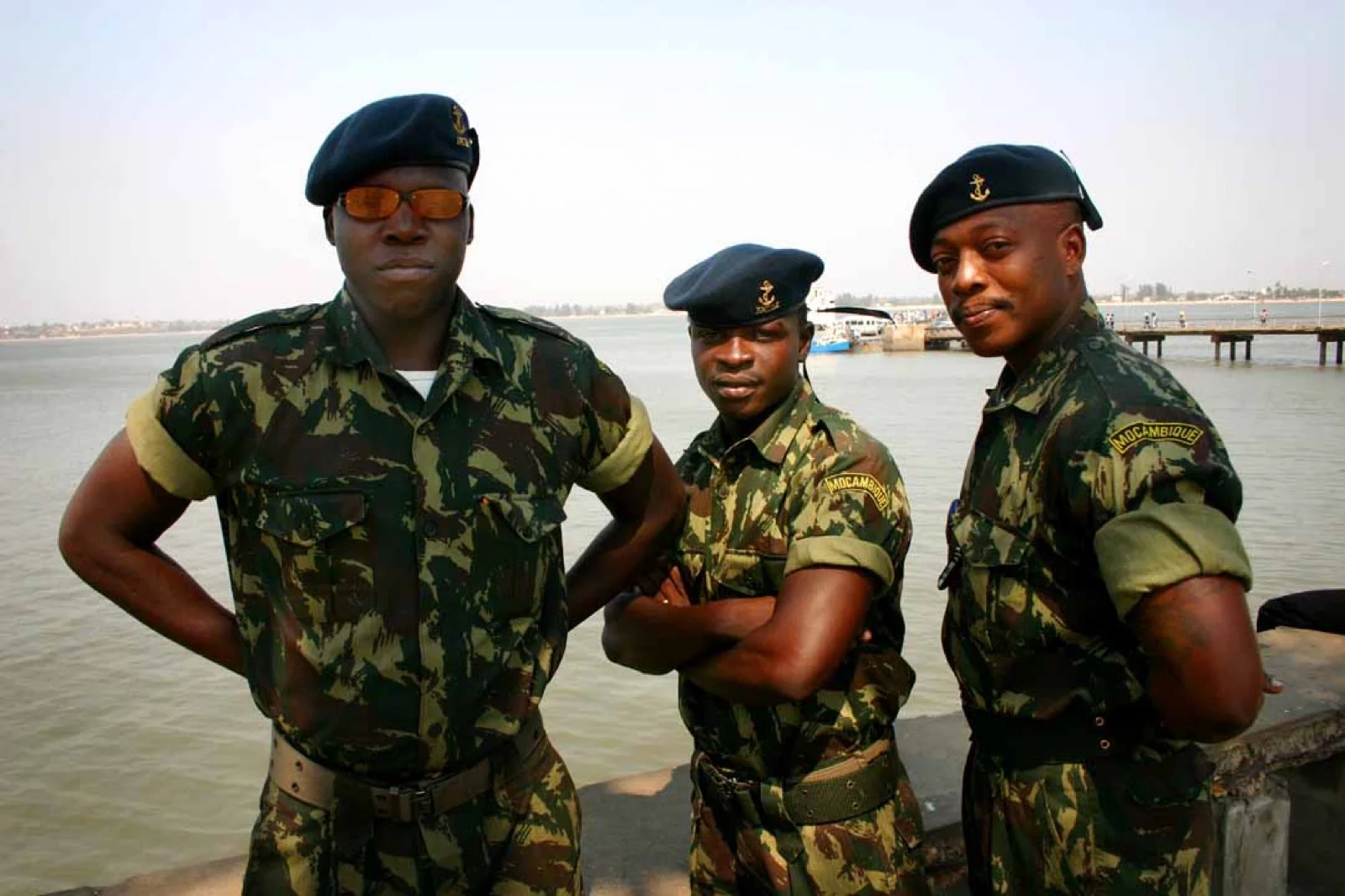
Mozambique has spent years fighting an ISIS-linked insurgency in its northern Cabo Delgado province — a conflict that eventually drew in intervention forces from Rwanda and the Southern African Development Community (SADC).
With 11,200 active personnel and a $480 million budget, Mozambique is one of the least-resourced countries on this list, yet it still operates a 36-vessel navy — a reflection of the need to protect its long coastline and offshore gas fields.
The land inventory sits at just 60 tanks and limited armour; air power stays nearly symbolic at 23 aircraft and 7 helicopters. Maputo’s defence capacity relies heavily on training and equipment support from international partners.
Mozambique operates a bigger navy than Cameroon on an even smaller budget.
| Capability | Total |
|---|---|
| Power Index | 1.9769 |
| Active personnel | 11,200 |
| Tanks | 60 |
| Total aircraft | 23 |
| Helicopters | 7 |
| Warships | 36 |
| Defence budget | $480.00 million |
The next country runs a modest but stable force in one of East Africa’s steadier economies.
#8Tanzania
Power Index · East Africa
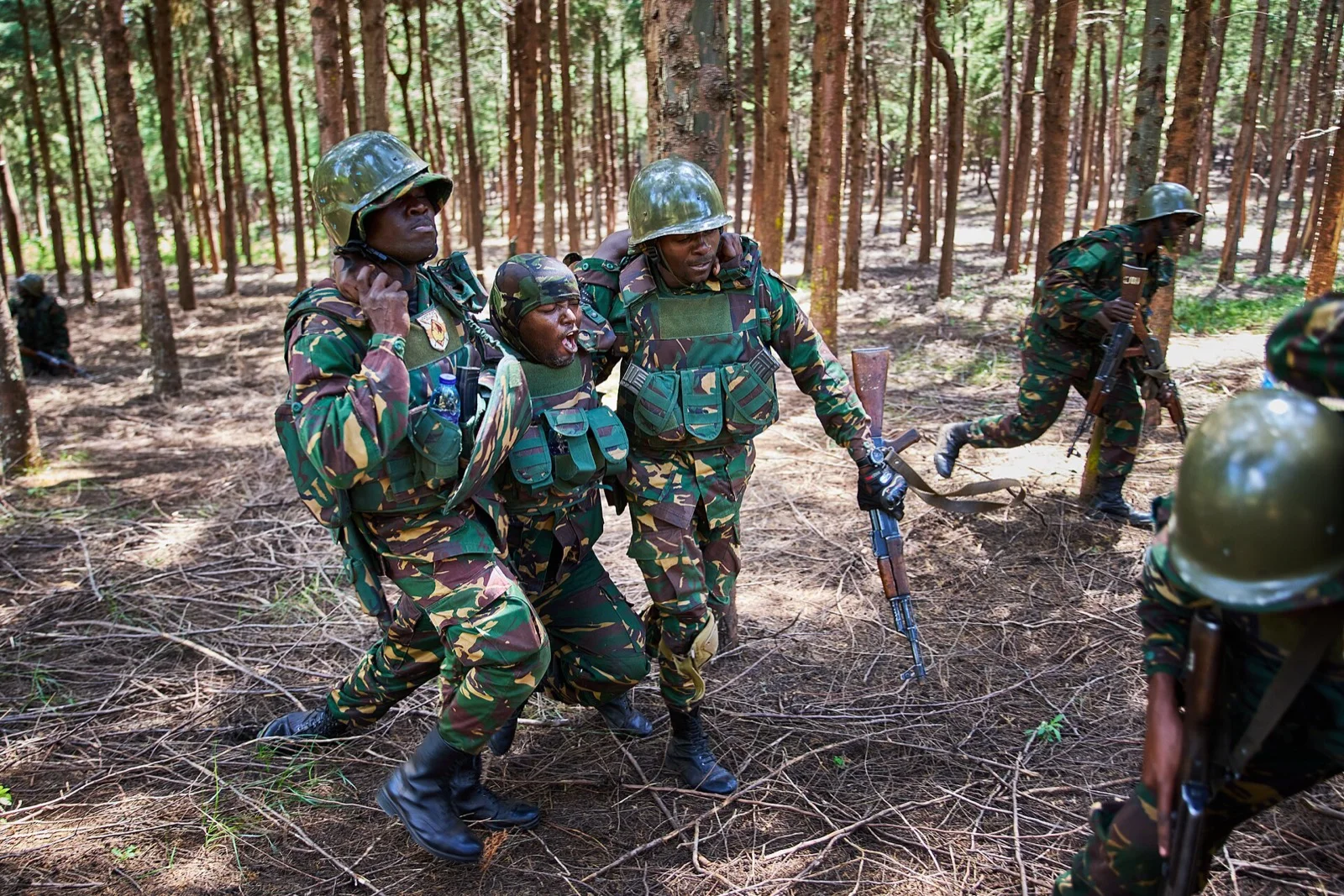
Tanzania, one of East Africa’s relatively stable states, fields a modest but balanced force of 25,000 active personnel. A $1.48 billion budget places it among the region’s mid-sized powers.
A 200-tank land inventory stands out against its neighbours — more than Kenya’s tank count. Air power, by contrast, stays limited to 38 aircraft. The Tanzania People’s Defence Force (TPDF) regularly takes part in US-led Justified Accord exercises, an active participant in regional security cooperation.
Tanzania’s defence policy is focused on hardening border security against the risk of spillover from Mozambique’s insurgency. The country also contributes troops to Great Lakes peacekeeping operations, giving it an active role in the region’s security architecture.
Tanzania’s 200-tank inventory outnumbers several far better-funded countries on this list.
| Capability | Total |
|---|---|
| Power Index | 1.9111 |
| Active personnel | 25,000 |
| Tanks | 200 |
| Total aircraft | 38 |
| Helicopters | 15 |
| Warships | 12 |
| Defence budget | $1.48 billion |
The next country guards one of the continent’s widest desert borders.
#7Chad
Power Index · The Sahel’s front line
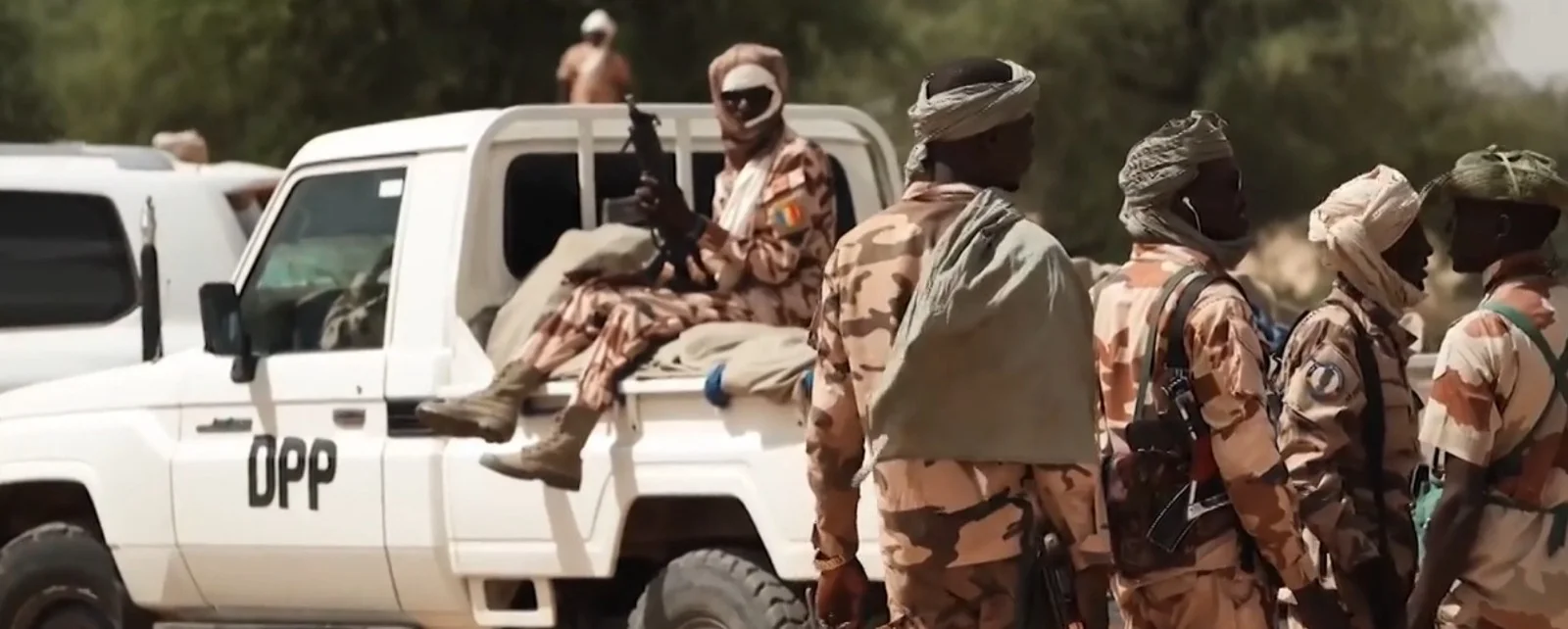
Chad runs one of the region’s most battle-tested militaries in the fight against Sahel-based jihadist groups. N’Djamena is one of the few countries trying to fill the security vacuum left by France’s regional drawdown.
With 37,750 active personnel and a $706.8 million budget, Chad plays a disproportionately active military role compared with its neighbours; its troops form the backbone of the multinational joint task force (MNJTF) operating against Boko Haram and Islamic State West Africa Province.
The inventory holds 90 tanks and 40 aircraft — numerically modest, but operated by a force experienced in cross-border desert operations. As France restructures its regional military footprint, Chad has moved toward maintaining simultaneous contact with both Russian and Western partners.
Chad runs the Sahel’s most active military operations on a smaller budget than most of its neighbours.
| Capability | Total |
|---|---|
| Power Index | 1.8594 |
| Active personnel | 37,750 |
| Tanks | 90 |
| Total aircraft | 40 |
| Helicopters | 16 |
| Warships | 0 |
| Defence budget | $706.80 million |
The next country has East Africa’s largest population, but its inventory stays limited.
#6Kenya
Power Index · East Africa’s stability anchor
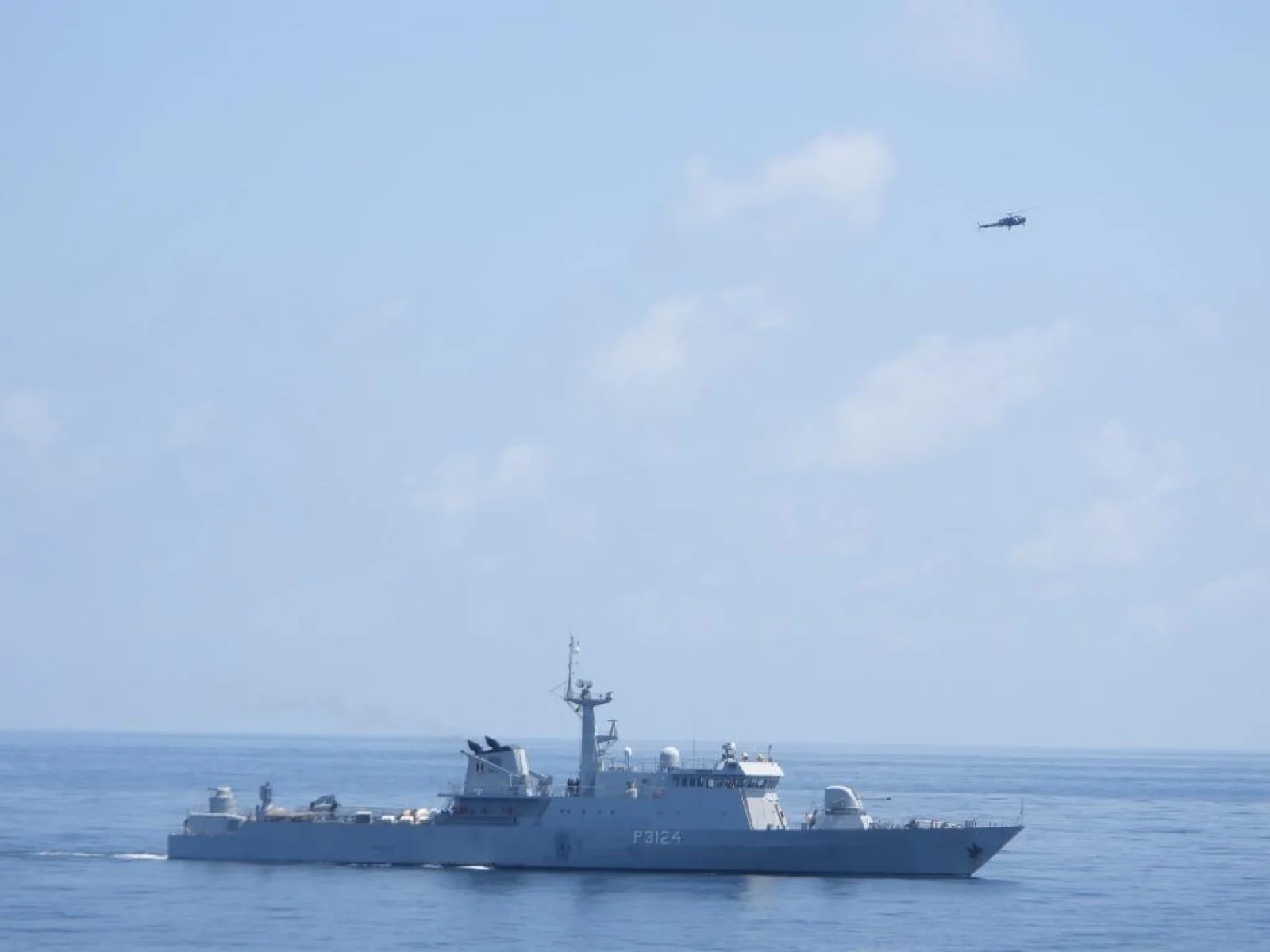
Kenya has one of East Africa’s most stable economies, yet its military stays comparatively small: 50,000 active personnel and a $1.65 billion budget. Years of cross-border operations against al-Shabaab in Somalia have made it one of the region’s most experienced forces.
An inventory of 188 tanks and 154 aircraft is modest but balanced; the Kenya Defence Forces are among the largest contributors to the African Union’s peacekeeping mission in Somalia (ATMIS), giving Kenya a central role in the region’s security architecture.
Nairobi’s defence policy is built around a balance that prioritises economic growth over security spending, which slows modernisation. In exchange, the country maintains the deepest intelligence-sharing and joint-exercise relationship with Western partners of any East African state.
Kenya spends twice Tanzania’s budget yet fields a smaller tank inventory, anchoring regional stability instead.
| Capability | Total |
|---|---|
| Power Index | 1.8588 |
| Active personnel | 50,000 |
| Tanks | 188 |
| Total aircraft | 154 |
| Helicopters | 84 |
| Warships | 27 |
| Defence budget | $1.65 billion |
The next country is still recovering from one of the longest civil conflicts on Earth.
#5Democratic Republic of the Congo
Power Index · The Great Lakes conflict zone
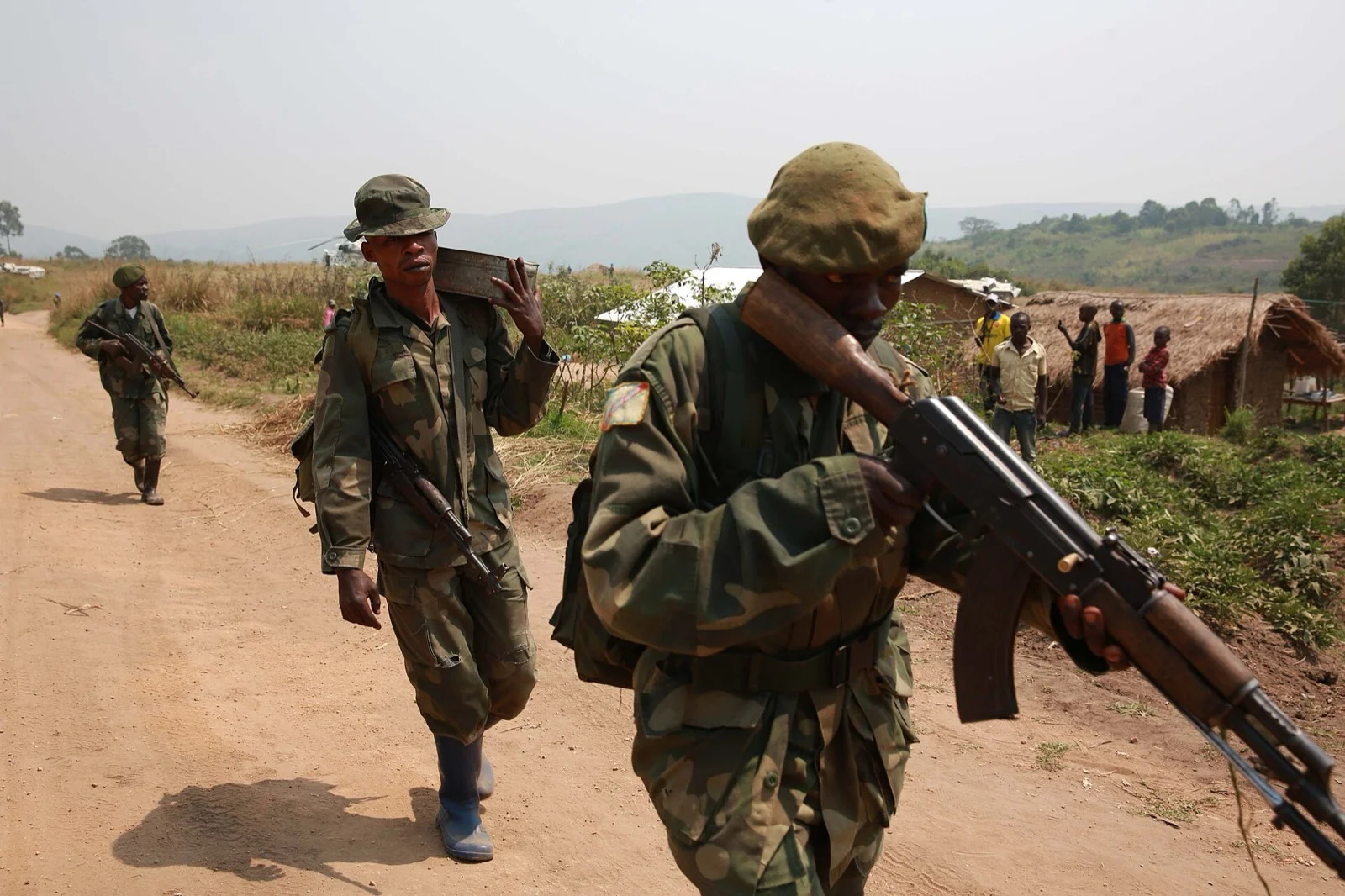
The Democratic Republic of the Congo sits at the centre of one of the continent’s longest and most complex conflicts. Fighting dozens of armed groups, including M23, in its eastern provinces, the army fields 166,580 active personnel — one of the region’s largest forces.
The inventory, by contrast, stays limited: 212 tanks and just 56 aircraft. Despite the presence of the MONUSCO peacekeeping mission, the state’s inability to establish full authority in the east severely limits FARDC’s operational effectiveness. A $960 million budget is disproportionately small next to the country’s vast mineral wealth.
Ongoing tension with Rwanda risks turning the eastern conflict into a wider regional crisis. Kinshasa has recently signed defence cooperation agreements with several countries, including Türkiye, to modernise its military — though the country’s fundamental state-capacity problems remain the biggest obstacle to those efforts.
The DRC fields one of the region’s largest personnel counts yet runs one of its weakest air forces, with just 56 aircraft.
| Capability | Total |
|---|---|
| Power Index | 1.3051 |
| Active personnel | 166,580 |
| Tanks | 212 |
| Total aircraft | 56 |
| Helicopters | 38 |
| Warships | 16 |
| Defence budget | $960.00 million |
The next country built one of Central Africa’s strongest militaries on oil revenue.
#4Angola
Power Index · A force built on oil revenue
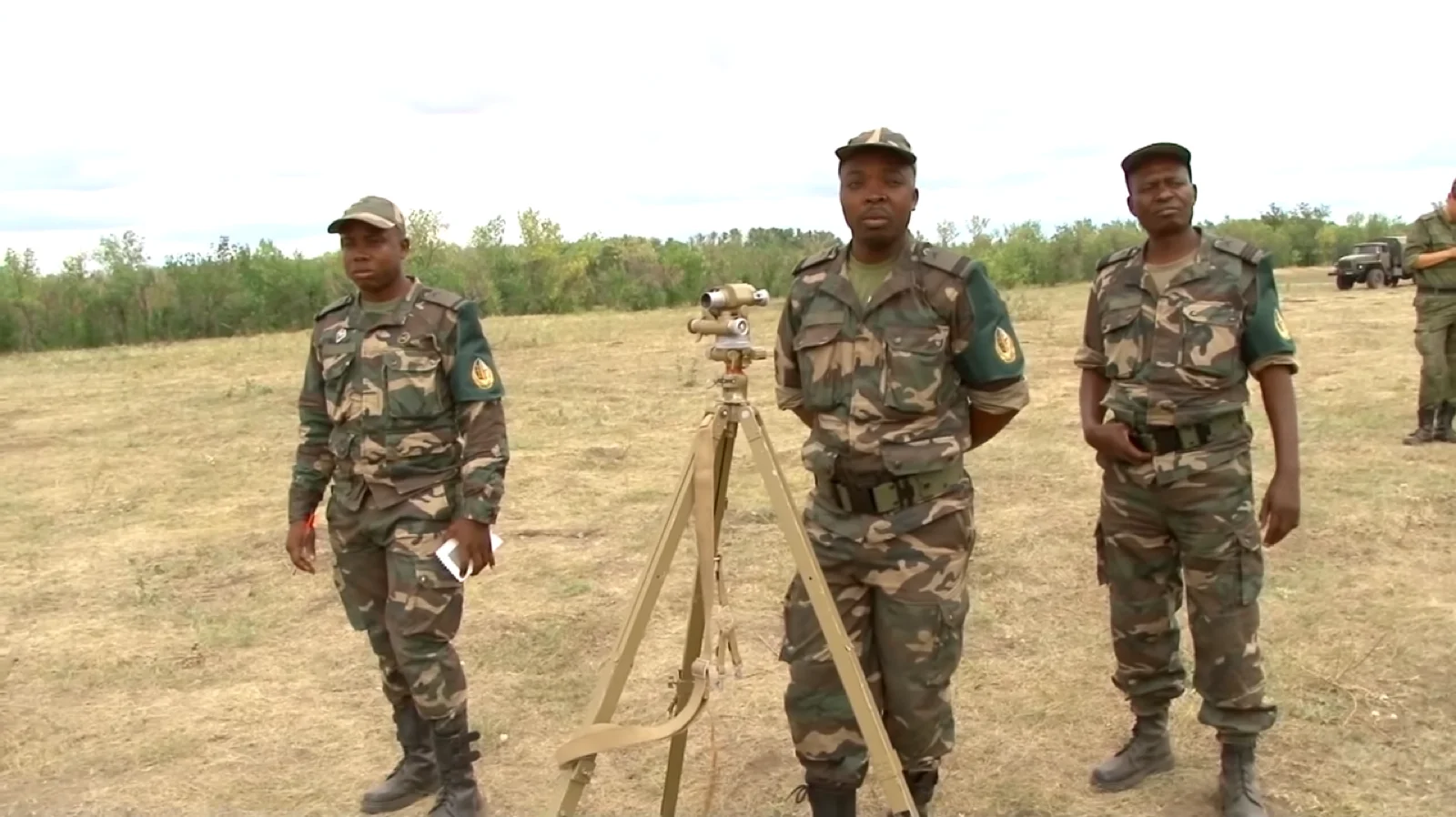
After a 27-year civil war (1975-2002), Angola channelled oil revenue into its defence industry and built one of the region’s strongest militaries. A $31.2 billion budget is among the highest on this list — a direct result of the country’s standing as one of Africa’s leading oil producers.
The inventory holds 319 tanks, 278 aircraft and 115 helicopters, putting Angola among the most serious land and air powers in Southern Africa. Russian-origin platforms form the backbone of the fleet, though procurement has begun diversifying in recent years.
Luanda’s defence policy centres on preserving regional stability in the postwar era and preventing spillover from the conflict in the neighbouring Democratic Republic of the Congo. Angola also contributes troops and equipment to regional intervention forces under the Southern African Development Community framework.
Angola’s $31.2 billion budget exceeds the combined budgets of the other nine countries on this list.
| Capability | Total |
|---|---|
| Power Index | 1.1045 |
| Active personnel | 107,000 |
| Tanks | 319 |
| Total aircraft | 278 |
| Helicopters | 115 |
| Warships | 32 |
| Defence budget | $31.20 billion |
The next country runs a huge population through a surprisingly small force.
#3Ethiopia
Power Index · The Horn of Africa’s population giant
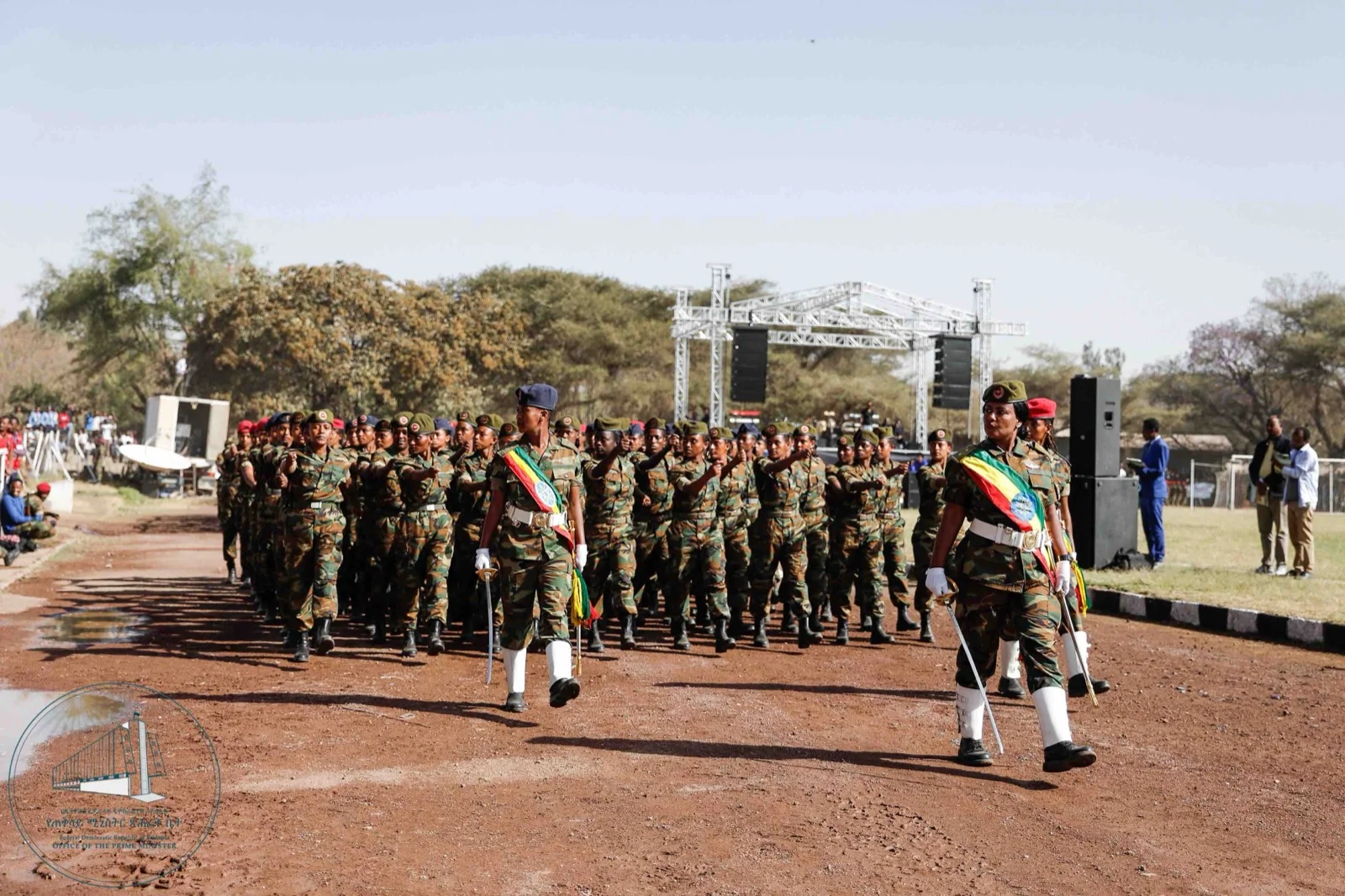
Ethiopia, Africa’s second-most populous country with over 120 million people, translates that scale directly into its military: 503,000 active personnel, among the highest figures in Sub-Saharan Africa. The budget, by contrast, is just $3.72 billion — among the lowest per-soldier spending levels in the region.
The inventory holds 338 tanks and 104 aircraft; naval power is zero — Ethiopia has been landlocked since Eritrea’s independence. That reality is pushing Addis Ababa to seek maritime access through Djibouti and, more recently, Somaliland — a search that has itself become a source of regional tension.
Ethiopia’s military is rebuilding after the internal conflict in the Tigray region. Addis Ababa, through deepening defence cooperation with Türkiye, has begun modernising its air power with Bayraktar TB2 and Akıncı drones — the country’s most notable recent defence-industrial move.
Ethiopia fields five times as many troops as Angola on less than a tenth of its budget.
| Capability | Total |
|---|---|
| Power Index | 0.8525 |
| Active personnel | 503,000 |
| Tanks | 338 |
| Total aircraft | 104 |
| Helicopters | 33 |
| Warships | 0 |
| Defence budget | $3.72 billion |
The runner-up runs the continent’s most advanced defence industry.
#2South Africa
Power Index · The continent’s most advanced defence industry
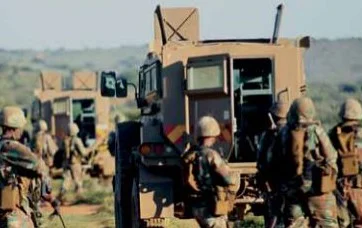
South Africa, Sub-Saharan Africa’s most industrialised economy, runs the most balanced military on this list. At 68,731 active personnel, it’s numerically modest, but domestic defence firms like Denel make the country the continent’s most advanced defence-industrial base.
The inventory holds 248 tanks, 181 aircraft and 3 submarines; South Africa is one of the few African countries operating submarines at all, giving it an outsized role in regional naval balance. Indigenous platforms such as the Rooivalk attack helicopter and Rooikat armoured vehicle showcase the country’s design capacity.
Pretoria’s defence budget has been under pressure from economic headwinds in recent years; the $2.88 billion figure sits below the country’s potential. South Africa nonetheless maintains its diplomatic weight through BRICS membership and continent-wide peacekeeping contributions.
South Africa fields one of the smallest personnel counts on this list yet runs the continent’s most advanced defence industry.
| Capability | Total |
|---|---|
| Power Index | 0.6843 |
| Active personnel | 68,731 |
| Tanks | 248 |
| Total aircraft | 181 |
| Helicopters | 87 |
| Warships | 63 |
| Submarines | 3 |
| Defence budget | $2.88 billion |
And at the top sits West Africa’s population giant.
#1Nigeria
Power Index · West Africa’s military leader
Nigeria, Africa’s most populous country at over 230 million people, translates that scale into Sub-Saharan Africa’s strongest military. 230,000 active personnel and more than a decade of fighting Boko Haram have made it the region’s most battle-hardened land force.
The inventory holds 330 tanks and 159 aircraft; numerically it trails Angola, but in operational experience Nigeria stands as the region’s most active military. Abuja runs continuous operations against Boko Haram and the Islamic State West Africa Province (ISWAP) in its northeastern states.
Nigeria’s domestic defence-industrial ambitions remain limited, but diversified procurement from China, Russia and Türkiye strengthens its inventory. A 152-vessel navy plays a key role in countering piracy in the Gulf of Guinea — one of the world’s riskiest maritime trade corridors.
Nigeria fields Sub-Saharan Africa’s strongest military on four times the DR Congo’s budget.
| Capability | Total |
|---|---|
| Power Index | 0.6097 |
| Active personnel | 230,000 |
| Tanks | 330 |
| Total aircraft | 159 |
| Helicopters | 69 |
| Warships | 152 |
| Defence budget | $3.90 billion |
What Sub-Saharan Africa’s power balance tells us
This table shows military strength in Sub-Saharan Africa flowing from three distinct sources: population scale (Nigeria, Ethiopia), natural-resource revenue (Angola), and industrial capacity (South Africa). No single country combines all three at once — which is exactly why no clear regional hegemon has emerged.
The second finding is how directly conflict geography shapes defence investment. Chad, Kenya, Nigeria and the DR Congo — all sitting on active conflict lines — accumulate operational experience despite tight budgets, while relatively stable states like Tanzania and Mozambique modernise at a slower pace.
A third trend is diversifying procurement. Against Russia and China’s traditional dominance, Türkiye has deepened defence-industrial cooperation with Ethiopia, Nigeria and several Sahel states in recent years; Bayraktar drones now operate on multiple conflict fronts across the region. That diversification reduces reliance on any single supplier.
Finally, the region’s biggest structural problem remains state capacity. As the DR Congo shows, numerical size and resource wealth don’t translate into military effectiveness when the central government can’t assert authority across its own territory. Sub-Saharan Africa’s next decade will hinge on whether that structural gap can be closed.
Sub-Saharan Africa’s 10 strongest militaries: comparison table (2026)
| # | Country | Power Index | Active personnel | Tanks | Total aircraft | Warships | Defence budget |
|---|---|---|---|---|---|---|---|
| 1 | Nigeria | 0.6097 | 230,000 | 330 | 159 | 152 | $3.90 billion |
| 2 | South Africa | 0.6843 | 68,731 | 248 | 181 | 63 | $2.88 billion |
| 3 | Ethiopia | 0.8525 | 503,000 | 338 | 104 | 0 | $3.72 billion |
| 4 | Angola | 1.1045 | 107,000 | 319 | 278 | 32 | $31.20 billion |
| 5 | DR Congo | 1.3051 | 166,580 | 212 | 56 | 16 | $960.00 million |
| 6 | Kenya | 1.8588 | 50,000 | 188 | 154 | 27 | $1.65 billion |
| 7 | Chad | 1.8594 | 37,750 | 90 | 40 | 0 | $706.80 million |
| 8 | Tanzania | 1.9111 | 25,000 | 200 | 38 | 12 | $1.48 billion |
| 9 | Mozambique | 1.9769 | 11,200 | 60 | 23 | 36 | $480.00 million |
| 10 | Cameroon | 2.1689 | 38,000 | 0 | 35 | 19 | $835.69 million |
A new ranking tomorrow
Coming next: North Africa’s strongest militaries, and NATO’s biggest defence budgets.
Sıkça Sorulan Sorular
Which country fields Sub-Saharan Africa’s strongest military?
Nigeria. According to GlobalFirepower’s overall Power Index, it ranks strongest in the region, driven by a population of over 230 million and over a decade of experience fighting Boko Haram.
Why aren’t Egypt, Algeria and Morocco on this list?
Those countries are geographically classified as North African and assessed under a separate regional ranking; this gallery covers Sub-Saharan countries specifically.
Why does Ethiopia have such a large force on such a small budget?
Ethiopia, Africa’s second-most populous country at over 120 million people, maintains large personnel numbers through a mix of mandatory and voluntary service, but its economic capacity doesn’t translate into a proportionally large budget.
Why does South Africa rank second with such a small personnel count?
South Africa’s Power Index score is driven less by raw numbers than by defence-industrial capacity and the technological balance of its inventory; it runs the continent’s most advanced domestic defence production.
Does Türkiye have defence cooperation with these countries?
Yes. Ethiopia, Nigeria and several Sahel states in particular have added Turkish drones and other defence-industrial products to their inventories in recent years, and that cooperation is deepening rapidly.
Sources
- GlobalFirepower 2026 overall Power Index and Africa regional ranking
- IISS The Military Balance
- SIPRI Military Expenditure Database
- Official statements from the relevant ministries of defence
- Source: https://www.globalfirepower.com/