

Ethiopia’s Military Strength 2026: GFP Profile and Turkish TB2 Ties

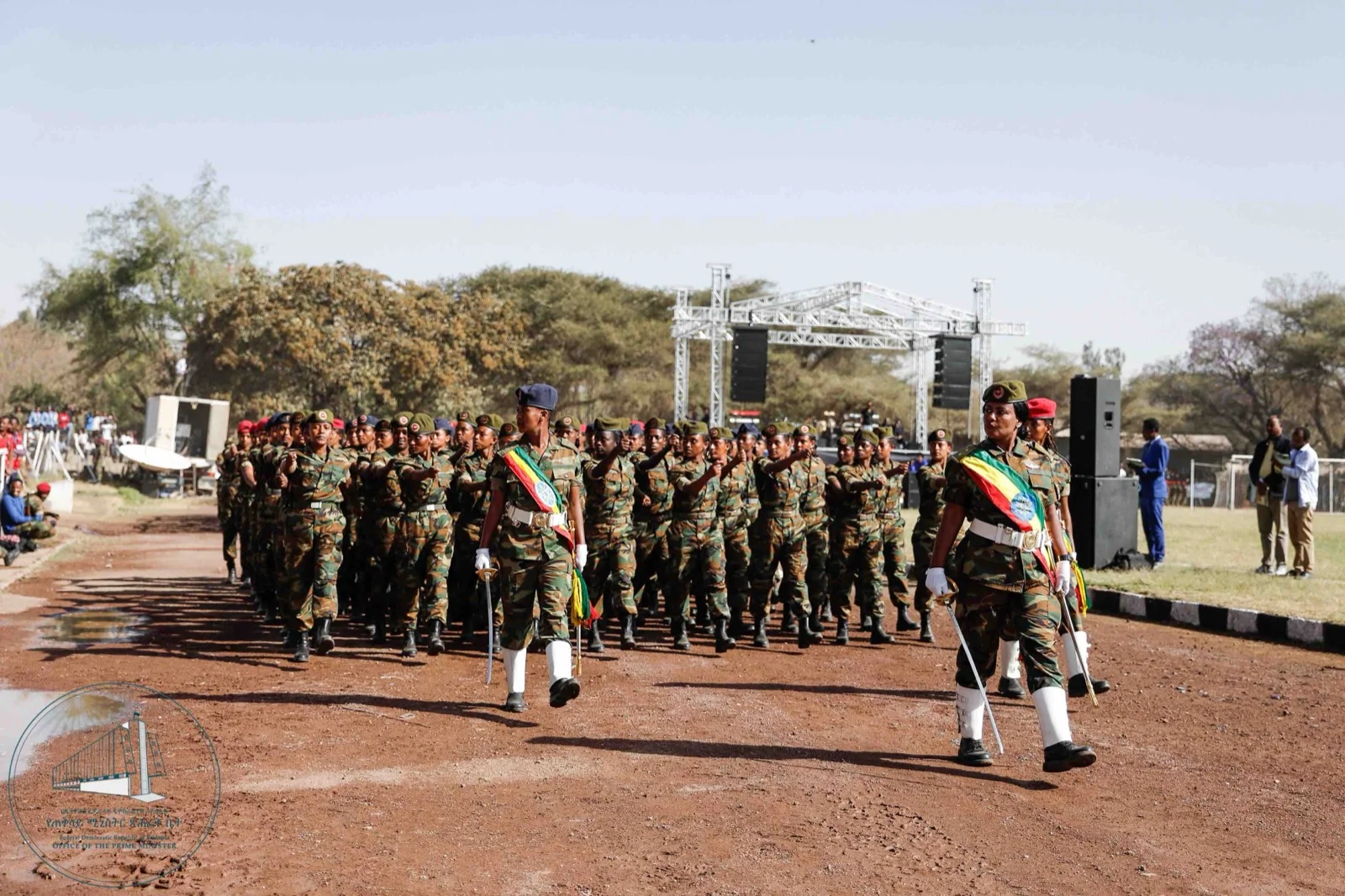
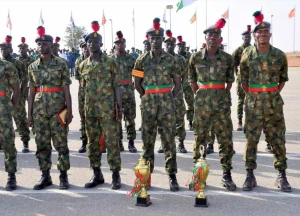
Ethiopia ranks 47th of 145 nations in the 2026 Global Firepower (GFP) Index, 5th in Africa, with a PwrIndx score of 0.8525 (a lower score means a stronger rated military). The Ethiopian National Defense Force fields roughly 503,000 active personnel, 338 tanks and a small air force built around Soviet- and Russian-era Su-27 and Su-25 jets, backed by a defense budget of about $3.72 billion. Landlocked since Eritrea’s 1993 independence, Ethiopia has no navy. Since 2021 it has also become one of the most closely watched cases of Turkish Bayraktar TB2 use in Africa, under a defense framework agreement with Ankara that neither government has fully detailed.
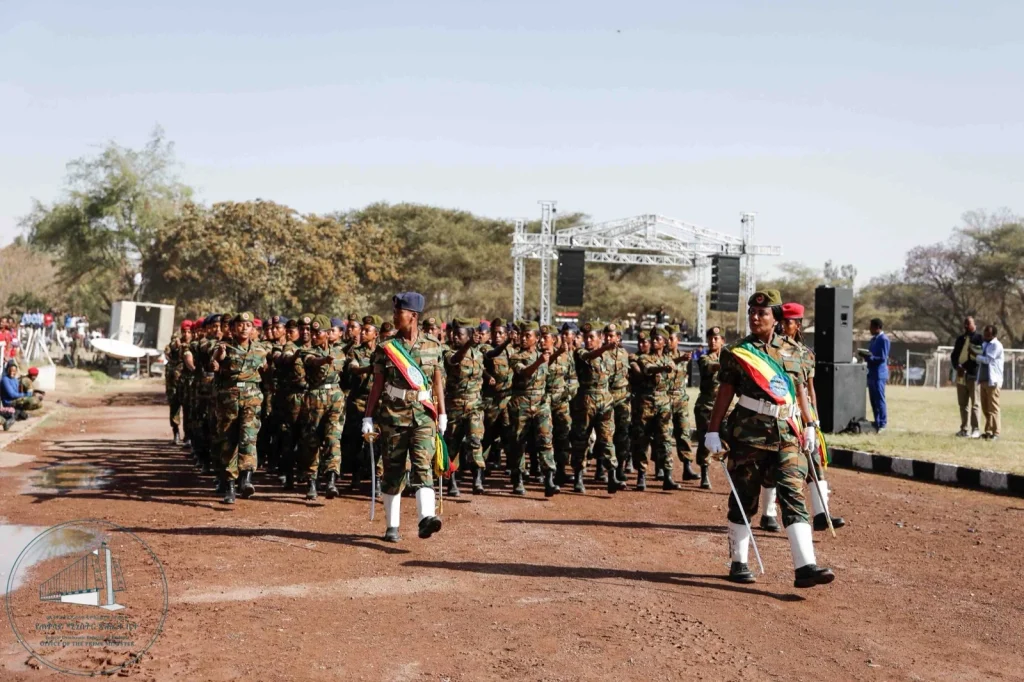
Table of Contents
- Ethiopia at a Glance (2026 Snapshot)
- How GFP Ranks Ethiopia — and What the Score Leaves Out
- Personnel and Reserves
- Air Power: Su-27s, Su-25s and the TB2 Question
- Land Forces: Tanks, Artillery and Armor
- Defense Budget and Spending Trends
- The Turkey-Ethiopia Defense Relationship
- Ethiopia vs Its Neighbors: Eritrea, Sudan, Kenya
- Where Ethiopia Sits in Africa’s Top 10
- FAQ
- Sources
Ethiopia at a Glance (2026 Snapshot)
These figures come from the 2026 Global Firepower review, a comparative open-source index rather than an official Ethiopian government disclosure.
| Metric | 2026 Figure |
|---|---|
| Global GFP rank | 47 of 145 |
| Africa rank | 5th |
| PwrIndx score | 0.8525 |
| Active personnel | 503,000 |
| Reserve personnel | 138,000 |
| Total military aircraft | 104 (62 combat-ready) |
| Fighter aircraft | 25 (15 ready) |
| Attack helicopters | 7 (4 ready) |
| Tanks | 338 (220 ready) |
| Armored vehicles | 8,586 (5,581 ready) |
| Towed / self-propelled artillery | 469 / 142 |
| MLRS rocket systems | 79 |
| Defense budget | ~$3.72 billion |
| Navy | None (landlocked) |
How GFP Ranks Ethiopia — and What the Score Leaves Out
Global Firepower scores more than 60 indicators across personnel, equipment, finances, logistics, natural resources and geography, then compresses them into a single PwrIndx figure. It is a useful comparative tool, not an official military assessment, and it rewards raw quantity — Ethiopia’s large army and vehicle fleet — more than it captures readiness, training or how much equipment is actually serviceable at any given time. For a harder capability read, GFP figures are best cross-checked against SIPRI’s arms-transfer database and IISS’s Military Balance, both of which track Ethiopia’s equipment inventories independently.
Ethiopia was one of 14 African countries that climbed the GFP table in the 2026 edition compared with 2025, part of a broader trend of rising defense spending across the continent. It still trails Egypt (rank 19, PwrIndx 0.3651), Algeria (0.4849), Nigeria (0.6097) and South Africa (0.6843) — the four countries ahead of it in Africa’s top five.
Personnel and Reserves
At 503,000 active personnel, Ethiopia fields one of the largest standing armies in Africa by headcount, with a further 138,000 in reserve — a total force approaching 641,000. That scale reflects Ethiopia’s history: the Ethiopian National Defense Force absorbed large numbers of fighters from the Tigray war (2020-2022) and the subsequent Amhara Fano conflict into demobilization, integration and reserve structures, so headline personnel numbers should be read alongside the country’s recent internal-conflict history rather than as a like-for-like comparison with a peacetime force.
Air Power: Su-27s, Su-25s and the TB2 Question
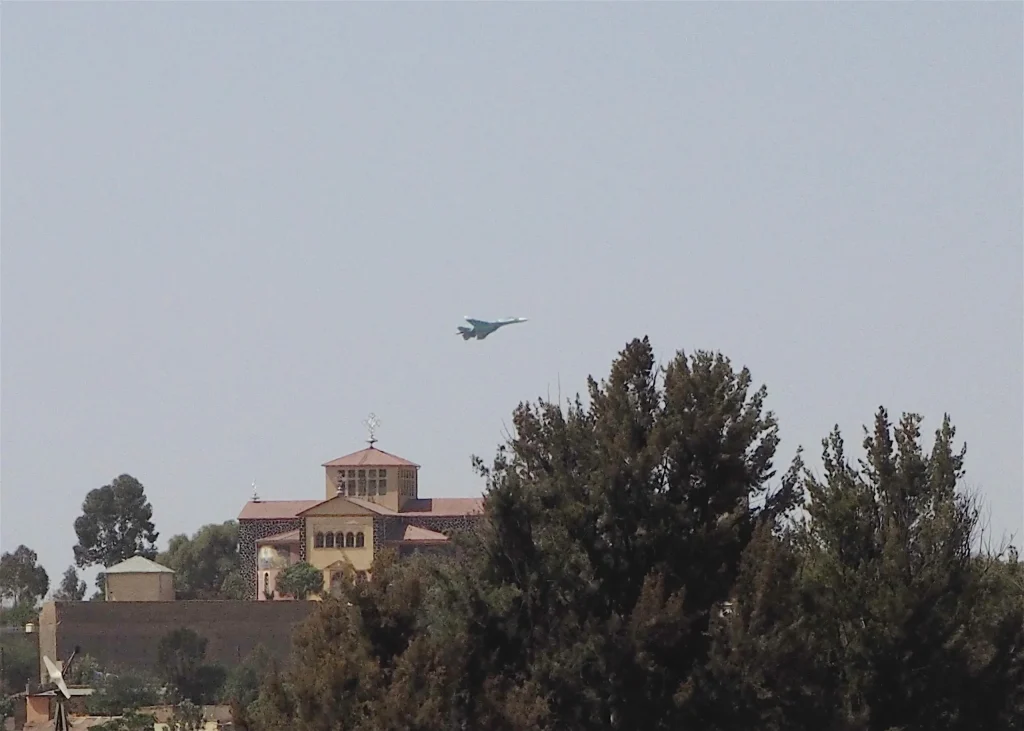
Ethiopia’s air force is small relative to its army — 104 aircraft total, only 25 of them fighters, and just 15 of those rated combat-ready by GFP. The backbone is a mixed Soviet/Russian-era fleet: Su-27 Flanker air-superiority fighters (acquired via Ukraine and Russia in the early 2000s, originally to counter Eritrea’s own Su-27s) and Su-25 Frogfoot ground-attack jets, supplemented by older MiG-23s and L-39 trainers.
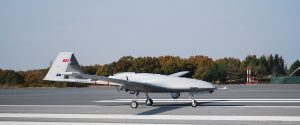
The more closely watched development since 2021 is armed drones. Multiple open-source and think-tank investigations — including the European Council on Foreign Relations’ “Deadly Skies” study — documented Ethiopian government forces operating small numbers of Bayraktar TB2s, alongside Chinese Wing Loong II and Iranian Mohajer-6 types, during the Tigray war. Neither Ankara nor Addis Ababa has published a contract or delivery figure, so TB2 numbers in Ethiopian service are best described as reported and independently documented, not officially confirmed. Analysts who tracked wreckage and flight activity put the operational TB2 fleet at a handful of airframes rather than a large squadron. The TB2’s use in a live, multi-actor internal conflict also drew scrutiny from UN-mandated investigators looking at the conduct of all sides in the war — a reminder that any armed drone’s real-world impact depends heavily on the rules of engagement of the operator, not the platform itself.
Land Forces: Tanks, Artillery and Armor
Ethiopia’s 338 tanks are a mix of older Soviet T-55s and T-62s with a smaller number of more modern T-72s, backed by a large — 8,586-vehicle — fleet of armored personnel carriers and infantry fighting vehicles, mostly BMP-series and BTR-series designs. Artillery is dominated by towed guns (469) over self-propelled systems (142), with 79 multiple-launch rocket systems rounding out indirect-fire capability. This is an army built for large-scale ground campaigns and internal security operations across difficult terrain, not for rapid armored maneuver warfare.
Defense Budget and Spending Trends
GFP puts Ethiopia’s 2026 defense budget at roughly $3.72 billion. That is modest next to Egypt’s multi-billion-dollar, foreign-financed procurement programs, but it is large relative to Ethiopia’s GDP and reflects years of wartime spending during the Tigray and Amhara conflicts. As with personnel figures, budget numbers for Ethiopia are harder to verify independently than for countries with published defense white papers — GFP’s estimate should be treated as an order-of-magnitude figure rather than an audited number.
The Turkey-Ethiopia Defense Relationship
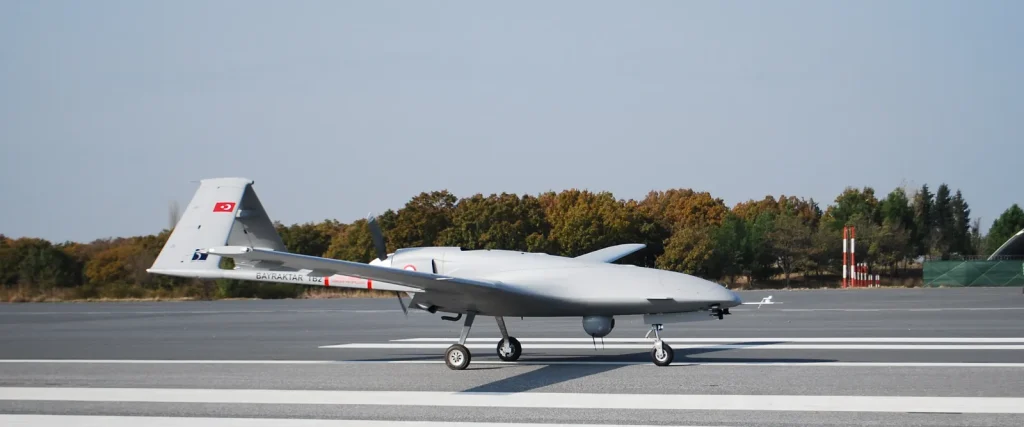
On 18 August 2021, Ethiopian Prime Minister Abiy Ahmed and Turkish President Recep Tayyip Erdoğan signed a military framework agreement covering arms sales, intelligence sharing, training and joint exercises. Turkish officials have separately acknowledged drone sales to Ethiopia without giving specifics, and Africa Intelligence reported a Baykar contract for a small batch of TB2 systems delivered later that year. This sits within a wider pattern of Turkey building defense ties across the Horn of Africa — Turkey also operates its largest overseas military base in neighboring Somalia, focused on training the Somali National Army rather than combat operations.
For Ethiopia, the appeal of Turkish equipment mirrors what has attracted other African militaries: lower acquisition and life-cycle cost than Western or Chinese alternatives, faster delivery timelines, and a supplier willing to sell without the political conditions attached to some Western export licenses. As with any platform sold into an active internal conflict, how it is used remains the responsibility of the operating government, not the manufacturer.
Ethiopia vs Its Neighbors: Eritrea, Sudan, Kenya
| Country | GFP Global Rank | PwrIndx | Active Personnel | Defense Budget |
|---|---|---|---|---|
| Ethiopia | 47 | 0.8525 | 503,000 | ~$3.72B |
| Sudan | 66 | 1.3563 | Estimates vary amid civil war | Not reliably disclosed |
| Kenya | 84 | 1.8588 | 50,000 | ~$1.65B |
| Eritrea | 119 | 2.6841 | Not publicly disclosed | Not publicly disclosed |
On paper, Ethiopia outranks all three of its most relevant regional comparators. Eritrea’s low GFP ranking is somewhat misleading given its reputation for a large, heavily conscripted force — Eritrea simply discloses far less data than GFP’s model can score. Sudan’s figures are complicated by the ongoing civil war between the Sudanese Armed Forces and the Rapid Support Forces, which has fractured command structures since 2023. Kenya, by contrast, fields a much smaller but generally better-resourced-per-soldier force focused on counter-terrorism operations in Somalia and along its own borders.
Where Ethiopia Sits in Africa’s Top 10
Ethiopia is Africa’s 5th-ranked military in the 2026 GFP table, behind Egypt, Algeria, Nigeria and South Africa, and ahead of Morocco, Angola, DR Congo, Sudan and Tunisia. For the full continental breakdown, methodology notes and country-by-country detail on the rest of the top 10, see our Strongest Army in Africa 2026 ranking. Ethiopia’s air force also places outside the continent’s top tier — see Africa’s 10 Strongest Air Forces for how it compares on airpower specifically.
FAQ
Does Ethiopia have Bayraktar TB2 drones?
Independent investigations and satellite/flight-activity monitoring have documented Ethiopian government forces operating a small number of TB2s since around late 2021, alongside Chinese and Iranian drone types. Neither the Turkish nor Ethiopian government has officially confirmed a contract or delivery figure, so this is best described as reported and independently documented rather than officially confirmed.
Why does Ethiopia have no navy?
Ethiopia became landlocked when Eritrea gained independence in 1993, taking the country’s Red Sea coastline. Ethiopia has periodically discussed regaining sea access, including a controversial 2024 memorandum of understanding with Somaliland, but currently operates no naval forces.
How large is Ethiopia’s military compared to Egypt’s?
Ethiopia has more active personnel on paper (503,000 vs. Egypt’s force, which GFP ranks 19th globally), but Egypt fields a far larger and more modern air force, navy and armored fleet, which is why Egypt ranks well ahead of Ethiopia both in Africa and globally.
Is the Global Firepower ranking an official military assessment?
No. GFP is an independently compiled, open-source comparative index. It is a useful reference point but should be read alongside official sources and organizations like SIPRI and IISS for a fuller picture.
Sources
- Global Firepower — Ethiopia 2026 Military Strength
- Global Firepower — African Military Strength 2026
- Global Firepower — Kenya 2026 Military Strength
- Global Firepower — Sudan 2026 Military Strength
- Global Firepower — Eritrea 2026 Military Strength
- European Council on Foreign Relations — Deadly Skies: Drone Warfare in Ethiopia and the Future of Conflict in Africa
- Daily Sabah — Turkey Expands Combat Drone Sales to Ethiopia, Morocco
- Ecofin Agency — Global Firepower Index 2026: Egypt, Algeria, Nigeria Lead Africa’s Military Rankings
Last updated: September 3, 2026.