
Africa’s 10 Most Powerful Navies in 2026: Nigeria, Egypt, Algeria

Piracy in the Gulf of Guinea, missiles in the Red Sea, a submarine race in the Mediterranean. Africa’s strongest navies counted down from 10 to 1 with 2026 inventory figures — and the country on top is not the one with the best ships.
African maritime security has been rewritten in a decade. Piracy in the Gulf of Guinea peaked and then collapsed, merchant ships in the Red Sea began taking missile fire, and eastern Mediterranean gas fields started requiring naval protection. Every one of those shifts reshaped the fleets on this continent.
Global Firepower’s 2026 dataset ranks African navies by total naval assets. The result will surprise anyone reading for ship quality: the country with the continent’s most modern fleet is not on top — the country with the most hulls is. The distance between those two facts maps precisely onto how each state defines its threat.
We count down from 10 to 1, with inventory breakdowns, doctrine, regional rivalries and modernisation plans for each entry. The full comparison table is at the end.
Eritrea
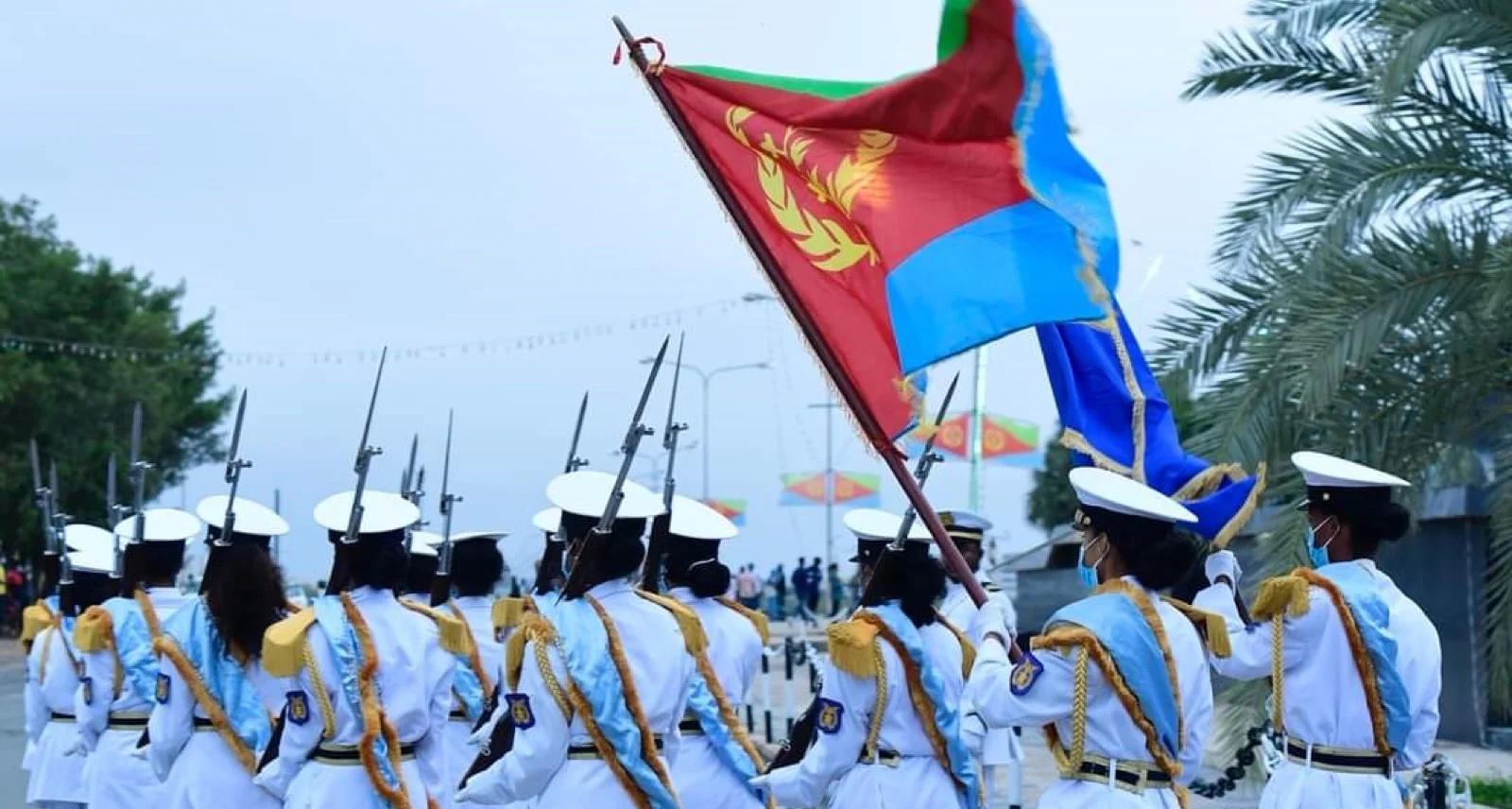
Eritrea holds more than 1,100 kilometres of Red Sea coastline — strategically priceless, militarily barely covered. All 23 of its naval assets are patrol boats, fast attack craft or small landing craft; there is no principal surface combatant. What Eritrea does have is manpower: 350,000 active personnel, one of the highest mobilisation rates on earth relative to population, sustained by open-ended national service. The doctrine is continental, not maritime — deterrence through mass on land. Interest in the sea has grown sharply, however, because the Red Sea has moved to the centre of global attention as Houthi attacks reshaped Suez traffic. The ports of Massawa and Assab are now on every regional power’s basing wish list, and Asmara has learned to trade access for influence. With a defence budget of $219 million, building a modern fleet from national resources is not realistic in the near term; base diplomacy is the cheaper lever, and Eritrea uses it.
Benchmark: Eritrea fields Africa’s fourth-largest active force by headcount — and ranks tenth by naval hull count.
| Power Element | Figure |
|---|---|
| Total naval assets | 23 |
| Frigates | 0 |
| Submarines | 0 |
| Active personnel | 350,000 |
| Defence budget | $219m |
The next country patrols the Indian Ocean with markedly better ships.
Kenya
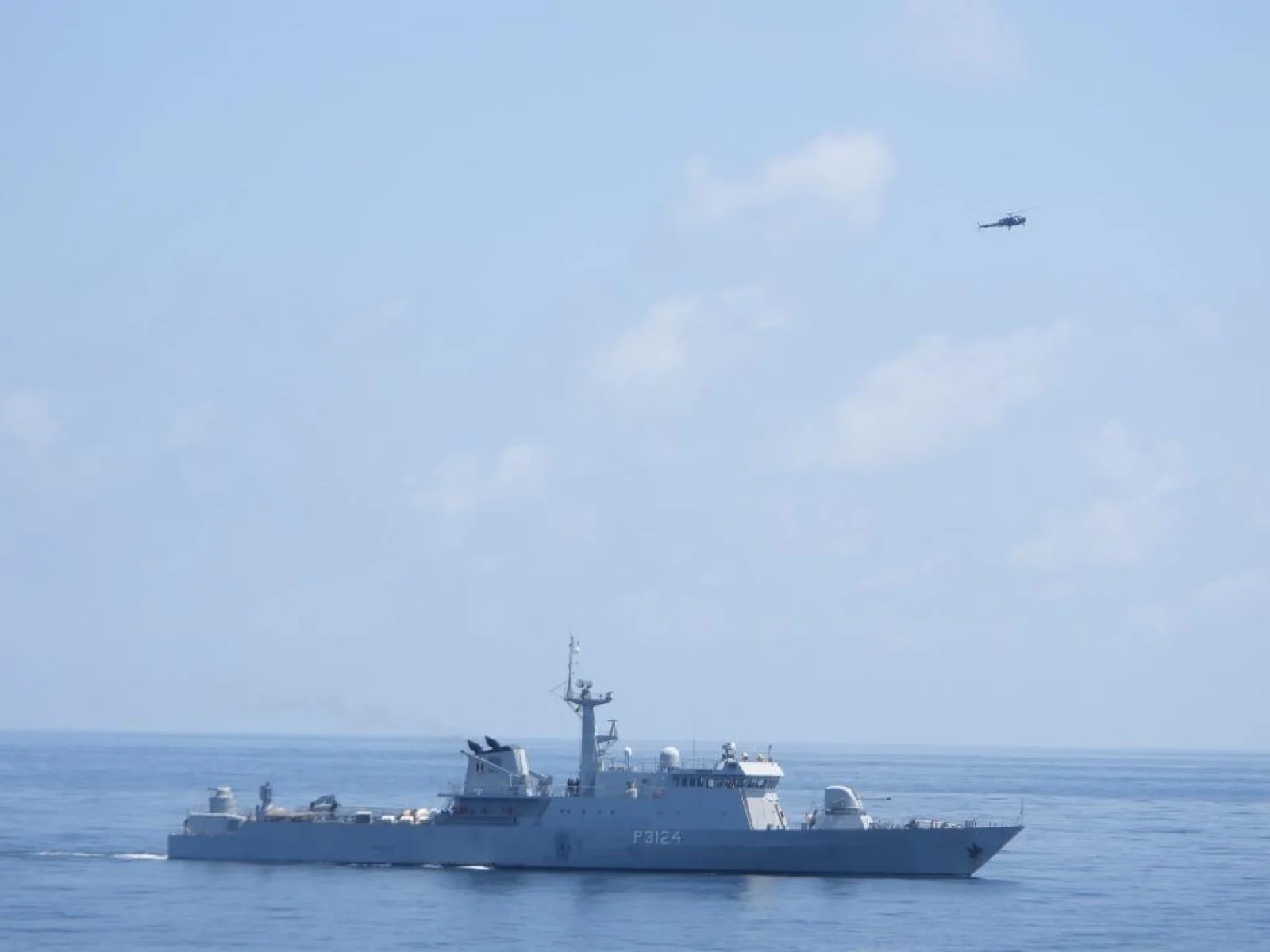
Small but purpose-built. The Kenya Navy’s flagship is KNS Jasiri, a Spanish-designed offshore patrol vessel that carries the weight of the country’s maritime border control against Somali piracy and al-Shabaab infiltration. French-built fast attack craft and newer patrol boats cover the Lamu and Mombasa approaches. Nairobi’s naval priority is economic rather than martial: Mombasa is the gateway not only for Kenya but for Uganda, Rwanda and South Sudan, which makes port security a regional responsibility rather than a national one. Years of contribution to AMISOM and later ATMIS in Somalia gave the service genuine joint land-sea operational experience that most navies of this size never acquire. Modernisation plans centre on additional offshore patrol vessels and improved maritime domain awareness — and Kenya is among the East African states Turkish yards have been courting.
Benchmark: Kenya spends roughly seven times Eritrea’s defence budget while fielding about one-seventh of its active personnel.
| Power Element | Figure |
|---|---|
| Total naval assets | 27 |
| Frigates | 0 |
| Submarines | 0 |
| Active personnel | 50,000 |
| Defence budget | $1.65bn |
Next up: a country that turns oil revenue into almost everything except warships.
Angola
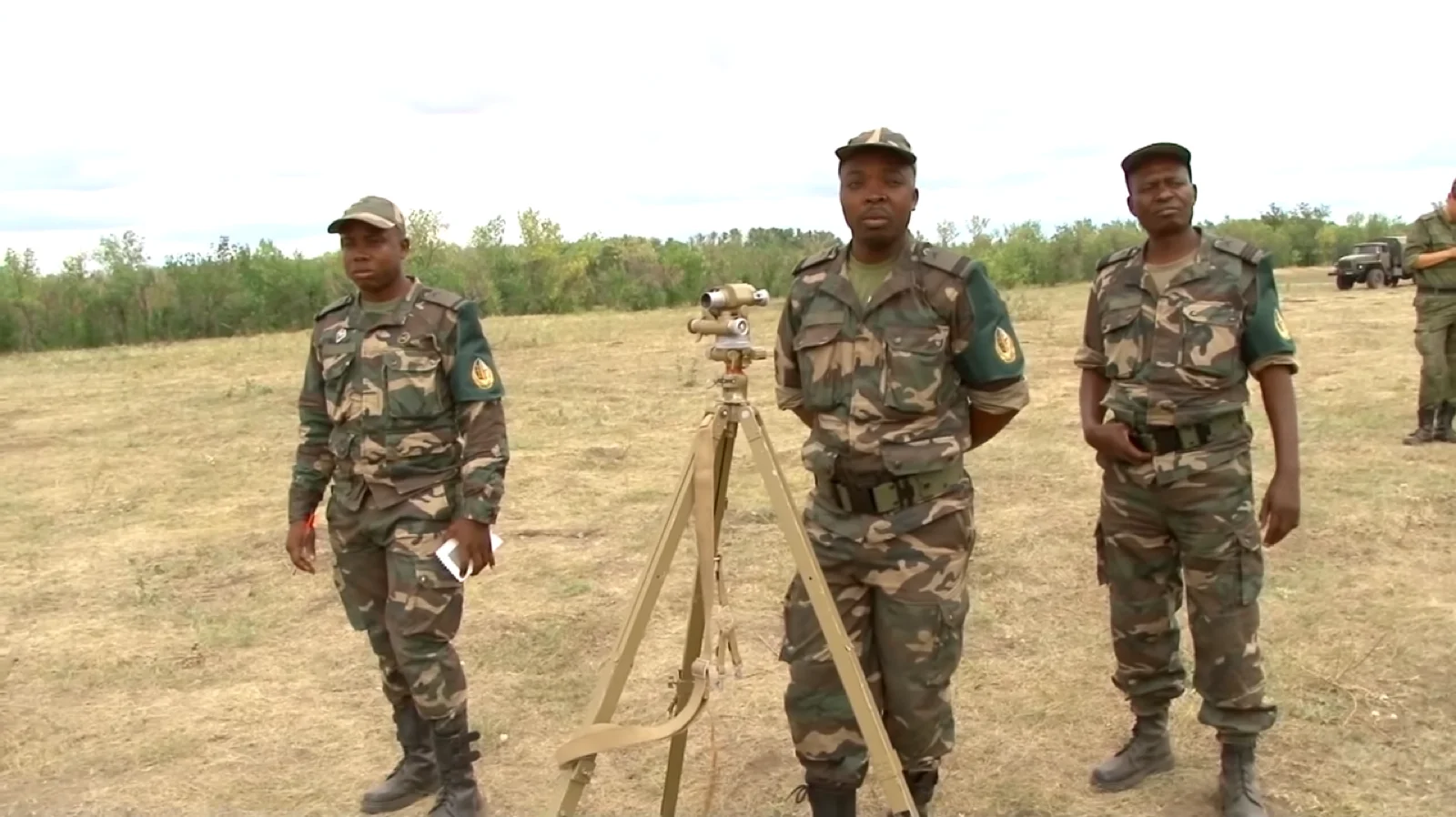
Angola commands the largest defence budget in Africa and has almost nothing at sea to show for it. Most of its 32 assets are patrol boats and auxiliaries; there is no principal surface combatant. The need could hardly be clearer: the economy runs on offshore oil platforms, and the Gulf of Guinea has been the world’s most piracy-prone waters for much of the past decade. Luanda has pursued procurement on several fronts for years — patrol vessels from Spain and Brazil, surveillance systems from France, auxiliaries from Italy — with limited results reaching the water. Lusophone defence cooperation and long-running training programmes with Brazil are aimed at the institutional side of the problem. The chronic issue is the familiar one across the continent: buying hulls is straightforward, but building a sustainment chain and a trained crew pipeline is not.
Benchmark: Angola outspends Egypt on defence by more than six to one, while fielding roughly one-fifth of Egypt’s naval assets.
| Power Element | Figure |
|---|---|
| Total naval assets | 32 |
| Frigates | 0 |
| Submarines | 0 |
| Active personnel | 107,000 |
| Defence budget | $31.2bn |
The next entry gets more hulls out of a fraction of that budget.
Mozambique
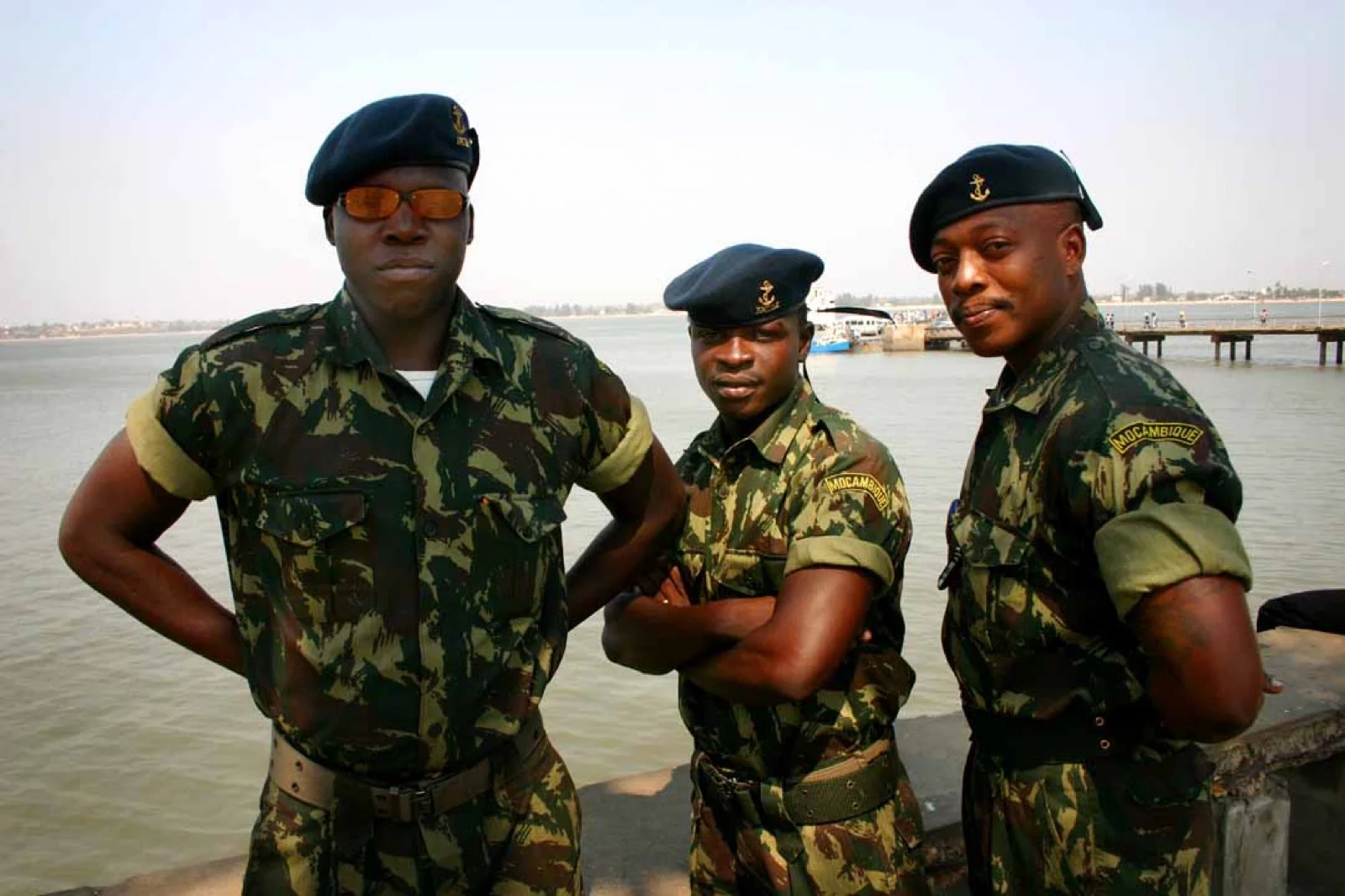
With more than 2,500 kilometres of Indian Ocean coastline, Mozambique is geographically significant and militarily thin: 36 patrol and riverine craft, and just 11,200 active personnel — the smallest force on this list. Maritime security nevertheless became one of the country’s defining issues. The insurgency in Cabo Delgado threatened the offshore gas fields that represent Mozambique’s largest economic project, and infiltration from the coast pushed the sea to the top of the threat list almost overnight. Rwandan and SADC contingents carried the land campaign while the Mozambican navy handled coastal surveillance and logistics movement; French-built HSI 32 fast interceptors were acquired directly for that mission. The long-term plan in Maputo is to convert future gas revenue into maritime domain awareness infrastructure rather than into large combatants.
Benchmark: Mozambique outnumbers Angola in hulls while fielding under a tenth of its active personnel.
| Power Element | Figure |
|---|---|
| Total naval assets | 36 |
| Frigates | 0 |
| Submarines | 0 |
| Active personnel | 11,200 |
| Defence budget | $480m |
From here on, every navy on the list operates at least one frigate.
Tunisia
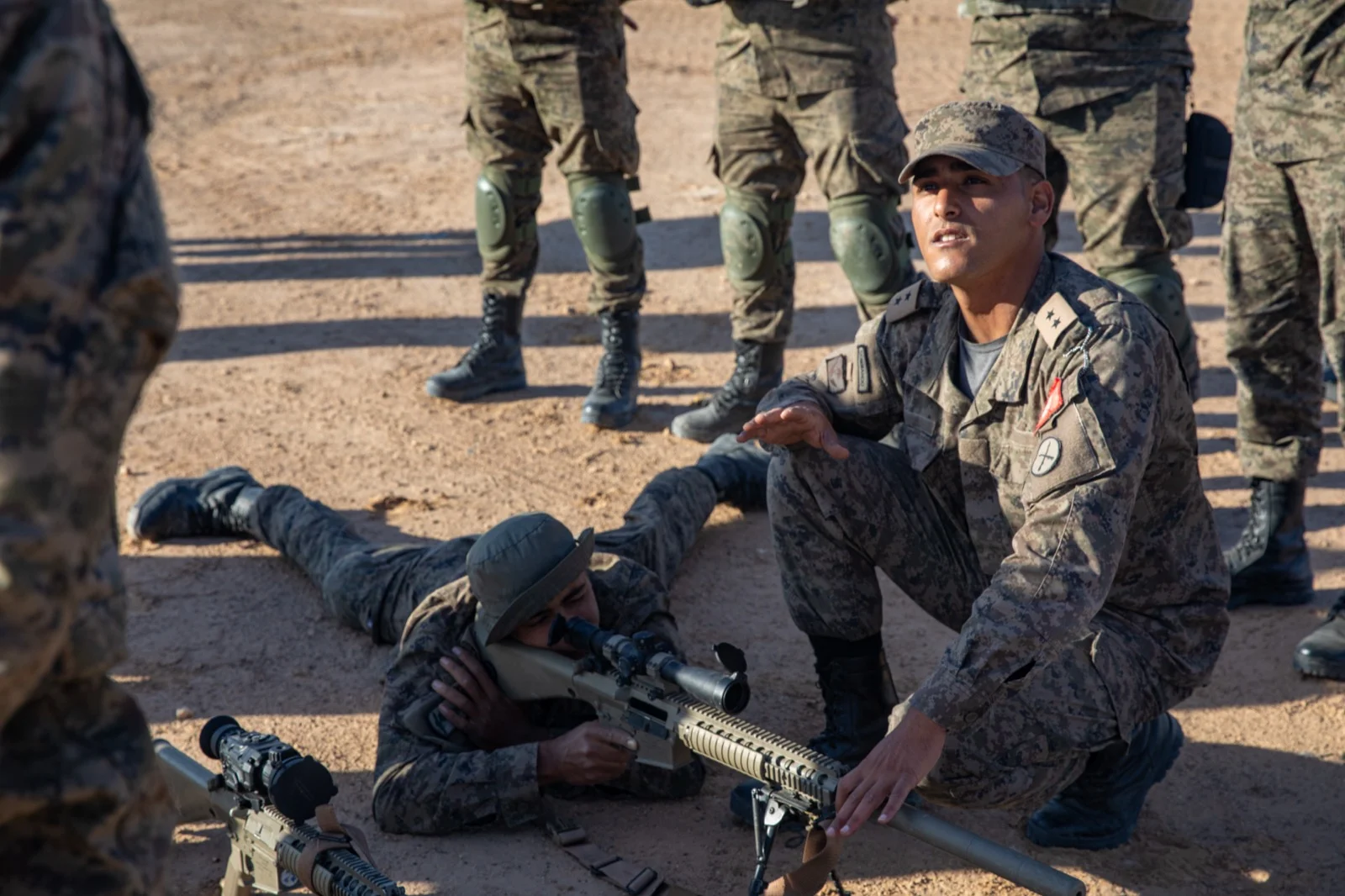
Tunisia runs a modest but professional navy on the southern Mediterranean shore. Its most notable units are a former US Oliver Hazard Perry-class frigate and Chinese-built patrol vessels — the mixed Western and Eastern sourcing that characterises most North African inventories. The operational burden is not war but migration and smuggling: the waters off Sfax are among the busiest irregular crossing routes to Europe, and the Tunisian coast guard receives European Union financial and technical support to police them. That mission has pushed capability development away from combatants and toward surveillance radar, maritime patrol aircraft and fast response boats. Continued instability in Libya spilling into the maritime domain remains Tunis’s standing threat assessment, and the country keeps participating in joint exercises under NATO’s Mediterranean Dialogue.
Benchmark: Tunisia is one of only four countries here with a frigate — but a single hull against Egypt’s thirteen.
| Power Element | Figure |
|---|---|
| Total naval assets | 37 |
| Frigates | 1 |
| Corvettes | 1 |
| Submarines | 0 |
| Defence budget | $2.17bn |
Next we reach the navies that operate submarines.
South Africa
South Africa operates the most technically capable navy in sub-Saharan Africa. Its German-designed Valour-class (MEKO A-200SAN) frigates and Heroine-class (Type 209) submarines put Pretoria in a very small African club. Simon’s Town is strategically placed on the Cape route, whose importance rose again as large container ships began routing around Africa rather than through Suez. The problem is not the ships but the money behind them: a $2.88 billion defence budget cannot keep four frigates and three submarines fully operational. Submarine maintenance cycles have slipped, frigate sea days have fallen, and the loss of experienced technical personnel is eroding institutional memory. Financial difficulties at domestic primes such as Denel have further weakened the sustainment chain. South Africa is, in short, a navy that must now invest simply to keep the capability it already owns.
Benchmark: South Africa is one of only three African submarine operators — but its three boats are half of Algeria’s six.
| Power Element | Figure |
|---|---|
| Total naval assets | 63 |
| Frigates | 4 |
| Submarines | 3 |
| Corvettes | 0 |
| Defence budget | $2.88bn |
The next country puts a far larger fleet on the Atlantic shore.
Morocco
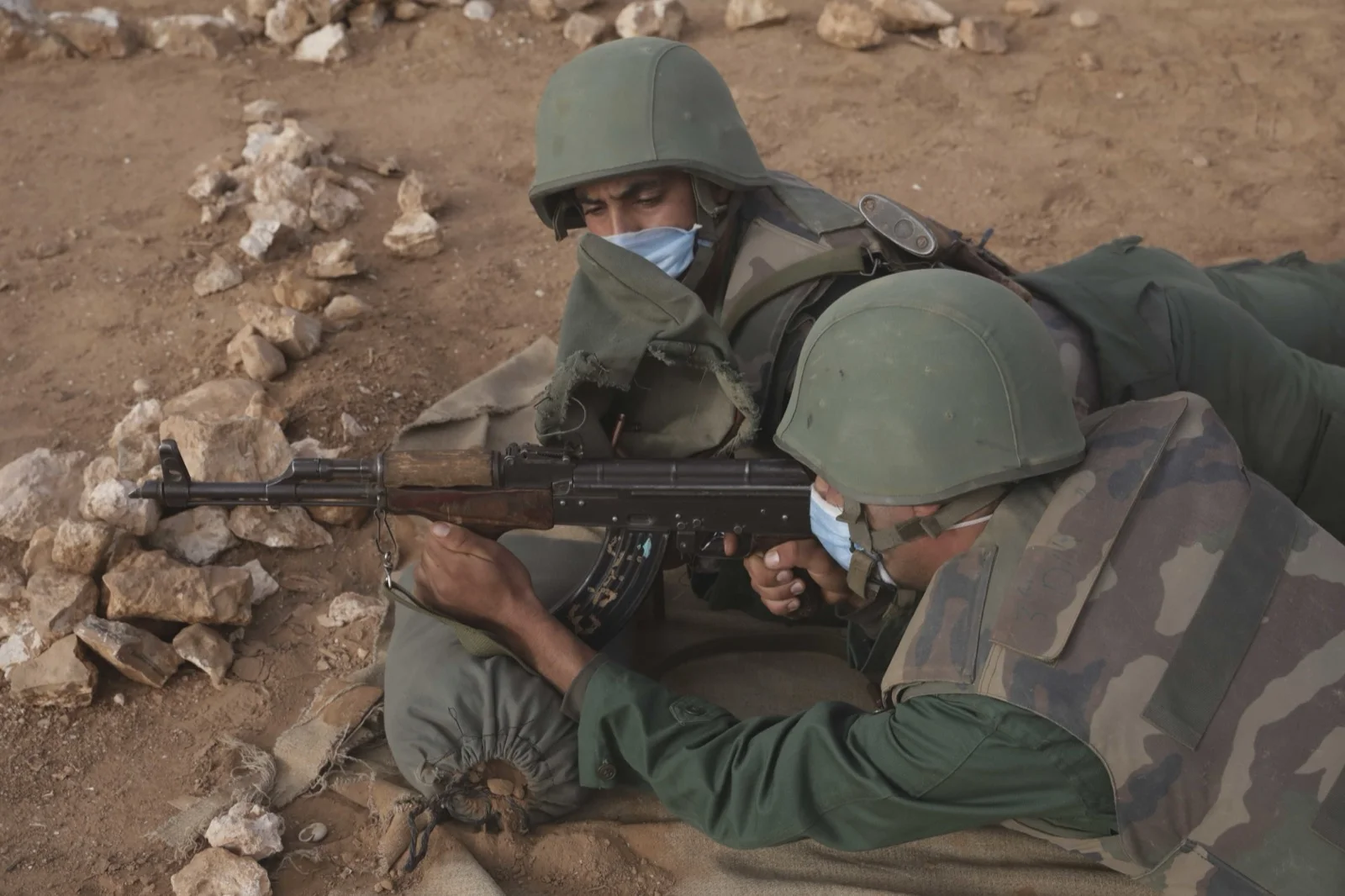
Morocco is one of the few African states with both Atlantic and Mediterranean coastlines, and its fleet is structured accordingly. The backbone is the French-built FREMM frigate Mohammed VI alongside Dutch SIGMA-class multipurpose frigates, armed with the Aster and Exocet families. Rabat’s naval doctrine rests on three pillars: controlling the southern shore of the Strait of Gibraltar, maintaining sea superiority along the Western Sahara littoral, and protecting fisheries and energy interests in the Atlantic. Procurement policy is deliberately plural — France, the Netherlands, the United States and Israel all supply Morocco, precisely so that no single vendor holds leverage. The long rivalry with Algeria links the two countries’ naval and air programmes directly to each other. The obvious gap is beneath the surface: Morocco operates no submarines at all, and that is its sharpest deficit against Algiers.
Benchmark: Morocco trails Algeria by 11 hulls — but the decisive gap is submarines: six to nil.
| Power Element | Figure |
|---|---|
| Total naval assets | 100 |
| Frigates | 6 |
| Corvettes | 1 |
| Submarines | 0 |
| Defence budget | $16.1bn |
Which brings us to the most heavily armed navy in North Africa.
Algeria
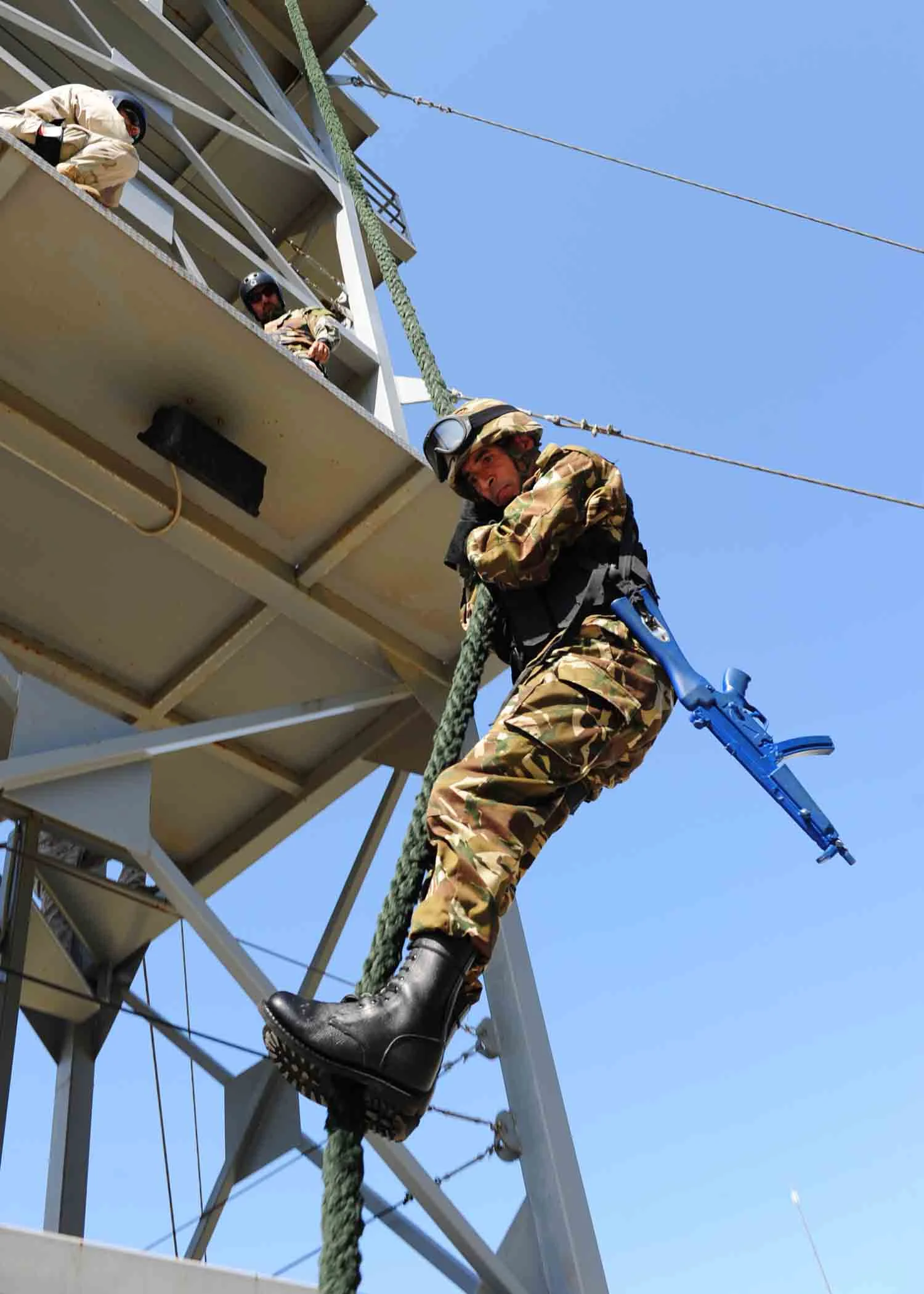
Algeria fields one of the most balanced and genuinely deterrent navies on the continent. Six Kilo-class submarines — some of them Kalibr-capable 636 variants — make Algiers Africa’s strongest undersea power and a real planning problem for anyone operating in the western Mediterranean. The surface fleet is a textbook case of diversified sourcing: Steregushchiy-derived corvettes from Russia, C28A corvettes from China, MEKO A-200AN frigates from Germany and the Kalaat Béni Abbès amphibious ship from Italy all serve together. That plurality buys political independence at the cost of a complicated maintenance, munitions and training chain. The $25 billion defence budget, among Africa’s largest, rests heavily on gas revenue. Doctrinally the drivers are the standing rivalry with Morocco and instability in the Sahel, with the naval component aimed at area denial in the western Mediterranean.
Benchmark: Algeria’s six submarines exceed the combined undersea fleets of every African state except Egypt and South Africa.
| Power Element | Figure |
|---|---|
| Total naval assets | 111 |
| Frigates | 8 |
| Corvettes | 8 |
| Submarines | 6 |
| Defence budget | $25bn |
Second place, however, beats even that submarine count.
Egypt
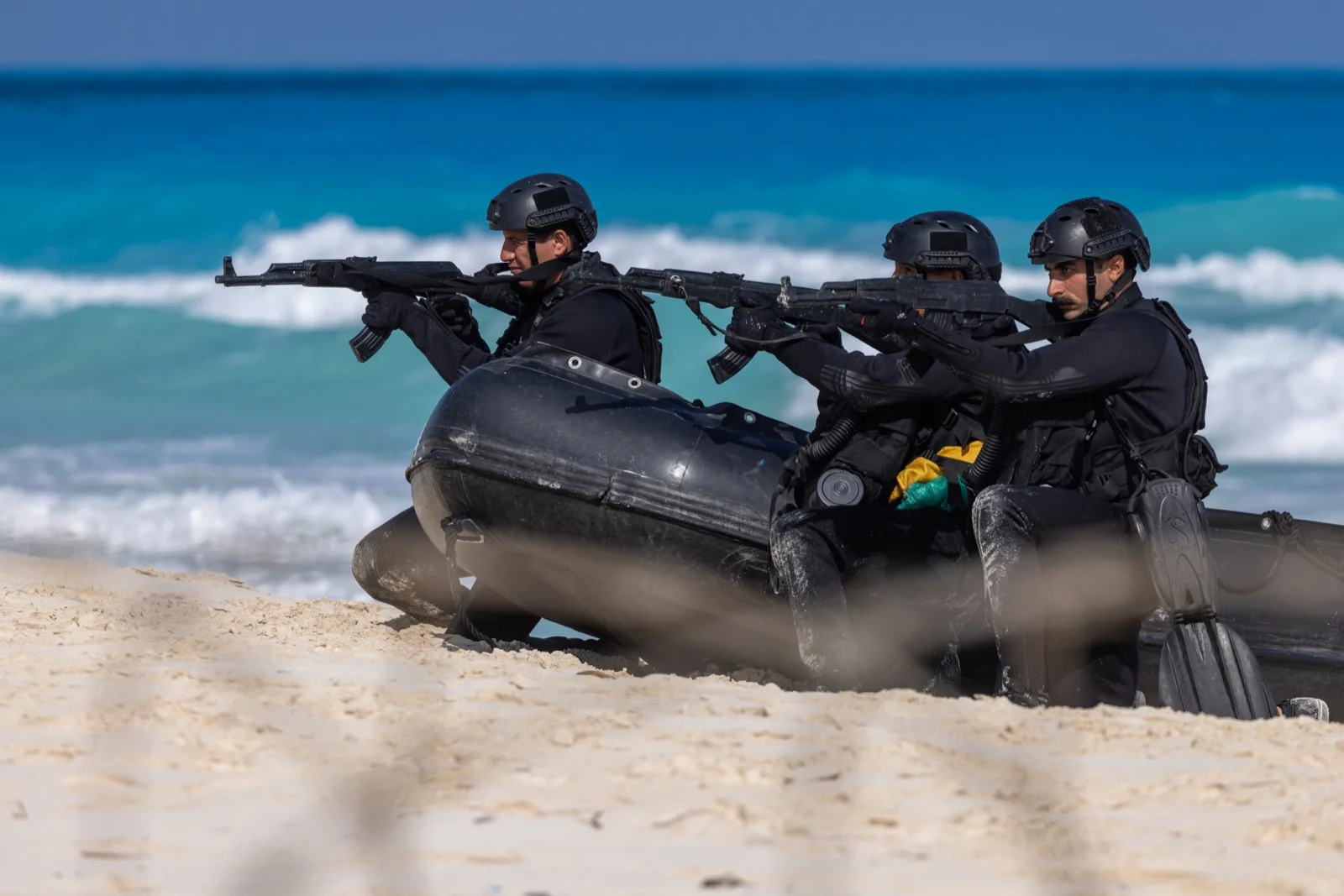
By quality, Egypt has Africa’s strongest navy by a wide margin. The inventory includes two French-built Mistral-class amphibious assault ships, the FREMM frigate Tahya Misr, Gowind 2500 corvettes, four German Type 209/1400 submarines and former US Oliver Hazard Perry frigates — a combination that makes Egypt the only African operator of helicopter carriers. The doctrine is imposed by geography: Egypt must keep fleets in the Mediterranean and the Red Sea simultaneously, and the Suez Canal linking them is a primary source of national revenue. Houthi attacks depressing canal traffic turned that into a direct economic security problem for Cairo. Eastern Mediterranean gas fields add another protection task. The vulnerability is sustainment: keeping a fleet of this sophistication running on a $5.19 billion defence budget is a heavy long-term burden, and readiness rather than inventory is the metric to watch.
Benchmark: Egypt’s 13 frigates outnumber the combined frigate fleets of the other nine countries on this list.
| Power Element | Figure |
|---|---|
| Total naval assets | 149 |
| Frigates | 13 |
| Corvettes | 7 |
| Submarines | 8 |
| Defence budget | $5.19bn |
So who is on top? The answer changes entirely when you count hulls rather than capability.
Nigeria
Africa’s numerically largest navy belongs to Nigeria — and that result says everything about how maritime security on the continent has changed. The Nigerian Navy is built not around heavy combatants but around hundreds of fast patrol boats, riverine craft and offshore patrol vessels. The reasoning is straightforward: the Gulf of Guinea spent years as the world’s piracy epicentre, and oil theft in the Niger Delta costs the country billions annually. Countering that requires many fast hulls, not a few expensive ones. The Deep Blue Project pulled unmanned aerial systems, surveillance aircraft, special forces detachments and naval units under a single command structure and drove reported piracy incidents down to historic lows — one of the most successful maritime security programmes anywhere in the past decade. Nigeria is also notable as a Turkish export customer: the Dearsan-built OPV-76 offshore patrol vessel is the first step in adding weight to the fleet.
Benchmark: Nigeria edges Egypt by three hulls overall — while trailing 1 to 13 in frigates.
| Power Element | Figure |
|---|---|
| Total naval assets | 152 |
| Frigates | 1 |
| Corvettes | 0 |
| Submarines | 0 |
| Defence budget | $3.9bn |
The Verdict
The headline conclusion is that African sea power is no longer measured in principal surface combatants. Nigeria tops the list with a single frigate; Egypt sits second with thirteen frigates, eight submarines and two amphibious assault ships. That is not a contradiction — it is two different definitions of the threat. Nigeria is fighting piracy and oil theft. Egypt is preparing for interstate conflict.
The second theme is the North African arms race. Algeria’s six Kilo-class boats, Morocco’s FREMM and SIGMA frigates and Egypt’s Mistrals account for most naval spending on the continent. The Algeria-Morocco rivalry produces a classic security dilemma in which every platform one side acquires lengthens the other’s shopping list, while Egypt is structurally obliged to maintain fleets in two seas at once.
The third theme is sub-Saharan Africa’s structural gap between owning ships and operating them. South Africa has the most capable frigate and submarine force on the continent, yet budget pressure has disrupted maintenance cycles and cut sea days. Angola runs Africa’s largest defence budget and cannot put a single principal combatant to sea. Acquisition is the easy part; sustainment chains and trained crews are not.
The fourth theme is where Türkiye fits. Turkish yards now sell new-build platforms to Africa rather than surplus hulls. The Dearsan-built OPV-76 delivered for Nigeria is the clearest example, alongside logistics support ship and patrol boat projects across the region. The appeal is concrete: shorter delivery timelines than Western equivalents, subsystems free of ITAR restrictions, training and maintenance packages bundled into the price, and modular designs that can be reconfigured to the buyer’s mission set. For a budget-limited navy that translates directly into more sea days per dollar.
Finally, the next decade will be decided by unmanned systems. The success of the Deep Blue Project showed that surveillance aircraft and unmanned platforms can outperform conventional hulls in a constabulary role, while the Red Sea demonstrated that cheap missiles and drones put expensive ships at genuine risk. For most African navies the right investment is probably not a handful of large combatants, but a persistent sensor network, fast response elements and the command-and-control architecture that binds them together.
Full Comparison Table
| # | Country | Total assets | Frigates | Submarines | Defence budget | Signature platform |
|---|---|---|---|---|---|---|
| 1 | Nigeria | 152 | 1 | 0 | $3.9bn | Deep Blue Project · Dearsan OPV-76 |
| 2 | Egypt | 149 | 13 | 8 | $5.19bn | Mistral LHD · FREMM · Type 209 |
| 3 | Algeria | 111 | 8 | 6 | $25.0bn | Kilo-class submarines · MEKO A-200AN |
| 4 | Morocco | 100 | 6 | 0 | $16.1bn | FREMM Mohammed VI · SIGMA |
| 5 | South Africa | 63 | 4 | 3 | $2.88bn | MEKO A-200SAN · Type 209 |
| 6 | Tunisia | 37 | 1 | 0 | $2.17bn | Oliver Hazard Perry · patrol vessels |
| 7 | Mozambique | 36 | 0 | 0 | $480m | HSI 32 fast interceptors |
| 8 | Angola | 32 | 0 | 0 | $31.2bn | Patrol craft |
| 9 | Kenya | 27 | 0 | 0 | $1.65bn | KNS Jasiri offshore patrol vessel |
| 10 | Eritrea | 23 | 0 | 0 | $219m | Patrol and fast attack craft |
A new ranking gallery tomorrow
Coming next: Israel versus Türkiye compared line by line, the armies of the Organization of Turkic States, and Europe’s strongest air forces.
Frequently Asked Questions
Which country has the most powerful navy in Africa?
By total naval assets Nigeria leads with 152. By ship quality and combat capability, Egypt is the strongest, with 13 frigates, 8 submarines and two amphibious assault ships.
Which African countries operate submarines?
Algeria (6), Egypt (8) and South Africa (3). No other African state operates an active submarine force.
Why does Nigeria have so many vessels?
Countering piracy in the Gulf of Guinea and oil theft in the Niger Delta requires large numbers of fast patrol craft rather than a few major combatants.
What does the Turkish defence industry sell to African navies?
The Dearsan OPV-76 offshore patrol vessel was exported to Nigeria; patrol boats, logistics support ships, coastal surveillance radars and unmanned systems are also in demand across the region.
Angola has the biggest budget — why is it only eighth?
Most of its $31.2 billion defence budget goes to land forces and personnel costs; the naval inventory still consists of small patrol assets.
Where does this data come from?
The ranking uses Global Firepower’s 2026 dataset; doctrinal and modernisation analysis is envantermedya’s editorial assessment.
Sources
- Global Firepower 2026 — country profiles and naval inventory pages
- IMB Piracy Reporting Centre annual reports
- SIPRI Military Expenditure and Arms Transfers databases
- IISS The Military Balance
- Official statements from the defence ministries and naval staffs concerned
- Source: https://www.globalfirepower.com/ (2026 Military Strength Ranking)