Europe’s 10 Largest Helicopter Fleets in 2026

The helicopter is the most heavily used and least discussed platform in any modern army. Fighters make headlines and tanks look good on parade, but rotary wings carry the bulk of the daily workload: casualty evacuation, troop movement, anti-submarine patrol, search and rescue, reconnaissance and close fire support all run on the same family of airframes.
In Europe the size of that inventory tracks geography closely. Mountainous terrain, long coastlines, island chains and dense forest all push a country toward rotary wing. Layered on top of that is the defining debate of recent years: the war in Ukraine exposed how fragile helicopters are against dense modern air defence, and it has sent every European army back to its doctrine.
So which countries operate Europe’s largest helicopter fleets? Are Germany and the United Kingdom in the top three, where does Greece land — and what position does Türkiye hold? The countdown starts at ten.
The ranking uses total helicopter inventory from GlobalFirepower’s 2026 dataset, covering attack, transport, training and naval types. Russia and Türkiye are included here as European powers.
#10Ukraine
Total helicopter inventory
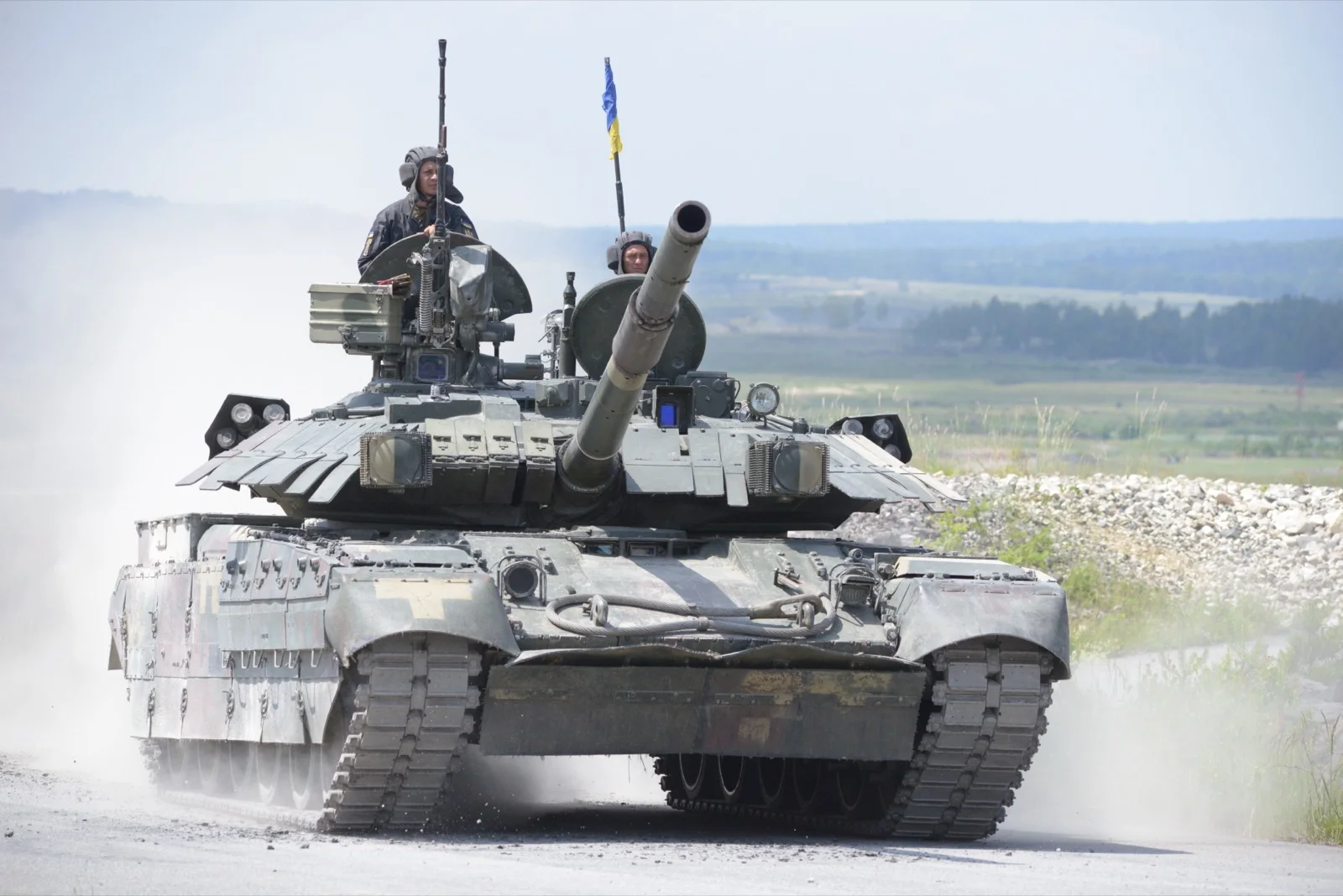
No line in Ukraine’s inventory has changed more sharply since February 2022. A fleet built largely on Soviet-legacy Mi-8, Mi-24 and Mi-17 airframes took heavy losses and has been patched with donations from Western partners. Today it mixes French SA342 Gazelles, Mi-17s transferred by the United States and Mi-8 variants handed over by several Eastern European states.
The war’s central lesson for Ukrainian aviators is that a helicopter can no longer fly freely above modern air defence. The widely filmed lofted rocket attacks — crews pitching the nose up and lobbing unguided rockets on a ballistic arc without ever seeing the target — are a direct consequence. Ukraine has handed most of the classic attack helicopter mission to drones and loitering munitions.
Helicopters are now used mainly for logistics, medical evacuation and special forces insertion. Spares remain a chronic problem: with the Russian supply chain closed, maintenance for Soviet-origin types depends on ageing plants elsewhere in Eastern Europe. Post-war reconstruction is expected to move the fleet onto Western standards.
Ukraine fields one of the largest standing armies on this list at 900,000 personnel — and the smallest helicopter fleet.
| Capability | Total |
|---|---|
| Helicopters | 140 |
| Total aircraft | 347 |
| Tanks | 1,121 |
| Active personnel | 900,000 |
| Defence budget | $45.0 bn |
One place higher is a country that built its fleet almost entirely on European co-production.
#9Spain
Total helicopter inventory
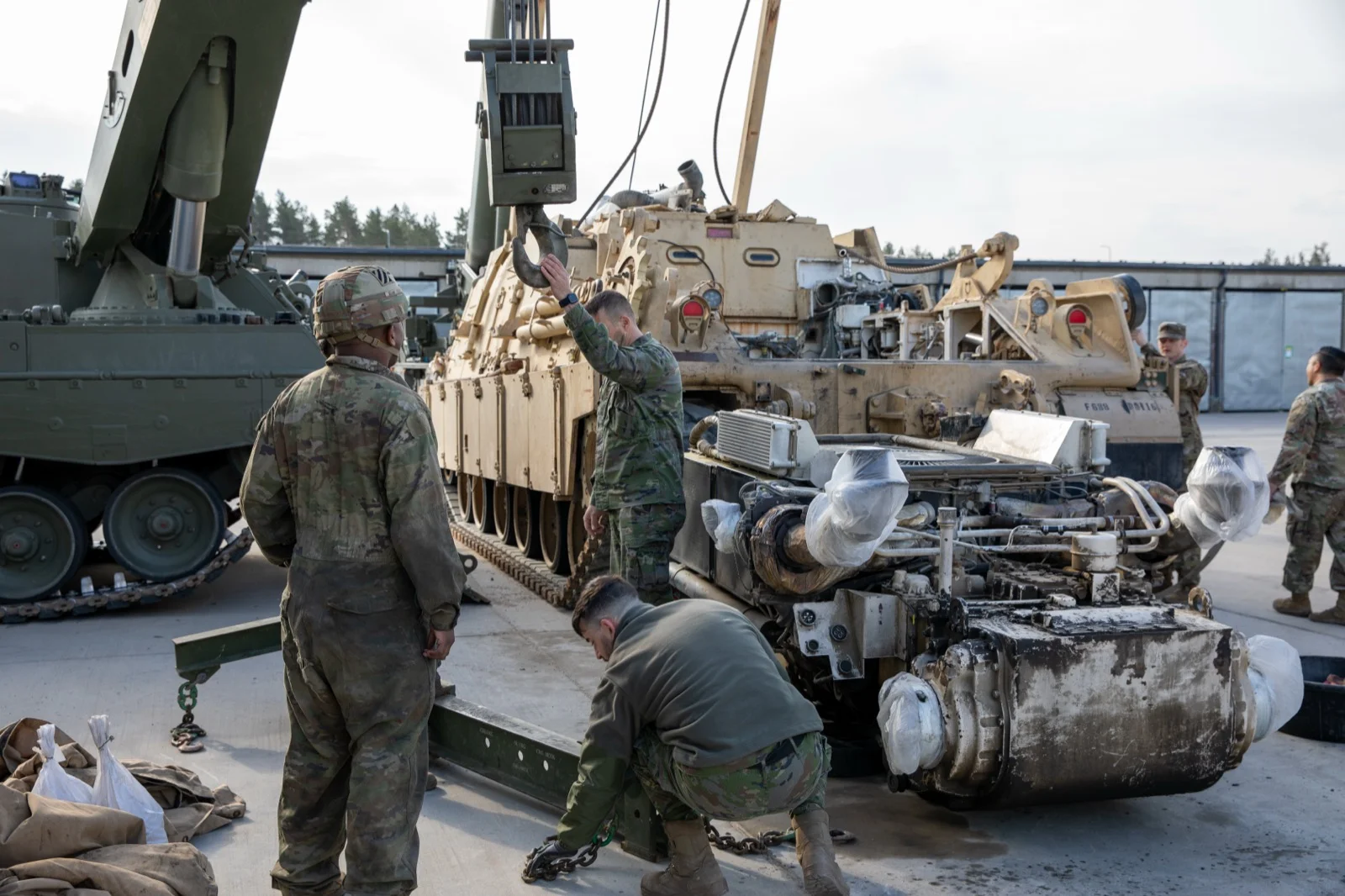
Spain’s fleet is one of the purest expressions of the European co-production model. Airbus Helicopters products form its backbone — the NH90 transport, the Tiger attack helicopter and EC135 trainers — and a significant share is assembled with domestic content at the Albacete plant, giving Spain a lasting industrial return on the purchase.
Geography shapes the mix. More than 5,000 kilometres of coastline, the Balearic and Canary Islands and the obligation to reach Ceuta and Melilla in North Africa make naval helicopters critical. The amphibious assault ship Juan Carlos I, able to operate helicopters and AV-8B Harriers together, sits at the centre of that capability.
Spain is also among Europe’s heaviest users of helicopters for wildfire response; the military fleet is called into civil protection duty every summer. A defence budget lifted to $39 billion has funded the Tiger upgrade to Mk III standard and completion of NH90 deliveries, though Spain still sits mid-table in Europe for attack helicopter numbers.
Spain fields 29 more helicopters than Ukraine while supporting roughly one-seventh the personnel.
| Capability | Total |
|---|---|
| Helicopters | 169 |
| Total aircraft | 440 |
| Tanks | 298 |
| Active personnel | 121,802 |
| Defence budget | $39.0 bn |
The next entry has run Europe’s largest arms procurement programme of the past five years.
#8Poland
Total helicopter inventory
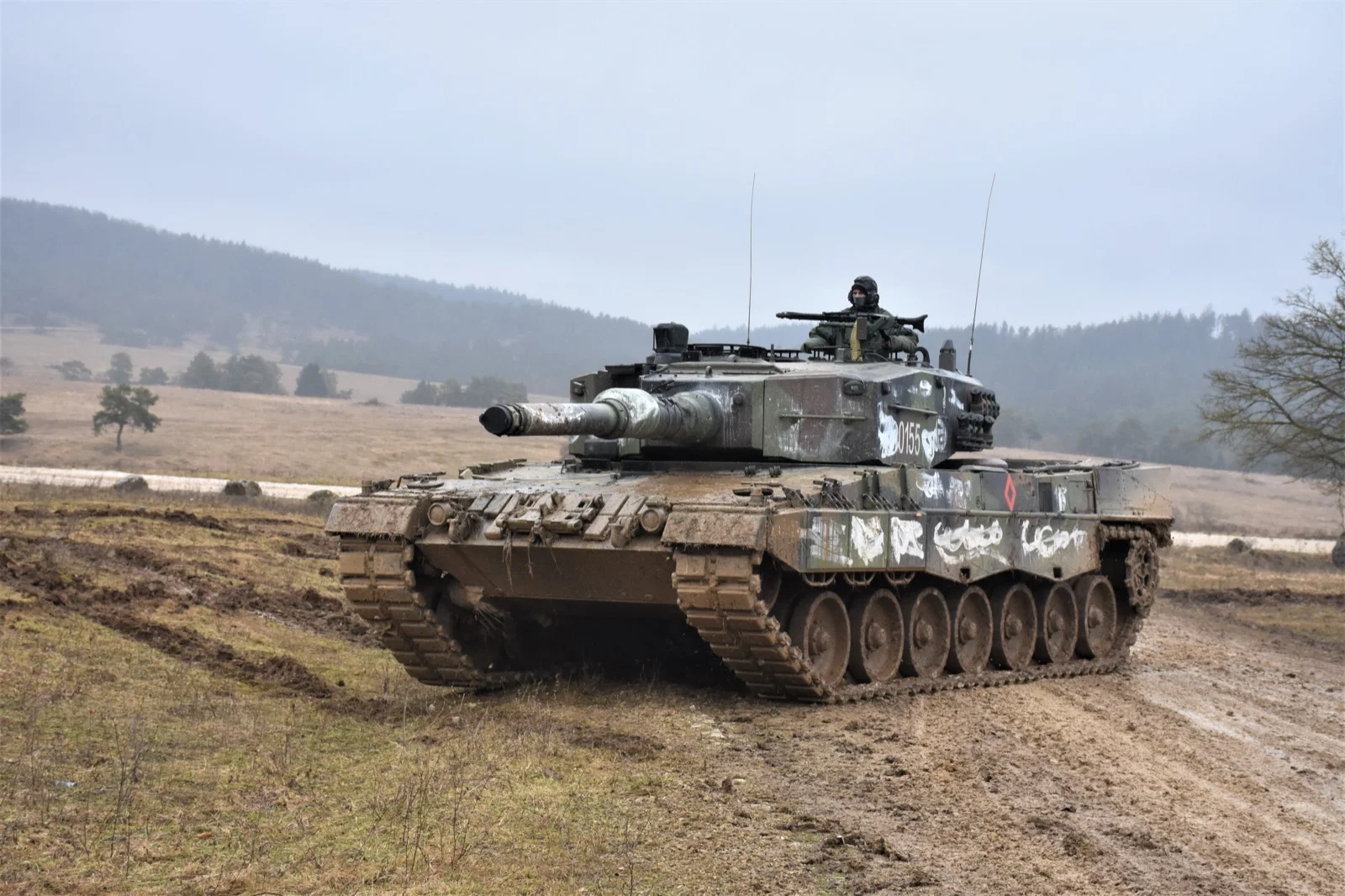
Poland holds the fastest-changing inventory on this list. For years it made do with Soviet-legacy Mi-8, Mi-17 and Mi-24 airframes; those are now being retired en masse. In their place come 96 AH-64E Apache Guardians from the United States, S-70i Black Hawks and AW101 naval helicopters. The Apache order alone is the largest attack helicopter purchase in Europe.
The strategic logic is explicit. Positioned on the Russian and Belarusian border, Poland needs fast manoeuvre assets that give its land battle depth. The Apache fleet is planned as a flying anti-armour screen above an armoured force of K2 and Abrams tanks. The Black Hawks are built at the PZL plant in Mielec, so part of the money flows straight back into Polish industry.
Poland’s $55.87 billion defence budget is Europe’s fourth largest and, as a share of GDP, the highest in NATO. That funding will grow the helicopter fleet substantially over the next five years. Warsaw’s goal is plainly stated: to field Europe’s strongest land army, with rotary wing as one of its load-bearing elements.
Poland passes Spain on helicopters and fields 798 tanks — more armour than the two Western European countries below it combined.
| Capability | Total |
|---|---|
| Helicopters | 224 |
| Total aircraft | 457 |
| Tanks | 798 |
| Active personnel | 250,000 |
| Defence budget | $55.87 bn |
The next country’s fleet has shrunk — while its average capability has risen.
#7United Kingdom
Total helicopter inventory
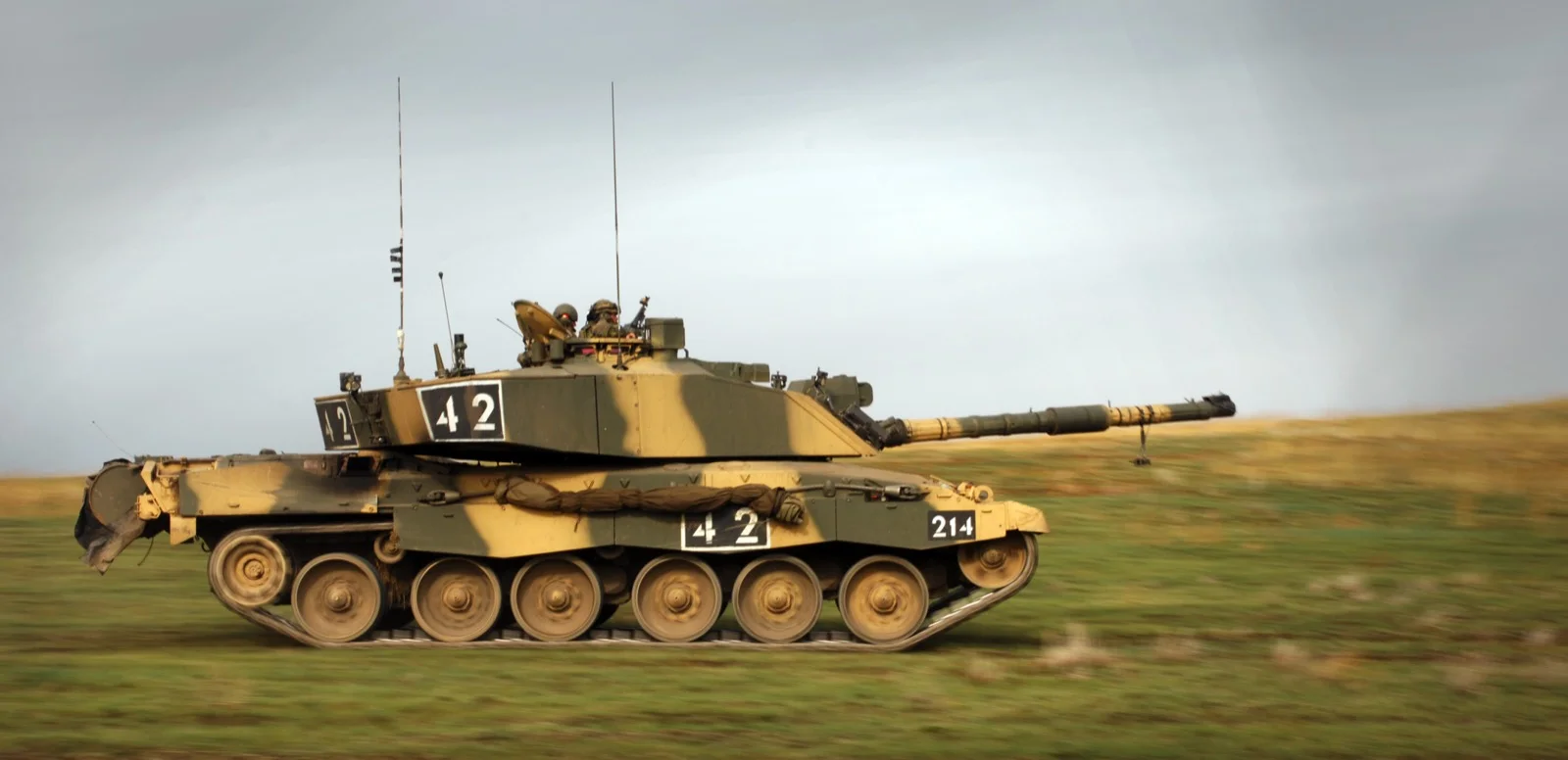
The United Kingdom’s rotary fleet has contracted noticeably over fifteen years while the capability of what remains has climbed. The backbone is the AH-64E Apache, the Chinook heavy lift fleet, the Merlin in the anti-submarine role and the Wildcat. Britain’s Chinook force is the largest in Europe and gives London a heavy logistics reach none of its European allies can match.
The naval side is particularly strong. Merlin HM2s fly from the Queen Elizabeth-class carriers on submarine hunting and early warning duty; the Crowsnest-equipped variants give the task group airborne early warning, a capability only two European navies hold.
On the land side, numerical depth has gone. Retiring the Puma without a timely decision on its medium-lift successor has left a tactical transport gap the British Army is covering with Chinook and Wildcat for now. With most of the $88.53 billion budget committed to carriers and submarines, helicopter renewal is queueing behind them.
The UK fields 38 more helicopters than Poland — a lead that will disappear once the Polish Apache order is delivered.
| Capability | Total |
|---|---|
| Helicopters | 262 |
| Total aircraft | 625 |
| Tanks | 288 |
| Active personnel | 141,330 |
| Defence budget | $88.53 bn |
Entering the top six, there is an unexpected name on the list.
#6Greece
Total helicopter inventory
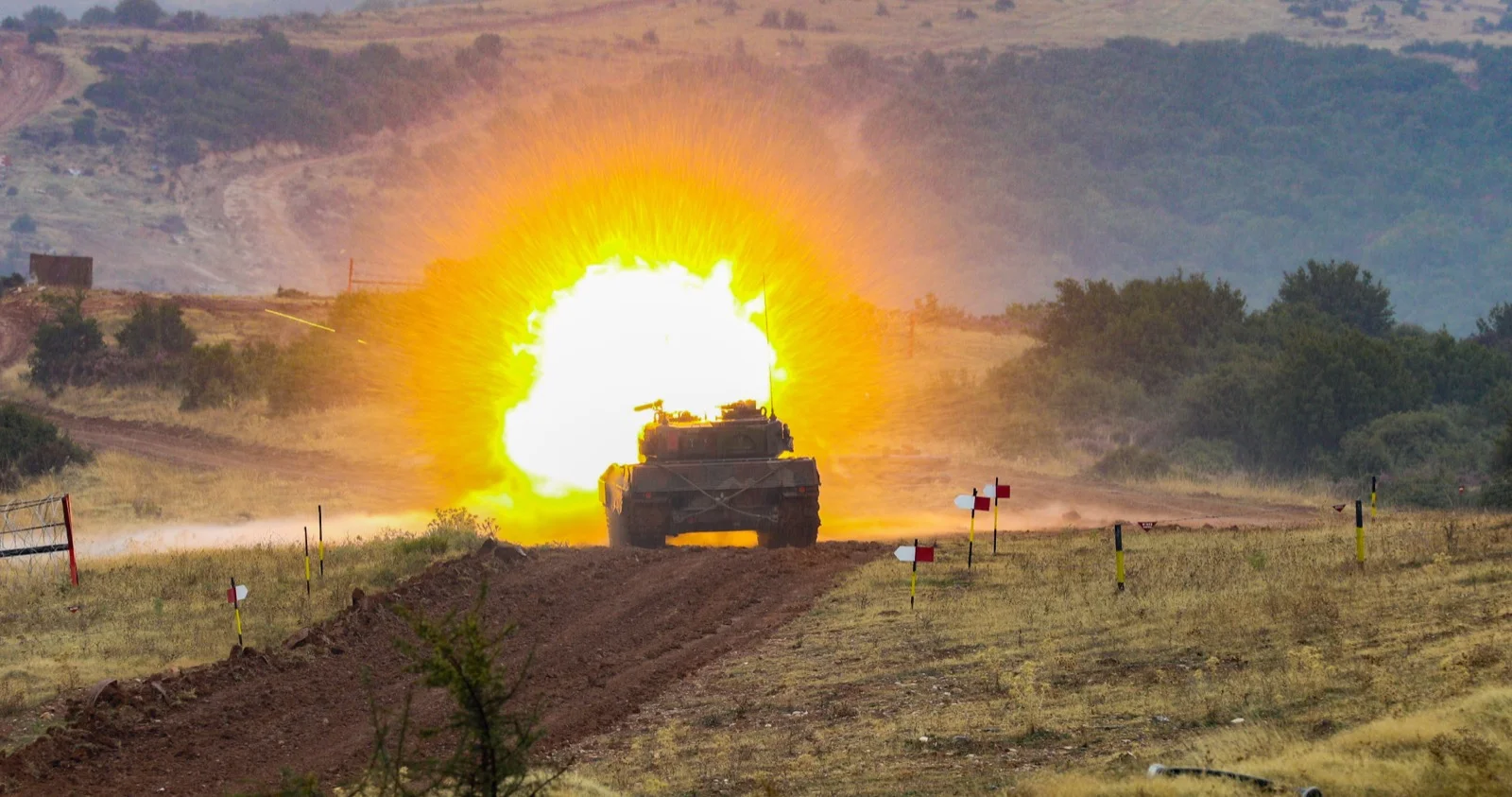
Greece spends $8.24 billion on defence, among the lowest figures on this list, yet ranks sixth for helicopters. The explanation is fleet age: much of the inventory dates from the 1990s and early 2000s and now carries a heavy sustainment burden.
The core consists of AH-64A/D Apaches, UH-1 Hueys, CH-47 Chinooks and NH90 transports. There is a concrete reason for the investment: thousands of islands scattered across the Aegean and Ionian Seas. In that geography, rapid troop movement is only possible by rotary wing, and Athens has built its force planning around that fact.
Readiness has become a public debate in Greece, with persistent reporting on low availability in the NH90 fleet and delays to the Apache upgrade. After the Rafale and Belharra frigate contracts signed with France, the bulk of available funding went to air and naval platforms; helicopter renewal was pushed back.
Greece operates 23 more helicopters than the United Kingdom — on less than a tenth of the British defence budget.
| Capability | Total |
|---|---|
| Helicopters | 285 |
| Total aircraft | 560 |
| Tanks | 1,344 |
| Active personnel | 142,700 |
| Defence budget | $8.24 bn |
Next is the country with Europe’s largest defence budget — ranked only fifth for helicopters.
#5Germany
Total helicopter inventory
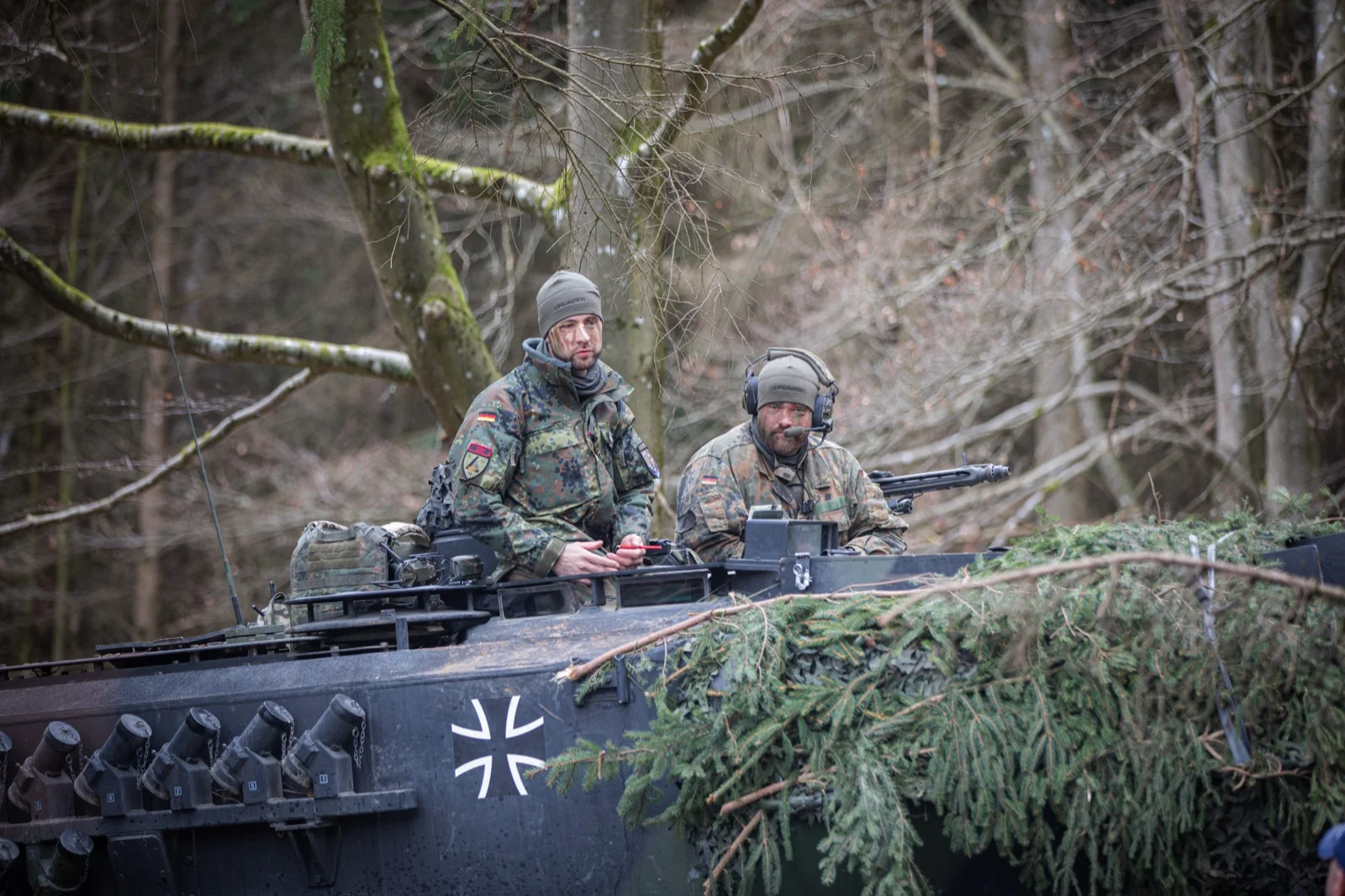
Germany runs Europe’s largest defence budget and still places fifth here. The reason is not money but years of readiness problems: availability rates in the Bundeswehr’s NH90 and Tiger fleets were a running domestic controversy for the better part of a decade.
Berlin has chosen to solve it at the root. The Tiger will be phased out in favour of more than 60 Boeing AH-64E Apache Guardians, and 60 CH-47F Chinooks have been ordered to replace a CH-53G fleet decades old. Both decisions mark a deliberate shift from European co-production toward off-the-shelf American platforms.
The naval side stays European, with the NH90 Sea Tiger and Sea Lion. That split will define the Bundeswehr’s rotary fleet for the next decade. The $127.4 billion budget is more than adequate to fund the transition; the binding constraints are delivery schedules and pilot training throughput.
Germany fields just seven more helicopters than Greece — on fifteen times the defence budget.
| Capability | Total |
|---|---|
| Helicopters | 292 |
| Total aircraft | 569 |
| Tanks | 296 |
| Active personnel | 184,324 |
| Defence budget | $127.40 bn |
In the top four, the countries that build their own helicopters come to the front.
#4Italy
Total helicopter inventory
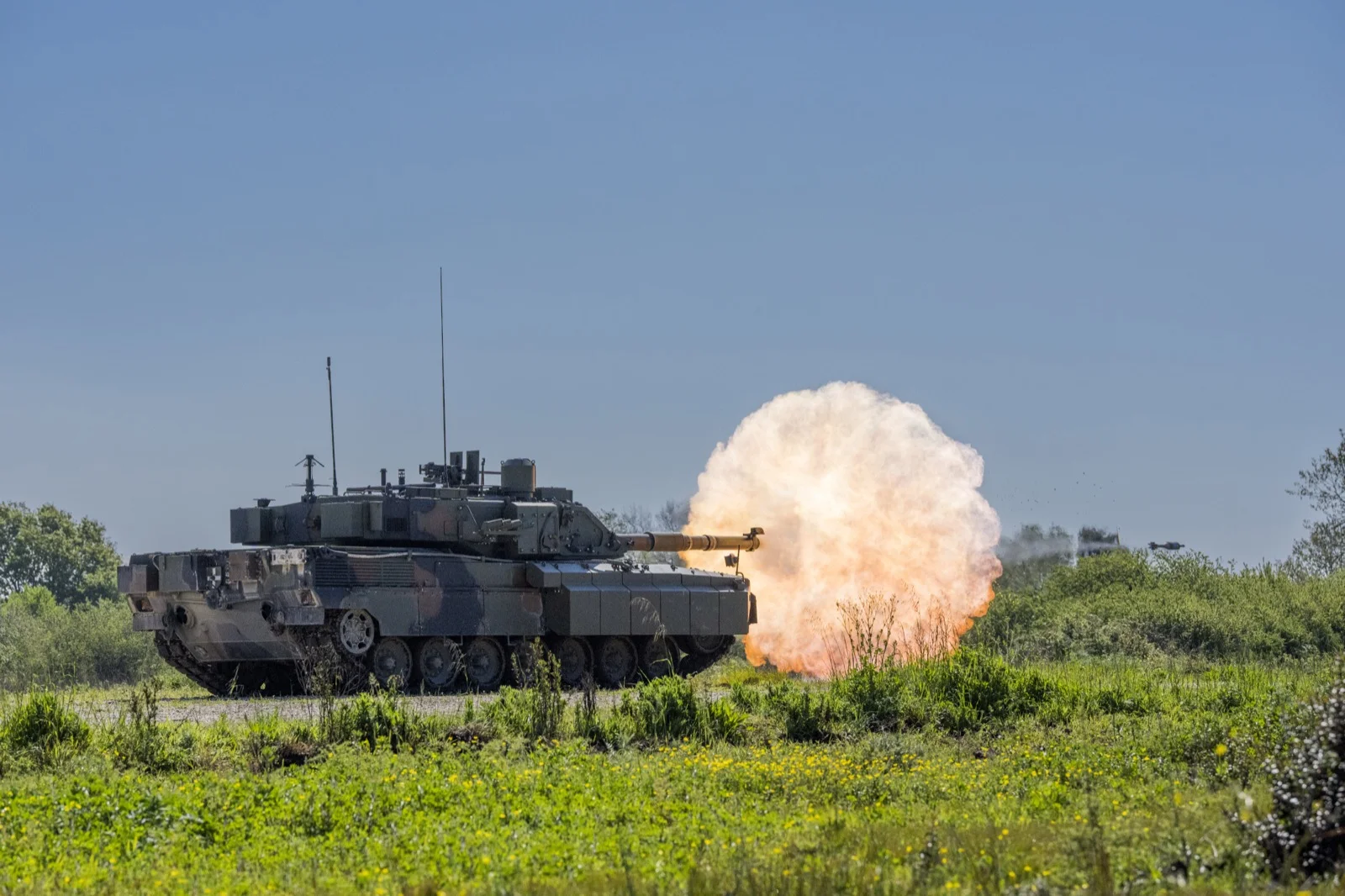
Behind Italy’s inventory sits an industrial story: Leonardo. One of the world’s largest helicopter manufacturers, it supplies the Italian armed forces with the AW101, AW139, AW149 and AW169 families while competing globally with Airbus and Sikorsky. Italy largely equips itself from its own production lines.
The naval dimension is strong. The carrier Cavour and the amphibious assault ship Trieste give the Italian navy a permanent rotary presence in the Mediterranean. AW101 anti-submarine helicopters, NH90 naval variants and the SH-90 fleet patrol some of the busiest submarine water in Europe, and Italy leans heavily on helicopters for migration and counter-terrorism operations toward Libya and the Sahel.
On the land side the next-generation AW249 Fenice attack helicopter is in development as successor to the A129 Mangusta, extending the decision to stay domestic into the attack category. One imbalance stands out: Italy operates 352 helicopters against just 203 tanks — more rotary aircraft than armour.
Italy fields 60 more helicopters than Germany, and 149 more helicopters than it has tanks.
| Capability | Total |
|---|---|
| Helicopters | 352 |
| Total aircraft | 714 |
| Tanks | 203 |
| Active personnel | 165,500 |
| Defence budget | $37.33 bn |
Third place goes to one of the first European countries ever to build an attack helicopter.
#3France
Total helicopter inventory
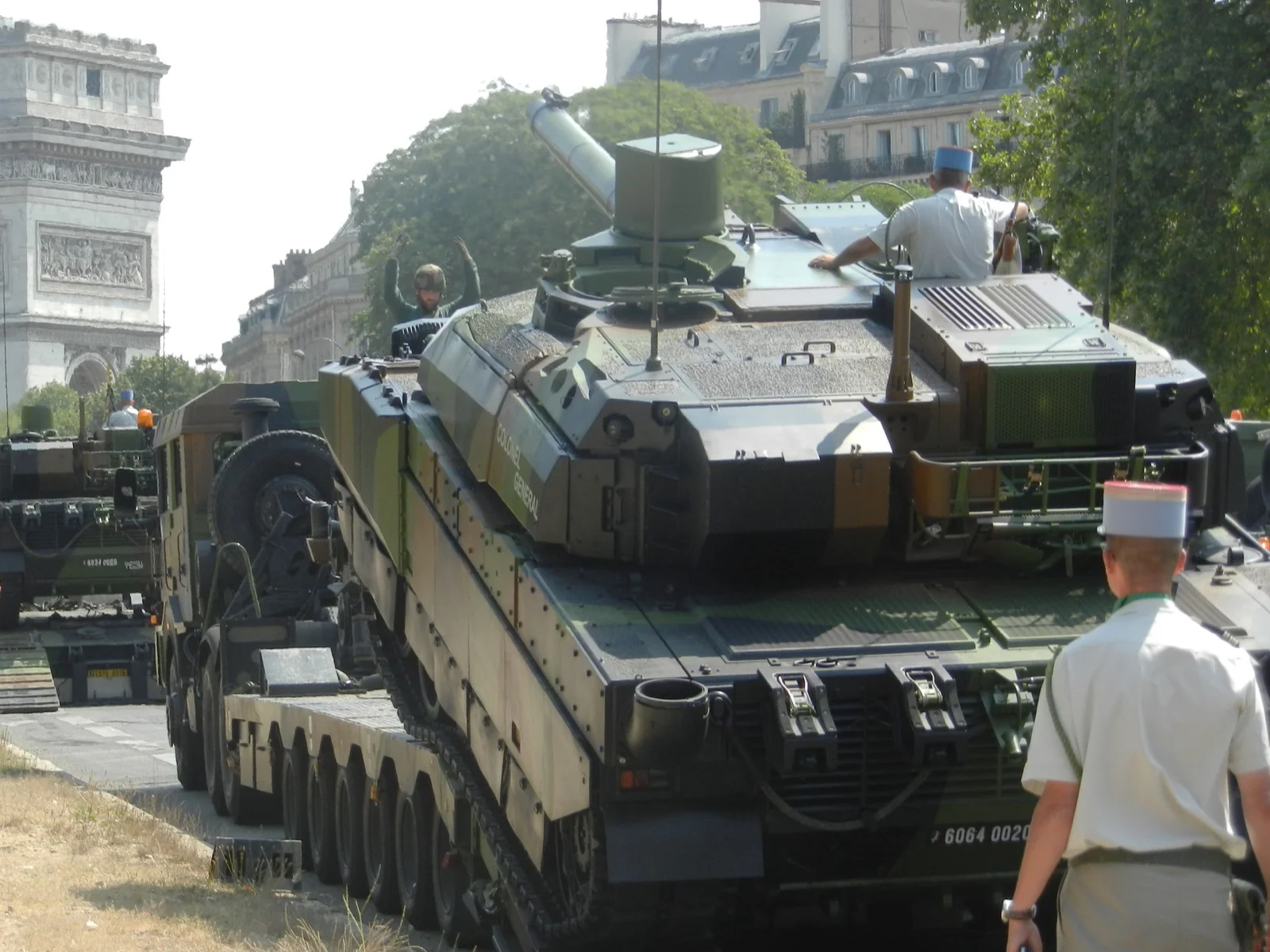
France is the centre of European helicopter manufacturing. Airbus Helicopters’ main lines sit at Marignane, and the Tiger, NH90 Caiman, Caracal and Gazelle families form the backbone of the French forces. That gives Paris the freedom to renew its fleet on its own timetable.
In French doctrine the helicopter is the enabler of expeditionary operations. Years of Operation Barkhane in the Sahel tested the Tiger and Caracal fleets hard in desert conditions, and that experience shaped French maintenance and sustainment practice directly. Overseas territories — Guyana, Réunion, New Caledonia — make rotary wing a logistical necessity rather than a choice.
The largest ongoing programme is the H160M Guépard, a single light type intended to replace four platforms across the army, navy and air force and cut sustainment costs sharply. The Tiger is moving to Mk III standard in parallel. France’s 452 helicopters outnumber its 427 tanks — the same pattern seen in Italy, and a sign that European armies are shifting from massed armour toward manoeuvre and depth.
France fields 100 more helicopters than Italy and nearly as many as Germany and the United Kingdom combined.
| Capability | Total |
|---|---|
| Helicopters | 452 |
| Total aircraft | 974 |
| Tanks | 427 |
| Active personnel | 264,000 |
| Defence budget | $67.23 bn |
Second place belongs to a country that now builds most of its own rotary fleet.
#2Türkiye
Total helicopter inventory
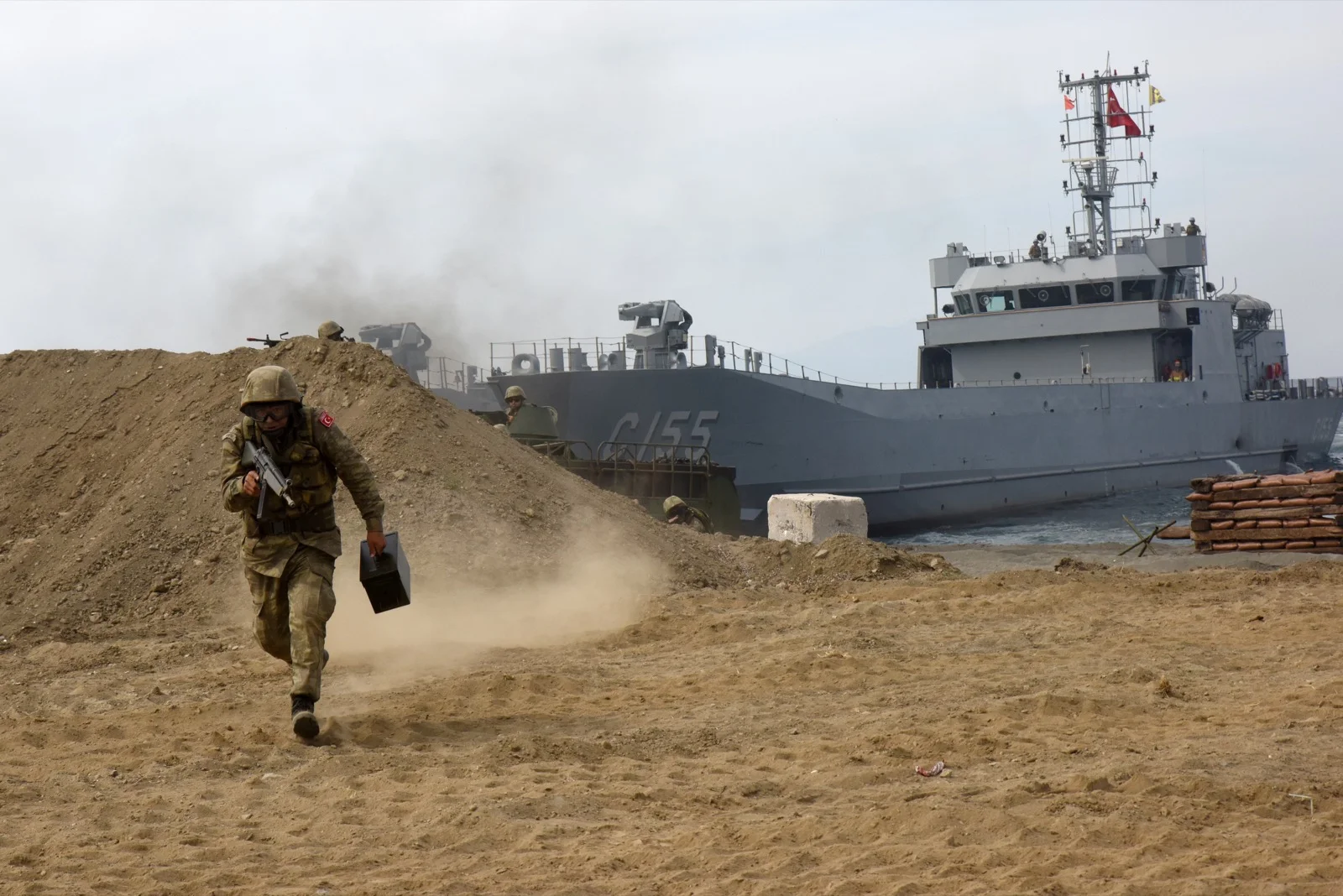
Türkiye operates Europe’s second-largest rotary fleet at 509 aircraft, ahead of France by 57 and Germany by 217. What matters as much as the size is how the composition has changed over a decade. A fleet once dominated by UH-1s, AB-205s and S-70 Black Hawks is now increasingly fed by domestic platforms.
TUSAŞ sits at the centre of that shift. The T129 ATAK attack helicopter is operational and has recorded a first export success with deliveries to the Philippines. The T625 GÖKBEY utility helicopter is progressing through certification powered by the indigenous TS1400 turboshaft, with military and civil variants in preparation. The T929 ATAK-2, a 10-tonne heavy attack helicopter, places Türkiye among the handful of countries able to build in that class at all.
There is a clear operational rationale behind the investment. The mountainous terrain of eastern and south-eastern Anatolia, the depth of cross-border operations and a long coastline on two seas all demand rotary wing. At sea, S-70B Seahawks and a new generation of naval helicopters operating alongside TCG Anadolu give Türkiye a persistent airborne anti-submarine capability in the Mediterranean.
Türkiye fields 57 more helicopters than France, 217 more than Germany and 224 more than Greece — no European state outside Russia comes close.
| Capability | Total |
|---|---|
| Helicopters | 509 |
| Total aircraft | 1,101 |
| Tanks | 2,284 |
| Active personnel | 481,000 |
| Defence budget | $51.40 bn |
The country at the top operates more than three times as many helicopters as Türkiye.
#1Russia
Total helicopter inventory
With 1,643 helicopters, Russia operates not only Europe’s largest rotary fleet but the second largest in the world after the United States. The number reflects an enormous production base inherited from the Soviet era and a military tradition that gives the helicopter a central doctrinal role.
The Mi-8/Mi-17 family forms the backbone — the most-produced helicopter in history and the logistical spine of the Russian army. On the attack side sit the Mi-24/Mi-35 series, the Ka-52 Alligator and the Mi-28N Night Hunter. The Ka-52’s coaxial rotor layout, dispensing with a tail rotor entirely, gives it agility that makes it the most distinctive airframe in the inventory.
The war in Ukraine has tested that fleet severely. The density of man-portable air defence forced Russian crews into very low altitudes and short exposure times, and losses have been substantial. Russia is replacing them by activating stored airframes and accelerating production, but sanctions bite hardest in avionics and electro-optics. The scale of the inventory is beyond dispute; its readiness rate is not.
Russia’s helicopter fleet is larger than the combined total of the nine countries ranked two to ten.
| Capability | Total |
|---|---|
| Helicopters | 1,643 |
| Total aircraft | 4,237 |
| Tanks | 5,630 |
| Active personnel | 1,320,000 |
| Defence budget | $212.64 bn |
Türkiye’s 509 helicopters answer three requirements stacked on top of one another: high-altitude operations in mountainous terrain, surveillance of a long coastline on two seas, and rapid movement in cross-border operations. No single platform covers all three.
The real difference is the procurement model. A growing share of the fleet is now built at home. The T129 ATAK has been proven in service and exported; the T625 GÖKBEY breaks dependency at engine level with the indigenous TS1400; the T929 ATAK-2 moves Türkiye into the small club of heavy attack helicopter producers. That model reduces embargo exposure and keeps sustainment and upgrade spending inside the country.
The contrast is sharp. Germany and the United Kingdom chose to import their attack helicopters; Türkiye developed its own and now exports it. France and Italy followed a similar industrial path — the difference is how much faster Türkiye covered the distance.
Where Europe’s rotary balance is heading
The first surprise in this table is that Germany, with Europe’s largest defence budget, ranks only fifth. The budget is new and the aircraft have not arrived. Helicopters carry one of the longest gaps between order and delivery of any platform — typically five to seven years — so today’s contracts reshape the table only toward the end of the decade. Once the German Apache and Chinook orders land, this ranking will move.
The second reading is that industrial ownership decides outcomes. Russia, Türkiye, France and Italy, the top four, all build their own helicopters. Producers can sustain larger fleets because maintenance and upgrade money stays at home and an open production line allows incremental renewal as airframes age. Importers hit a budget and schedule wall at every renewal cycle.
Third, geography still rules. Greece placing sixth on an $8.24 billion budget is no accident; an island archipelago makes rotary wing compulsory. Italy’s Mediterranean responsibilities and France’s overseas territories inflate their inventories the same way. In land-border states such as Poland, by contrast, the helicopter is positioned as an adjunct to armour.
Fourth is the doctrinal argument Ukraine opened. Under dense air defence the classic tank-killing role of the attack helicopter is being questioned, and several European armies are studying how much of that mission to hand to unmanned systems. But for transport, evacuation, submarine hunting and search and rescue there is still no substitute. Inventories are not shrinking; their composition is changing.
The final reading concerns Türkiye. Setting Russia aside, Europe’s largest helicopter fleet is Turkish — and it is not an ageing one. The T129 ATAK is operational, the T625 GÖKBEY is in certification and the T929 ATAK-2 is in test. Over the next decade the Turkish rotary inventory will grow in size and in domestic content at the same time. No other European country is currently managing both.
Comparison table: Europe’s ten largest helicopter fleets (2026)
| # | Country | Helicopters | Aircraft | Tanks | Active personnel | Defence budget |
|---|---|---|---|---|---|---|
| 1 | Russia | 1,643 | 4,237 | 5,630 | 1,320,000 | $212.64 bn |
| 2 | Türkiye | 509 | 1,101 | 2,284 | 481,000 | $51.40 bn |
| 3 | France | 452 | 974 | 427 | 264,000 | $67.23 bn |
| 4 | Italy | 352 | 714 | 203 | 165,500 | $37.33 bn |
| 5 | Germany | 292 | 569 | 296 | 184,324 | $127.40 bn |
| 6 | Greece | 285 | 560 | 1,344 | 142,700 | $8.24 bn |
| 7 | United Kingdom | 262 | 625 | 288 | 141,330 | $88.53 bn |
| 8 | Poland | 224 | 457 | 798 | 250,000 | $55.87 bn |
| 9 | Spain | 169 | 440 | 298 | 121,802 | $39.0 bn |
| 10 | Ukraine | 140 | 347 | 1,121 | 900,000 | $45.0 bn |
A new ranking tomorrow
Coming next: Africa’s biggest defence budgets, the Middle East’s largest standing armies and the European countries Türkiye has overtaken.
Frequently Asked Questions
Which European country has the most helicopters?
Russia, with 1,643. Türkiye is second with 509 and France third with 452.
Where does Türkiye rank in Europe for helicopters?
Second. Türkiye operates 509 helicopters — 57 more than France, 217 more than Germany and 224 more than Greece.
Which helicopters does Türkiye build domestically?
TUSAŞ produces the T129 ATAK attack helicopter, the T625 GÖKBEY utility helicopter and the T929 ATAK-2 heavy attack helicopter. The GÖKBEY flies on the indigenous TS1400 turboshaft.
Why is Germany only fifth despite the largest budget?
Its budget increase is recent and the aircraft have not been delivered. Once the AH-64E Apache and CH-47F Chinook orders arrive the fleet will grow. Helicopter programmes typically take five to seven years from order to delivery.
What types does this ranking include?
Total rotary inventory, including attack, transport, training, search and rescue and naval helicopters, based on GlobalFirepower’s 2026 dataset.
Sources
- GlobalFirepower 2026 total helicopter ranking
- TUSAŞ official product pages (T129 ATAK, T625 GÖKBEY, T929 ATAK-2)
- NATO Defence Expenditure reports
- IISS The Military Balance
- National defence ministry statements
- Source: https://www.globalfirepower.com/