The 10 Best Service Rifles of 2026: NATO Standard-Issue Infantry Weapons Ranked
Summary Not Found.
The service rifle remains the defining tool of the modern infantryman, and the 2020s have triggered the largest re-equipment wave NATO armies have seen in a generation. This ranking weighs combat record, export footprint, technology and value across the ten platforms that now arm the alliance and its partners, from Germany’s new G95 to Turkey’s MPT family.
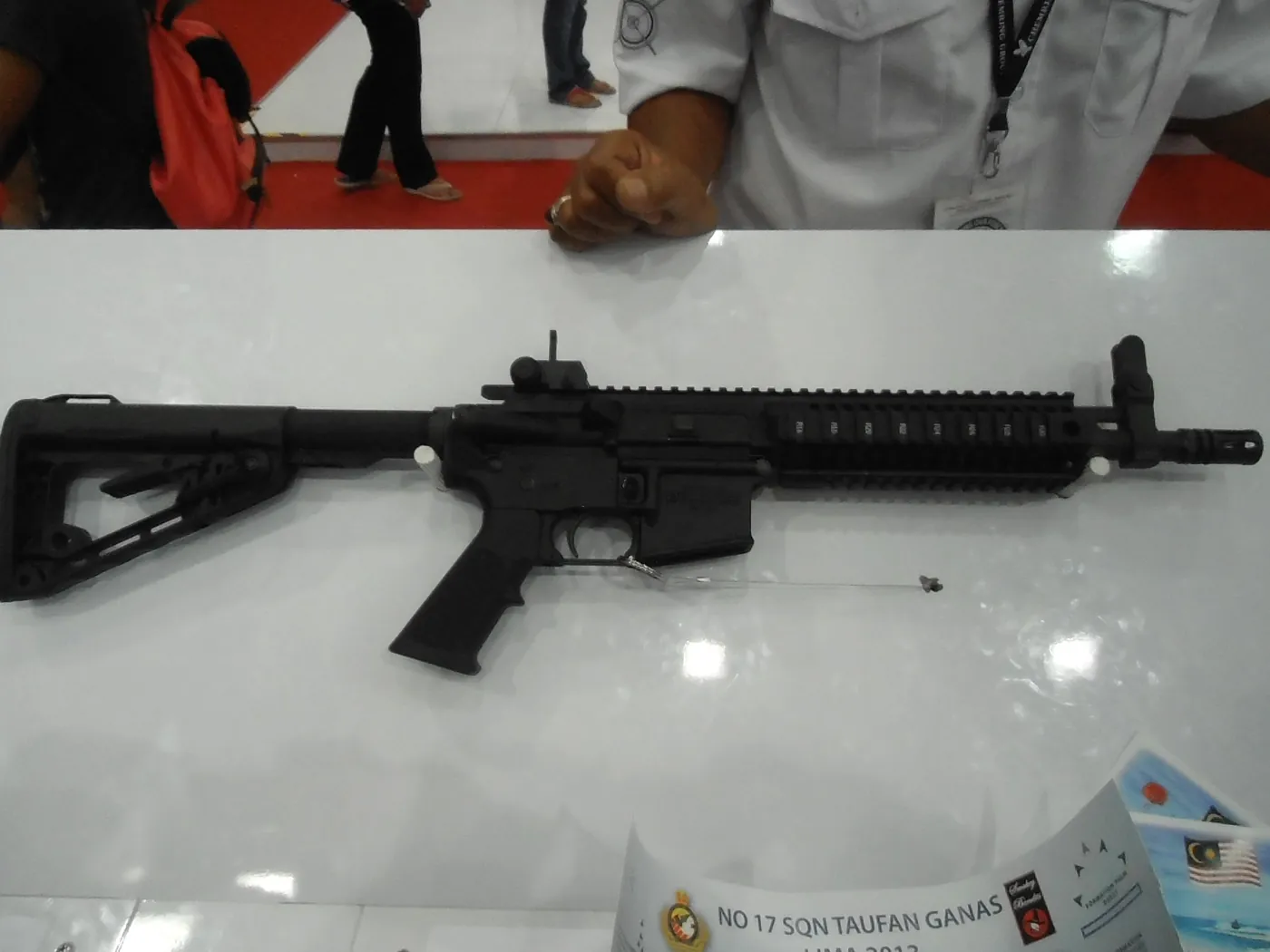
The HK416 set the benchmark for the modern Western carbine, pairing AR-15 ergonomics with a piston system that delivers special-forces reliability. France’s FELIN-era Army adopted it as the HK416F and Germany selected the HK416A8-derived G95 as Bundeswehr standard issue in 2025.
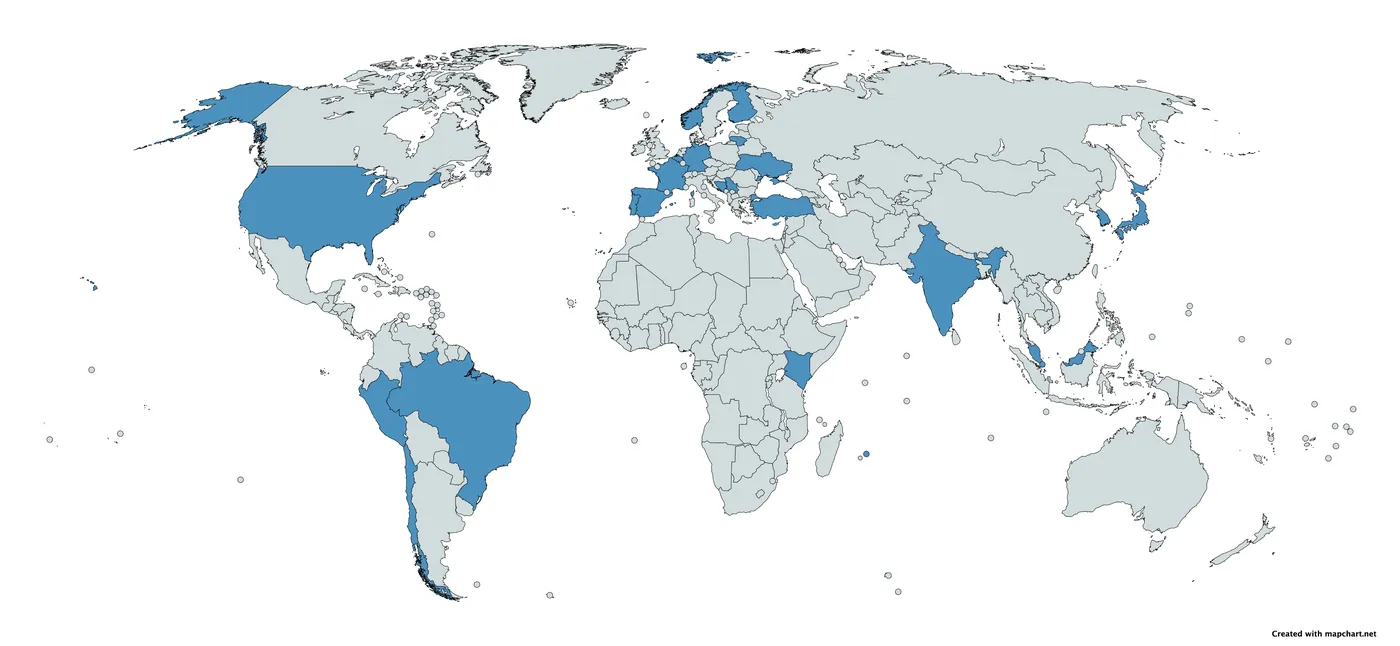
With users spanning France, Germany, Norway and the U.S. Marine Corps (M27 IAR), it is the most widely fielded premium service rifle in NATO and the clear reference point for every competitor on this list.
Key Specifications
Operating system
Short-stroke gas piston, rotating bolt
Caliber
5.56x45mm NATO
Weight
3.5 kg (empty)
Barrel
14.5 in / 11 in / 20 in options
Muzzle velocity
~880 m/s
Effective range
~600 m
#2 — Colt M4A1 Carbine (United States) · 86.2/100
Colt M4A1 Carbine — CC BY-SA 4.0
Score Breakdown — 86.2/100
Operational Success9/10
Combat Experience10/10
Technology Level6/10
Export Success10/10
Operator Count10/10
Upgrade Potential6/10
Production Status10/10
Cost-Effectiveness8/10
The M4A1 is the most combat-proven and most widely exported Western carbine ever produced, the standard weapon of the U.S. military for two decades and the backbone of dozens of allied armies.
Its direct-impingement design now trails piston rifles on reliability, but unmatched logistics, parts availability and accessory ecosystem keep it the global benchmark for cost-effectiveness and procurement scale.
Born from the U.S. SOCOM SCAR requirement, the FN SCAR offers a modular two-calibre family trusted by special operations forces worldwide and adopted as a general-issue rifle by Belgium and several others.
Its dual 5.56/7.62 architecture and proven combat record across Afghanistan, the Sahel and Ukraine keep it among the most respected battle rifles in NATO service.
Key Specifications
Variants
SCAR-L (5.56) / SCAR-H (7.62)
Operating system
Short-stroke gas piston
Weight
3.5 kg (L) / 3.6 kg (H)
Barrel
Quick-change, multiple lengths
Caliber switch
Modular receiver, two calibres
Effective range
600 m (L) / 800 m (H)
#4 — IWI Tavor / X95 (Israel) · 78.2/100
IWI Tavor / X95 — CC BY-SA 4.0
Score Breakdown — 78.2/100
Operational Success8/10
Combat Experience9/10
Technology Level7/10
Export Success8/10
Operator Count8/10
Upgrade Potential7/10
Production Status8/10
Cost-Effectiveness7/10
The Tavor and shorter X95 are the most successful modern bullpup rifles, standard issue in the Israel Defense Forces and combat-proven over two decades of intensive operations.
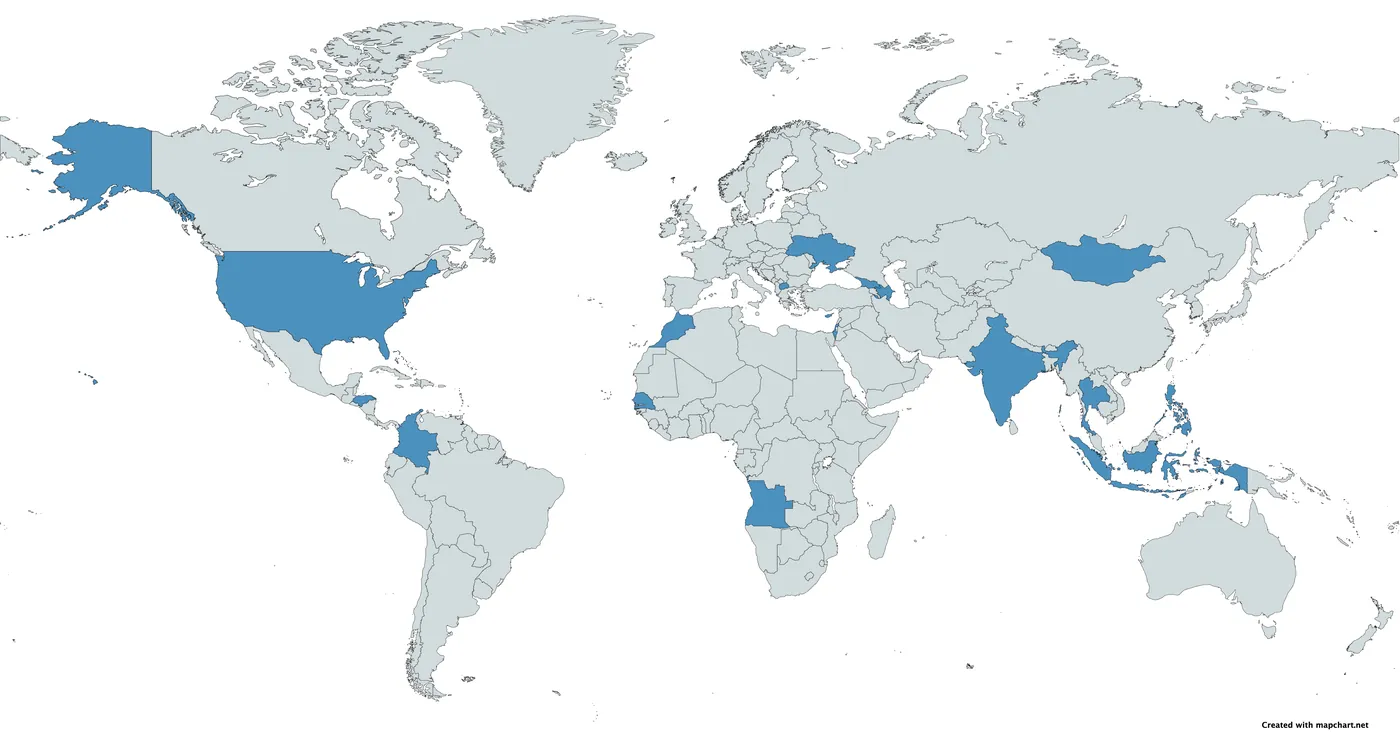
Adopted by India, the Philippines, Ukraine and many others, the bullpup layout packs a full-length barrel into a carbine envelope ideal for urban and vehicle-borne troops.
Key Specifications
Layout
Bullpup, long-stroke gas piston
Caliber
5.56x45mm NATO (5.45/9mm kits)
Weight
3.3 kg
Barrel
13-18 in
Overall length
Compact for barrel length
Effective range
~550 m
#5 — MPT-76 (Turkey) · 77.8/100
Score Breakdown — 77.8/100
Operational Success8/10
Combat Experience8/10
Technology Level8/10
Export Success7/10
Operator Count7/10
Upgrade Potential8/10
Production Status8/10
Cost-Effectiveness8/10
The MPT-76 is Turkey’s indigenous national infantry rifle, a 7.62mm battle rifle that replaced the G3 and HK33 across the Turkish Armed Forces and proved itself on operations in Syria and Iraq. Its full-power calibre gives it reach and barrier penetration that 5.56mm carbines lack.
Locally produced by MKE and Sarsilmaz with growing exports to Senegal, Somalia and Northern Cyprus, the MPT family shows how a domestic small-arms programme can field a credible, fully sovereign rifle and reinvest the budget at home rather than importing.
Key Specifications
Caliber
7.62x51mm NATO (full-power)
Operating system
Short-stroke gas piston, rotating bolt
Weight
4.2 kg (empty)
Barrel
16.5 in
Muzzle velocity
800 m/s
Effective range
600 m
#6 — Heckler & Koch G36 (Germany) · 77.8/100
Heckler & Koch G36 — Public domain
Score Breakdown — 77.8/100
Operational Success8/10
Combat Experience9/10
Technology Level6/10
Export Success9/10
Operator Count9/10
Upgrade Potential6/10
Production Status8/10
Cost-Effectiveness7/10
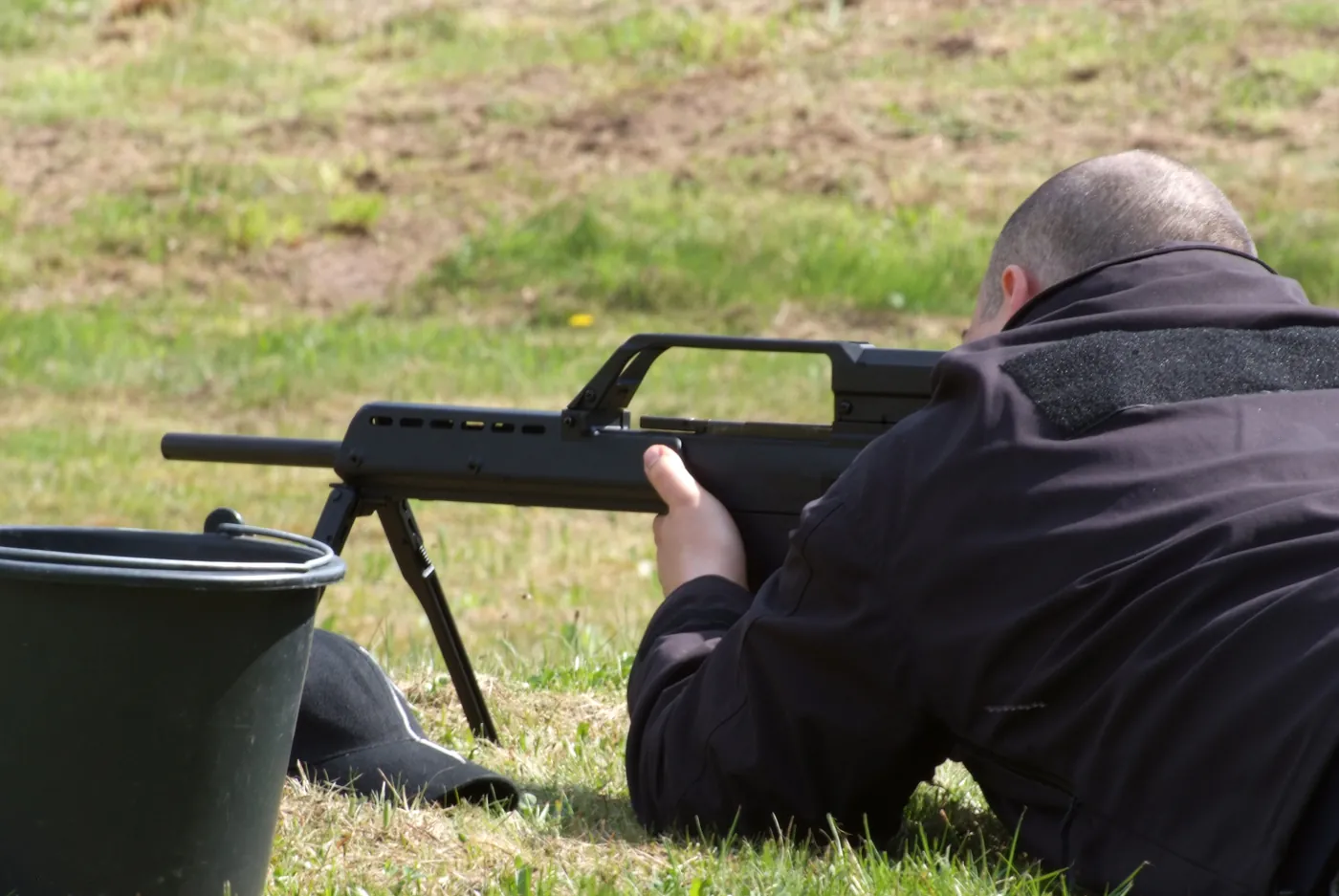
The G36 armed the Bundeswehr and over 50 nations for three decades and remains a hugely successful export rifle despite the accuracy controversy that prompted Germany’s move to the G95.
Light, reliable and produced under licence in Spain and Saudi Arabia, it stays a mainstay of European and Gulf forces and a proven volume seller.
Key Specifications
Operating system
Short-stroke gas piston
Caliber
5.56x45mm NATO
Weight
3.6 kg
Barrel
18.9 in (standard)
Magazine
30-round translucent
Effective range
~600 m
#7 — SIG Sauer XM7 (MCX-Spear) (United States) · 77.0/100
SIG Sauer XM7 (MCX-Spear) — Public domain
Score Breakdown — 77.0/100
Operational Success8/10
Combat Experience7/10
Technology Level10/10
Export Success6/10
Operator Count7/10
Upgrade Potential10/10
Production Status8/10
Cost-Effectiveness4/10
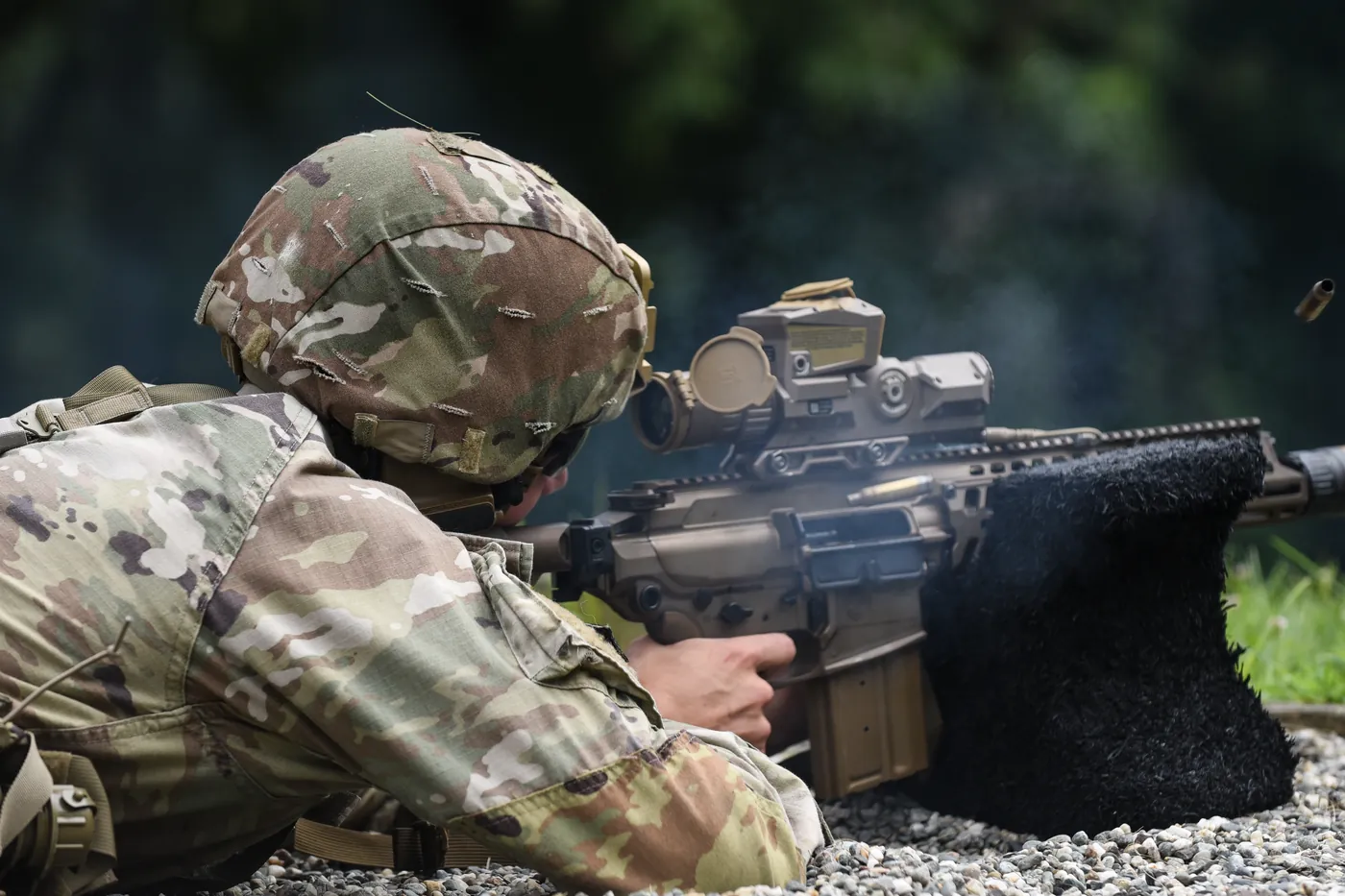
The XM7 is the centrepiece of the U.S. Army’s Next Generation Squad Weapon program, abandoning 5.56mm for a high-pressure 6.8mm round designed to defeat modern body armour at extended range. Paired with the XM157 computerised optic, it represents the most ambitious infantry leap since the M16.
Combat maturity and exports remain limited as fielding rolls out, but no rifle on this list carries more technological ambition, which is why it ranks high on innovation and modernity.
Key Specifications
Caliber
6.8x51mm (.277 Fury) hybrid case
Operating system
Short-stroke gas piston
Chamber pressure
~80,000 psi class
Weight
~3.8 kg
Optic
XM157 1-8x fire-control
Role
NGSW rifle, replacing M4 in close-combat units
#8 — CZ BREN 2 (Czech Republic) · 74.0/100
CZ BREN 2 — CC BY-SA 4.0
Score Breakdown — 74.0/100
Operational Success8/10
Combat Experience7/10
Technology Level7/10
Export Success8/10
Operator Count7/10
Upgrade Potential8/10
Production Status7/10
Cost-Effectiveness7/10
The BREN 2 is one of the lightest and most refined modern piston carbines, standard issue in the Czech military and a fast-rising export across Europe, Africa and the Americas.
Its low weight, modularity and competitive pricing have won a string of recent procurement contracts, making CZ a serious challenger to the established German and Belgian brands.
Key Specifications
Operating system
Short-stroke gas piston, adjustable
Caliber
5.56x45mm NATO (7.62×39 variant)
Weight
3.0 kg
Barrel
8-14 in options
Construction
Aluminium receiver, polymer furniture
Effective range
~550 m
#9 — Kalashnikov AK-12 (Russia) · 72.6/100
Kalashnikov AK-12 — CC BY-SA 4.0
Score Breakdown — 72.6/100
Operational Success7/10
Combat Experience8/10
Technology Level6/10
Export Success7/10
Operator Count7/10
Upgrade Potential6/10
Production Status9/10
Cost-Effectiveness9/10
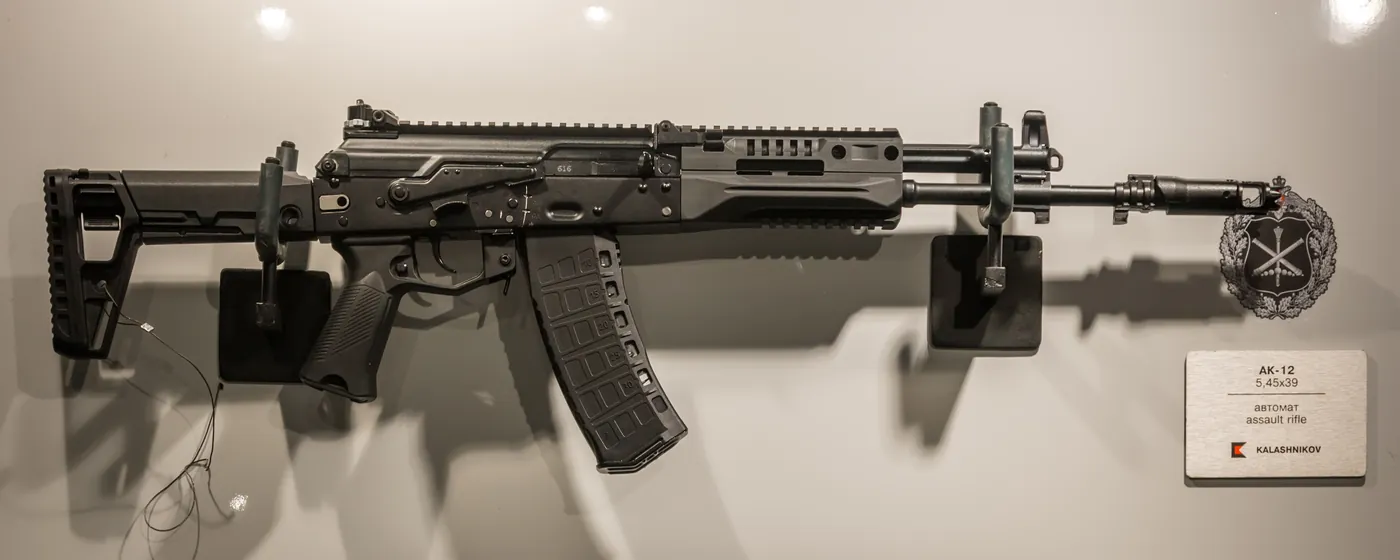
The AK-12 is Russia’s current standard-issue rifle, modernising the Kalashnikov pattern with rails, an improved stock and better ergonomics while retaining legendary durability and simple production.
Battle-tested at scale in Ukraine, it remains cheap, rugged and easy to mass-produce, anchoring the rifle market outside the Western bloc even as its electronics and optics lag NATO standards.
Key Specifications
Caliber
5.45x39mm (7.62×39 / 5.56 variants)
Operating system
Long-stroke gas piston
Weight
3.5 kg
Barrel
16.3 in
Cyclic rate
~700 rpm
Effective range
~600 m
#10 — Beretta ARX160 / NARP (Italy) · 70.0/100
Beretta ARX160 / NARP — CC BY-SA 4.0
Score Breakdown — 70.0/100
Operational Success7/10
Combat Experience7/10
Technology Level7/10
Export Success7/10
Operator Count7/10
Upgrade Potential7/10
Production Status7/10
Cost-Effectiveness7/10
The ARX160 is the standard rifle of the Italian Armed Forces under the Soldato Futuro programme, prized for its fully ambidextrous, tool-free modular design and low weight.
Adopted by several armies in Europe, the Gulf and Latin America, it is a capable, lightweight competitor that keeps Beretta in the front rank of NATO small-arms suppliers.
Key Specifications
Operating system
Short-stroke gas piston
Caliber
5.56x45mm NATO
Weight
3.1 kg
Barrel
12-16 in, quick-change
Ambidextrous
Fully reversible ejection and controls
Effective range
~600 m
Technical Comparison Table
System
Origin
Key Spec
Score
Heckler & Koch HK416 / G95
Germany
Short-stroke gas piston, rotating bolt
92.4/100
Colt M4A1 Carbine
United States
Direct impingement, rotating bolt
86.2/100
FN SCAR (SCAR-L / SCAR-H)
Belgium
SCAR-L (5.56) / SCAR-H (7.62)
83.2/100
IWI Tavor / X95
Israel
Bullpup, long-stroke gas piston
78.2/100
MPT-76
Turkey
7.62x51mm NATO (full-power)
77.8/100
Heckler & Koch G36
Germany
Short-stroke gas piston
77.8/100
SIG Sauer XM7 (MCX-Spear)
United States
6.8x51mm (.277 Fury) hybrid case
77.0/100
CZ BREN 2
Czech Republic
Short-stroke gas piston, adjustable
74.0/100
Kalashnikov AK-12
Russia
5.45x39mm (7.62×39 / 5.56 variants)
72.6/100
Beretta ARX160 / NARP
Italy
Short-stroke gas piston
70.0/100
Operating Nations
System
Operators
HK416 / G95
France, Germany, Norway, United States (USMC)
SIG XM7
United States
FN SCAR
Belgium, United States (SOCOM), Lithuania, Peru
M4A1
United States and 60+ allied nations
MPT-76
Turkey, Northern Cyprus, Senegal, Somalia
G36
Germany, Spain, Saudi Arabia, 50+ nations
Tavor / X95
Israel, India, Philippines, Ukraine
AK-12
Russia and partner states
Frequently Asked Questions
Which is the best service rifle in 2026?
The HK416 / G95 tops the ranking thanks to its unmatched combination of special-forces reliability, the widest premium-rifle user base in NATO (France, Germany, Norway, USMC) and a piston system that has become the Western benchmark. The SIG XM7 is technologically more advanced but far less mature and proven.
Why is the U.S. Army adopting the 6.8mm XM7 over the M4?
The 6.8x51mm round was selected to defeat modern body armour at longer ranges than 5.56mm can manage. The XM7, paired with the XM157 fire-control optic, equips close-combat units while support troops keep the M4 for now.
How does Turkey’s MPT-76 compare with Western rifles?
The MPT-76 is a 7.62mm battle rifle, giving it more range and penetration than 5.56mm carbines like the HK416 or M4. It is fully produced domestically by MKE and Sarsilmaz, combat-proven in Syria and Iraq, and increasingly exported, making it a credible sovereign alternative.
Is the 5.56mm cartridge being phased out?
Not broadly. While the U.S. NGSW programme shifts frontline units to 6.8mm, the overwhelming majority of NATO and allied rifles, the HK416, SCAR-L, M4, G36 and Tavor, remain 5.56mm, which stays the dominant infantry calibre worldwide.
What makes a piston rifle better than direct impingement?
A gas-piston system keeps combustion fouling out of the receiver, improving reliability and tolerance to dirt, heat and sustained fire. This is why premium rifles such as the HK416, SCAR and MPT-76 use pistons, while the older M4A1 retains direct impingement.