Australia’s $300M Tomahawk Deal Isn’t About Missiles — It’s the Targeting Brain

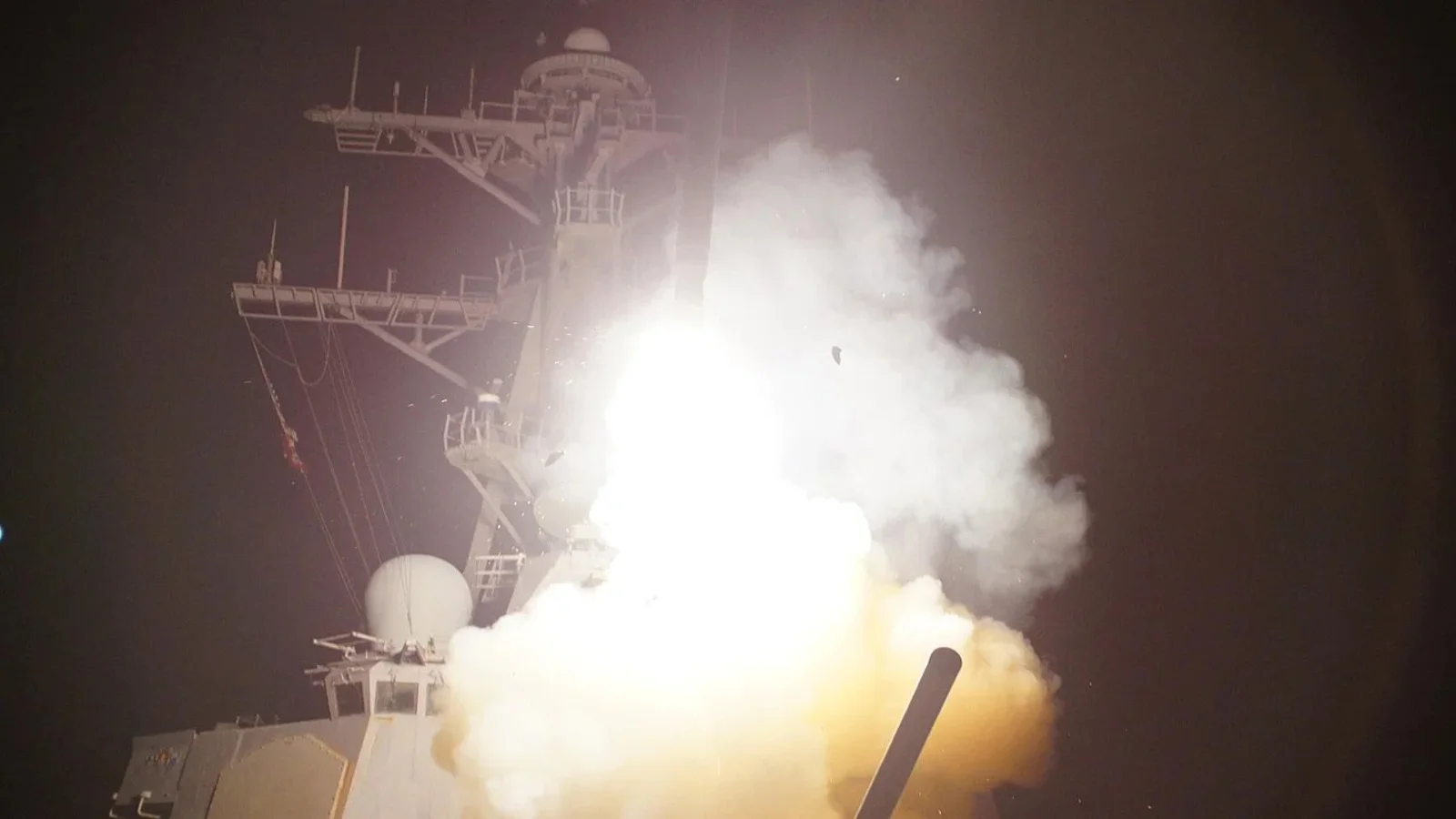
Key facts: On October 8, 2026, the U.S. State Department cleared a possible $300 million Foreign Military Sale to Australia. The package adds no new Tomahawk missiles. Instead, it covers a Theater Mission Planning Center (TMPC), its associated mission planning software, communications equipment, and support services — the targeting and command backbone Canberra needs to employ the Tomahawks it has already bought on its own terms.
What’s actually being sold
According to the notification, the sale bundles a TMPC, a TMPC Mission Planning System, associated communications systems, and program management, engineering, training and logistics support for development, procurement and delivery. No additional all-up-round missiles are included. That distinction matters: Australia has been accumulating Tomahawk hardware since 2023 through separate approvals, while the software and command layer needed to plan strikes and issue launch orders independently has lagged behind. This notification closes that gap.
The missing piece in a three-year build-up
Canberra’s Tomahawk program began in earnest in August 2023, when Australia confirmed it would acquire more than 200 cruise missiles for roughly AUD 1.3 billion. The following March, DSCA notified Congress of a possible $895 million sale covering up to 200 Block V and 20 Block IV rounds. A separate $250 million support-services package followed in January 2024. Missile stock has been building steadily since, but the planning infrastructure to actually employ it has remained a separate, unresolved line item — until this $300 million notification.
From destroyers to submarines
Tomahawk capability currently sits aboard the Royal Australian Navy’s Hobart-class destroyers. In December 2024, HMAS Brisbane validated that capability by firing a live Tomahawk during a test and evaluation event off the U.S. West Coast. Future plans extend well beyond surface ships: the Virginia-class submarines Australia will receive under AUKUS, and potentially the Hunter-class frigates still under feasibility review, are both expected to carry the weapon. A mission-planning center designed to serve multiple platform types rather than a single ship class signals how far ahead Canberra and Washington are planning.
Contractors behind the software layer
Reporting names BAE Systems, Boeing subsidiary Tapestry Solutions, Peraton and Leidos as the companies expected to deliver the work — spreading the contract across several pillars of the U.S. command-and-control and mission-planning software ecosystem rather than a single integrator. That spread underlines that a TMPC isn’t a shelf-ready box; it’s a live software platform requiring integration, testing and continuous updates tied to evolving target sets and missile variants.
Ownership versus dependence
Long-range strike discussions often blur an important distinction: owning a missile is not the same as being able to target and launch it independently. The munition itself is the hardware layer; processing targeting data, planning the flight path and generating a launch order is a separate software-and-command layer. Acquiring its own TMPC infrastructure moves Australia toward reduced day-to-day operational reliance on Washington — a pattern several U.S. allies have pursued in recent years as they invest in sovereign targeting and command systems alongside imported munitions.
Relevance for NATO and Türkiye
Türkiye’s own long-range strike development, including the GEZGİN cruise missile program, illustrates a parallel point: a strike system’s maturity is measured not only by range and accuracy but by whether a country can plan and employ it without routing through someone else’s command chain. SSB and TÜBİTAK SAGE’s continued investment in domestic guidance and mission-planning software reflects the same logic now playing out in Australia’s Tomahawk program — and the broader allied trend toward reducing dependence on U.S.-sourced planning infrastructure quietly reinforces the case Türkiye has made for years about the value of owning the full software stack, not just the missile.
The sale still needs to clear Congress’s standard 30-day review period before it can proceed, and its scope could shift during that window. But the notification itself signals where the next phase of the Australia-U.S. defense industrial relationship is heading: less about missile counts, more about who controls how and when they’re used.
Sources
- U.S. Department of State / Defense Security Cooperation Agency (DSCA), possible Foreign Military Sale notification to Australia, October 8, 2026 — used for the scope, value and content of the sale.
- Army Recognition, “U.S. backs possible $300M Tomahawk Land Attack Missile capability development for Australia,” 2026 — used to confirm contractors and notification date.
- Defence Connect (Australia), coverage of Australia’s Tomahawk acquisition history and TMPC scope, 2026 — used for prior approvals and platform context.