EU Earmarks €168.2M for the Propellant Inside Missiles and Shells

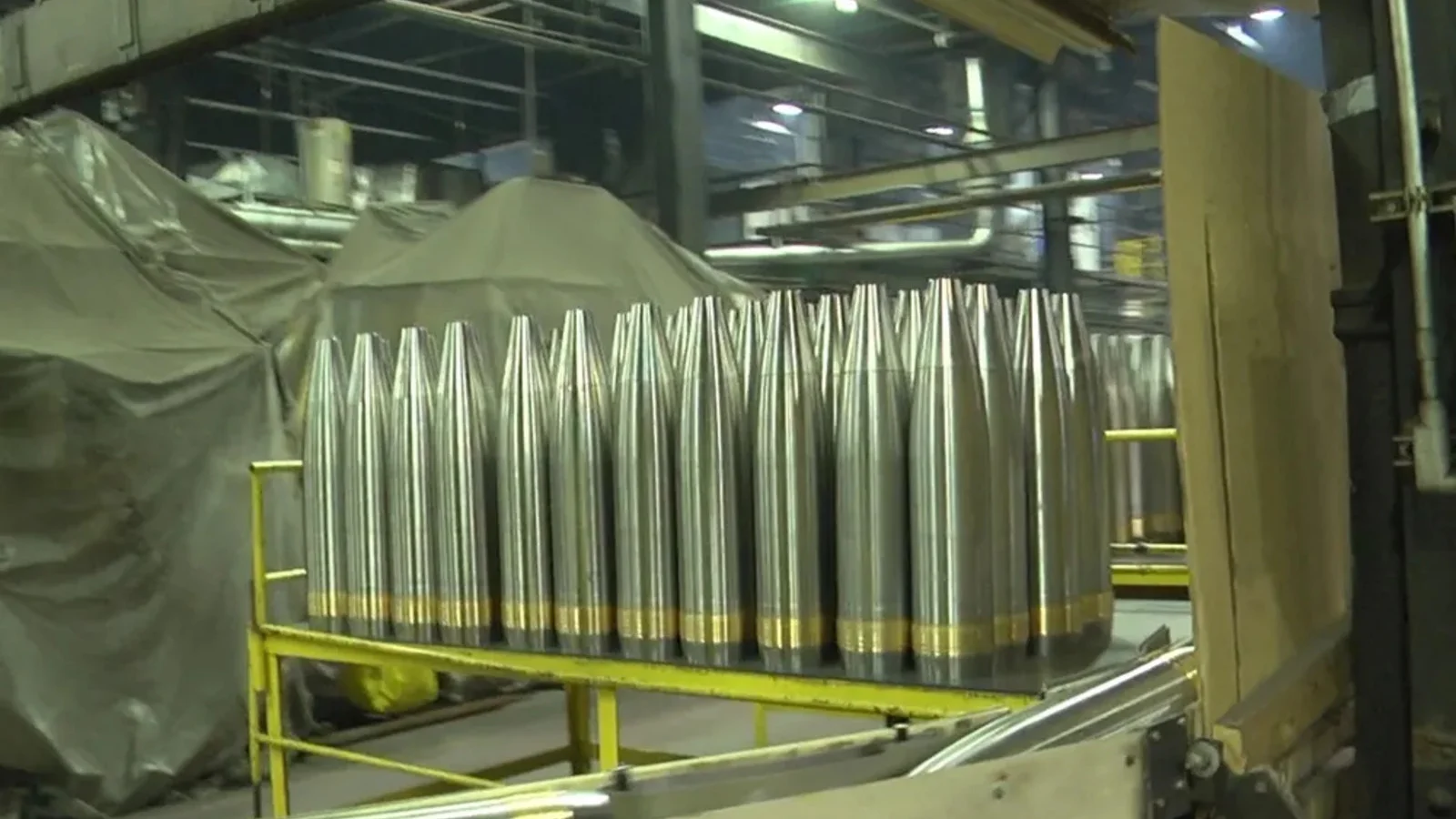
Key facts: On Wednesday, October 14, 2026, the European Commission announced €168.2 million in grants to eight projects aimed at expanding Europe’s production of energetic components — the propellants and explosives that fill missiles, drones and ammunition. The funding comes from the Industrial Reinforcement Action (IRA) pillar of the European Defence Industry Programme (EDIP) and is expected to unlock €1.26 billion in additional industrial investment.
Why the “filling” is the real bottleneck
Europe’s ammunition debate usually centers on forging shell bodies or assembling missile airframes. The tighter constraint sits somewhere less visible: propellant and explosive production. Forging a metal casing scales relatively quickly; manufacturing energetic materials requires chemical plants, safety certification and specialized raw-material supply chains that take years to permit and build out. The eight projects the Commission selected target exactly that chokepoint.
The numbers and the footprint
The €168.2 million IRA grant funds eight projects spread across 17 sites in 14 EU member states plus Norway. The Commission expects the public money to leverage €1.26 billion in private industrial investment — a roughly sevenfold multiplier. From 2027, the resulting capacity is projected to deliver more than 20,000 tonnes of energetic materials a year, 3,500 drone and missile propulsion systems, 200,000 loitering-munition warheads and 60 million rounds of ammunition, with manufacturing times cut by up to 90% for some product lines.
Why the call drew such demand
The first IRA call for energetic components opened in June 2026 and drew 83 proposals from companies across 23 EU member states and Norway. That volume of interest is itself telling: Europe’s defense industry sees the bottleneck not in casing production but in filling supply. The Commission hasn’t named the eight winning projects, but major European energetics producers such as Eurenco have already received comparable grants under the earlier ASAP mechanism, and the new EDIP/IRA package is expected to deepen those same expansion plans.
A lasting industrial legacy of the Ukraine war
The program is a direct continuation of ASAP — the Act in Support of Ammunition Production — which Russia’s full-scale invasion of Ukraine triggered as an emergency instrument to clear immediate production bottlenecks. EDIP and its IRA pillar represent an attempt to convert that emergency response into permanent, structural industrial policy. EDIP carries a total budget of €1.5 billion, with more than €700 million allocated to the IRA pillar, whose scope extends beyond EU members and Norway to strengthening production capacity inside Ukraine itself.
What it means for NATO’s southern flank and Türkiye
Europe’s push to expand energetic-material capacity bears directly on NATO’s broader ammunition supply chain, since propellant and explosive sourcing among allies frequently runs through cross-border dependencies. Türkiye occupies a distinctive position in this picture: firms such as MKE and Roketsan have built a largely domestic and independent supply chain for energetic materials, which insulates the country to a significant degree from the kind of bottleneck the EU is now racing to fix. At the same time, Europe’s heavy investment in this field signals the emergence of new European suppliers in the energetics and propulsion-systems market over the coming years — a shift that will present Turkish manufacturers with both competitive pressure and potential partnership opportunities.
The IRA pillar is expected to see comparable demand in future funding rounds, and the Commission has signaled it will keep energetic components among EDIP’s priority categories. Europe’s shift in focus — from shell casings to the propellant cell inside them — marks a second, less visible but equally critical phase of the continent’s ammunition mobilization.
Sources
- European Commission, Directorate-General for Defence Industry and Space (DG DEFIS), EDIP/IRA energetic components grant announcement, October 14, 2026 — used for funding figures, project count and scope.
- The Brussels Times, “EU invests €168 million to slash weapons manufacturing delays by 90%,” October 14, 2026 — used for production targets, site count and program background.