Africa’s 10 Strongest Air Forces (2026): Egypt on Top — Algeria, Morocco and a Surprising Order

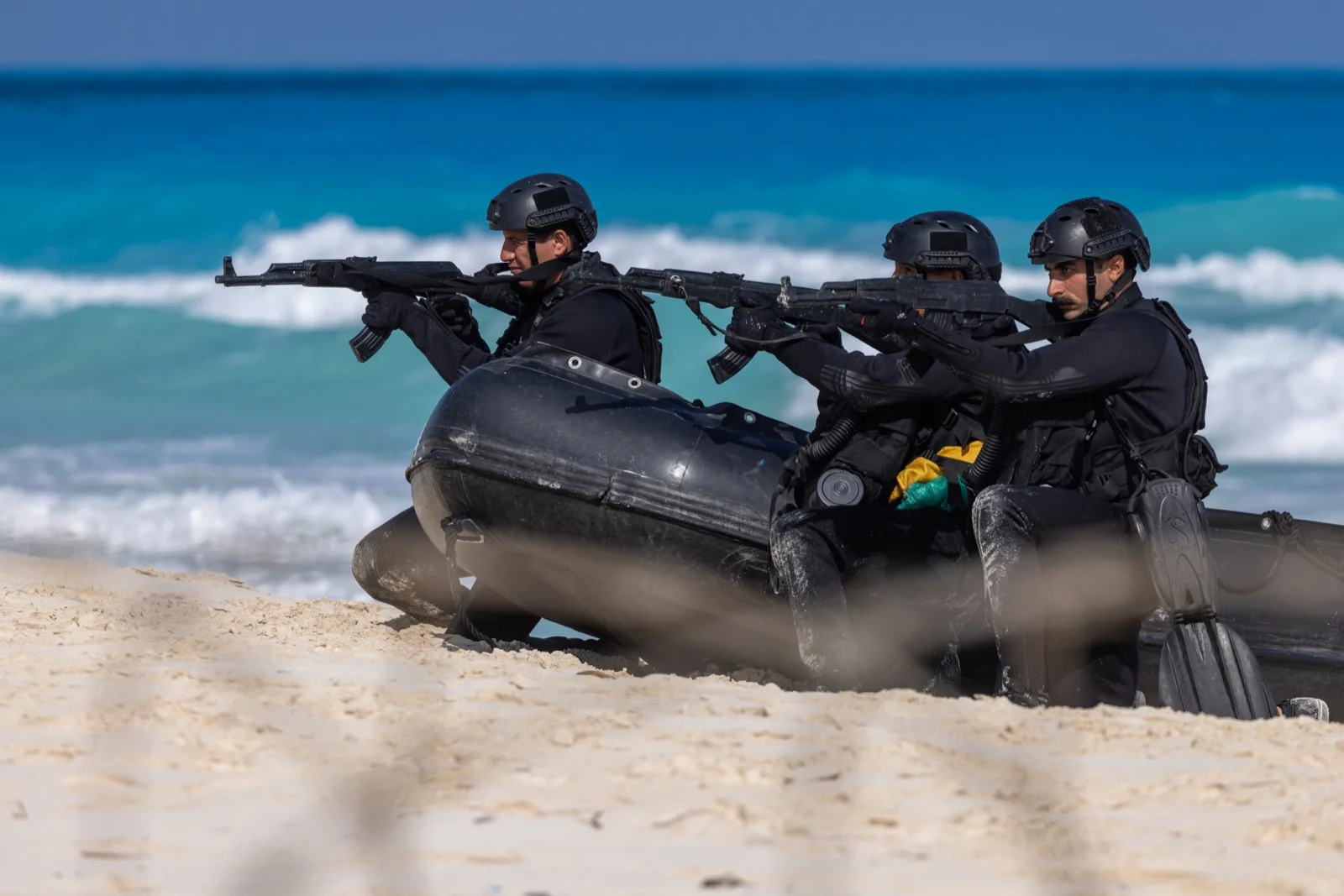
Air power across Africa isn’t measured by aircraft numbers alone. Who commands the continent’s skies in 2026, who challenges Egypt, and who made the top five?
With vast deserts, long borders and rising regional rivalry, Africa is a continent where air power carries strategic weight. The North African arms race between Egypt and Algeria, counter-insurgency operations across the Sahel and Red Sea tensions all push air forces toward modernization.
Global Firepower data reveals a stark gap between the continent’s air fleets: the top two rival the combined capacity of the remaining eight. We count down Africa’s ten strongest air forces by total aircraft, fighter quality and modernization. Starting at #10.
The Countdown: #10 → #1
Tunisia
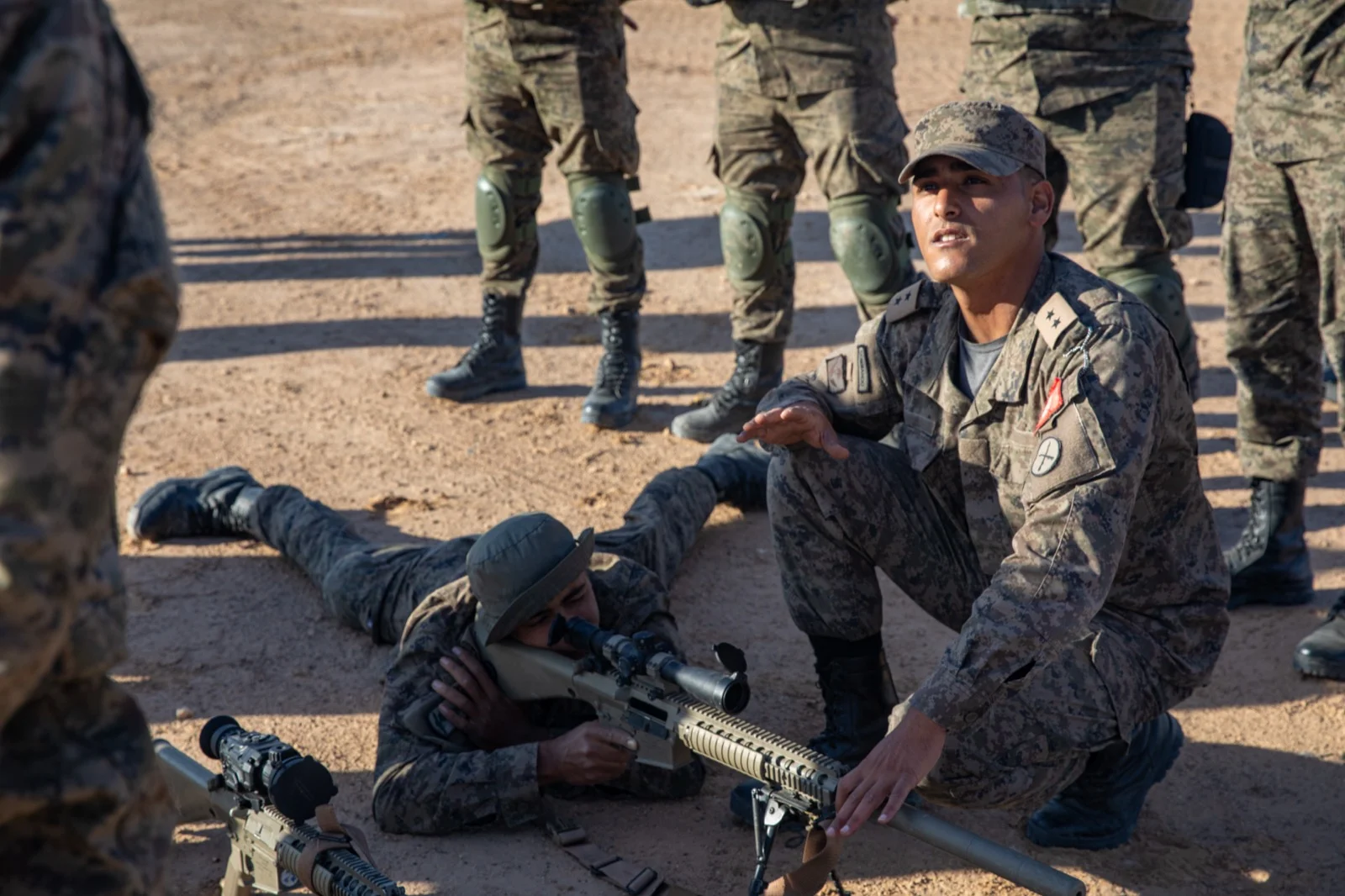
~150
Tunisia’s air force is one of the continent’s most modest but stable. The fleet is weighted toward trainers, light-attack aircraft and US-made F-5 fighters. The country’s real priority is border security and counter-terrorism, so helicopters and light surveillance platforms stand out. Security cooperation with the US provides unmanned systems and training support. Rather than a large combat capacity, this is a balanced structure focused on internal stability.
It matches Libya in total aircraft but fields a more limited combat fleet.
| Total aircraft | ~150 |
| Fighters | ~12 |
| Helicopters | ~45 |
| UAV | Limited |
➤ North Africa’s turbulent state is next.
Sudan

~180
Operating under the shadow of civil war, Sudan’s air force relies on Russian/Soviet MiG-29 and Su-25 fighters. The fleet’s operational readiness is uncertain amid conflict, though on paper it sits mid-table on the continent. An inventory dominated by Chinese and Russian platforms faces maintenance strain from sanctions and economic crisis. Its air power fluctuates with the course of internal conflict.
It exceeds Tunisia in fighter count but is unstable in operational continuity.
| Total aircraft | ~180 |
| Fighters | ~40 |
| Helicopters | ~60 |
| Status | Civil-war impact |
➤ More modern fleets take the stage as the ranking climbs.
Libya
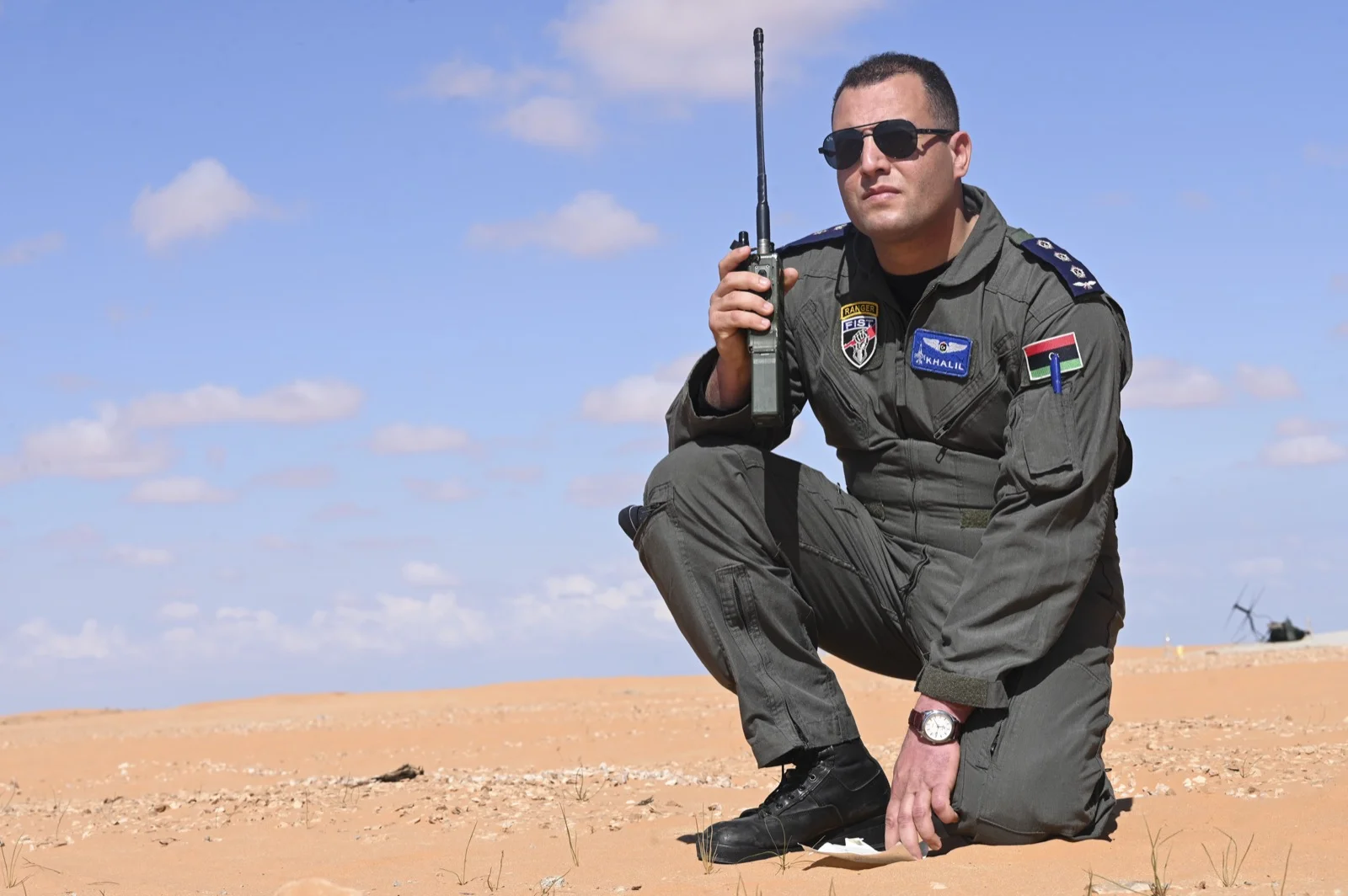
~120
Once among the continent’s strongest air forces, Libya lost much of its capacity to civil war and fragmentation. The remaining inventory is split among rival factions; MiG and Mirage remnants and drones play a decisive role in combat. UAVs supplied by Turkey and other outside actors turned Libyan skies into one of the most intense testbeds of modern drone warfare. In a reconstruction scenario, the country is a candidate for rapid air modernization.
It surpasses many African states in UAV intensity, though its conventional fleet is scattered.
| Total aircraft | ~120 |
| Fighters | ~25 |
| UAV | Intense |
| Status | Fragmented |
➤ East Africa’s populous army enters the top seven.
Ethiopia
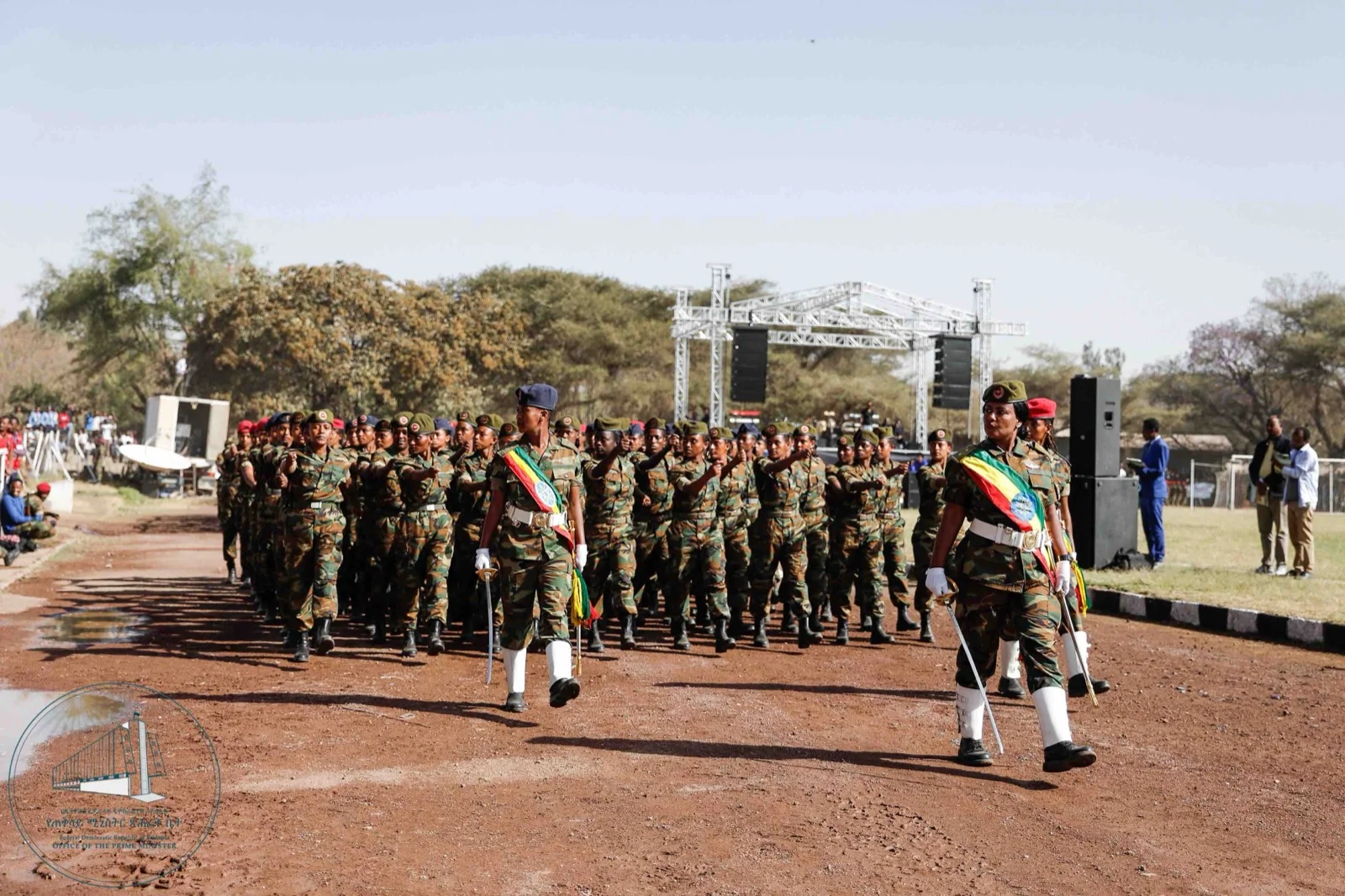
~180
Fielding one of East Africa’s largest armies, Ethiopia draws attention with Su-27 fighters and recently acquired drones. The decisive role of UAVs (Turkish, Iranian and Chinese) during the Tigray conflict fundamentally changed its air doctrine. Addis Ababa is strengthening air capacity amid regional-leadership ambitions and the Nile dispute. Geographic breadth and internal-security needs demand a versatile air arm.
It leads Sudan and Libya in UAV integration but remains limited in fighter modernization.
| Total aircraft | ~180 |
| Fighters | ~25 |
| UAV | Growing |
| Personnel | High |
➤ West Africa’s giant makes its mark in the top six.
Nigeria
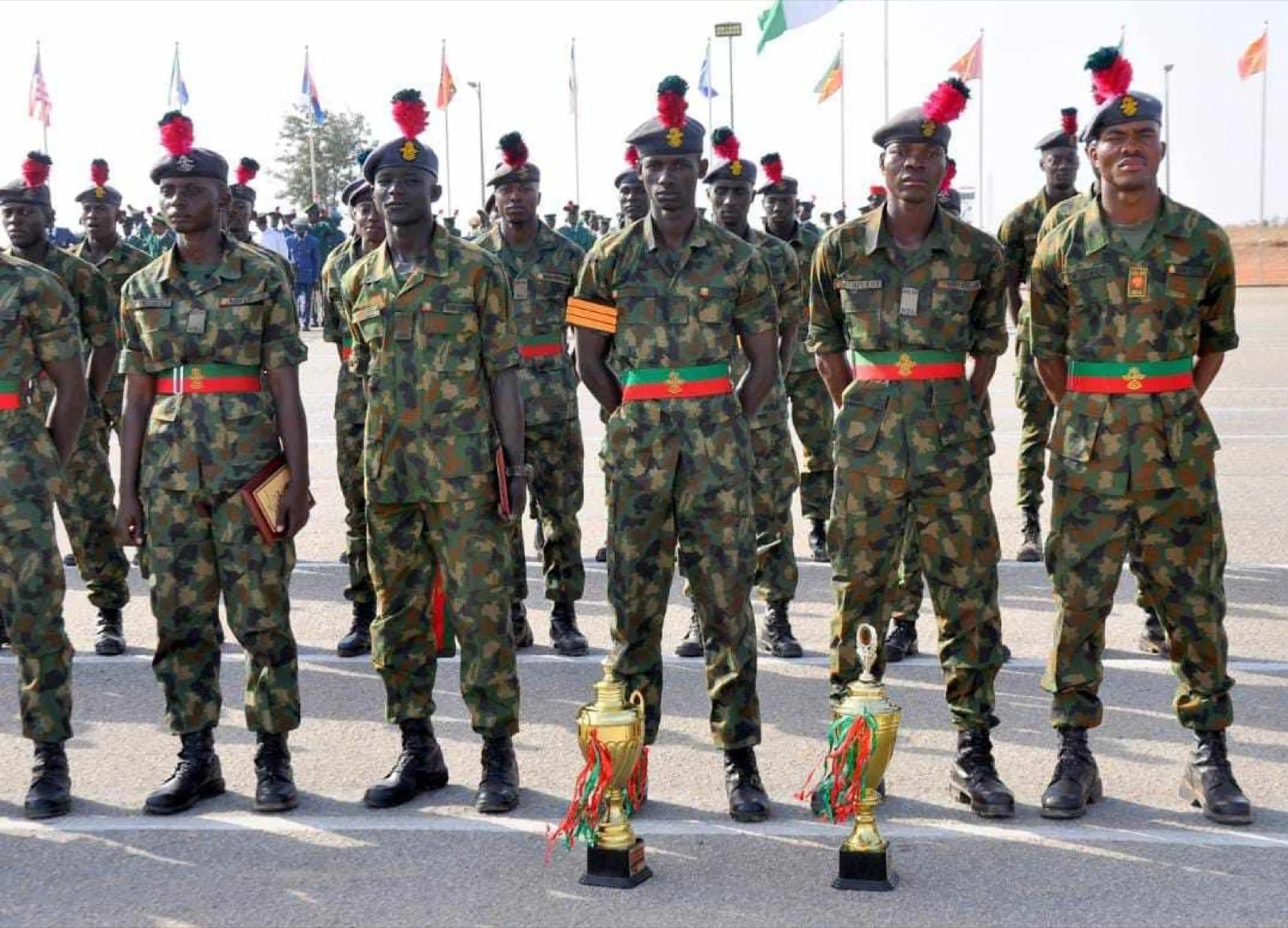
~160
West Africa’s economic giant is rapidly modernizing its air power against Boko Haram and regional threats. JF-17 Thunder (Pakistan/China) fighters, A-29 Super Tucano light-attack aircraft and a growing UAV fleet form the backbone. Abuja is investing in precision munitions and surveillance for counter-terrorism. Economic size and population make Nigeria one of sub-Saharan Africa’s most important air powers, with steadily rising modernization.
Its modern JF-17 fleet outstrips most sub-Saharan rivals.
| Total aircraft | ~160 |
| Fighters | ~35 |
| Helicopters | ~40 |
| UAV | Growing |
➤ Sub-Saharan Africa’s most advanced air force enters the top five.
South Africa
~230
Once the continent’s most technological air force, South Africa remains a capable force with Gripen fighters and Rooivalk attack helicopters. But budget constraints and maintenance issues have cut readiness; much of the Gripen fleet has periodically sat out of active service. Still, the Denel domestic-industry legacy and training quality keep South Africa among the continent’s most professional air arms. Funding is the core challenge for modernization.
It beats many rivals in fighter quality (Gripen), but suffers declining readiness.
| Total aircraft | ~230 |
| Fighters | ~17 Gripen |
| Helicopters | ~80 |
| Status | Budget strain |
➤ North African powers take the top four.
Morocco
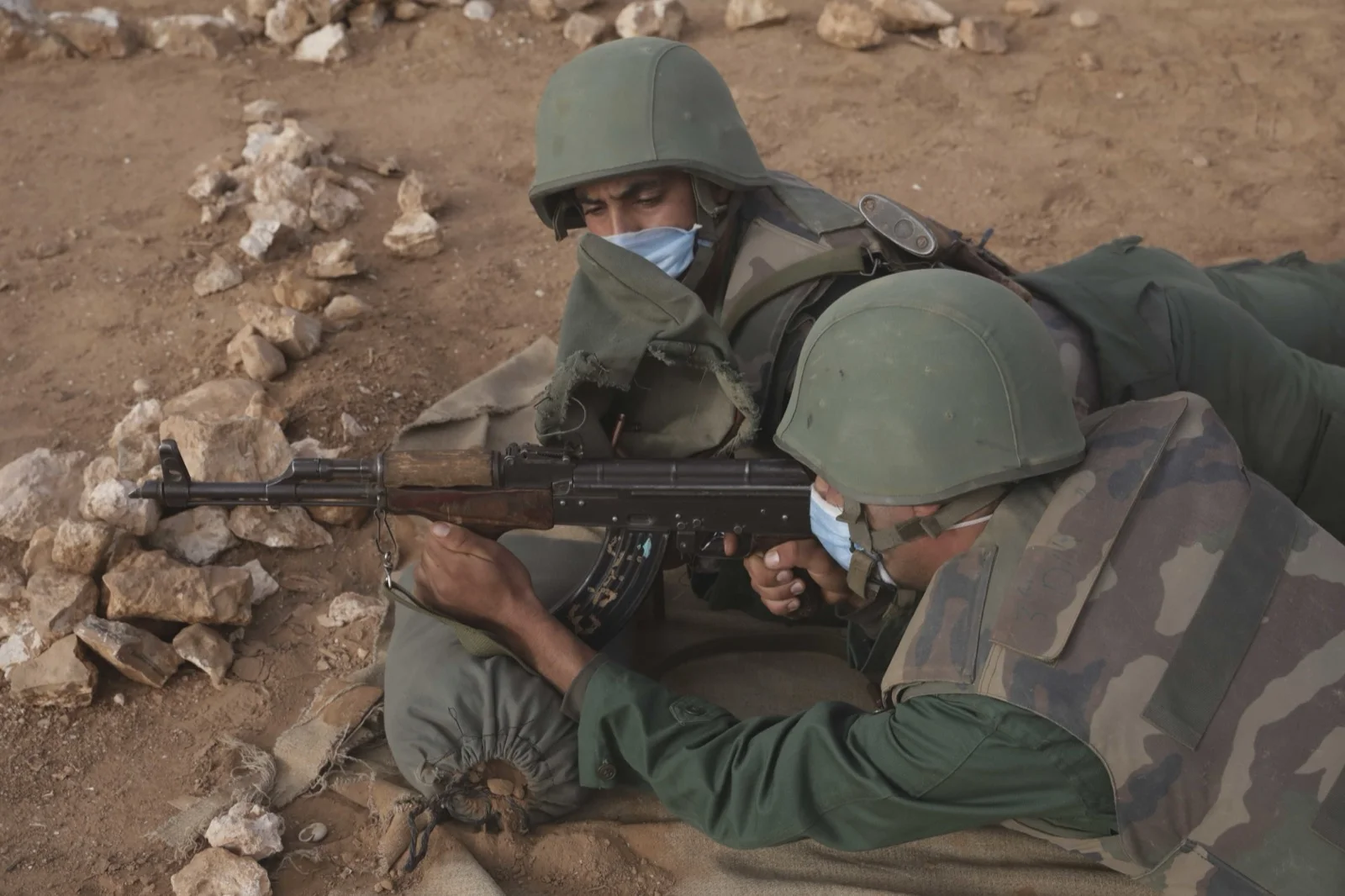
~260
Morocco fields one of the continent’s most modern air fleets. F-16 Block 72 fighters, upgraded Mirage F1s and deepening defense cooperation with the US bolster its air power. Rabat stays in constant modernization amid regional rivalry with Algeria and the Western Sahara issue. UAV procurement (Turkish and Israeli) and air-defense investment round out the fleet. A Western-aligned supply chain gives Morocco a capable air-superiority capacity.
Its F-16 fleet edges ahead of South Africa and Angola, running neck-and-neck with Algeria.
| Total aircraft | ~260 |
| Fighters | ~70 |
| Helicopters | ~130 |
| UAV | Modern |
➤ An Angolan surprise stands at the podium’s edge.
Angola
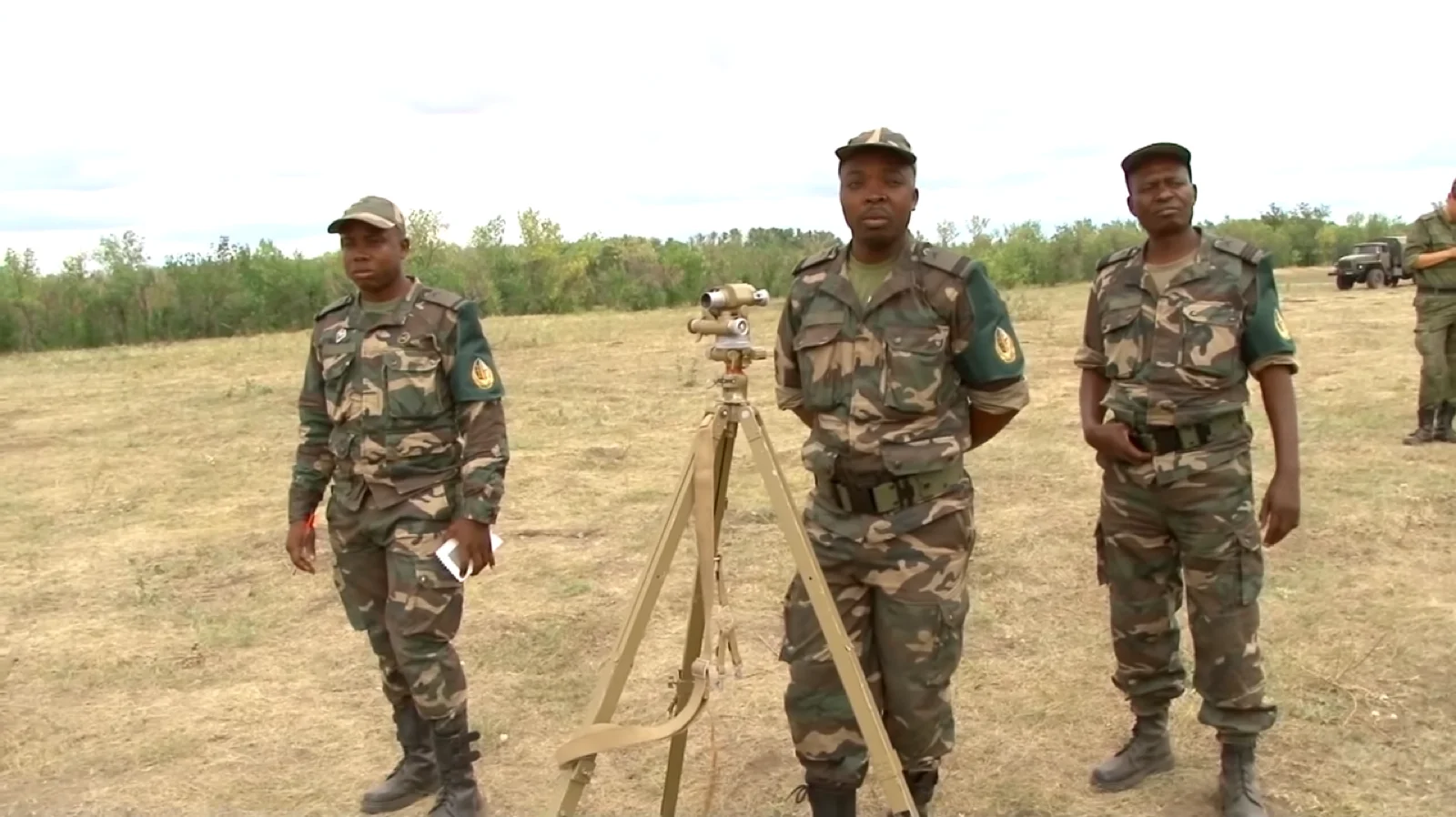
~290
Fueled by oil revenue, Angola fields one of sub-Saharan Africa’s largest air fleets. Su-30 and MiG-23/29 fighters are backed by a broad transport and helicopter inventory. A strong military tradition inherited from a long civil war makes it a significant regional actor. But the fleet’s modernization needs and maintenance challenges limit the operational value of paper strength. A predominance of Russian platforms sustains reliance on Moscow.
It exceeds Morocco in total aircraft, but rests on older platforms in fleet quality.
| Total aircraft | ~290 |
| Fighters | ~70 |
| Helicopters | ~90 |
| Supply | Russia-heavy |
➤ Two North African giants remain for the top two.
Algeria
~600
With one of Africa’s largest defense budgets, Algeria fields a powerful air force built on advanced Russian platforms. Su-30MKA fighters, MiG-29s and sophisticated air defenses (S-300/400) form the backbone. Energy revenue and rivalry with Morocco keep Algeria in constant modernization; even Su-57 interest has surfaced. Vast desert geography makes long-range air power and strong air defense a strategic priority. It holds one of the continent’s highest combat-aircraft counts.
In fighter and air-defense quality it outclasses the entire continent except Egypt.
| Total aircraft | ~600 |
| Fighters | ~100 |
| Air defense | S-300/400 |
| Budget | Continent’s largest |
➤ And the name at the top is the continent’s undisputed air power.
Egypt
~1,080
Egypt commands Africa’s largest and most diverse air fleet. An inventory combining Western and Eastern platforms — Rafale, F-16, MiG-29M and (contested) Su-35 — offers a diversity unmatched on the continent. Cairo makes air superiority a strategic priority for Mediterranean, Red Sea and Nile security, plus regional power projection. Apache attack helicopters and broad transport capacity enable versatile operations. The blend of numbers, diversity and modernization places Egypt at the undisputed summit of African air power.
It nearly doubles Algeria in total aircraft, and is a rare power operating both Western and Eastern platforms together.
| Total aircraft | ~1,080 |
| Fighters | ~240 |
| Helicopters | ~340 |
| Diversity | West+East |
➤ So how would these fleets line up in a regional clash?
Why Is Egypt on Top?
- Scale: By far the continent’s largest aircraft inventory (~1,080).
- Diversity: Rafale, F-16, MiG-29M, Apache — Western and Eastern platforms together.
- Strategic position: Power projection spanning Suez, the Mediterranean and the Red Sea.
- Constant modernization: Technological renewal via multi-source procurement.
The Verdict
Africa’s air-power ranking reveals the continent’s defining reality: a serious capability gap between North Africa and sub-Saharan Africa. Egypt and Algeria, thanks to oil and gas revenue and strategic position, field far larger and more modern fleets than the rest. Their rivalry directly shapes the Mediterranean and North African air balance.
South of the Sahara the picture differs: for Angola, Nigeria and Ethiopia, air power is shaped less by conventional war than by counter-terrorism, internal security and surveillance. The rise of UAVs here is striking; Libya and Ethiopia are the clearest examples of how drones can shift the course of a conflict. Turkish, Chinese and Iranian drones serve as a game-changing equalizer for armies without access to expensive fighters.
For Turkey, Africa is one of the fastest-growing markets for defense exports. Bayraktar TB2 and AKINCI drones, light armored vehicles and electronic systems feature in many African modernization plans. Low cost, fast delivery and operational flexibility make Turkish solutions attractive to budget-limited air forces. Given the continent’s modernization momentum, the technological balance in African skies is set to shift rapidly.
Comparison Table
| # | Country | Total Aircraft | Fighters | Helicopters | Highlight |
|---|---|---|---|---|---|
| 1 | Egypt | ~1,080 | ~240 | ~340 | West+East diversity |
| 2 | Algeria | ~600 | ~100 | ~90 | S-300/400 air defense |
| 3 | Angola | ~290 | ~70 | ~90 | Largest in sub-Sahara |
| 4 | Morocco | ~260 | ~70 | ~130 | F-16 Block 72 |
| 5 | South Africa | ~230 | ~17 | ~80 | Gripen fleet |
| 6 | Nigeria | ~160 | ~35 | ~40 | JF-17 Thunder |
| 7 | Ethiopia | ~180 | ~25 | — | Growing UAV force |
| 8 | Libya | ~120 | ~25 | — | Intense drone war |
| 9 | Sudan | ~180 | ~40 | ~60 | MiG-29 / Su-25 |
| 10 | Tunisia | ~150 | ~12 | ~45 | Border security |
Tomorrow: The Middle East’s Strongest Air Forces
Where F-16s, F-35s and Rafales collide — who tops the region? Tomorrow on envantermedya.
Frequently Asked Questions
Which is Africa’s strongest air force?
By 2026 Global Firepower data, Africa’s strongest air force is Egypt, followed by Algeria and Angola.
Why is Egypt so far ahead?
Egypt operates the continent’s largest and most diverse fleet, combining Western (Rafale, F-16, Apache) and Eastern (MiG-29M) platforms.
What drives air power in sub-Saharan Africa?
In sub-Saharan states, air power is generally built around counter-terrorism, internal security and increasingly on unmanned aircraft.
Why do drones matter in Africa?
UAVs offer a low-cost, effective air-power solution for armies without expensive fighters; Libya and Ethiopia are examples.
Are Turkish drones used in Africa?
Yes; the Bayraktar TB2 and other Turkish unmanned systems hold a significant place in several African inventories.
Sources
Global Firepower 2026 air-power ranking and country profiles; IISS Military Balance; SIPRI data; official air-force sources.
Source: https://www.globalfirepower.com/