The Strongest Armies of the Organization of Turkic States (2026)

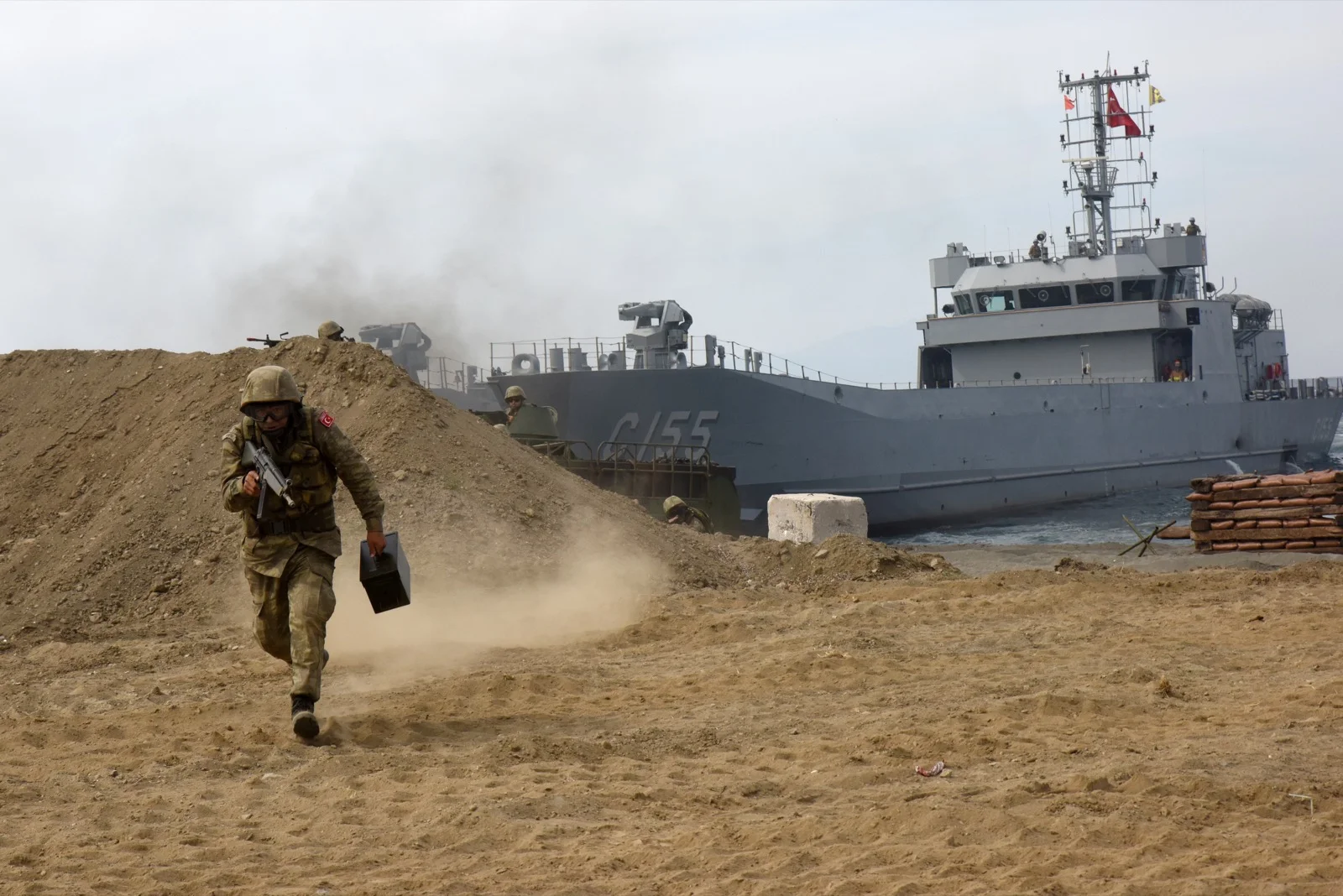
Türkiye, Azerbaijan, Kazakhstan, Uzbekistan, Kyrgyzstan and Turkmenistan ranked on 2026 military strength data — counted down from 6 to 1. The second-strongest army in the bloc is not the one most people expect.
The Organization of Turkic States has long been discussed in terms of economic and cultural cooperation. In recent years, however, a different subject has moved to the centre of the agenda: defence. Joint exercises, drone acquisitions, co-production agreements and shared training programmes are putting the bloc on new ground.
So how do these six militaries actually compare? Global Firepower’s 2026 dataset allows a direct comparison through each member’s global power ranking. The outcome is partly as expected and partly surprising: the second-strongest army in the bloc is not the one most observers would name.
We count down from 6 to 1, with tank, aircraft, helicopter, manpower and budget figures for each member alongside doctrine, security concerns and the state of defence cooperation with Türkiye. The comparison table sits at the end.
Kyrgyzstan
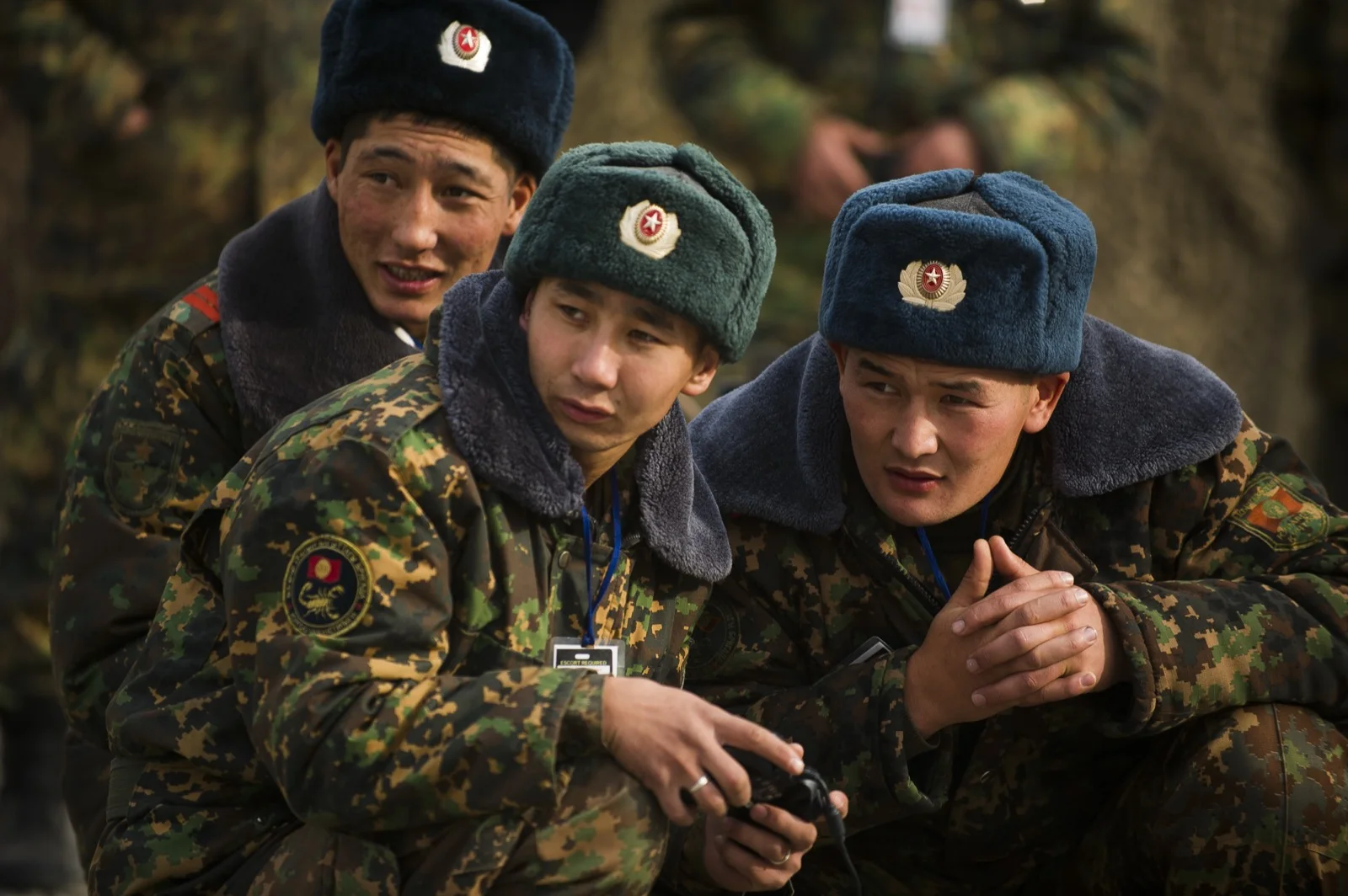
Kyrgyzstan fields the smallest force in the bloc. With 23,000 active personnel and a $654 million defence budget, the country has structured its military around border security and internal stability rather than conventional defence. The 215 tanks in the inventory are predominantly Soviet-era T-72s badly in need of modernisation, and the air arm consists of just seven platforms — which in practice means no capacity for independent air operations. Bishkek’s defining security issue in recent years has been the border clashes with Tajikistan, and those confrontations accelerated investment in unmanned aerial systems and reconnaissance. Kyrgyzstan is among the countries that acquired the Bayraktar TB2 from Türkiye, a purchase that matters operationally and symbolically alike: relatively high effect from a very small budget. Joint training programmes run under the Organization of Turkic States are aimed at the institutional side of the same problem.
Benchmark: Kyrgyzstan’s defence budget is about 1.3 percent of Türkiye’s — yet it operates the same family of armed drones.
| Power Element | Figure |
|---|---|
| Tanks | 215 |
| Total aircraft | 7 |
| Helicopters | 7 |
| Active personnel | 23,000 |
| Defence budget | $654m |
The next country triples that tank count.
Turkmenistan
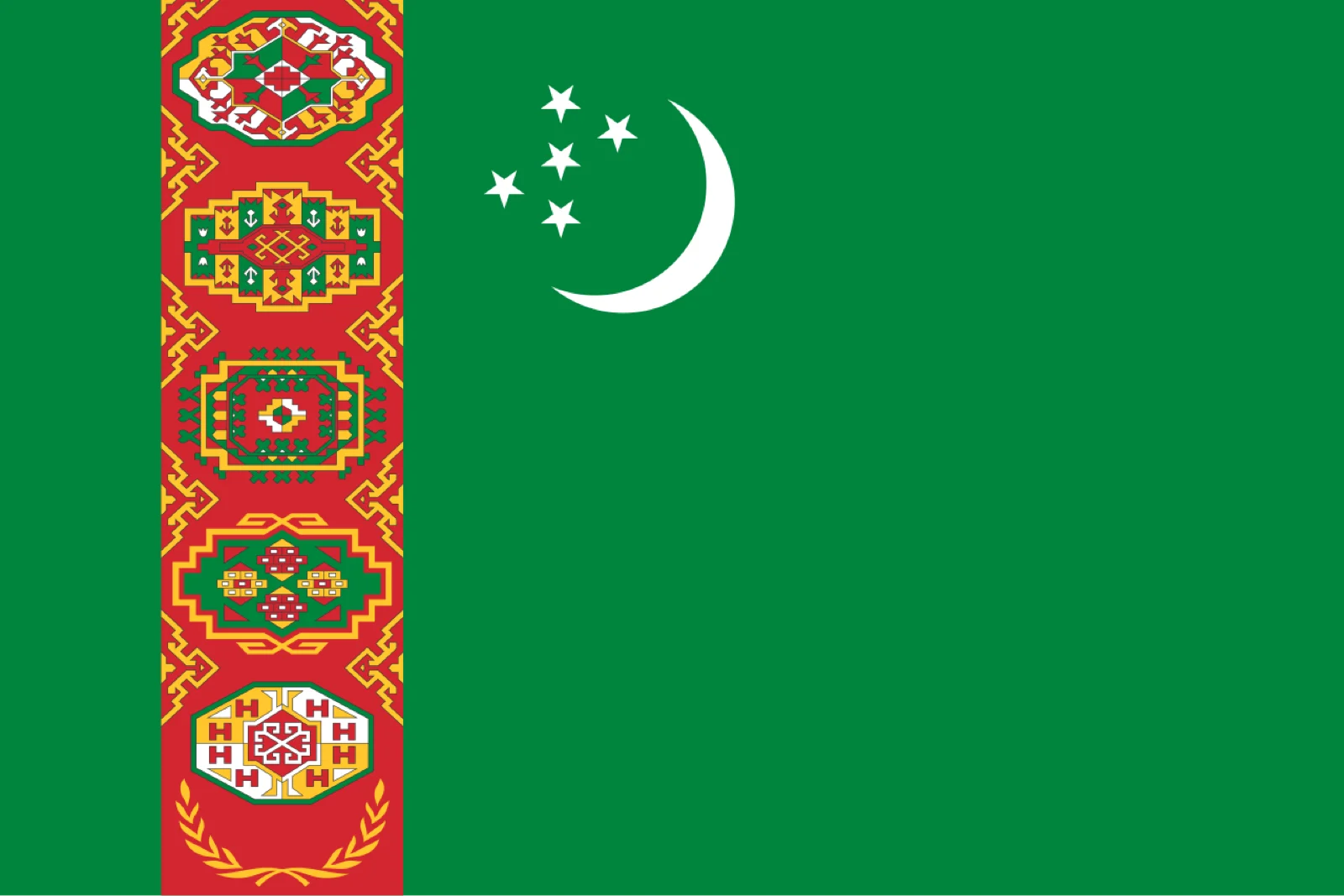
Turkmenistan has one of the more unusual profiles in the bloc: 654 tanks operated by only 36,500 active personnel, giving it a ratio of heavy platforms to soldiers far above the regional norm. That reflects both an inherited Soviet inventory and steady procurement funded by gas revenue. Sourcing is deliberately varied — armoured vehicles and unmanned systems from Türkiye, air defence from China, patrol vessels and trainer aircraft from Italy. Ashgabat’s formal status of permanent neutrality keeps it out of military alliances, which pushes force structure toward a deterrence-first logic rather than coalition interoperability. The primary security concern lies to the south: instability along the Afghan border and protection of energy infrastructure are the core planning assumptions. The small Caspian flotilla is focused on securing offshore energy fields.
Benchmark: Turkmenistan fields nearly twice Kazakhstan’s tank count with roughly a third of its active personnel.
| Power Element | Figure |
|---|---|
| Tanks | 654 |
| Total aircraft | 91 |
| Helicopters | 26 |
| Active personnel | 36,500 |
| Defence budget | $1.46bn |
Next comes the most combat-experienced army in the region.
Azerbaijan
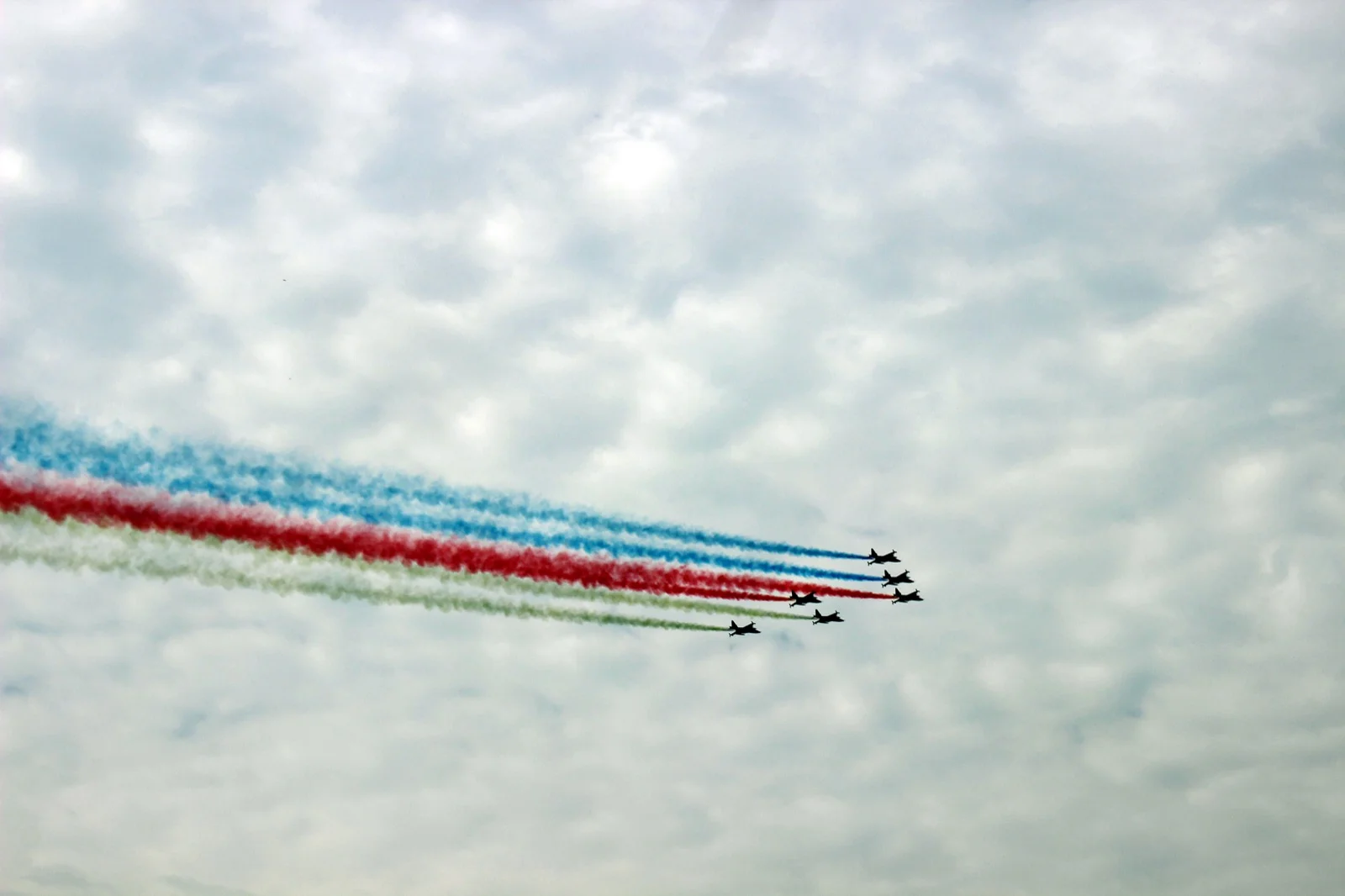
Ranked 60th globally, Azerbaijan is nonetheless among the most experienced militaries in the bloc. The 2020 Karabakh war and subsequent operations let Baku test a drone-enabled reconnaissance-strike cycle under real conditions, and that model is now studied in staff colleges worldwide. With 1,354 tanks it fields the largest armoured force in the organisation after Türkiye, mixing Soviet-legacy T-72s and T-90S with upgraded platforms. The military relationship with Türkiye has moved well beyond procurement into genuine integration: Bayraktar TB2 and AKINCI unmanned aircraft operate alongside Israeli-origin Harop and SkyStriker loitering munitions, and the Shusha Declaration established a framework containing mutual defence obligations between the two countries. Azerbaijan also runs the second-largest defence budget in the bloc after Türkiye, converting energy revenue directly into modernisation.
Benchmark: Azerbaijan fields roughly three times Uzbekistan’s tanks while sitting just behind Kazakhstan on defence spending.
| Power Element | Figure |
|---|---|
| Tanks | 1,354 |
| Total aircraft | 159 |
| Helicopters | 87 |
| Active personnel | 128,000 |
| Defence budget | $5.1bn |
Third place belongs to Central Asia’s largest economy.
Kazakhstan
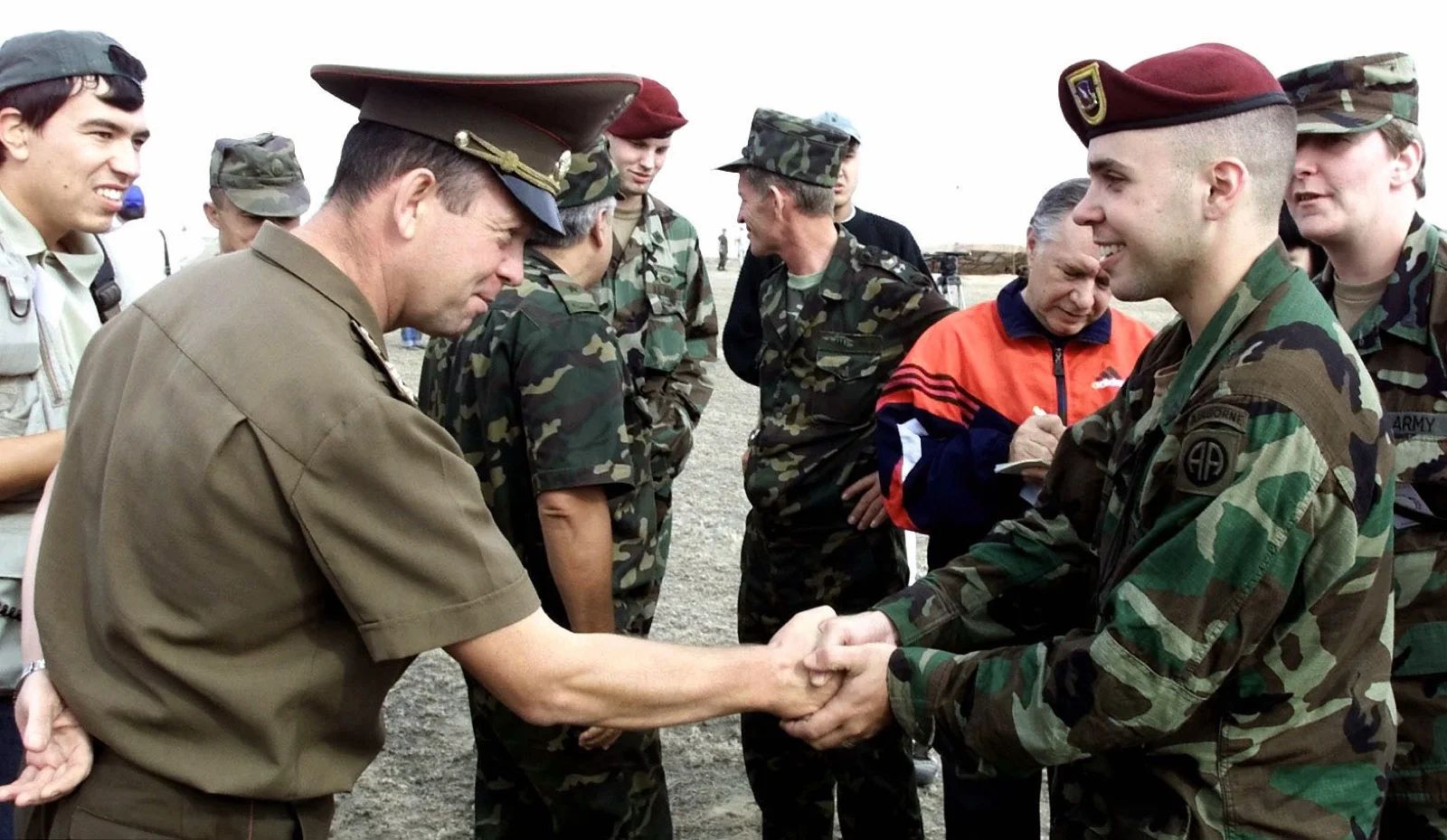
Kazakhstan is Central Asia’s largest economy and, after Türkiye, the bloc’s biggest defence spender. It runs a balanced structure of 110,000 active personnel and 168 aircraft, with Su-27, Su-30SM and MiG-31 types forming the backbone — making it the only member operating heavy interceptors. Astana’s doctrine runs on two axes: managing one of the longest land borders on earth, and protecting Caspian energy infrastructure. For decades the country was tied to the Russian supply chain, and recent policy has been aimed squarely at reducing that dependence. The partnership with Türkiye is the clearest expression of that shift: the Otokar Cobra II armoured vehicle is produced domestically in cooperation with Kazakhstan Engineering, and a co-production agreement has been signed for the ANKA unmanned aerial vehicle. The intent is explicit — to move from customer to co-producer.
Benchmark: Kazakhstan outspends Azerbaijan on defence while fielding about a quarter of its tank inventory.
| Power Element | Figure |
|---|---|
| Tanks | 353 |
| Total aircraft | 168 |
| Helicopters | 72 |
| Active personnel | 110,000 |
| Defence budget | $5.84bn |
Second place goes to the most populous country in the region.
Uzbekistan
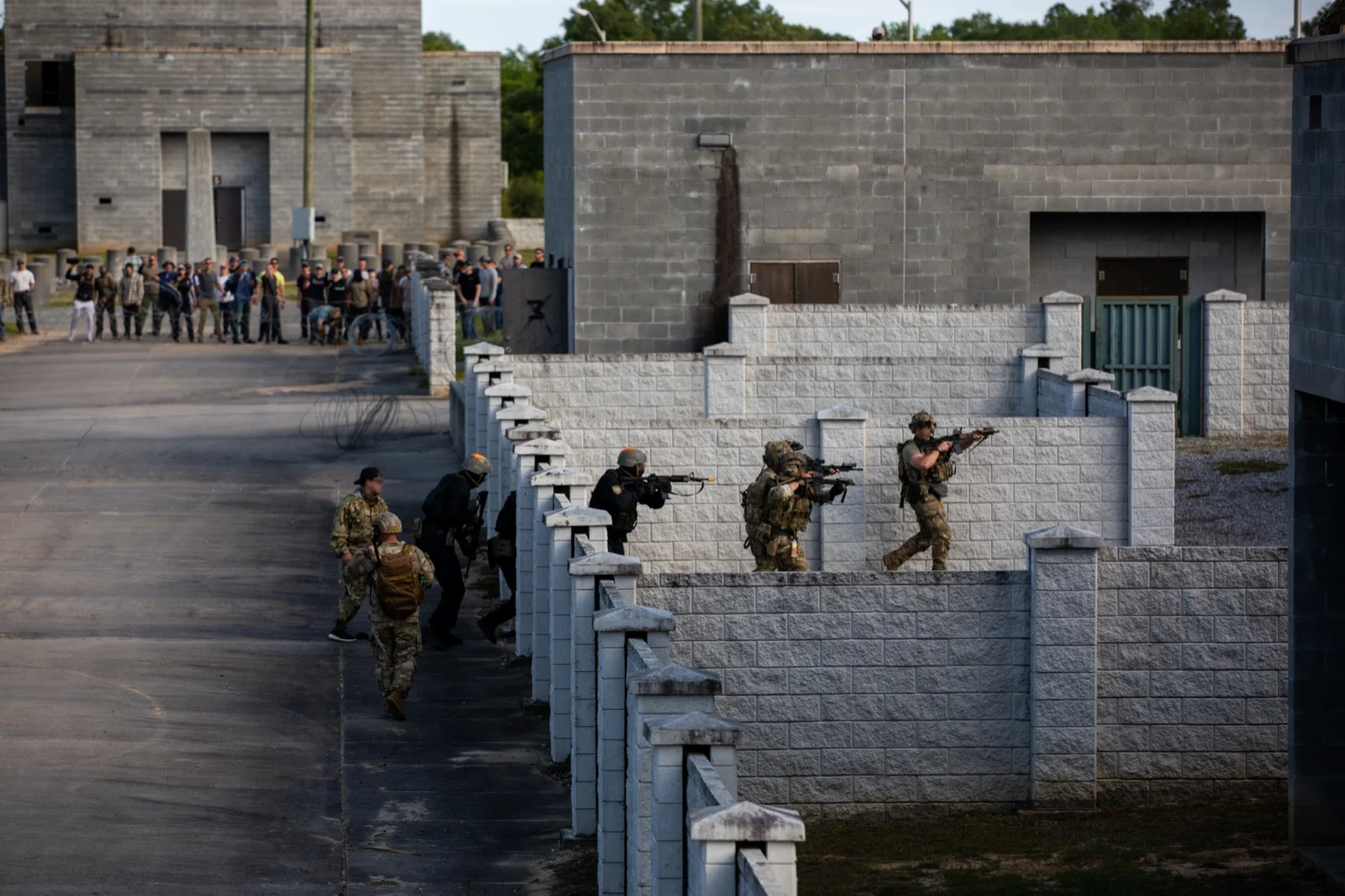
At 53rd globally, Uzbekistan is the second-strongest military in the bloc after Türkiye. As Central Asia’s most populous state, its 120,000 active personnel sit on top of substantial mobilisation potential. The force is land-heavy — 470 tanks and 101 helicopters — and while much of the inventory is Soviet legacy, modernisation has accelerated markedly in recent years. Tashkent’s core security concern is the Afghan border; the Termez corridor is the country’s most sensitive point militarily and logistically alike, and sits at the centre of border security investment. What makes Uzbekistan notable is its emergence from decades of deliberately isolated defence policy into regional cooperation. Relations with Türkiye are the most visible element of that shift: Bayraktar TB2 and AKINCI unmanned aircraft have been acquired, and joint projects are running in armoured vehicles and training. Uzbekistan is also among the most active members in institutionalising the organisation itself.
Benchmark: Uzbekistan operates more helicopters than either Azerbaijan or Kazakhstan, and is the bloc’s second-largest defence spender after Türkiye.
| Power Element | Figure |
|---|---|
| Tanks | 470 |
| Total aircraft | 159 |
| Helicopters | 101 |
| Active personnel | 120,000 |
| Defence budget | $6.21bn |
And the country at the top outweighs the rest of the bloc several times over.
Türkiye
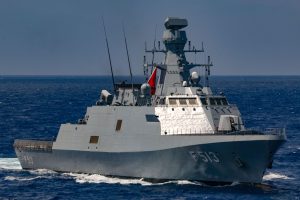
Ranked ninth globally, Türkiye is the bloc’s strongest military by an overwhelming margin, and the gap holds in every single category. Its 481,000 active personnel are about 1.2 times the combined total of the other five members; its 2,284 tanks and 1,101 aircraft each exceed the rest of the bloc combined. But the decisive factor is not inventory — it is production. Türkiye is the only member developing a main battle tank (ALTAY), a combat aircraft (KAAN), a frigate (the İstanbul class), attack helicopters (T129 ATAK and ATAK-2), a long-range air defence system (SİPER) and an unmanned combat aircraft (KIZILELMA). That capacity carries the potential to turn the organisation from a framework for military cooperation into a defence industrial ecosystem. All five other members already field Turkish systems, and the ANKA and Otokar Cobra II co-production arrangements with Kazakhstan show the relationship shifting from supply to partnership.
Benchmark: Türkiye’s aircraft inventory alone (1,101) is roughly double the combined total of the other five members (584).
| Power Element | Figure |
|---|---|
| Tanks | 2,284 |
| Total aircraft | 1,101 |
| Helicopters | 509 |
| Active personnel | 481,000 |
| Defence budget | $51.4bn |
The Verdict
The numbers describe one thing very clearly: military weight inside the Organization of Turkic States is distributed extremely unevenly. Türkiye ranks ninth globally; the next member, Uzbekistan, ranks 53rd, and Kyrgyzstan sits at 109th. Türkiye’s aircraft inventory alone is roughly double the combined total of the other five. Reading the bloc as a symmetric military alliance is simply not possible.
The second observation is that member security priorities diverge sharply. Azerbaijani planning centres on preserving the post-Karabakh settlement and the Zangezur corridor; for Uzbekistan and Turkmenistan the primary threat is the Afghan border; Kazakhstan focuses on managing vast land frontiers and Caspian energy infrastructure; Kyrgyzstan is preoccupied with its border disputes with Tajikistan. Türkiye’s threat geography lies on an entirely different axis — the Aegean, the eastern Mediterranean, Syria and the Black Sea. Without a shared threat definition, a conventional collective defence obligation is hard to construct.
There is, however, a third axis that makes the organisation genuinely functional: defence industry. Five of the six members now field Turkish systems. The Bayraktar TB2 serves in Azerbaijan, Kyrgyzstan, Turkmenistan and Uzbekistan; AKINCI operates in Azerbaijan and Uzbekistan. Domestic production of the Otokar Cobra II in Kazakhstan and the co-production agreement signed for ANKA show the relationship moving past vendor and customer. That binds the bloc more durably than a treaty would: once supply chains, training pipelines and maintenance infrastructure are shared, separating becomes expensive.
The fourth theme is inventory age. Heavy equipment across the five non-Turkish members is overwhelmingly Soviet legacy — T-72 tanks, Su-27 and MiG-29 aircraft, Mi-8 and Mi-24 helicopters. Spares and upgrade paths for those platforms have traditionally run through Russia, and that channel has come under strain from both sanctions and competing wartime production priorities. The resulting gap is the single strongest argument for supplier diversification among members — and the real reason behind the rapid rise of the Turkish defence industry in the region.
Finally, where the bloc could go from here. Joint exercises, officer training programmes run in Türkiye and gradually converging standards are at least making these very different militaries interoperable. The mutual defence framework the Shusha Declaration created between Türkiye and Azerbaijan suggests similar bilateral arrangements are possible with other members. A NATO-style collective defence structure is not a realistic near-term outcome. But a defence ecosystem built on co-production, shared training and aligned procurement is already being assembled — and on its own that is a significant strategic gain.
Full Comparison Table
| # | Country | Global rank | Tanks | Aircraft | Active personnel | Defence budget |
|---|---|---|---|---|---|---|
| 1 | Türkiye | 9th | 2,284 | 1,101 | 481,000 | $51.4bn |
| 2 | Uzbekistan | 53rd | 470 | 159 | 120,000 | $6.21bn |
| 3 | Kazakhstan | 58th | 353 | 168 | 110,000 | $5.84bn |
| 4 | Azerbaijan | 60th | 1,354 | 159 | 128,000 | $5.10bn |
| 5 | Turkmenistan | 78th | 654 | 91 | 36,500 | $1.46bn |
| 6 | Kyrgyzstan | 109th | 215 | 7 | 23,000 | $654m |
A new ranking gallery tomorrow
Coming next: Europe’s strongest air forces, Africa’s most powerful navies and new Türkiye head-to-head comparisons.
Frequently Asked Questions
Which member of the Organization of Turkic States has the strongest army?
Türkiye, ranked ninth in Global Firepower’s 2026 global standings, is the strongest by a wide margin. Uzbekistan follows at 53rd and Kazakhstan at 58th.
Who are the members?
Türkiye, Azerbaijan, Kazakhstan, Kyrgyzstan and Uzbekistan are full members, while Turkmenistan, Hungary and the Turkish Republic of Northern Cyprus hold observer status. This gallery compares the six Turkic states.
Which members operate Turkish defence systems?
Azerbaijan, Kazakhstan, Uzbekistan, Kyrgyzstan and Turkmenistan all field Turkish-built systems. The Bayraktar TB2 and AKINCI unmanned aircraft are the most widespread examples.
Is there co-production with Kazakhstan?
Yes. The Otokar Cobra II armoured vehicle is produced in Kazakhstan with Kazakhstan Engineering, and a co-production agreement has been signed for the TUSAŞ ANKA unmanned aerial vehicle.
Is the organisation a military alliance?
No. It carries no NATO-style collective defence obligation. But joint exercises, training programmes and defence industrial cooperation are deepening quickly, and the Shusha Declaration establishes a bilateral defence framework between Türkiye and Azerbaijan.
Where does this data come from?
The ranking uses Global Firepower’s 2026 global military strength standings; doctrinal and cooperation analysis is envantermedya’s editorial assessment.
Sources
- Global Firepower 2026 — member country profiles and global power ranking
- Organization of Turkic States official declarations and summit documents
- SIPRI Military Expenditure and Arms Transfers databases
- IISS The Military Balance
- Releases from TUSAŞ, Baykar, Otokar and the defence ministries concerned
- Source: https://www.globalfirepower.com/ (2026 Military Strength Ranking)