388th Fighter Wing Certifies ‘Hot’ F-35A Turnaround: Fuel and Weapons Loaded With Engines Running

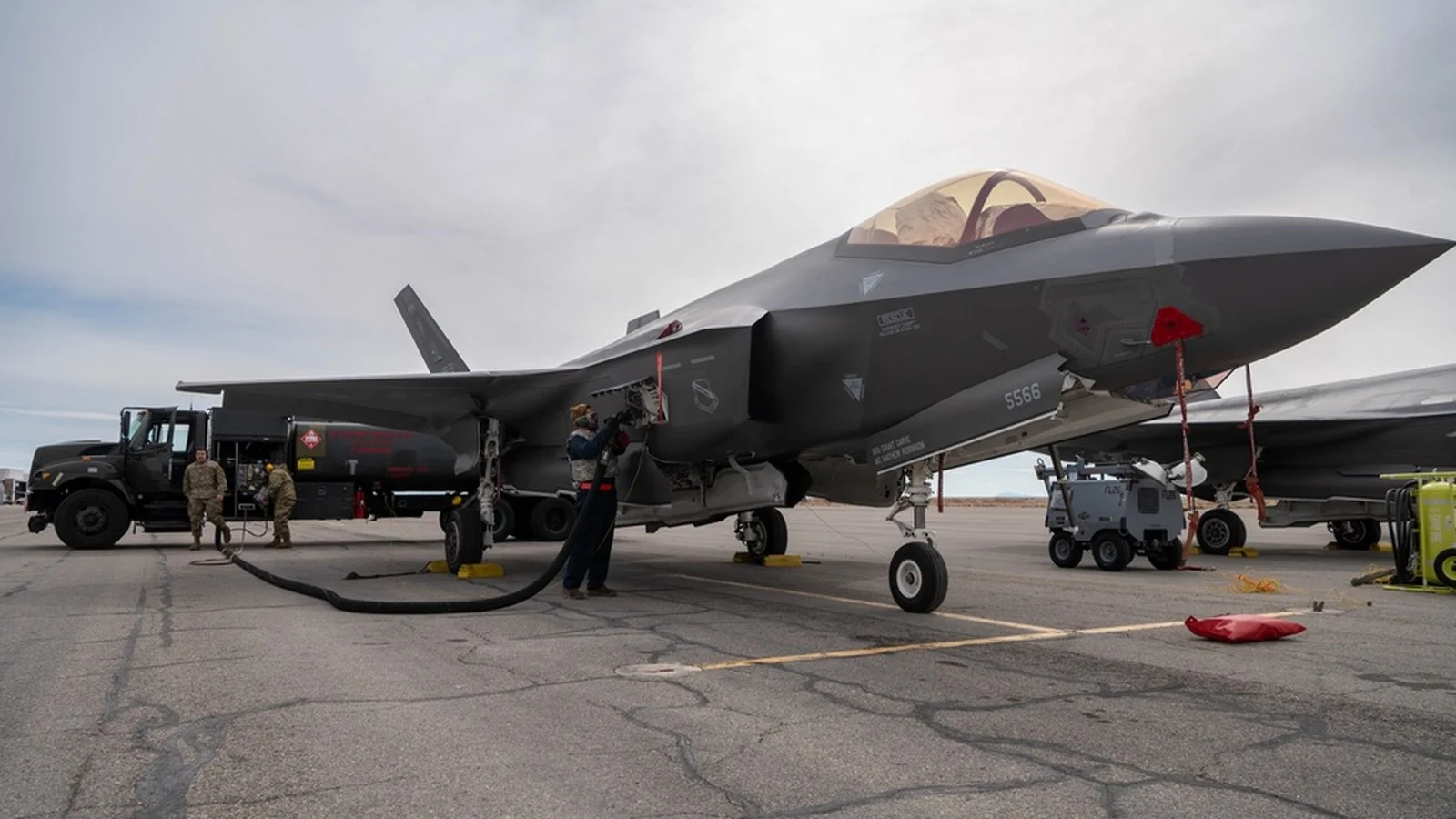
The U.S. Air Force’s 388th Fighter Wing at Hill Air Force Base, Utah, has certified a procedure that lets maintainers refuel and rearm F-35A Lightning II jets at the same time while the engines keep running and the pilot stays in the cockpit. The wing held the certification event on October 23 and disclosed the milestone on November 6. The Air Force calls the technique a “hot” Integrated Combat Turn, or hot ICT, and it folds fueling and weapons loading into a single stop instead of two separate ones.
The choreography splits across two units. Fuels distribution operators from the 75th Air Base Wing position the fuel truck next to the jet and ground it, while 388th Fighter Wing weapons and fuels Airmen connect the hose and reload the weapon stations simultaneously. Crews first rehearse the sequence with the engine shut down before moving to the live, engine-running version. Wing officials said they plan to qualify more load crews and crew chiefs on the procedure in the coming months.
The point of the exercise is simple: shrink the time a jet sits on the ramp between one sortie and the next. A conventional refuel requires shutting the engine down and restarting it before the aircraft can taxi again, a process the Air Force says can take over an hour. Skipping that step, and loading munitions in the same window, lets a single stop do the work of two.
The 388th frames the procedure inside Agile Combat Employment, the Air Force’s doctrine for dispersing fighters across small, austere airstrips rather than concentrating them at a handful of large, fixed bases that present an easier target for precision strikes. Air Combat Command had already reported a comparable hot-ICT milestone at the 325th Fighter Wing in June 2025, and this month’s certification at Hill signals the capability is spreading through the broader F-35A fleet rather than staying a one-off demonstration.
Wing officials were careful to frame the achievement as a first step, not a finished capability. The speed gain was measured for one aircraft and one crew; it does not by itself prove the wing can sustain a high sortie-generation rate under pressure. A faster turn also does not remove the underlying maintenance workload — it only compresses the time it takes on the ramp. The wing has tested pieces of the same skill set before, including during the PANTHER SHADOW exercise focused on ACE readiness.
Hill hosts 78 F-35As, making it one of the Air Force’s largest fifth-generation fighter hubs, and its squadrons rotate regularly to NATO’s eastern flank. A procedure that shortens turnaround on one Utah ramp therefore has a direct bearing on how quickly allied airspace could be resupplied with combat sorties if called upon.
Sources
- Army Recognition, “U.S. Air Force Trains F-35A Crews to Refuel and Rearm Fighter Jets With Engines Running,” November 9, 2026 (based on the 388th Fighter Wing’s November 6, 2026 announcement) — source article. Used for event confirmation, dates and unit details.