India’s Military Strength: How Many Tanks, Fighter Jets and Missiles? (2026)

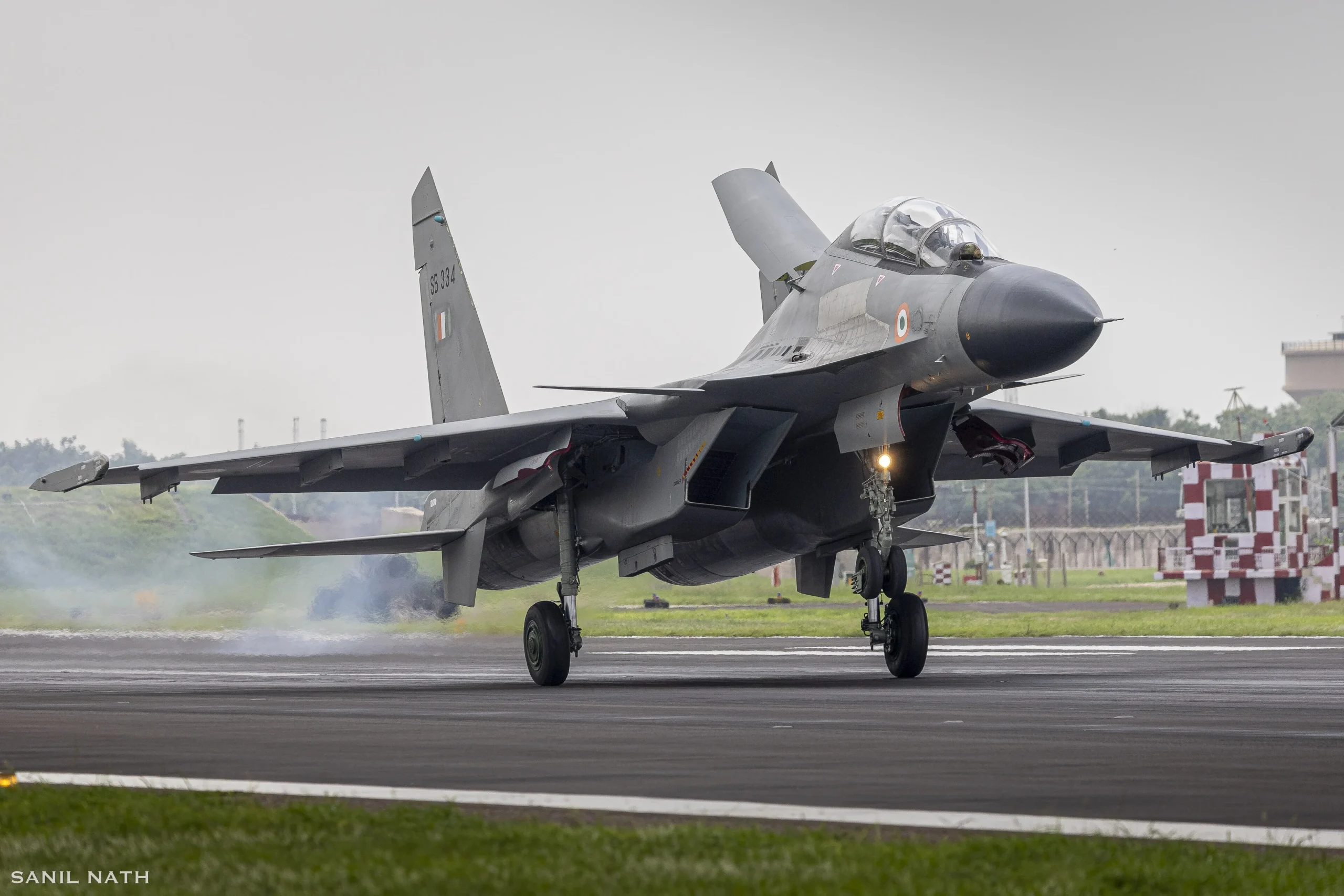
India’s military inventory is as vast as its population. Blending Russian, French, Israeli and an increasing share of indigenous systems, the country — with its nuclear capability, two aircraft carriers and long-range missile programmes — is one of Asia’s most powerful military actors.
At a Glance
- Active personnel: ≈ 1.450.000
- Main battle tanks: ≈ 4.600
- Military aircraft (total): ≈ 2.200
- Aircraft carriers: 2 (Vikramaditya, Vikrant)
- Key missiles: BrahMos, Agni, S-400
- GFP ranking: Top 4
Note: The inventory figures below are approximate values drawn from open sources such as Global Firepower, the IISS Military Balance and SIPRI.
About the India Armed Forces
The Indian Armed Forces comprise the Army, Air Force and Navy plus a strategic nuclear command, forming one of the world’s largest volunteer militaries. Per the IISS, active personnel exceed 1.4 million.
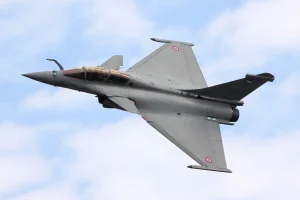
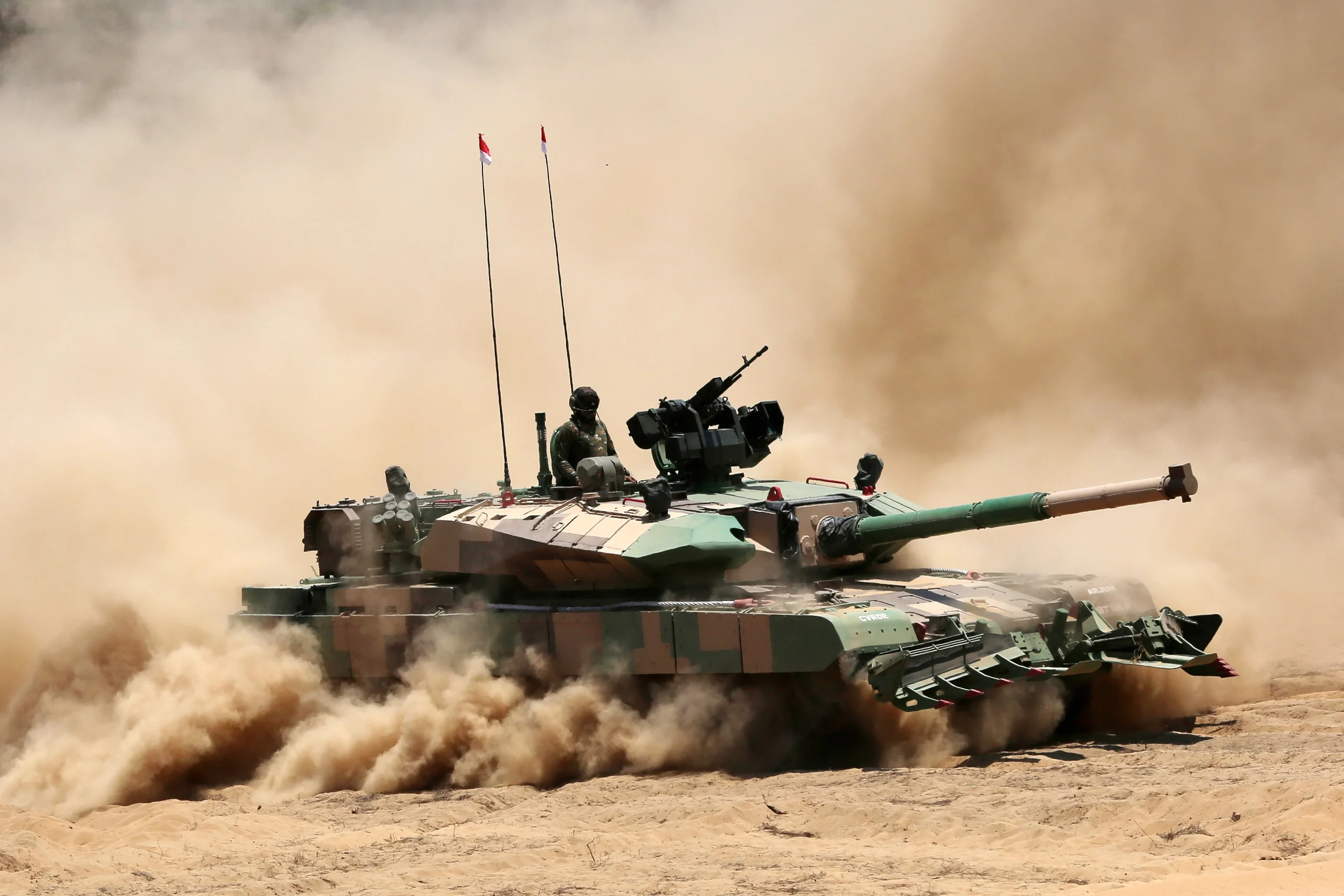
India balances its traditional Russian core with French Rafales, Israeli systems and indigenous projects such as HAL Tejas, the Arjun tank and INS Vikrant, prioritising domestic production under the ‘Atmanirbhar Bharat’ (self-reliant India) policy.
Land Forces Inventory
| System type | Est. quantity |
|---|---|
| Main battle tanks (T-90, T-72, Arjun) | ≈ 4.600 |
| Armoured fighting vehicles | ≈ 8.700 |
| Howitzers (SP + towed) | ≈ 4.300 |
| MLRS (Pinaka, Smerch) | ≈ 290 |
Air Force Inventory
| Platform | Est. quantity |
|---|---|
| Total military aircraft | ≈ 2.200 |
| Fighters / multirole (Su-30MKI, Rafale, MiG-29, Tejas) | ≈ 600 |
| Trainers | ≈ 350 |
| Helicopters (Apache, Prachand, Dhruv) | ≈ 900 |
Missile and Air-Defence Systems
| System | Type / Note |
|---|---|
| S-400 Triumf | Long-range air defence |
| BARAK-8 / Akash | Medium-range air defence |
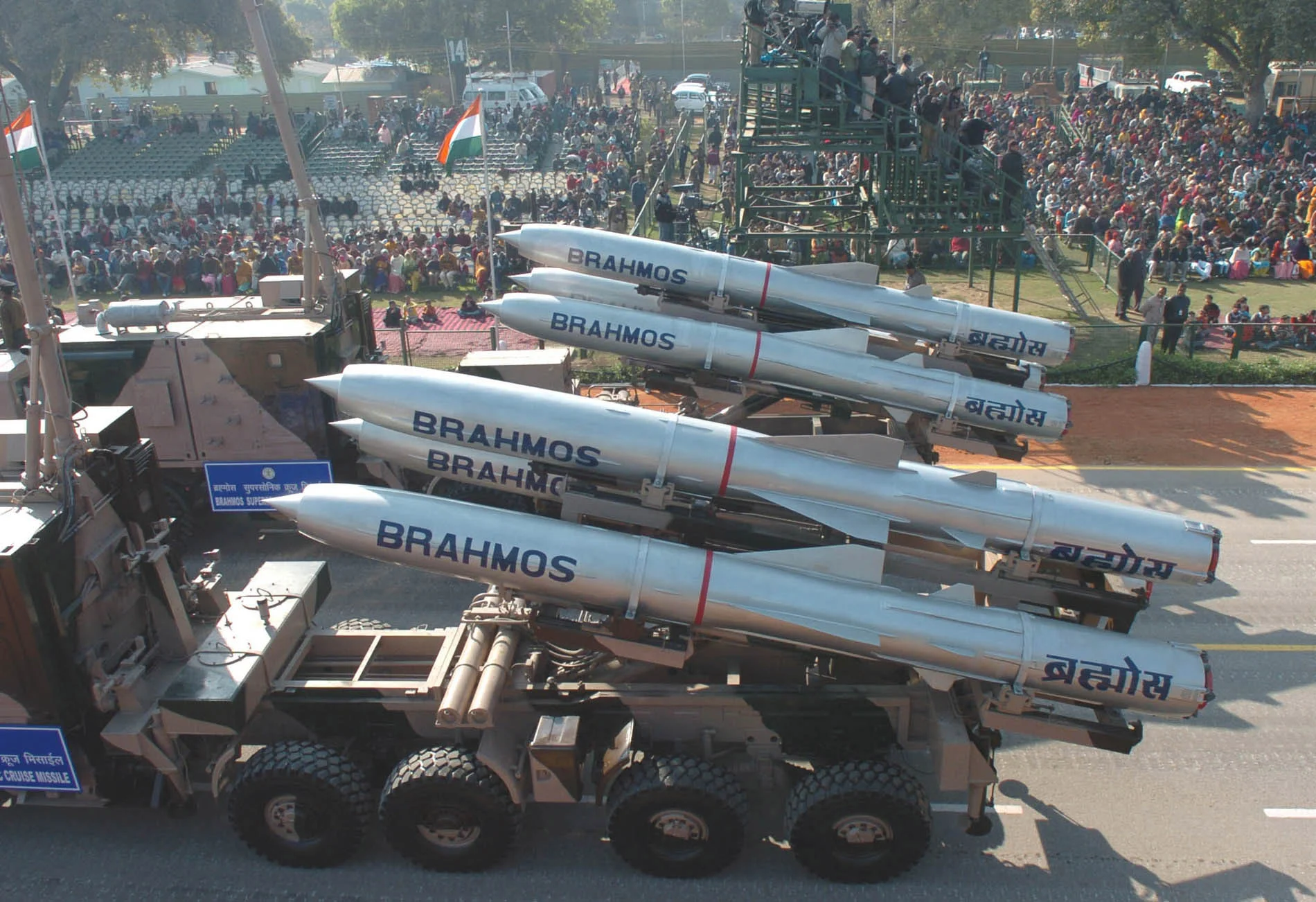
| BrahMos | Supersonic cruise / anti-ship |
| Agni I–V | Ballistic missile (incl. ICBM) |
Naval Power
| Class / Type | Est. quantity |
|---|---|
| Total naval platforms | ≈ 290 |
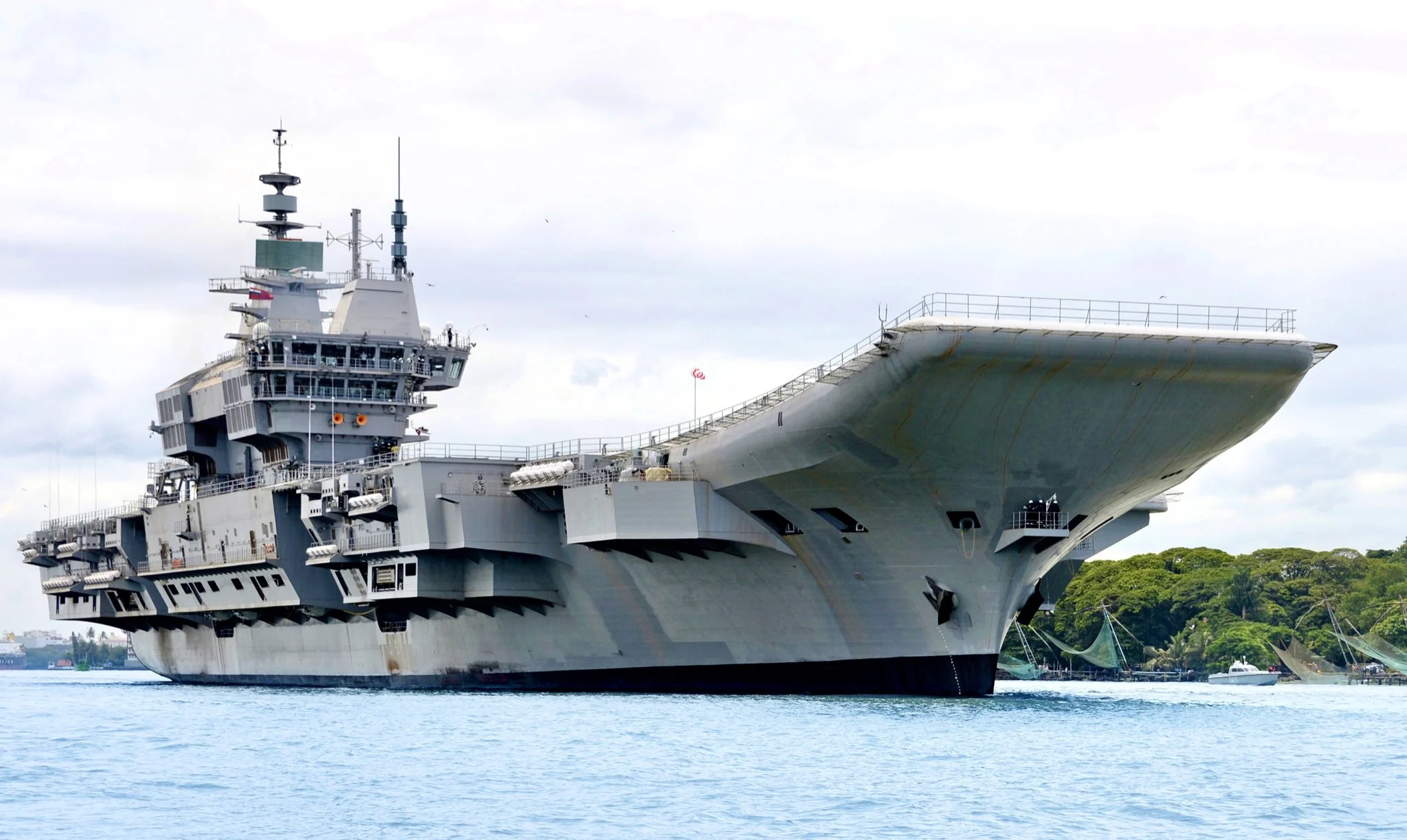
| Aircraft carriers | 2 |
| Submarines (incl. nuclear Arihant) | ≈ 17 |
| Destroyers / frigates | ≈ 27 |
The Turkey Angle: Turkish Defence Industry
India does not operate Turkish defence systems. Turkey’s close defence cooperation with Pakistan and Azerbaijan is the main factor shaping the competitive geopolitics between the two countries.
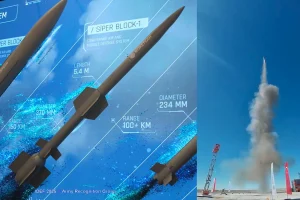
India is strengthening its own exporter profile, selling BrahMos to the Philippines. Turkey, meanwhile, has reached comparable technological maturity through indigenous programmes such as the SIPER air-defence system, the ATMACA anti-ship missile and KIZILELMA. The Turkish defence industry therefore stands in this market not as a supplier but as a rival exporter on the global stage.
Frequently Asked Questions
How many warplanes does India have? Open sources put the total aircraft fleet at about 2,200, of which roughly 600 are fighters/multirole jets.
Which tanks does India use? Russian T-90 and T-72 alongside the indigenous Arjun main battle tank; about 4,600 tanks in total.
How many aircraft carriers does India have? Two: the Russian-built INS Vikramaditya and the domestically built INS Vikrant.
Bottom Line
With its personnel numbers, nuclear capability, carriers and long-range missile programmes, India is one of Asia’s decisive military actors. Its diversified procurement provides flexibility but also brings logistical complexity.