Ukraine Receives Nearly Half a Million Drones, 95% Domestically Made

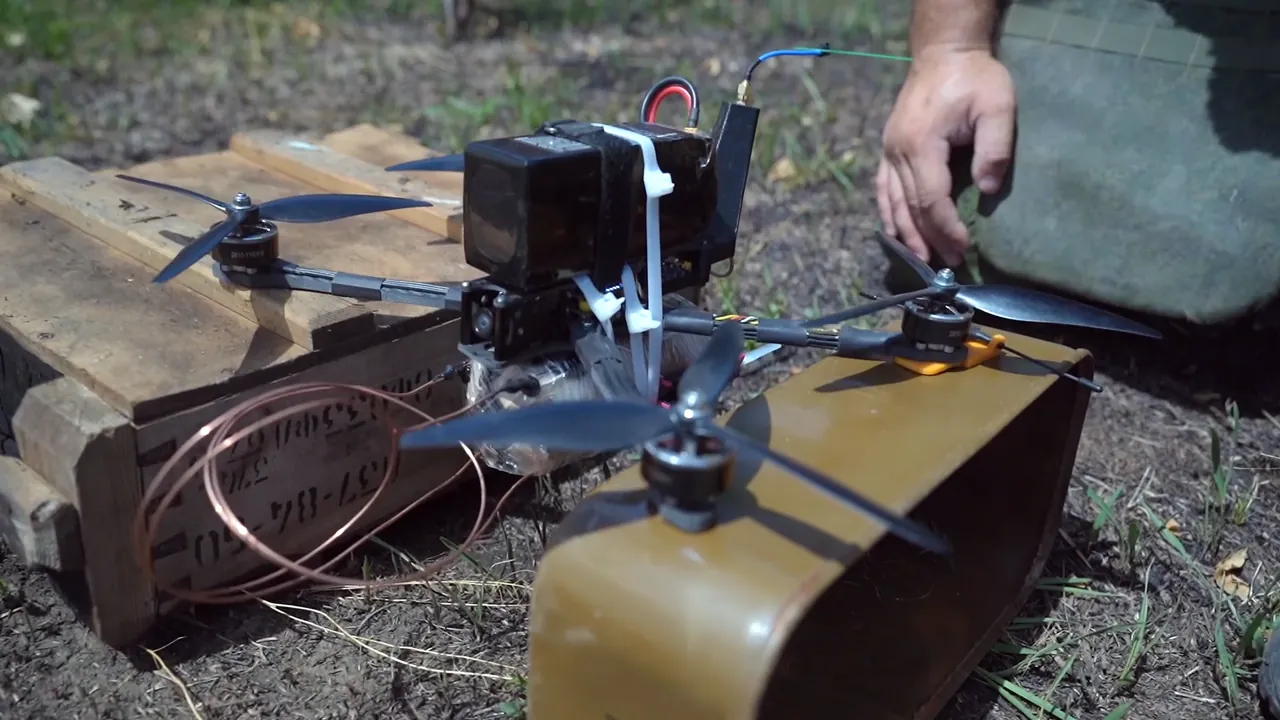
According to The Defense Post, Ukraine received nearly 500,000 drones, 95 percent made domestically. Production volume has become the key to offsetting frontline losses.
| Quantity | ~500,000 drones |
| Domestic share | 95% |
| Use | Reconnaissance, FPV strike, bombing |
| Context | Russia-Ukraine war |
| Date | 23 June 2026 |
Scale in Drone Warfare
The modern front is saturated with cheap, numerous drones; FPV drones strike everything from armour to infantry. This intense use demands tens of thousands of drones a month — and Ukraine meets almost all of it domestically, cutting external dependency.
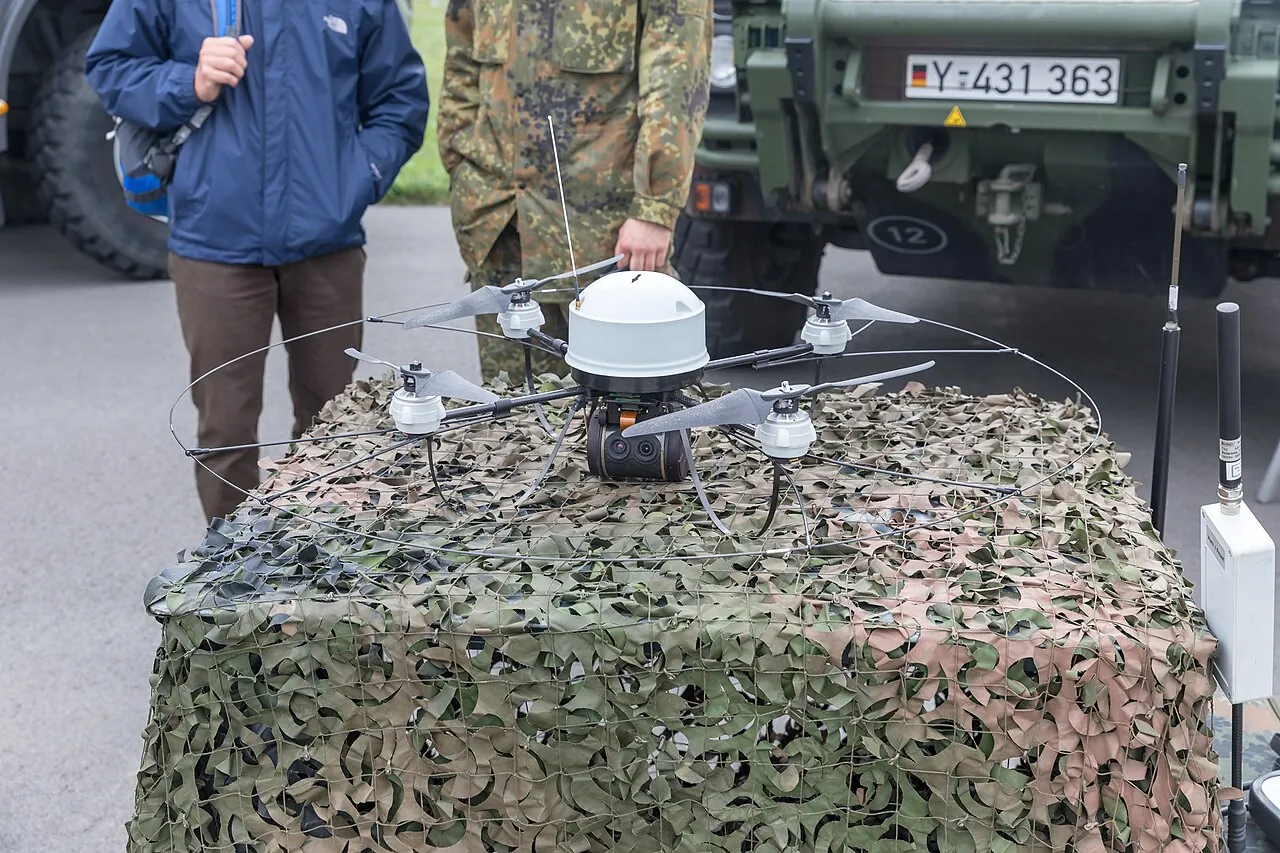
Capacity Decides
In drone warfare, the winner is not the side with the single most advanced platform but the one with the highest production and renewal rate. Indigenous production brings cost, supply continuity and rapid design iteration.
Why It Matters for Turkey
Turkey is among the world’s leading producers of unmanned air systems. Baykar, STM and a broad supplier base span TB2 to Kızılelma, loitering munitions to swarms. Ukraine’s lesson on scale validates the serial-production and export strength of Turkish industry.
The future of drone warfare lies in volume and pace of innovation. Turkey’s indigenous ecosystem meets its own needs and leads globally — a strategic advantage for Ankara.
Frequently Asked Questions
How many drones?
Nearly 500,000, 95% domestically made.
Why so many?
Intense FPV use demands high consumption and fast renewal.
Turkey’s place?
Among the world’s leading drone producers via Baykar and STM.
Bottom Line
Ukraine’s half-million drones prove the decisive role of production scale in drone warfare. Turkey sustains a global lead through its indigenous ecosystem led by Baykar and STM.
Sources
- The Defense Post — production figures